Prostate Cancer Photos: What Scans and Images Can Show
Prostate cancer photos are usually medical images rather than visible photographs of the body. MRI, ultrasound, biopsy-slide images and staging scans can help doctors find, assess and monitor prostate cancer, but they must always be interpreted alongside blood tests, examination findings and biopsy results.
What prostate cancer photos can and cannot show
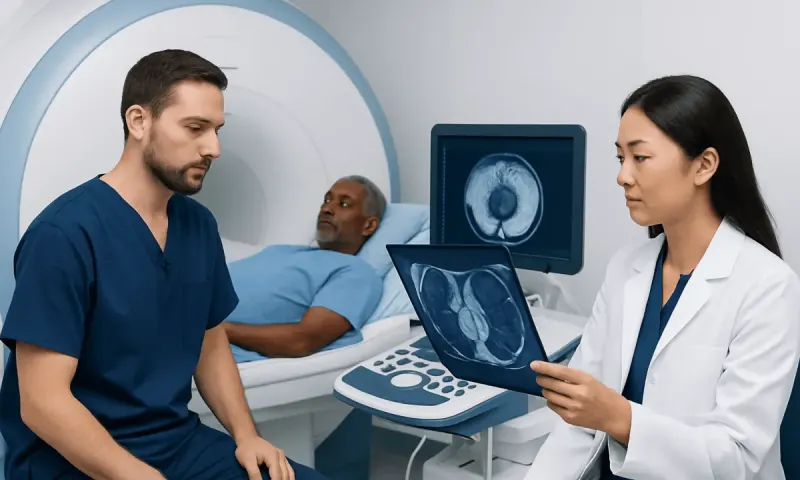
When people search for prostate cancer photos, they are often looking for images that explain what the cancer looks like or how doctors find it. Prostate cancer is usually not visible from the outside, and there is no single photograph that can confirm it. Instead, clinicians use medical images, laboratory tests and tissue samples to build a clear picture of the prostate and any cancer within it.
The most useful images may include multiparametric MRI pictures of the prostate, ultrasound images used during biopsy, microscopic photographs of biopsy tissue, and scans that look for cancer beyond the prostate. These images can show areas that need closer assessment, but an image that appears suspicious is not by itself a diagnosis. A biopsy, in which a small tissue sample is examined under a microscope, is commonly needed to confirm cancer.
Images can also help explain the location and extent of a known cancer. Doctors combine imaging findings with the prostate-specific antigen (PSA) blood test, digital rectal examination, biopsy grade and a person’s health history. This approach helps avoid making major decisions based on one result alone.
How prostate cancer is diagnosed and staged
Assessment often begins after a raised or changing PSA result, an abnormal digital rectal examination, urinary symptoms, or a family history that raises concern. PSA can be elevated for reasons other than cancer, including benign prostate enlargement, inflammation and recent activities that affect the prostate. For this reason, a PSA result needs careful medical interpretation.
A multiparametric MRI is commonly performed before biopsy or to guide biopsy planning. It creates detailed prostate images and may identify a region more likely to contain clinically significant cancer. If biopsy is appropriate, ultrasound is often used to guide the needle. MRI-ultrasound fusion techniques may help target a suspicious area seen on MRI.
A pathologist examines biopsy tissue and reports the Gleason score or Grade Group, which describes how abnormal the cancer cells look and how likely the tumour may be to behave aggressively. If cancer is confirmed, further imaging may be advised for higher-risk disease. Depending on the situation, this can include CT, MRI, bone scanning or PSMA PET imaging to check lymph nodes, bones and other areas.
For more detailed background on the condition, see prostate cancer.
Can a man live 20 years with prostate cancer?

Yes. Many men can live 20 years or longer after a prostate cancer diagnosis, particularly when the cancer is low risk, confined to the prostate or responds well to treatment. Prostate cancer often grows more slowly than many other cancers, and some low-risk cancers may never cause symptoms or threaten life expectancy.
However, outlook differs substantially between individuals. It is influenced by the cancer’s Grade Group, PSA level, whether it is contained within the prostate or has spread, the response to treatment, age and other health conditions. A clinician can explain prognosis using the complete clinical picture rather than a scan image or PSA number alone.
For selected people with low-risk cancer, active surveillance may be recommended. This means regular PSA tests, repeat MRI scans and sometimes repeat biopsies, with treatment offered if there are signs that the cancer is changing. Active surveillance is an active management plan, not the same as ignoring cancer.
Even when prostate cancer has spread, modern systemic treatments can often control it for long periods. Regular follow-up helps the team adjust treatment and support quality of life as needs change.
What are the modern treatment options for prostate cancer?
Modern treatment options for prostate cancer are tailored to the cancer’s risk category and stage, as well as a person’s life expectancy, other medical conditions and preferences. Not everyone needs immediate treatment. For low-risk disease, active surveillance may safely avoid or delay treatment-related side effects while maintaining close monitoring.
For cancer that is localised within the prostate, curative options commonly include surgery to remove the prostate, known as radical prostatectomy, or radiotherapy. Surgery may be performed using open, laparoscopic or robot-assisted techniques depending on the clinical setting and available expertise. Radiotherapy may be given externally, and some patients may be candidates for internal radiation approaches. The likely effects on urinary control, erections and bowel function should be discussed before choosing a treatment.
For intermediate- or high-risk cancer, doctors may recommend a combination of treatments. This can include radiotherapy with hormone therapy, or surgery followed by additional treatment if pathology findings indicate a higher risk of recurrence. Robotic prostatectomy may be considered for appropriately selected patients as part of a personalised surgical plan.
For recurrent or metastatic disease, treatment can include androgen-deprivation therapy, newer hormone-blocking medicines, chemotherapy, targeted medicines, radiopharmaceuticals and, in selected cases, immunotherapy. The right approach depends on the cancer’s previous treatments, spread pattern and tumour testing. A multidisciplinary team can help weigh the expected benefits and possible side effects of each option.
I recently got diagnosed with prostate cancer. What should I do now?
A new diagnosis can feel overwhelming, but most people have time to understand the results and consider their options. The first practical step is to ask for a clear explanation of the PSA level, MRI findings, biopsy Grade Group, number of biopsy samples involved and clinical stage. Keeping copies of reports and scan images can make second opinions and future appointments easier.
It is reasonable to ask whether the cancer is low, intermediate or high risk; whether it appears confined to the prostate; and whether active surveillance is suitable. A discussion with a urologist, radiation oncologist and medical oncologist may be useful, especially when more than one treatment is appropriate. A second pathology review can also be considered if results are uncertain or treatment decisions are complex.
Patients may wish to bring a family member or trusted friend to appointments, write down questions beforehand and ask about likely effects on work, sexual health, urinary function and daily life. Emotional support matters too. Speaking with a specialist nurse, counsellor or support organisation can help people and families process the diagnosis.
At Acıbadem Health Point, multidisciplinary specialists in JCI-accredited hospitals can assess prostate cancer and discuss treatment planning with international patients.
Can I get a Blue Badge if I have prostate cancer?
A prostate cancer diagnosis alone does not automatically qualify someone for a Blue Badge in the United Kingdom. Blue Badge eligibility is based mainly on how a health condition affects walking ability, mobility, safety or the ability to travel, rather than on the diagnosis itself. Rules and assessment processes can vary across England, Scotland, Wales and Northern Ireland.
Someone undergoing treatment may have symptoms or treatment effects that significantly affect mobility, such as severe fatigue, pain from bone metastases or neurological complications. In these situations, they may be eligible depending on the local authority’s assessment. Some people qualify automatically through certain disability benefits, while others apply through the discretionary route.
It is helpful to provide accurate information about day-to-day mobility difficulties, use of mobility aids, pain, fatigue and any medical evidence requested. The relevant local council or national government guidance can explain current criteria and application requirements. A cancer nurse, GP or hospital social worker may also be able to advise on practical support during treatment.
When to seek medical care
Anyone with a persistently raised PSA, an abnormal prostate examination or new urinary changes should arrange a non-urgent medical assessment. Symptoms such as a weaker urine stream, needing to urinate more often, waking at night to pass urine or blood in urine can have many causes, including non-cancerous prostate enlargement. They should still be evaluated rather than self-diagnosed from online images.
Prompt medical advice is important for unexplained ongoing bone pain, unintended weight loss, marked tiredness or worsening urinary symptoms, particularly in a person already diagnosed with prostate cancer. These symptoms do not always mean cancer has progressed, but they warrant review.
Urgent care is needed for an inability to pass urine, new weakness or numbness in the legs, difficulty walking, or new loss of bladder or bowel control. These symptoms can signal a serious problem requiring rapid assessment. People with severe pain, sudden deterioration or other concerning symptoms should use local urgent or emergency services.
Routine follow-up is also important after treatment or while on active surveillance. PSA trends, symptoms and imaging findings guide care over time, and early discussion of new concerns can help the clinical team respond appropriately.
Frequently asked questions
01Are prostate cancer photos enough to diagnose cancer?
No. Medical images can identify areas that need further assessment, but they cannot usually confirm prostate cancer on their own. Diagnosis commonly requires a combination of PSA testing, examination, MRI and biopsy tissue examined by a pathologist.
02What does prostate cancer look like on an MRI?
On multiparametric MRI, prostate cancer may appear as an area with different signal characteristics from surrounding prostate tissue. Radiologists assess several types of MRI images and report how suspicious an area is. MRI findings need to be interpreted with PSA results and, when indicated, biopsy results.
03Can prostate cancer be present without urinary symptoms?
Yes. Early prostate cancer often causes no symptoms. Urinary symptoms are more commonly caused by benign enlargement of the prostate, although they should still be assessed by a clinician.
04Can a man live 20 years with prostate cancer?
Many men do live 20 years or longer after diagnosis, especially with low-risk or localised prostate cancer. Individual outlook depends on tumour grade, stage, PSA, general health and response to management. The treating team can provide a more personal estimate based on complete results.
05I recently got diagnosed with prostate cancer. What should I do now?
Ask for a clear explanation of the biopsy Grade Group, PSA, scan findings and stage, and discuss whether active surveillance or immediate treatment is recommended. It is reasonable to seek a second opinion and to ask about the likely benefits and side effects of each option. Taking time to understand choices is often possible, but the treating clinician should advise if treatment is time-sensitive.
06Can I get a Blue Badge if I have prostate cancer?
A diagnosis alone does not automatically provide Blue Badge eligibility in the UK. Eligibility depends on mobility limitations and functional needs, which may be affected by cancer or its treatment. The local authority can assess an application using current regional criteria.
This article is for general information only and is not a substitute for professional medical advice. Please consult a qualified doctor about your individual situation.
Oncology care in Turkey — second opinion and treatment plan
JCI-accredited · board-certified surgeons · reply within 24h
Add us as a Preferred Source to see more of our trusted health content across Google Search, AI Overviews and Discover.