

Plantar Fasciitis Exercises: Stretches and Strengthening
- 9 min read
- Published November 29, 2026
Key Takeaways
- Stretching the calf and plantar fascia can reduce morning heel pain and improve foot mechanics.
- Gentle strengthening of the foot and ankle may help the arch handle daily load more comfortably.
- Exercises work best when paired with supportive footwear, activity modification, and consistency.
- Pain that is severe, persistent, or changing in character should be assessed by a clinician.
- People recovering while traveling can still follow a simple home program with guidance from a specialist.
Plantar fasciitis exercises are often a key part of easing heel pain and helping the foot tolerate daily walking again. The right routine can improve flexibility, support the arch, and reduce strain on the plantar fascia over time.
Overview
Plantar fasciitis is one of the most common reasons for pain under the heel or along the arch of the foot. It develops when the plantar fascia, a thick band of tissue that supports the foot, becomes irritated from repeated stress. For many people, the first few steps after getting out of bed are the most uncomfortable.
Exercises are often central to recovery because they address more than just the sore spot. They work on the calf muscles, ankle mobility, and the small stabilizing muscles of the foot, all of which influence how much strain reaches the plantar fascia during walking, standing, and exercise.
For international patients, plantar fasciitis exercises can be especially practical. They do not require special equipment, can be continued during travel, and can be adapted into a simple daily routine after a clinic visit or physiotherapy session. When guided by the right diagnosis, they may help patients return to normal activity with greater confidence.
Symptoms
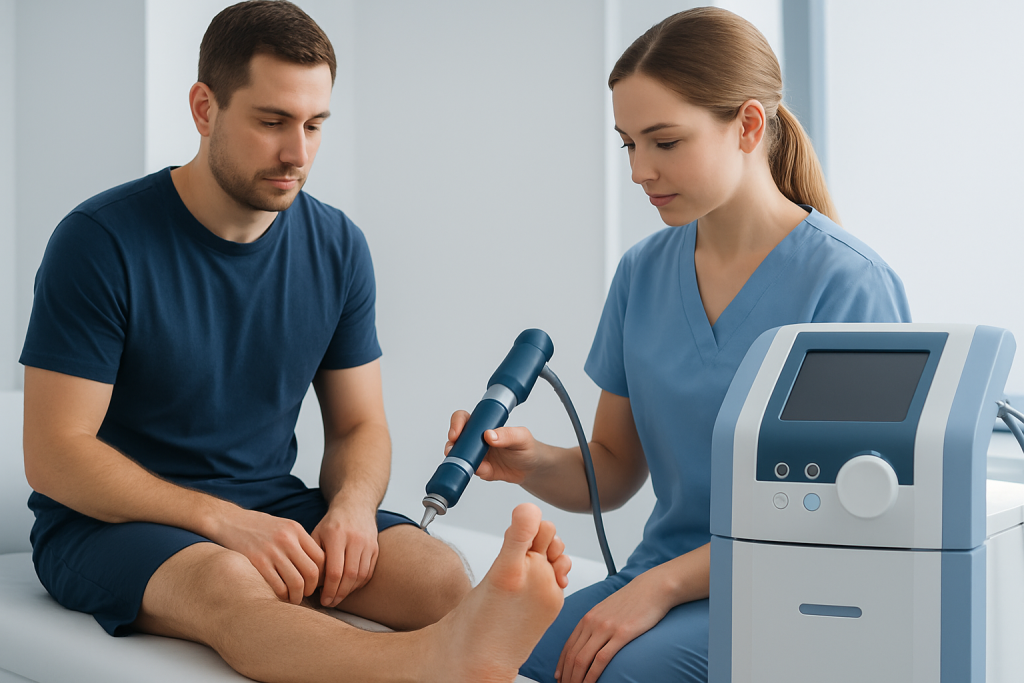
The classic symptom is sharp or aching pain near the inside of the heel, especially with the first steps after rest. The pain may ease a little after walking for a while, then return after long periods of standing, climbing stairs, or finishing a workout.
Some people notice tenderness when pressing on the bottom of the heel or along the arch. Others describe stiffness in the foot and calf, particularly in the morning or after sitting for a long time. In more persistent cases, pain may appear after activity rather than only at the start of the day.
Not every heel pain pattern is the same, which is why the symptom picture matters. Pain that is numb, burning, sudden after an injury, or associated with swelling may point to another condition and should be evaluated rather than assumed to be plantar fasciitis.
Causes & Risk Factors
Plantar fasciitis usually reflects repeated overload rather than a single event. Long periods of standing, increased walking, running on hard surfaces, and sudden changes in activity can all irritate the tissue. Tight calf muscles can also increase tension through the heel and arch.
Certain factors may make the condition more likely. These include foot structure differences such as flat feet or a very high arch, footwear with poor support, reduced ankle flexibility, and activities that involve repetitive impact. Weight gain can add stress to the foot as well, although the condition can occur in people of many body types and activity levels.
- Prolonged standing at work
- Sudden increase in walking or running
- Tight calf or Achilles tendon
- Unsupportive or worn-out shoes
- Foot mechanics that increase strain on the arch
Understanding the driver matters because exercises are most effective when they target the source of the strain, not only the symptoms. A clinician or physiotherapist can help identify whether flexibility, strength, load management, or footwear is playing the biggest role.
Diagnosis
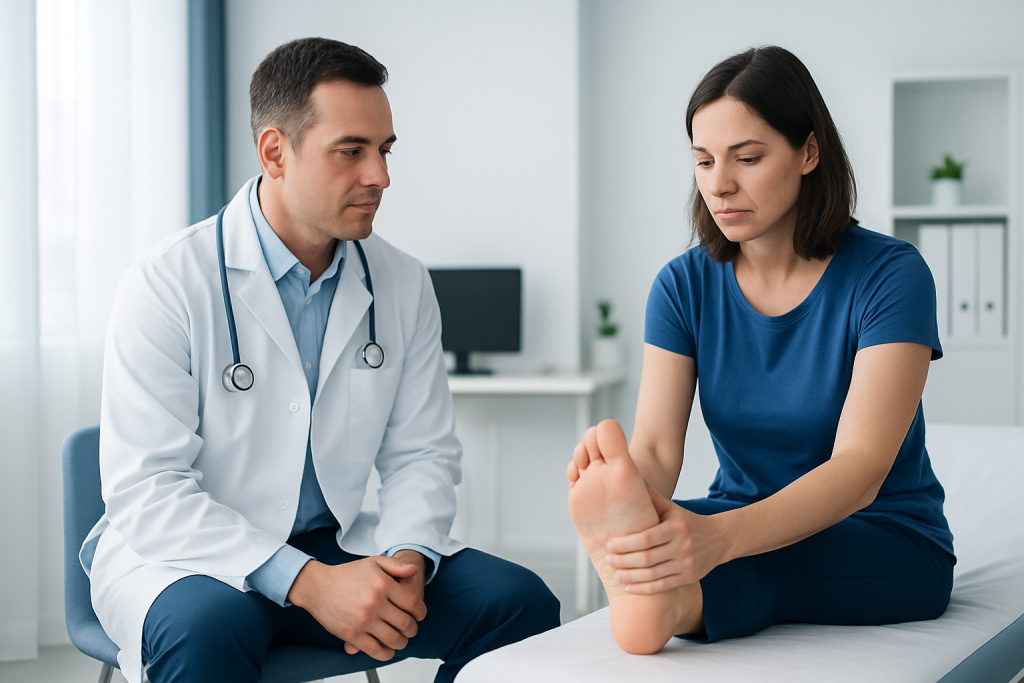
Plantar fasciitis is usually diagnosed through a clinical history and physical examination. A doctor asks where the pain is located, when it appears, what activities make it worse, and whether the symptoms began gradually or after a particular change in routine.
During the examination, the clinician may press along the heel and arch, assess ankle flexibility, and look at how the foot moves during standing and walking. In many cases, no imaging is needed. Tests may be ordered if the symptoms are unusual, severe, long-lasting, or suggest another problem such as a stress fracture, nerve issue, or inflammatory condition.
For patients seeking care abroad, a clear diagnosis is particularly helpful because it guides a realistic home program before travel, after treatment, or during rehabilitation at the hotel or at home. A well-explained diagnosis also prevents unnecessary exercises that could aggravate a different foot problem.
Treatment Options
Exercise is usually part of a broader plan rather than a stand-alone fix. Treatment commonly includes relative rest, better footwear, temporary use of orthotics or arch support, ice after activity, and a gradual return to loading the foot. A physiotherapist may add manual techniques and a tailored strengthening plan.
Useful plantar fasciitis exercises often fall into three groups: stretching, strengthening, and foot mobility work. Stretching can reduce the tight pull from the calf and fascia. Strengthening helps the foot and lower leg share load more efficiently. Mobility drills can improve how the ankle and toes move during the step cycle.
Examples include a plantar fascia stretch by pulling the toes gently back, a calf stretch against a wall, heel raises, towel curls, and short-foot exercises that activate the arch. These should be introduced gradually and should feel like controlled effort, not sharp pain. If symptoms worsen after a new exercise, the plan may need adjusting.
- Plantar fascia stretch: often done before standing in the morning
- Calf stretch: helps reduce tension through the heel
- Heel raises: build lower-leg support for walking
- Short-foot exercise: encourages arch stability
- Towel scrunches or toe curls: engage small foot muscles
In some cases, additional treatments are considered if exercise and conservative care are not enough. These may include night splints, shockwave therapy, or other medical options recommended by a specialist. Surgery is rarely needed and is usually reserved for persistent cases that have not improved with structured non-surgical care.
Prevention & Self-care
Consistency is more important than intensity. A short daily routine often works better than an occasional long session, especially when the foot is sensitive. Many patients benefit from doing gentle stretching before taking the first steps in the morning and repeating a few exercises later in the day.
Footwear matters as much as exercise. Shoes with a supportive heel counter, cushioned sole, and adequate arch support may reduce strain during recovery. It is also wise to avoid sudden increases in running, jumping, or long-distance walking until symptoms settle. If the person must stand for work, short sitting breaks and supportive insoles can ease the load.
Helpful self-care habits include using ice after heavier activity, gradually increasing walking time, and paying attention to how the foot feels the next morning. Mild discomfort during exercise can be acceptable, but pain that is clearly worsening or lingering for hours afterward suggests the workload may be too high.
When traveling for treatment, patients can keep a small routine on paper or in a phone note so the exercises remain consistent across time zones and schedules. If a specialist recommends follow-up abroad, bringing a simple record of symptoms, shoe changes, and activity levels can make the next visit more productive.
When to See a Doctor
Medical evaluation is sensible if heel pain lasts more than a few weeks, keeps returning, or interferes with daily walking. A doctor should also be consulted if the pain is severe enough to change gait, if it follows an injury, or if there is swelling, redness, numbness, or fever.
It is especially important to seek assessment if home exercises do not help after a reasonable trial, or if the pain pattern does not fit typical plantar fasciitis. Some conditions can feel similar at first but need different treatment, so an accurate diagnosis protects both recovery and activity plans.
Patients who are considering care away from home may find it useful to see a rehabilitation or orthopedics specialist before the trip, particularly if they need confirmation of the diagnosis or a structured plan they can continue abroad. Acibadem Health Point’s multidisciplinary specialists and JCI-accredited hospitals diagnose and treat this condition for international patients, with rehabilitation guidance that can continue after the visit.
Living Well During Recovery
Recovery from plantar fasciitis is often gradual, and that is normal. Many people improve when they combine the right exercises with patience, footwear changes, and a realistic pace of activity. The goal is not to force the foot through pain, but to restore its tolerance step by step.
Tracking symptoms can be useful. Noting when the heel hurts, which shoes were worn, how long the person stood, and which exercises were done helps identify patterns. That information can support a follow-up visit with a clinician or physiotherapist, whether the patient is at home or managing care across borders.
With the right plan, most people can stay active while healing. The emphasis is usually on small, steady gains: less morning stiffness, easier walking, and a return to normal routines without needing to think about every step.
Frequently asked questions
01Do plantar fasciitis exercises help right away?
They may provide some short-term relief, but the bigger benefit usually comes with regular practice over several weeks. Stretching can ease morning stiffness, while strengthening helps the foot tolerate daily load more gradually. Consistency matters more than doing a large amount at once.
02Which exercise is best for plantar fasciitis?
There is no single best exercise for everyone. Many people benefit from a combination of plantar fascia stretching, calf stretching, and gentle strengthening of the foot and lower leg. A physiotherapist can tailor the routine to the person’s pain pattern and flexibility.
03Should exercises be painful?
A mild stretching sensation or light muscle effort is usually acceptable, but sharp or increasing pain is not. If symptoms flare significantly after exercise or remain worse for the rest of the day, the routine may be too intense. The plan should be adjusted rather than pushed through.
04Can plantar fasciitis heal without medical treatment?
Some cases improve with self-care, supportive footwear, and exercise, especially when the load on the foot is reduced early. However, persistent pain should be assessed to confirm the diagnosis and rule out other causes. A clinician can also help create a safer recovery plan.
05Is walking good or bad for plantar fasciitis?
Walking is not always harmful, but too much walking too soon can keep the tissue irritated. The usual approach is to keep activity at a level that does not cause a major symptom flare the next day. Supportive shoes and a gradual increase in distance are often helpful.
06When should someone stop doing heel exercises and get checked?
They should seek evaluation if pain becomes severe, changes character, or is linked with swelling, numbness, or injury. It is also wise to get checked if several weeks of exercise and self-care do not lead to improvement. A doctor can confirm whether the problem is truly plantar fasciitis.
This article is for general information only and is not a substitute for professional medical advice. Please consult a qualified doctor about your individual situation.
Explore treatments in Turkey — costs, top hospitals & a free quote
JCI-accredited · board-certified surgeons · reply within 24h
Add us as a Preferred Source to see more of our trusted health content across Google Search, AI Overviews and Discover.



How can we help you today?
Meet an Acibadem specialist by secure video, before you travel.
Book a video visit