Piles: Symptoms, Causes and Treatment

Key Takeaways
- Piles are common and usually treatable with a combination of lifestyle changes and medical care.
- Bright red bleeding, itching, pain, or a lump near the anus may be signs of piles, but similar symptoms can have other causes.
- Constipation, straining, pregnancy, and prolonged sitting can increase the risk of developing piles.
- Diagnosis is usually based on a medical history and examination; some people need additional tests to rule out other conditions.
- High-fiber habits, good hydration, and avoiding straining can help both relieve symptoms and reduce recurrence.
Piles, also called hemorrhoids, are swollen veins in the rectum or around the anus that can cause discomfort, itching, bleeding, or a feeling of pressure. Most cases can be managed with conservative care, though persistent or severe symptoms should be assessed by a doctor.
Overview
Piles, known medically as hemorrhoids, are enlarged blood vessels in the lower rectum or around the anus. They can remain quiet for long periods, then become noticeable when pressure rises in the area or bowel habits change.
For many people, piles are more of an irritation than a serious illness. Even so, the symptoms can be disruptive, especially when there is bleeding, soreness, or a constant sense of not fully emptying the bowel. Because the same symptoms can also appear with other digestive or anal conditions, it is sensible to have new or ongoing symptoms checked by a qualified doctor.
In international-patient care, piles are often evaluated after travel plans are already underway or after self-treatment has not brought enough relief. A clear diagnosis matters, because not every case needs the same approach and some people benefit from a short, focused assessment before deciding on treatment.
Symptoms
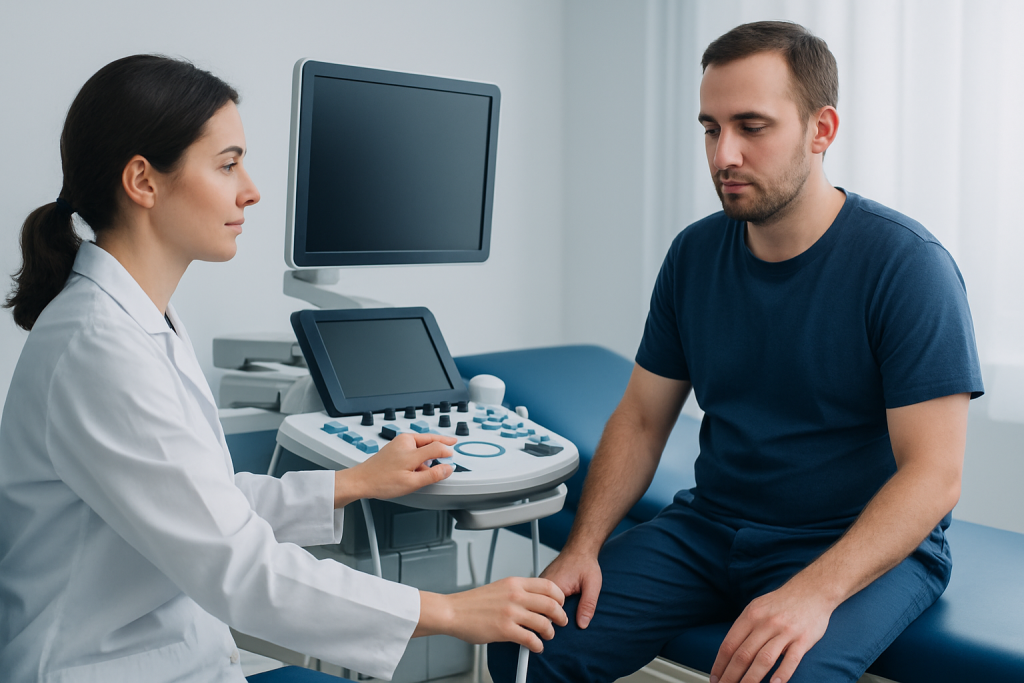
The most common clue is bright red blood on toilet paper, on the stool surface, or in the toilet bowl after a bowel movement. Some people also notice itching, burning, discomfort when sitting, or a small lump around the anus.
Symptoms vary depending on whether the piles are internal or external. Internal piles may cause painless bleeding or a feeling of fullness, while external piles are more likely to be tender, swollen, or painful if a clot forms inside them.
People sometimes describe a pattern rather than a single symptom: constipation followed by straining, a flare of pain or bleeding, and then a quieter period. That pattern can be typical of piles, but it should still be evaluated if it is new, frequent, or worsening.
- Bright red rectal bleeding
- Anal itching or irritation
- Pain or soreness during bowel movements
- A swelling or lump near the anus
- Mucus discharge or a feeling of incomplete emptying
Causes & Risk Factors
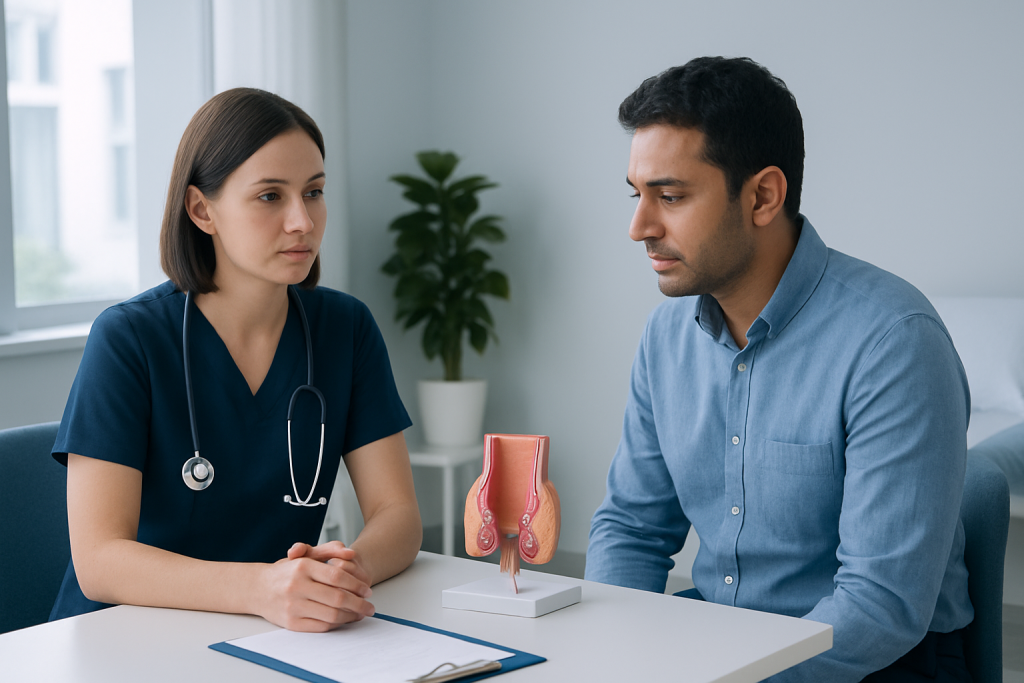
Piles develop when pressure builds in the veins around the rectum and anus. Over time, that pressure can make the veins swell, stretch, and become more likely to bleed or prolapse.
Constipation and repeated straining are among the most common contributors. Long periods of sitting on the toilet, chronic diarrhea, heavy lifting, pregnancy, and a low-fiber diet can also increase the risk. With age, the supportive tissues in the anal canal may weaken, making symptoms more likely.
Some risk factors are related to daily habits and others to life circumstances that are harder to control. A long-haul flight, reduced mobility after surgery, or a change in routine while traveling may all make bowel habits less regular, which can set off symptoms in someone already prone to piles.
- Straining during bowel movements
- Chronic constipation or diarrhea
- Low dietary fiber and low fluid intake
- Pregnancy and childbirth
- Prolonged sitting, including on the toilet
- Obesity or frequent heavy lifting
Diagnosis
Diagnosis usually begins with a conversation about symptoms, bowel habits, diet, and any history of bleeding. A doctor may ask how long the problem has been present, whether there is pain, and whether the bleeding is associated with constipation or a change in stool pattern.
A physical examination is often enough to identify external piles. If internal piles are suspected, the doctor may perform a gentle rectal examination or use a short instrument to look inside the anal canal. These tests are generally quick and can be done in an outpatient setting.
Sometimes additional testing is needed, especially when bleeding is recurrent, the diagnosis is uncertain, or there are warning signs such as weight loss, anemia, or a change in bowel habits. This step is important because rectal bleeding should not automatically be assumed to come from piles.
Treatment Options
Treatment depends on symptom severity and whether the piles are internal, external, or thrombosed. Mild cases often improve with conservative measures such as increasing fiber, drinking more water, and avoiding straining during bowel movements.
Doctors may recommend stool-softening strategies, topical creams, suppositories, or pain relief options when appropriate. These can help calm irritation, but they do not replace the habits that reduce pressure in the area. A warm sitz bath may also ease discomfort for some people.
When symptoms persist or bleeding continues, minimally invasive procedures may be considered. These can include rubber band ligation, sclerotherapy, or infrared coagulation for selected internal piles. In more advanced or recurrent cases, surgery may be discussed. The right choice depends on the type of pile, the severity of symptoms, and the person’s overall health.
- Dietary fiber and hydration
- Topical or oral symptom relief recommended by a doctor
- Office-based procedures for persistent internal piles
- Surgery for severe, prolapsing, or recurrent disease
Prevention & Self-care
Prevention is often centered on protecting the bowel from repeated strain. A fiber-rich diet with vegetables, fruits, legumes, and whole grains can make stools softer and easier to pass. When fiber intake changes, it is usually best to increase it gradually and pair it with enough fluids.
Regular movement also helps. Walking, gentle exercise, and responding promptly to the urge to have a bowel movement can all support healthy bowel habits. It is equally helpful to limit time on the toilet, avoid sitting and pushing without result, and use good bathroom posture when possible.
For people managing symptoms while traveling, small routines can make a meaningful difference: carrying a water bottle, choosing fiber-friendly meals when available, and maintaining a bowel schedule can reduce setbacks. These practical steps are simple, but they often matter more than one-off remedies.
- Increase fiber gradually to reduce bloating
- Drink enough fluids throughout the day
- Avoid prolonged straining or sitting on the toilet
- Stay physically active when possible
- Manage constipation early rather than waiting for a flare
When to See a Doctor
Medical review is advisable if rectal bleeding is new, repeated, or mixed with dizziness, weakness, or signs of anemia. It is also important to seek care if pain is significant, a lump becomes very tender, or symptoms do not improve with sensible self-care.
A doctor should also evaluate any change in bowel habits, unexplained weight loss, black stools, or bleeding that occurs without the usual pattern of piles. These features may point to another condition that needs attention.
For people planning treatment from abroad, a consultation can help determine whether a procedure is necessary now or whether conservative care is enough for the moment. Acibadem Health Point’s multidisciplinary specialists and JCI-accredited hospitals diagnose and treat piles for international patients with a careful, coordinated approach.
Frequently asked questions
01Are piles the same as hemorrhoids?
Yes. Piles is the common term, while hemorrhoids is the medical term. Both refer to swollen veins in and around the rectum and anus.
02Can piles go away on their own?
Mild symptoms may settle, especially if constipation and straining are corrected. However, recurring bleeding or pain should still be assessed by a doctor.
03Is bleeding always caused by piles?
No. While piles are a common cause of bright red rectal bleeding, other conditions can cause similar symptoms. Any new or repeated bleeding deserves medical evaluation.
04What foods help with piles?
High-fiber foods such as fruits, vegetables, beans, lentils, and whole grains can help soften stools. Drinking enough water is also important so fiber works well.
05Do piles always need surgery?
No. Many people improve with lifestyle changes and simple medical treatment. Procedures or surgery are usually reserved for cases that are persistent, severe, or repeatedly symptomatic.
06Can long flights or travel make piles worse?
They can contribute by reducing movement, changing eating habits, or making bowel movements irregular. Staying hydrated, moving regularly, and maintaining fiber intake can help lower the chance of a flare.
This article is for general information only and is not a substitute for professional medical advice. Please consult a qualified doctor about your individual situation.
Persistent digestive symptoms? Get evaluated in Turkey
JCI-accredited · board-certified surgeons · reply within 24h
Add us as a Preferred Source to see more of our trusted health content across Google Search, AI Overviews and Discover.