Polypectomy: Procedure, Recovery and Risks

Key Takeaways
- Polypectomy removes abnormal tissue growths called polyps, commonly from the colon or rectum.
- Many polyps cause no symptoms, so they are often found during screening tests.
- Removing polyps can reduce the risk of some cancers, especially in the digestive tract.
- Recovery is usually straightforward, but follow-up instructions after the procedure matter.
- People with a history of polyps may need repeat surveillance at intervals set by a doctor.
Polypectomy is a procedure used to remove polyps, most often during colonoscopy, so they can be checked and treated before they cause problems. For many people, it is a routine step in digestive care that supports both symptom relief and cancer prevention.
Overview
Polypectomy is the medical removal of a polyp, which is a small growth that can develop on the lining of the colon, rectum, stomach, nose, uterus, or other body surfaces. In everyday practice, the term most often refers to colon polypectomy, where a polyp is removed during colonoscopy and sent for laboratory examination.
The procedure matters because not all polyps are harmless in the same way. Some are completely benign, while others may gradually change over time. Removing them allows doctors to treat the finding immediately and to learn more about the tissue under a microscope, which helps guide future care.
For international patients, polypectomy is often part of a broader digestive-health journey: a screening test done abroad, a second opinion after an abnormal scan, or a planned procedure during a short medical trip. The exact approach depends on the polyp’s size, location, shape, and whether the person has other health conditions or uses blood-thinning medicines.
Symptoms
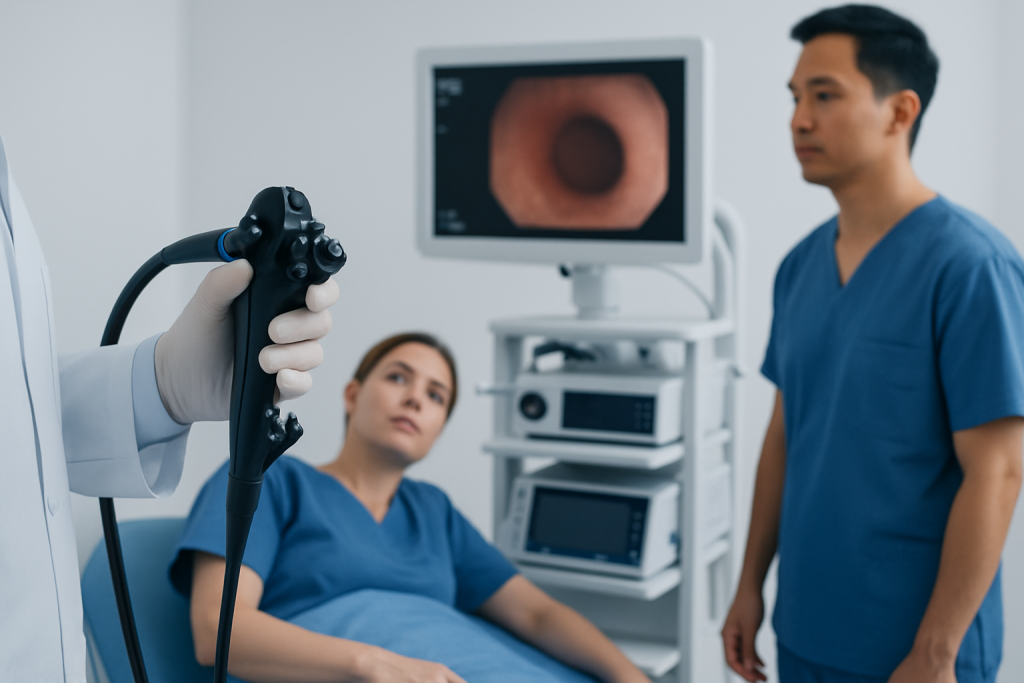
Many polyps do not cause any symptoms at all, which is one reason screening is so important. A person may feel completely well and still have a polyp that is only discovered during a routine colonoscopy or another examination.
When symptoms do occur, they often depend on the polyp’s location and size. In the colon and rectum, possible signs can include rectal bleeding, blood mixed with stool, changes in bowel habits, mucus in the stool, abdominal discomfort, or anemia-related fatigue if bleeding has been ongoing.
Polyps in other areas may lead to different complaints. Nasal polyps can cause congestion or reduced sense of smell, while uterine polyps may be linked with irregular bleeding. Symptoms do not confirm a polyp on their own, so medical evaluation is needed to identify the cause.
Causes & Risk Factors
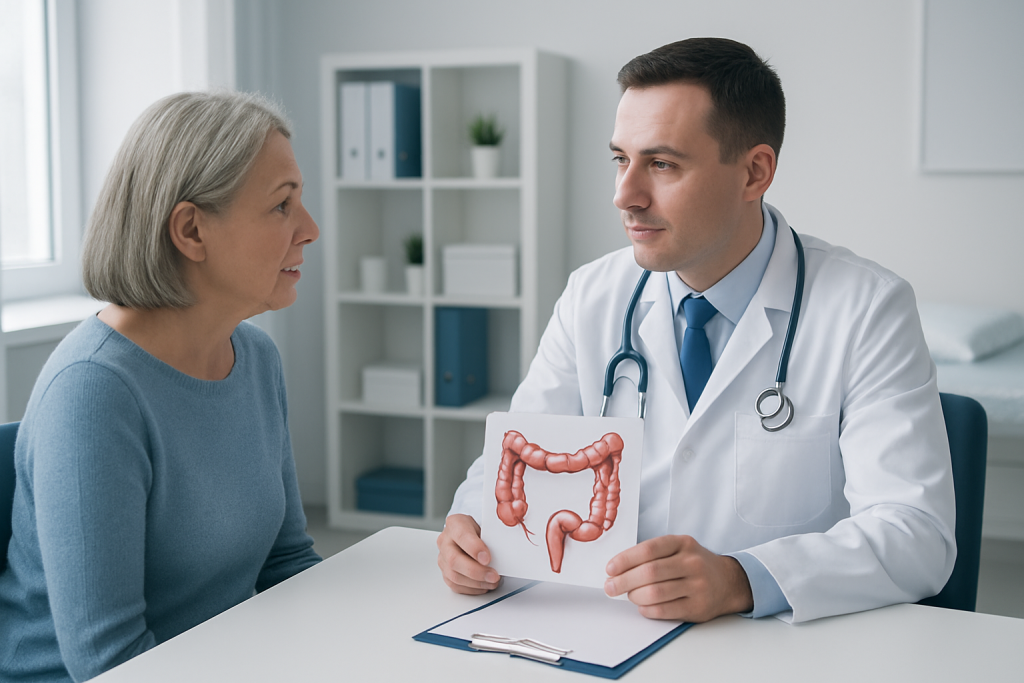
Polyps form when cells grow in an unusual way on a mucosal surface. In the colon, this can happen for several reasons, and not every polyp follows the same biological pattern. Some are linked to chronic irritation or inflammation, while others are related to inherited traits or age-related changes in the tissue.
Risk is generally higher in people who are older, have a personal or family history of polyps or colorectal cancer, or have certain inherited conditions. Long-term Ulcerative Colitis, and Flares" class="ahp-ilk">inflammatory bowel disease, such as ulcerative colitis or Crohn’s disease affecting the colon, can also raise the chance of developing polyps or abnormal tissue.
Other factors may contribute indirectly, including smoking, obesity, low physical activity, and a diet low in fiber and high in processed foods. These factors do not guarantee that polyps will appear, but they are part of the overall picture doctors consider when discussing screening and follow-up.
Diagnosis
In many cases, diagnosis begins with screening rather than symptoms. Colonoscopy is the most common test because it allows the doctor to see the lining of the colon directly, identify a polyp, and often remove it in the same session. Other tests may include sigmoidoscopy, stool-based screening, CT colonography, or targeted imaging depending on the situation.
If a polyp is found, the next step is usually tissue analysis. The removed specimen is examined by a pathologist to determine the type of polyp and whether there are any precancerous or cancerous changes. This information is essential because it influences how often follow-up exams are needed.
Before the procedure, doctors also review the person’s medications, bleeding risk, allergies, and medical history. For someone traveling for care, this review is especially useful because it helps the team plan the procedure, recovery time, and timing of return travel with fewer surprises.
Treatment Options
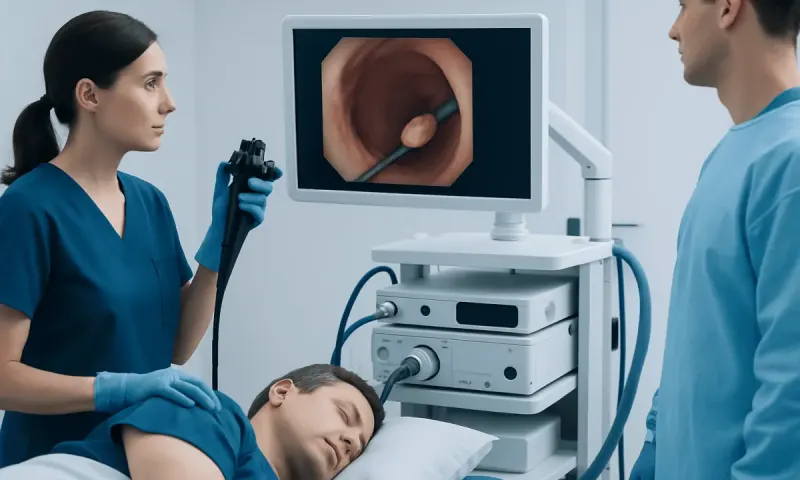
Polypectomy is usually performed during an endoscopic procedure. Through a flexible tube with a camera, the doctor can reach the polyp and remove it using specialized tools. Common methods include a snare, biopsy forceps, or techniques that use a small amount of electrical current to separate the tissue safely.
Most polyps are removed through the digestive tract without open surgery. However, larger or more complex polyps may need advanced endoscopic techniques, and rarely a surgical approach is considered if the growth is difficult to access or if cancer is suspected. The best method depends on the polyp’s characteristics and the overall health of the person.
After removal, patients usually receive instructions about eating, activity, medications, and warning signs to watch for. If pathology shows a precancerous change, the doctor may recommend a tailored surveillance plan. This follow-up is a key part of treatment because it helps detect new polyps early, when they are easier to manage.
Prevention & Self-care
Not every polyp can be prevented, but healthy habits may support overall colon health and lower risk in some people. A balanced diet rich in fruits, vegetables, and fiber, regular physical activity, avoiding smoking, and limiting alcohol are sensible long-term steps.
Screening is one of the most practical forms of prevention because it can find polyps before they become a larger problem. People with family history or previous polyps may need screening sooner or more often than the general population, so personalized guidance from a doctor is important.
After a polypectomy, self-care is usually simple but still worth following carefully. Rest, hydration, and temporary changes in diet may be advised depending on the procedure, and people should ask when they can resume normal medications, exercise, and travel. If care is received in another country, a clear written plan for follow-up and pathology results can make recovery smoother.
When to See a Doctor
Medical advice should be sought if there is rectal bleeding, persistent change in bowel habits, unexplained anemia, ongoing abdominal pain, or any new digestive symptom that does not settle. These symptoms do not always mean a polyp is present, but they deserve evaluation.
Anyone who has already had polyps removed should keep follow-up appointments, even if they feel well. Surveillance colonoscopy may be needed based on the type, number, and size of the polyps found, and missing these checks can delay detection of new growths.
After a polypectomy, urgent medical attention is needed for heavy bleeding, severe abdominal pain, fever, dizziness, or black stools, because these may signal a complication. For international patients, it is wise to know in advance how to reach the treating team after returning home and what symptoms should prompt local emergency care.
Acibadem Health Point’s multidisciplinary specialists and JCI-accredited hospitals can diagnose and treat polyp-related conditions for international patients, with coordinated support across evaluation, procedure, and follow-up.
Frequently asked questions
01Is a polypectomy the same as a colonoscopy?
No. A colonoscopy is the examination used to view the colon, while polypectomy is the removal of a polyp that is found during that exam. In many cases, both happen during the same visit.
02Does every polyp need to be removed?
Most polyps found in the colon are removed when it is safe to do so, because tissue analysis is important and some polyps can change over time. The doctor decides based on size, location, appearance, and the person’s overall health.
03Is polypectomy painful?
The procedure is usually done with sedation or anesthesia, so discomfort is generally limited. Some people feel mild bloating or cramping afterward, which often improves within a short time.
04How long does recovery take after polyp removal?
Recovery is often quick, especially after a routine endoscopic polypectomy. The exact timing depends on the size of the polyp, the technique used, and whether any bleeding or other issues need observation.
05Can a polyp come back after removal?
Yes, new polyps can develop later even after a successful removal. That is why doctors recommend surveillance based on the pathology results and the person’s risk factors.
06Will the biopsy result always be normal?
Not always. Many polyps are benign, but some show precancerous changes, which is why the laboratory report is such an important part of care. The result helps the doctor decide on the next steps and the follow-up schedule.
This article is for general information only and is not a substitute for professional medical advice. Please consult a qualified doctor about your individual situation.
Persistent digestive symptoms? Get evaluated in Turkey
JCI-accredited · board-certified surgeons · reply within 24h
Add us as a Preferred Source to see more of our trusted health content across Google Search, AI Overviews and Discover.