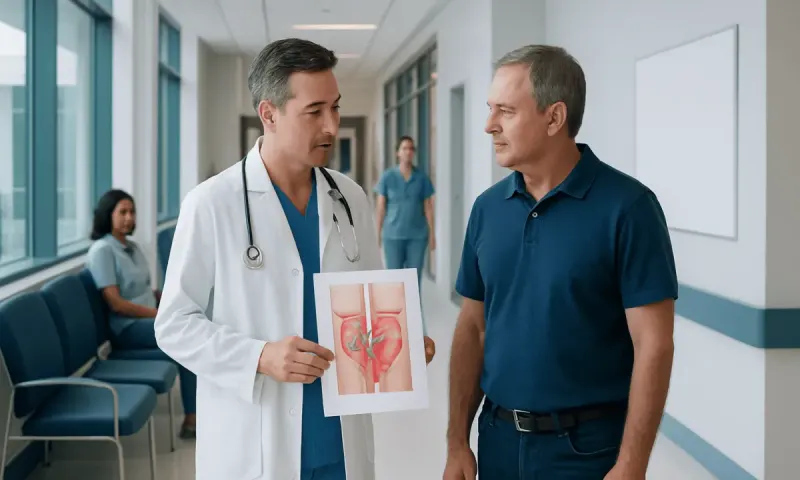
What Causes Hernia? Risk Factors Explained
Hernias develop when an organ or fatty tissue pushes through a weak spot in the surrounding muscle or connective tissue. Most result from a combination of an existing weakness and repeated pressure inside the abdomen, rather than from one event alone.
Overview: What Causes a Hernia?
Hernia causes usually involve two factors: a weak area in muscle or connective tissue and pressure that pushes internal tissue against that weak point. The pressure may build gradually through everyday activities or occur more suddenly during intense straining. A hernia is not always caused by lifting something heavy, although lifting can contribute when a weakness is already present.
Many hernias occur in the abdomen or groin. They can involve a loop of intestine, fatty tissue, or other abdominal contents pushing outward beneath the skin. Common types include inguinal hernias in the groin, femoral hernias in the upper thigh or groin, umbilical hernias around the navel, and incisional hernias at the site of a previous abdominal operation.
A hernia may appear as a visible or felt bulge that becomes more noticeable when standing, coughing, laughing, or straining. Some hernias cause aching, pressure, or burning discomfort, while others cause little or no pain. A medical assessment helps identify the type of hernia and determine whether monitoring or repair is appropriate.
How Weak Areas Develop
The abdominal wall is made of layers of muscle, fascia, and other connective tissues that support internal organs. A hernia can develop when these layers do not close fully, become thinner, or lose strength. In some people, the weakness is congenital, meaning it was present at birth. In others, it develops over time.
Natural aging can reduce the strength and elasticity of connective tissue. Previous surgery can also leave an area of the abdominal wall more vulnerable, particularly if healing is affected by infection, poor nutrition, smoking, or ongoing strain. This is why an incisional hernia may develop months or even years after an operation.
Inguinal hernias are especially common because the groin contains natural passageways in the abdominal wall. In men, this includes the inguinal canal, through which the spermatic cord travels. For an overview of the condition and its common forms, see hernia information.
Pressure-Related Hernia Risk Factors

Increased pressure inside the abdomen does not necessarily cause a hernia on its own, but it can make an existing weak area more likely to open or enlarge. Recurrent or prolonged strain is generally more important than a single brief episode. The risk may be higher when several factors occur together.
Factors that may increase abdominal pressure include chronic cough, repeated sneezing, constipation with straining during bowel movements, difficulty urinating because of prostate enlargement, persistent vomiting, and frequent heavy lifting. Pregnancy stretches the abdominal wall and increases abdominal pressure, which can make an existing weakness more noticeable.
- Overweight or obesity, which can place continuing pressure on the abdominal wall
- Long-term coughing related to smoking or lung disease
- Jobs or activities involving repetitive lifting or intense straining
- Fluid buildup in the abdomen, known as ascites
- Inadequate recovery before returning to strenuous activity after abdominal surgery
These factors do not mean a person will definitely develop a hernia. They are useful to recognize because managing them, where possible, may help reduce discomfort and lower the chance that a hernia becomes larger.
Who Is More Likely to Develop a Hernia?
Hernias can affect people of any age and sex, including infants and children. The likelihood depends partly on the hernia type. For example, inguinal hernias are more common in men, while femoral hernias are more common in women. Umbilical hernias may be seen in babies and can also occur in adults, particularly after pregnancy or with increased abdominal pressure.
A family history of hernias may suggest inherited differences in connective-tissue strength. Conditions that affect collagen or connective tissue can also raise risk, although these are uncommon. Premature birth is a risk factor for certain childhood hernias because normal developmental closure of abdominal openings may be incomplete.
People who smoke, have poorly controlled diabetes, have nutritional deficiencies, or use medicines that affect wound healing may have a greater risk of problems following surgery and may be more prone to incisional hernias. A clinician can consider these individual factors when discussing prevention, monitoring, or treatment.
Symptoms and Diagnosis
A hernia often causes a lump or bulge in the groin, abdomen, or near a previous surgical scar. The bulge may become more obvious with coughing, standing, lifting, or straining, and may reduce or disappear when lying down. Some people notice a dragging sensation, localized pressure, or discomfort during physical activity.
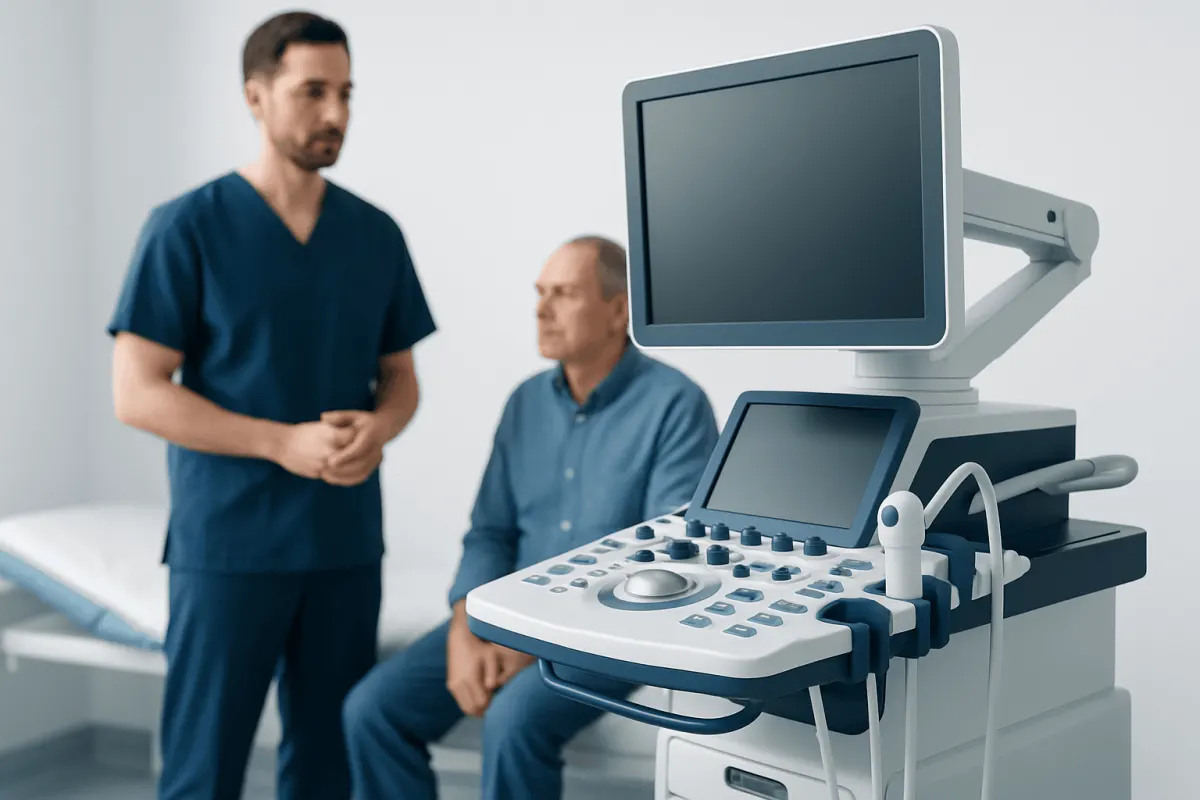
Diagnosis commonly begins with a medical history and physical examination. The clinician may examine the area while the person stands, coughs, or performs a gentle strain. Imaging is not always necessary, but ultrasound, CT, or MRI may be used when the diagnosis is uncertain, the hernia is difficult to detect on examination, or surgical planning requires more detail.
A hernia should not be self-diagnosed from a bulge alone. Enlarged lymph nodes, cysts, swollen blood vessels, and other conditions can sometimes resemble a hernia. Prompt assessment is especially important if a previously painless bulge becomes painful, swollen, or difficult to reduce.
Treatment Options and Hernia Repair
Management depends on the hernia type, size, symptoms, overall health, and risk of complications. Small hernias that are not causing symptoms may sometimes be monitored with medical guidance. However, hernias do not usually heal on their own in adults, and a growing or symptomatic hernia may be recommended for surgical repair.
Hernia repair aims to return protruding tissue to its normal position and strengthen the weak area in the abdominal wall. This can be performed through open surgery or minimally invasive laparoscopic or robotic approaches in selected patients. Surgeons may use stitches alone or reinforce the repair with mesh, depending on the location and characteristics of the hernia.
During surgery, the patient receives an appropriate form of anesthesia, the surgeon accesses the hernia, checks the protruding tissue, repairs the defect, and closes the incision. The best approach is individualized after discussion of the hernia, prior operations, medical conditions, and personal circumstances. Further details about hernia surgery can help patients understand the treatment pathway.
The benefits of repair can include relief of symptoms, improved daily comfort, and reduced risk of certain complications. Possible risks include bleeding, infection, fluid collection, ongoing pain, recurrence, injury to nearby structures, anesthesia-related complications, and mesh-related concerns where mesh is used. A surgeon can explain the expected benefits and risks for the individual situation.
Recovery, Prevention and Self-Care
Recovery after hernia repair varies according to the hernia type, surgical method, size of the repair, and the person’s overall health. Many people are encouraged to walk soon after surgery and can gradually resume light daily activities. Return to work and more strenuous tasks may take days to weeks, and the surgical team provides tailored guidance about lifting, driving, wound care, and exercise.
Although not all hernias can be prevented, reducing avoidable strain may be helpful. Maintaining a weight that is appropriate for the individual, treating a persistent cough, avoiding smoking, eating enough fiber and fluids to prevent constipation, and using safe lifting technique can support abdominal health. People recovering from surgery should follow activity restrictions carefully to protect healing tissues.
A support garment or truss may occasionally be considered for temporary comfort in selected cases, but it does not repair the weakness and should not replace medical assessment. New pain, increasing size of a bulge, or changes in bowel habits should be discussed with a clinician rather than managed only with self-care.
When to Seek Medical Care
A person should arrange a non-urgent medical appointment for a new lump in the groin or abdomen, a bulge near a prior surgical scar, recurring discomfort with lifting or coughing, or a hernia that appears to be growing. Early assessment can clarify the diagnosis and support a planned, informed treatment decision.
Urgent medical care is needed if a hernia becomes suddenly very painful, firm, tender, discolored, or unable to be gently pushed back when it was previously reducible. Nausea, vomiting, fever, abdominal swelling, or inability to pass stool or gas alongside a painful bulge can indicate a possible obstruction or trapped tissue and should be evaluated promptly.
Acıbadem Health Point’s multidisciplinary specialists and JCI-accredited hospitals assess and treat hernias for international patients. A qualified surgeon can explain whether observation, lifestyle measures, or repair is most suitable based on the individual’s symptoms and health needs.
Frequently asked questions
01Can lifting heavy objects cause a hernia?
Heavy lifting can increase pressure inside the abdomen and may trigger symptoms or reveal a weak area that was already present. It is usually one contributing factor rather than the only cause. Using good lifting technique and avoiding lifting beyond one’s capacity may help reduce strain.
02Can a hernia happen without pain?
Yes. Some hernias cause only a painless bulge or a mild feeling of pressure. Even without pain, a new or enlarging bulge should be assessed by a healthcare professional to confirm the diagnosis and discuss follow-up.
03Do hernias heal without surgery?
In adults, the weakness in the abdominal wall usually does not close on its own. Some small, minimally symptomatic hernias can be monitored under medical supervision, but surgery is the only way to repair the defect. The need and timing of repair depend on the type of hernia and symptoms.
04Does coughing cause hernias?
A persistent cough can repeatedly raise pressure in the abdomen and may contribute to a hernia in someone with a vulnerable area in the abdominal wall. Treating the cause of a chronic cough and avoiding smoking can help reduce ongoing strain. A clinician should assess a cough that lasts or is accompanied by concerning symptoms.
05Can exercise make a hernia worse?
Activities that create strong abdominal strain can increase discomfort or make a hernia bulge more noticeable. Gentle walking and other activities may still be appropriate, but the right level of activity depends on symptoms and the hernia type. A clinician can advise which exercises and lifting limits are safe.
06What are signs of a trapped hernia?
Warning signs include sudden or worsening pain, a hard or tender bulge, inability to push the bulge back, skin color changes over the area, nausea, vomiting, fever, or difficulty passing stool or gas. These symptoms may indicate that tissue is trapped and needs urgent assessment. Emergency services or urgent care should be contacted promptly.
This article is for general information only and is not a substitute for professional medical advice. Please consult a qualified doctor about your individual situation.
Persistent digestive symptoms? Get evaluated in Turkey
JCI-accredited · board-certified surgeons · reply within 24h
Add us as a Preferred Source to see more of our trusted health content across Google Search, AI Overviews and Discover.