Phalloplasty Results: Appearance, Function, and Recovery
Phalloplasty results can include creation of a penis with an individualized appearance, the possibility of urinating while standing, and in some cases sexual sensation and penetrative function with an erectile implant. Outcomes depend on the surgical technique, personal anatomy, healing, treatment goals, and whether procedures are completed in stages.
Overview: what phalloplasty results may include
Phalloplasty results are individual and depend on what the person hopes to achieve. The operation creates a penis using tissue transferred from another area of the body, often the forearm or thigh. Some people prioritize a typical penile appearance, while others prioritize standing urination, tactile or erotic sensation, treatment of genital injury, or the option of penetrative sex.
Phalloplasty may be performed as gender-affirming surgery, after trauma, infection, cancer treatment, or for congenital differences. It is complex reconstructive surgery and is commonly completed in planned stages. A successful outcome is not defined by one feature alone: it includes safe healing, function appropriate to the person’s goals, comfort, and satisfaction with the result.
It is helpful to view results as a process. Early swelling, bruising, scars and altered sensation are expected during recovery. The final contour of the penis, scar maturation, urinary function and any later implant-related outcome can take many months to become clear.
How phalloplasty works and what affects the outcome
During phalloplasty, surgeons create a phallus from a flap of skin, fat, blood vessels and sometimes nerves taken from a donor area. Common approaches include a radial forearm free flap, which uses tissue from the forearm, and an anterolateral thigh flap, which uses tissue from the thigh. The most suitable option depends on body build, blood vessels, hair pattern, skin quality, previous surgery and personal preferences.
Microsurgery may be used to connect the flap’s small blood vessels to vessels in the groin. When sensation is a goal and anatomy permits, nerves from the flap can be connected to nerves in the genital area. Nerve recovery is gradual and varies widely; some people develop protective touch sensation and erotic sensation, while the amount and timing cannot be guaranteed.
Urethral lengthening can be performed when a person wishes to pass urine through the tip of the penis. This part of reconstruction has a meaningful risk of complications and may be completed separately or revised later. Scrotoplasty, testicular implants, glans shaping and other contouring procedures may also be considered according to the individual plan.
- Flap type and donor-site healing can influence appearance and scarring.
- Smoking or nicotine exposure, diabetes, circulation problems and some medications can affect wound healing.
- Previous pelvic, genital or abdominal surgery may affect surgical planning.
- Goals regarding urination, sensation, size, scrotal reconstruction and future implants guide the sequence of procedures.
Candidacy and planning for realistic goals

People considering phalloplasty undergo an individual medical and surgical assessment. The team reviews general health, blood flow, medical conditions, previous operations, medications, tobacco or nicotine use, and the condition of possible donor sites. Mental health support may be part of planning, particularly for gender-affirming care, to ensure that the person has informed support throughout a major treatment process.
Candidacy is based on safety as well as goals. A person may need to optimize diabetes control, nutrition, weight-related health risks, anemia or other conditions before surgery. Surgeons may advise stopping smoking, vaping and nicotine products well in advance, because nicotine can reduce blood flow and increase the risk of flap and wound complications.
During consultation, the person should discuss which outcomes matter most and which trade-offs feel acceptable. For example, a surgical approach that offers a particular shape or potential for sensation may create a more visible donor-site scar. A person who does not want urethral lengthening may have a shorter operation and avoid some urinary risks. Comprehensive discussion of phalloplasty surgery helps establish a plan based on informed preferences rather than a single expected result.
What happens during staged phalloplasty
The exact sequence differs by surgical technique and clinical needs. In the main operation, the surgical team creates the phallus and transfers it to the pubic region. If a free flap is used, vessels are connected under a microscope to maintain blood supply. The donor site is closed directly or covered with a skin graft when needed.
Depending on the plan, surgeons may create or extend the urethra, connect selected nerves, and perform scrotoplasty at the same time or at a later stage. A urinary catheter is usually left in place temporarily. Drains may also be used to remove fluid from the surgical area while early healing occurs.
Additional procedures may be considered after healing. These can include revisions to improve contour or scars, glansplasty to define the head of the penis, repair of a urinary complication, testicular implants, or placement of an erectile device. Erectile implant surgery is generally delayed until wounds have healed and the reconstructed tissues are stable.
There is no universal “best” sequence. The safest plan is one tailored to the person’s anatomy, desired functions and healing progress. The surgical team explains what can reasonably be done in one operation and what is better delayed.
Recovery timeline and changes over time
Recovery begins with close monitoring in hospital, especially after microsurgical flap transfer. Staff check blood flow to the flap, manage pain, support early movement when safe, and monitor the donor site and urinary drainage. Length of stay varies according to the operation, overall health and whether complications occur.
In the first several weeks, swelling, fatigue, tenderness and limited mobility are common. The person should follow instructions about wound care, showering, activity limits, compression garments if prescribed, and catheter care. Heavy lifting, strenuous exercise and sexual activity are usually restricted until the surgeon confirms that healing is adequate.
Urinary catheters may remain in place for a period determined by the urethral reconstruction. Before normal voiding is resumed, the team may assess healing with examination or imaging. If urethral lengthening was performed, it can take time to become comfortable with the new urinary stream; spraying, dribbling or difficulty emptying should be reported rather than managed alone.
Scars usually appear firm, red or darker in the early months and then slowly mature. Sensory changes evolve gradually because nerves heal slowly. Final assessment of appearance, sensation and any planned implant outcome often occurs after several months and sometimes after additional stages.
Benefits, limitations and possible risks
Potential benefits of phalloplasty include a reconstructed penis, improved alignment between a person’s body and gender identity where relevant, restoration after injury or disease, and options for standing urination or penetrative sex depending on the surgical plan. Many people also value the ability to choose clothing, intimacy and daily activities with greater comfort. These benefits are personal and should be considered alongside the demands of surgery and recovery.
As with any major surgery, risks include bleeding, infection, blood clots, anesthesia-related complications, delayed healing, wound separation, pain and unfavorable scarring. With flap surgery, reduced blood supply to part or all of the flap is an uncommon but urgent concern. Donor-site effects may include numbness, tightness, weakness, contour changes, skin-graft differences or noticeable scarring.
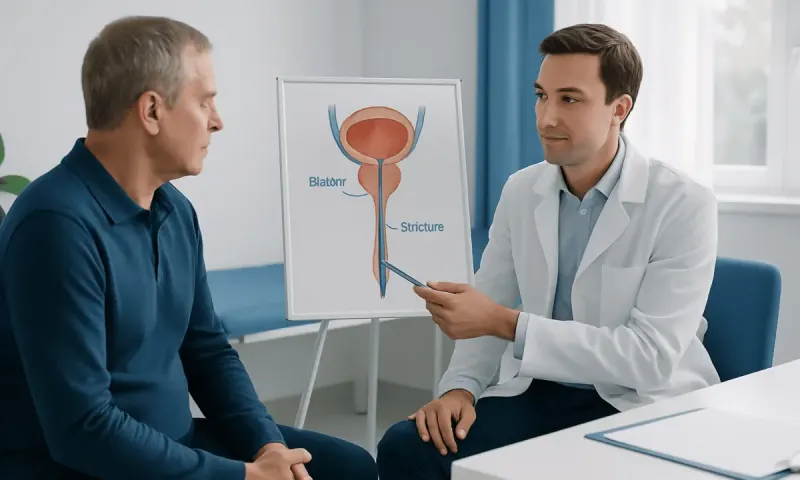
Urinary complications are among the more important phalloplasty-specific considerations when urethral lengthening is performed. A fistula is an unwanted connection that can cause urine leakage, while a stricture is narrowing of the urethra that can slow or block urine flow. Some resolve with time or minor treatment, but others require a further procedure.
An erectile implant can provide rigidity for penetration but has its own risks, including infection, mechanical problems, erosion and the need for removal or replacement. A surgeon can explain whether an implant is appropriate, when it may be considered, and how it may affect long-term care.
Protecting healing and supporting long-term results
Careful aftercare supports the best possible phalloplasty results. People should attend every follow-up visit, take medicines only as prescribed, and contact the surgical team promptly about new symptoms. Avoiding nicotine and following guidance on nutrition, hydration, movement and activity restriction can support blood flow and wound healing.
Keeping the genital and donor-site wounds clean and dry as instructed is important. Catheter and drain care should be performed exactly as taught. It is also wise to arrange practical support at home, especially during the first weeks, because mobility and self-care may be temporarily limited.
Emotional adjustment is also part of recovery. A person may experience relief, impatience, uncertainty or changes in body image while healing. Support from trusted family or friends, peer communities, and qualified mental health professionals can be helpful. The care team can direct patients to appropriate resources when needed.
For international patients, Acıbadem Health Point’s multidisciplinary specialists and JCI-accredited hospitals can assess and treat people considering or recovering from phalloplasty, with care coordinated across reconstructive surgery, urology and related services.
When to seek medical care
Urgent medical assessment is needed after phalloplasty for sudden or increasing swelling, severe pain not controlled by prescribed treatment, heavy bleeding, a rapidly changing color or temperature of the phallus, chest pain, shortness of breath, or new one-sided leg swelling. These symptoms may indicate complications that should not wait for a routine appointment.
The surgical team should also be contacted promptly for fever, chills, worsening redness, pus-like drainage, a bad odor from a wound, opening of the incision, problems with a catheter or drain, inability to pass urine after catheter removal, or significant urine leakage. Early review may prevent a problem from becoming more serious.
Longer-term concerns such as a weak urinary stream, recurrent urinary infections, persistent spraying, a new lump, painful scar tissue, reduced function of an implant or distress about healing should be discussed at follow-up. A reconstructive specialist can determine whether observation, medication, testing or revision surgery is appropriate.
Frequently asked questions
01What are realistic phalloplasty results?
Realistic phalloplasty results vary by surgical technique and personal goals. A reconstructed penis can have a natural-looking contour, and some people can achieve standing urination, sensation and penetrative function through later implant surgery. No procedure can promise a particular size, level of sensation or complication-free outcome.
02How long does it take to see final phalloplasty results?
Early healing takes weeks, but swelling and scar changes can continue for months. Nerve recovery and return of sensation may take many months or longer. If later stages such as contour revision or erectile implant placement are planned, the overall process can extend further.
03Can a person urinate standing after phalloplasty?
Standing urination may be possible if urethral lengthening is included and heals well. Not every person chooses this step, and urinary fistulas or strictures can affect the result. The surgical team can explain the benefits and additional risks based on the planned reconstruction.
04Does phalloplasty provide sensation?
Some sensation may develop when nerves are connected during surgery, but the degree of recovery differs among individuals. Protective touch sensation and erotic sensation can return gradually, although neither can be guaranteed. Existing genital sensation may be preserved depending on the procedures performed.
05Will phalloplasty allow penetrative sex?
The reconstructed penis does not become naturally erectile. Penetrative sex may be possible after healing if a suitable erectile implant is placed in a later operation. Implant surgery has additional risks and is not required for everyone.
06What are the most common complications after phalloplasty?
Possible complications include wound-healing problems, infection, bleeding, donor-site scarring and changes in sensation. When urethral lengthening is performed, urine leakage from a fistula and urethral narrowing are important potential complications. Some complications require additional procedures, while others can be managed with monitoring or less invasive care.
This article is for general information only and is not a substitute for professional medical advice. Please consult a qualified doctor about your individual situation.
Hair transplant in Turkey — costs, graft counts & a free assessment
JCI-accredited · board-certified surgeons · reply within 24h
Add us as a Preferred Source to see more of our trusted health content across Google Search, AI Overviews and Discover.