Can You Be Put to Sleep for a Vasectomy?
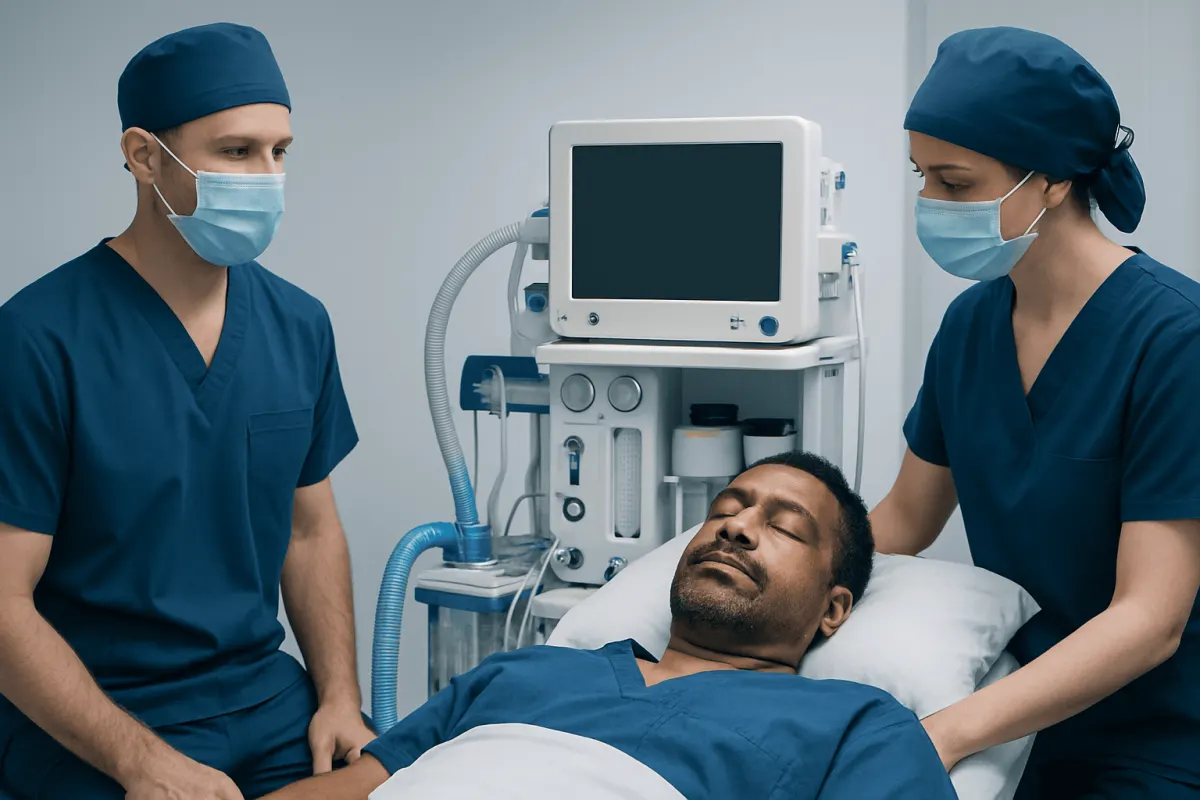
Most people do not need to be put to sleep for a vasectomy because the procedure is usually performed with local anaesthetic while they are awake. Sedation or general anaesthesia may be considered for severe anxiety, particular medical needs, or a more complex procedure, following discussion with the surgical and anaesthetic team.
Can you be put to sleep for a vasectomy?
Yes, it may be possible to be put to sleep for a vasectomy, but most vasectomies are done with local anaesthetic rather than general anaesthesia. Local anaesthetic numbs the skin and tissues around the vas deferens, the tubes that carry sperm. The patient stays awake but should not feel sharp pain during the procedure.
For people who are very anxious, cannot tolerate local anaesthetic, have certain medical or anatomical considerations, or are having a more involved operation, a clinician may discuss sedation or general anaesthesia. Being “put to sleep” usually means general anaesthesia, in which the patient is unconscious and does not remember the procedure. The most appropriate option depends on individual health, the planned technique, and the facilities available.
A vasectomy is a highly effective form of permanent contraception. It stops sperm from entering semen but does not remove the testicles, reduce testosterone, or usually affect erections, orgasm, or sexual desire. It does not work immediately, so another contraceptive method is needed until a follow-up semen test confirms that sperm are no longer present in a level considered safe for contraception.
How vasectomy works and who may be a candidate
During a vasectomy, a urologist identifies each vas deferens through the scrotal skin, divides it, and seals, ties, clips, or otherwise blocks the ends. Sperm continue to be made by the testicles, but the body naturally absorbs them. Semen is still produced by the prostate and seminal vesicles, so there is usually no noticeable change in the amount or appearance of ejaculate.
Vasectomy may suit an adult who is certain they do not want future biological children or do not want more children. It is intended as permanent contraception. Although vasectomy reversal may be possible in selected cases, it is more complex, does not guarantee pregnancy, and should not be viewed as a dependable backup plan for changing one’s mind.
Before proceeding, a clinician reviews medical history, medications, allergies, bleeding risk, previous scrotal surgery, and any symptoms such as pain, swelling, or infection. It is also important to discuss family-planning goals openly. A partner’s agreement is not medically required, but shared discussion can be helpful when appropriate.
- Vasectomy does not protect against sexually transmitted infections.
- Condoms remain important when STI protection is needed.
- Alternative contraception should be used until post-vasectomy semen testing confirms success.
Can I request to be put to sleep for a vasectomy?

Yes. A patient can request to be put to sleep for a vasectomy and should raise this early during the consultation. The doctor can explain whether local anaesthetic alone, oral anti-anxiety medicine, intravenous sedation, or general anaesthesia is clinically appropriate and available for the planned procedure.
Many people asking, “Can you opt to be put to sleep for a vasectomy?” are mainly concerned about anxiety or pain. Local anaesthetic is commonly sufficient, and avoiding general anaesthesia can mean a simpler recovery and fewer anaesthetic-related considerations. However, anxiety is valid and should be discussed without embarrassment; supportive measures and an anaesthesia plan can be tailored where possible.
General anaesthesia generally requires fasting beforehand, a responsible adult to take the patient home, and a longer period of observation after surgery. It also has risks that are not usually necessary for a short minor procedure, such as nausea, drowsiness, breathing complications, or rare medication reactions. The anaesthetist will assess individual health and explain the balance of benefits and risks.
In the UK and elsewhere, availability can vary between public and private services. Therefore, for people searching “can you be put to sleep for a vasectomy UK,” the practical answer is that it may be offered in selected circumstances, but it is not the standard approach for an uncomplicated vasectomy. The treating service can confirm local options.
Step by step: what happens during a vasectomy
On the day of the procedure, the patient may be asked to wear supportive underwear and follow instructions about food, drink, shaving, and medicines. Anyone having sedation or general anaesthesia must follow fasting instructions carefully and should arrange transport home. Blood-thinning medicines should never be stopped without advice from the clinician who prescribed them.
With local anaesthetic, the scrotal skin is cleaned and numbed. The numbing injection can briefly sting or burn. The clinician then makes one or two tiny openings, or uses a no-scalpel technique to create a small puncture. Each vas deferens is brought through the opening, divided, and sealed or blocked before being returned to its position.
The procedure often takes less than an hour, though timing varies. Patients are usually able to go home the same day. With general anaesthesia, the surgical steps are similar, but the patient is asleep and recovery staff monitor them until they are awake, comfortable, and safe to leave with an accompanying adult.
Afterward, a dressing, supportive underwear, and written aftercare instructions are provided. The doctor will explain when to provide a semen sample. Until the laboratory result confirms clearance, ejaculation can still contain sperm and pregnancy remains possible.
How painful is a vasectomy on a scale of 1-10?
Pain is personal, so no single number applies to everyone. Many patients describe the local anaesthetic injection as a brief discomfort, often around mild to moderate intensity, followed by pressure, pulling, or an occasional short ache during the procedure rather than severe pain. If sharp pain occurs, the patient should tell the clinician immediately so more local anaesthetic can be given.
For the question, “How painful is getting a vasectomy?”, the experience is usually more uncomfortable than painful when local anaesthetic is working well. Anxiety can make bodily sensations feel stronger, which is one reason it is helpful to discuss worries beforehand. Slow breathing, clear explanations, a support person where permitted, and suitable anxiety management may help.
After the anaesthetic wears off, mild aching, bruising, and swelling are common for several days. Rest, scrotal support, and simple pain relief recommended by a clinician are usually enough. Severe or worsening pain is not expected and should be assessed, particularly if it comes with fever, increasing redness, marked swelling, or discharge.
Recovery timeline, benefits, and possible risks
For the first 24 to 48 hours, patients are commonly advised to rest, use a wrapped cold pack intermittently, and wear close-fitting supportive underwear. Desk-based or light work may be possible after a few days, depending on comfort and the nature of the job. Heavy lifting, vigorous exercise, cycling, and sports are often postponed for about a week or as advised by the surgeon.
Sexual activity can usually resume when the patient feels comfortable, often after around a week, but another method of contraception must continue until semen analysis confirms success. The timing and number of semen samples vary by clinic. A vasectomy does not cause immediate sterility because sperm may remain in the reproductive tract for a period after the operation.
Benefits include reliable long-term contraception without the need for regular medicines or devices. Potential complications include bruising, bleeding or a collection of blood in the scrotum, infection, sperm granuloma, and ongoing testicular discomfort. Rarely, the tubes can reconnect and fertility can return. Persistent scrotal pain lasting months is uncommon but should be discussed as part of informed consent.
Vasectomy is generally simpler than a tubal ligation procedure, which is performed within the female reproductive system and may involve abdominal surgery or laparoscopy. Contraception should nevertheless be chosen according to the couple’s circumstances, medical needs, and reproductive plans.
Can my wife be in the room during a vasectomy?
Whether a wife, partner, or other support person can be in the room during a vasectomy depends on the clinic’s policy, the type of anaesthesia, infection-control procedures, privacy needs, and operating-room rules. Some clinics allow a support person during a local-anaesthetic procedure, while others ask them to wait nearby.
If sedation or general anaesthesia is used, a partner will usually not be present in the procedure room. They may, however, be asked to accompany the patient home and stay with them during the first night, depending on the anaesthetic team’s instructions. It is best to ask the clinic in advance rather than assuming a visitor will be permitted.
Having a supportive person involved before and after the procedure can still be valuable, especially for transport, practical help during the first day, and shared understanding of aftercare. The patient remains the person who gives consent for the procedure and decides what medical information may be shared.
When to seek medical care
Patients should contact their surgical team or seek medical advice if they develop worsening swelling, severe pain, a growing lump, bleeding that does not settle, fever, chills, spreading redness, pus-like drainage, or difficulty passing urine. These symptoms may indicate a complication that needs timely assessment, even though serious problems are uncommon.
Medical advice is also appropriate for pain that persists beyond the expected healing period, concerns about wound healing, or uncertainty about when contraception can be stopped. A negative or appropriately cleared post-vasectomy semen result is essential before relying on the procedure as contraception.
Acıbadem Health Point’s multidisciplinary specialists and JCI-accredited hospitals diagnose and treat urological conditions for international patients. A urologist can discuss anaesthesia preferences, procedure suitability, recovery planning, and follow-up testing in an individual consultation.
Frequently asked questions
01Do you have to be put to sleep for a vasectomy?
No. Most vasectomies are performed using local anaesthetic, so the patient is awake but the scrotal area is numb. General anaesthesia is usually reserved for selected situations, such as significant anxiety, specific medical needs, or a more complex procedure.
02Do you need to be put to sleep for a vasectomy if you are anxious?
Not necessarily. Anxiety can often be managed with a detailed discussion, reassurance, local anaesthetic, and sometimes medication or sedation when appropriate. The patient should tell the doctor about anxiety early so the safest suitable plan can be considered.
03Can you be put to sleep during a vasectomy and go home the same day?
Yes, vasectomy under general anaesthesia is usually still a day procedure. However, the patient will need recovery monitoring, must not drive afterward, and typically needs a responsible adult to accompany them home. The exact instructions depend on the anaesthetic team and the individual’s health.
04How long does a vasectomy take?
The surgical part of a straightforward vasectomy commonly takes less than an hour. Time for preparation, anaesthesia, recovery, and discharge means the whole visit can take longer. General anaesthesia may extend the overall appointment because additional preoperative and recovery steps are needed.
05Will a vasectomy affect sex drive or erections?
A vasectomy does not usually affect testosterone production, erections, orgasm, or sex drive. It prevents sperm from entering semen but does not stop the body from making semen fluid. Temporary soreness during recovery may affect sexual comfort for a short time.
06Do you have to be put to sleep for a vasectomy reversal?
Vasectomy reversal is a more complex microsurgical procedure than vasectomy and is commonly performed under general anaesthesia or another anaesthetic technique that provides deeper comfort. The choice depends on the surgical approach, expected duration, and the patient’s medical assessment. A reversal cannot guarantee that sperm will return to the semen or that pregnancy will occur.
This article is for general information only and is not a substitute for professional medical advice. Please consult a qualified doctor about your individual situation.
Explore treatments in Turkey — costs, top hospitals & a free quote
JCI-accredited · board-certified surgeons · reply within 24h
Add us as a Preferred Source to see more of our trusted health content across Google Search, AI Overviews and Discover.