Penis Size Worry Often Reflects Body Image, Not Anatomy
Have you ever caught yourself comparing, or quietly worrying that you don’t measure up? You are far from alone. “Penis envy” is a phrase people use for distress, insecurity, or preoccupation about penis size or appearance.
In medical care, the phrase itself matters much less than what sits behind it. The real question is whether your concern reflects normal variation, body image stress, sexual anxiety, or an underlying health problem that deserves evaluation.
Overview: what “penis envy” usually means
In everyday language, the phrase covers worry, embarrassment, or dissatisfaction about penis size, shape, or perceived sexual adequacy. It is not a medical diagnosis on its own. What doctors do instead is look at the feelings behind it and ask whether they come from body image, self-esteem, sexual concerns, relationship stress, or a physical condition affecting the penis.
Many people who feel distressed about penis size actually have a penis within the normal range. Concerns are frequently shaped by comparison, online content, cultural messages, and misunderstandings about what is typical. Because of this, a careful medical and emotional assessment is often more helpful than focusing on measurements alone.
That said, some concerns really do point to a health issue: a penis that looks unusually small for hormonal or developmental reasons, curvature from scar tissue, pain, trouble with erections, or changes after surgery or an injury. One honest, respectful conversation with a qualified doctor usually sorts normal variation from a treatable problem.
Common feelings and symptoms linked to this concern
The term penis envy usually refers to emotional distress rather than a disease symptom. A person may feel ashamed, anxious, less confident during intimacy, or preoccupied with comparing themselves to others. Some avoid sexual relationships, locker rooms, or medical examinations because they fear judgment about appearance.
For some, the concern becomes repetitive and intrusive. They may frequently check their penis in the mirror, measure it, search online for enlargement methods, or interpret normal sexual difficulties as proof that something is wrong. This pattern can overlap with body image disorders or anxiety conditions.
Physical symptoms may also be present, and these deserve proper assessment. These can include:
- Difficulty getting or keeping an erection
- Pain during erection or intercourse
- Noticeable penile curvature or shortening
- Changes in appearance after injury, infection, or surgery
- Concerns about delayed puberty or genital development
If you have both the worry and physical symptoms, you may need two things at once: a urology check and psychological support. Treating both sides usually works better than focusing on appearance alone.
Why people feel this way: causes and contributing factors

Concerns grouped under the phrase penis envy often arise from a mix of psychological, social, and medical factors. Media portrayals and pornography can create unrealistic expectations about genital size and sexual performance. Comparison with others, teasing, relationship conflict, and low self-esteem may intensify the worry, even when anatomy is normal.
Body image concerns can become more severe in people with anxiety, depression, or body dysmorphic tendencies. In these cases, the distress may be much greater than the physical finding itself. A person may become convinced that a normal body part is defective, which can affect intimacy, work, and daily life.
There are also genuine medical causes for penile appearance or function concerns. These include hormonal disorders, developmental conditions, obesity causing a buried penis appearance, scarring disorders such as Peyronie’s disease, and erection problems such as erectile dysfunction. Rarely, congenital conditions such as micropenis may be part of the picture, particularly if there were signs beginning in infancy or puberty.
Age-related changes may matter as well. Weight gain, loss of skin elasticity, vascular disease, diabetes, and certain medications can affect erections or how the penis appears. A thorough history helps identify whether the main issue is perception, function, structure, or a combination of these.
How doctors evaluate penis size or appearance concerns
It usually starts with a private, respectful conversation. The doctor asks what specifically is worrying the patient: size, girth, curvature, function, pain, appearance at rest, or sexual performance. They may also ask when the concern began, whether it changed over time, and whether it affects confidence, relationships, or mental well-being.
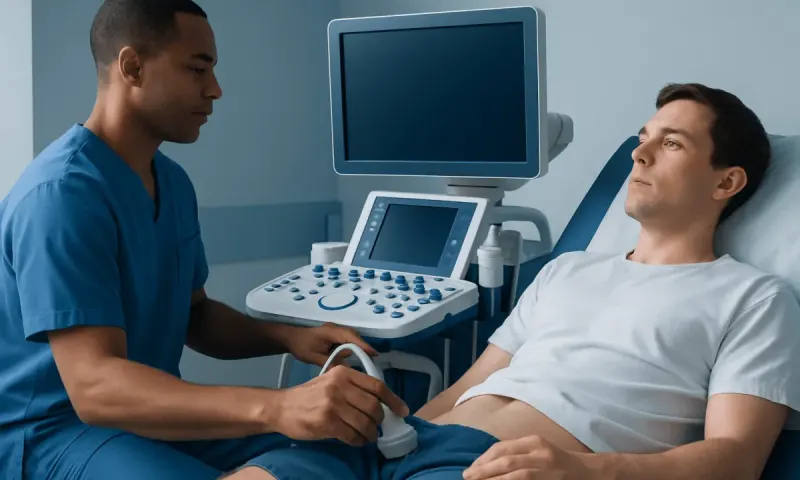
A physical examination is often important because it can identify normal anatomical variation, scar tissue, signs of hormonal issues, skin conditions, or developmental differences. If size is the concern, measurements should be taken in a standardized clinical way rather than relying on self-measurement, which is often inconsistent and influenced by temperature, anxiety, or technique.
Depending on the situation, additional tests may be considered. These can include hormone blood tests, screening for diabetes or vascular risk factors, or imaging when structural problems are suspected. If erections are the concern, the doctor may also explore circulation, nerve function, and psychological factors.
For some men, the key finding is that the distress is far bigger than anything the examination shows. When that is the case, careful counseling and mental health support matter just as much as any physical workup. Nobody is brushing you off; the aim is an accurate explanation and the right care plan.
Treatment options depend on the underlying issue
Treatment is guided by the cause of the concern. If examination shows normal anatomy, clear education and reassurance may be the most effective intervention. Many patients feel relieved after learning what normal variation looks like and understanding that perceived inadequacy does not predict sexual satisfaction or fertility.
When anxiety, shame, or repetitive body checking are prominent, counseling can help. Cognitive behavioral therapy and sex therapy may reduce distress, improve self-image, and address relationship or performance concerns. This approach is especially important when the problem is driven more by perception and anxiety than by physical abnormality.
If there is a medical condition, treatment may be more specific. Men with erection problems may need lifestyle measures, treatment of vascular risk factors, or targeted care for erectile dysfunction treatment. Patients with significant curvature, pain, or shortening related to Peyronie’s disease may benefit from medications, traction, or selected Peyronie’s disease treatment.
Procedures aimed only at enlargement should be approached carefully. Not all advertised methods are safe or effective, and some can cause scarring, deformity, loss of sensation, or worsening anxiety. In selected cases involving reconstructive needs, hidden penis, or other structural problems, a urologist or reconstructive surgeon may discuss options such as penile implant surgery or other specialist procedures when medically appropriate.
Self-care, prevention, and healthy perspective
No one can promise you will never worry about how your genitals look, but healthy body image habits do take the edge off. Reliable education, realistic expectations, and avoiding comparison-based online content are often helpful first steps. It can also help to remember that penis size varies naturally and is only one small part of sexual health and intimacy.
General health measures support sexual function and confidence. Regular exercise, sleep, stress management, smoking cessation, limiting excess alcohol, and control of chronic conditions such as diabetes or high blood pressure can all improve erection quality and overall well-being. Weight management may also reduce the appearance of a buried penis in some individuals.
Patients should be cautious with over-the-counter pills, pumps, extenders, injections, or internet procedures marketed as quick enlargement solutions. Some products are unregulated, ineffective, or harmful. Before trying any device or treatment, it is safest to speak with a qualified urologist.
Keeping this kind of worry secret tends to feed it. Saying it out loud to a doctor, a therapist, or a partner you trust often takes some of the shame away and opens the door to practical help. In international centers such as Acıbadem Health Point, multidisciplinary specialists in urology, sexual medicine, and mental health work together in JCI-accredited hospitals to evaluate these concerns for patients traveling from abroad.
When to seek medical care
If the worry keeps coming back, it is reason enough to see a doctor, whether it is about size, shape, or function. Even when the concern turns out to reflect normal anatomy, reassurance from a professional can be valuable and can prevent unnecessary or risky self-treatment.
Prompt evaluation is especially important if there are physical symptoms such as pain, sudden curvature, penile lumps or plaques, erection problems, injury, urinary symptoms, or visible changes in the skin. A doctor should also assess delayed puberty, concerns that began in childhood, or any suspicion of hormonal or developmental abnormalities.
It is also wise to seek help when worry about the penis is affecting mental health, relationships, or daily activities. Signs include avoidance of intimacy, compulsive measuring or checking, persistent shame, depressed mood, or severe anxiety. In these situations, both medical and psychological care may be useful.
Frequently asked questions
01Is penis envy a real medical condition?
Penis envy is not a formal medical diagnosis in current everyday clinical use. It is usually a nonmedical phrase describing distress or insecurity about penis size, appearance, or sexual adequacy. The important question is whether the concern reflects normal variation, a treatable physical problem, or emotional distress that needs support.
02How common is worry about penis size?
Worry about penis size is very common, even among people whose measurements fall within the normal range. Social comparison, pornography, and misinformation often magnify the concern. Because self-perception can be inaccurate, professional assessment is often more reassuring than internet research.
03Can a normal-sized penis still cause significant anxiety?
Yes. A person may experience intense embarrassment or low confidence despite having normal anatomy. When worry becomes persistent, repetitive, or disruptive, counseling or sex therapy can be helpful alongside a medical evaluation.
04What medical problems can be mistaken for penis envy?
Several conditions may lead to concerns about penile appearance or function, including erectile dysfunction, Peyronie’s disease, obesity-related buried penis, hormonal disorders, and developmental conditions. Pain, curvature, sudden change, or erection difficulty make medical evaluation more important. A doctor can determine whether the issue is physical, psychological, or both.
05Do penis enlargement products work?
Many advertised products and techniques have limited evidence or may be unsafe. Some can cause scarring, pain, deformity, or disappointment without meaningful benefit. It is safest to avoid self-treatment and discuss concerns with a qualified urologist before using any product or device.
06When should someone see a doctor about this?
A doctor should be seen if the concern is persistent, causes anxiety, or affects intimacy and self-esteem. Medical care is especially important if there is pain, curvature, a sudden change in appearance, erectile problems, or signs of delayed puberty. Early assessment can clarify the cause and guide the right treatment.
This article is for general information only and is not a substitute for professional medical advice. Please consult a qualified doctor about your individual situation.
Explore treatments in Turkey — costs, top hospitals & a free quote
JCI-accredited · board-certified surgeons · reply within 24h
Add us as a Preferred Source to see more of our trusted health content across Google Search, AI Overviews and Discover.