Penis Growth Options: What Can Safely Work?
The safest answer to “best penis growth” is that no supplement, cream, exercise, or home device has been proven to permanently enlarge a typical adult penis. A urologist can assess concerns about size, erections, body image, or a possible medical condition and explain whether any treatment is appropriate.
Best penis growth: the safe, evidence-based answer
For most adults, the best approach to penis growth is not an over-the-counter product but an accurate assessment of what is normal, what is realistically changeable, and whether there is an underlying health concern. Advertisements for pills, creams, oils, extenders, pumps, and exercises often overstate results. Many products have no good evidence for permanent enlargement, and some can cause bruising, pain, scarring, or erection problems.
Penis size is only one aspect of sexual health. Erection quality, comfort, confidence, communication, and overall physical health often have a greater effect on sexual wellbeing. A qualified urologist can discuss measurements, expectations, and safe options confidentially, without judgment.
In adults with a typical penis size, there is no medically proven non-surgical method that produces major permanent growth. When treatment is considered, it should be based on a clear diagnosis, such as a buried penis, penile curvature, erectile dysfunction, or a genuinely small penis identified through proper measurement.
Understanding penis size and normal variation
Penis size differs naturally between individuals and can appear different depending on temperature, anxiety, body position, body weight, and how an erection is measured. Flaccid length is especially variable and does not reliably predict erect length. For a useful comparison, clinicians typically measure length along the upper side of a fully erect penis, from the pubic bone to the tip of the glans.
Research summaries commonly report an average erect length around 5 inches (about 13 cm), although there is a broad normal range. Measurements may differ between studies because of methods and participant groups. Pornography, edited images, and informal online comparisons can create unrealistic expectations and may lead people to underestimate how common ordinary variation is.
Doctors use the term micropenis for a stretched or erect length that is substantially below the population average, generally more than 2.5 standard deviations below it. This is a clinical diagnosis based on standardized measurement, not on self-comparison or a single internet chart. In adults, a stretched length around 3.7 inches (9.3 cm) or less may prompt further assessment, though interpretation should always be individualized.
How common is 7 inches in men?

An erect penis length of 7 inches (about 17.8 cm) is above average, but it is within the natural range of adult variation. It is less common than lengths near the average, yet it is not unusual in a medical sense. Exact percentages vary across studies because populations and measurement techniques differ.
Measurements can also be unintentionally inaccurate. Pressing gently to the pubic bone, measuring from the same starting point each time, and avoiding comparison between flaccid and erect measurements can reduce variation. Body fat over the pubic area may make the visible portion appear shorter even when the internal penile length is typical.
Being above or below average does not indicate masculinity, fertility, sexual skill, or relationship satisfaction. If size concerns are affecting confidence or intimacy, speaking with a clinician or mental health professional with experience in sexual wellbeing can be helpful.
Is 3.5 inches hard small?
A fully erect length of 3.5 inches (about 8.9 cm) is below the reported adult average. However, one measurement alone cannot establish whether there is a medical condition. Erection firmness, measuring technique, pubic fat pad thickness, and whether the measurement starts at the pubic bone can all affect the result.
Clinicians may evaluate a penis that appears or measures significantly smaller than expected to distinguish a true small penile size from a buried penis, incomplete erection, penile curvature, prior injury, or other factors. A buried penis may occur when surrounding skin or fat conceals part of the shaft; treatment focuses on the underlying cause rather than simple enlargement.
Medical review is particularly worthwhile if the size concern has existed since childhood, puberty seemed delayed, erections are consistently incomplete, or there are urinary, hormonal, or fertility concerns. A urologist can provide an objective assessment and discuss options that match the cause.
Is there anything to increase pennis size?
There is no pill, cream, herbal product, vitamin, or food proven to permanently increase penis size in healthy adults. Products sold online may contain unlisted ingredients or interact with prescription medicines. “Jelqing,” forceful stretching, and hanging weights are not medically recommended because they can injure blood vessels and tissues, causing pain, scarring, deformity, or erectile difficulties.
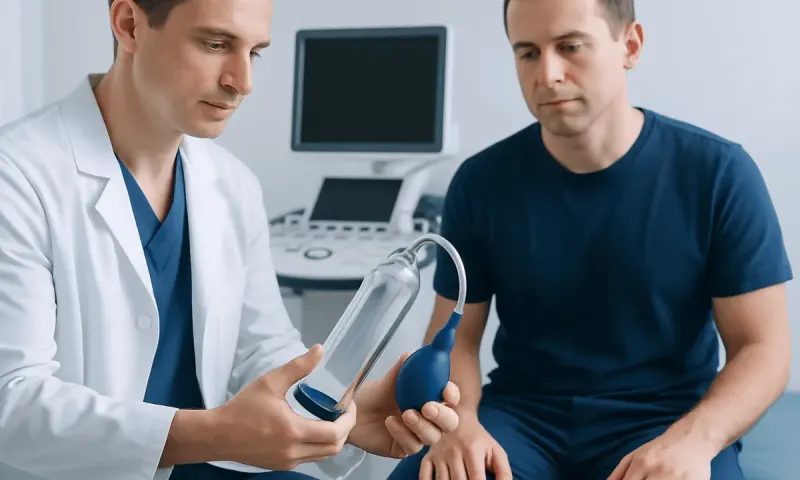
Vacuum erection devices can temporarily make the penis look fuller by drawing blood into it. They may be used in some settings for erectile dysfunction or rehabilitation after certain treatments, but they do not generally produce permanent enlargement. A constriction ring should not be left on for prolonged periods, as it can affect blood flow and cause injury.
Penile traction therapy uses a medically designed device to apply gentle, sustained stretching. Under specialist supervision, it may produce a modest length improvement for selected patients, especially those with Peyronie’s disease or certain postsurgical concerns. It requires regular use over time, and it is not suitable for everyone.
Surgical techniques, including suspensory ligament release, fat transfer, grafting, and implants, have different purposes and risks. They can lead to scarring, changes in erection angle, uneven appearance, sensation changes, infection, or dissatisfaction. Penile implants are generally used to manage erectile dysfunction when other treatments are unsuitable, not as routine cosmetic enlargement. A specialist evaluation is essential before considering any procedure.
Is 6.5 to 7 inches big?
Yes. An erect length of 6.5 to 7 inches (about 16.5 to 17.8 cm) is above average based on widely cited measurement research. It falls within normal biological variation and does not require treatment because of its size alone.
People with a larger-than-average penis may still have sexual health questions, including comfort during sex, condom fit, or anxiety about performance. Communication, arousal, lubrication where appropriate, and choosing comfortable positions can help reduce discomfort for either partner.
If there is pain during erection, a new bend or indentation, difficulty with penetration, or a noticeable shortening over time, evaluation is important. These symptoms may relate to a treatable condition rather than normal size variation.
Choosing safe care and supporting sexual wellbeing
A safe decision begins with identifying the real concern. Some people want a larger penis because they are dissatisfied with body image, while others are concerned about erections, a hidden shaft, curvature, or a change after injury or surgery. These concerns need different solutions, and an assessment can prevent spending money on unsafe or ineffective products.
General health measures do not enlarge the penis itself, but they can improve sexual function and visible appearance. Maintaining a healthy weight may reduce fat over the pubic region, regular physical activity supports circulation, stopping smoking benefits blood vessels, and management of diabetes, high blood pressure, or stress can support erections. For persistent erection difficulties, a clinician can discuss evidence-based erectile dysfunction treatment.
It is sensible to avoid providers who promise guaranteed growth, recommend unregulated injections, discourage medical evaluation, or do not explain risks and follow-up. Do not inject oils, silicone, fillers, or other substances into the penis outside an appropriate medical setting; these can cause serious tissue injury and deformity.
Acıbadem Health Point’s multidisciplinary specialists and JCI-accredited hospitals evaluate sexual health and urological concerns for international patients, with care tailored to the underlying diagnosis and individual goals.
When to seek medical care
A person should arrange a medical appointment if they have ongoing distress about penis size, believe their penis is much smaller than expected, or are considering a device, injection, or surgery. A urologist can measure correctly, review sexual and medical history, and explain whether treatment is needed. Seeking advice is also appropriate when concerns affect self-esteem, relationships, or sexual activity.
Prompt medical assessment is needed for a sudden bend, painful erections, a firm lump or plaque, injury with swelling or bruising, a sudden loss of erectile function, or trouble passing urine. A prolonged painful erection lasting more than four hours requires urgent emergency care because delayed treatment can damage penile tissue.
For a new or progressive curvature, a clinician may assess for Peyronie’s disease and discuss appropriate monitoring or treatment. Erectile difficulties that continue for several months should also be reviewed, as they can sometimes be linked with medication effects, emotional stress, hormonal factors, or cardiovascular health.
Frequently asked questions
01What is the best penis growth method?
For a typical adult penis, there is no proven method for large permanent growth. The safest first step is a urologist assessment to determine whether there is an underlying issue, such as incomplete erections, buried penis, curvature, or a rare true small-size condition. Specialist-guided traction may be appropriate in selected circumstances, but results are usually modest.
02Do penis enlargement pills work?
No over-the-counter pill, supplement, or herbal product has been reliably shown to permanently enlarge the penis. Some products may contain undisclosed substances or interact with medications. It is safer to discuss any sexual health concern with a qualified clinician.
03Can a vacuum pump permanently increase penis size?
A vacuum device can create a temporary increase in fullness by drawing blood into the penis. It may be medically useful for some people with erectile dysfunction, but it is not generally a method for permanent enlargement. Incorrect use can cause bruising, pain, or blood-flow problems.
04Can losing weight make the penis look bigger?
Weight loss does not increase the actual length of the penis. However, reducing fat around the lower abdomen and pubic area can expose more of the shaft, making the penis appear more visible. Healthy weight management may also support erection quality.
05What size is considered micropenis in adults?
Micropenis is a medical term based on standardized stretched penile length and population measurements, not personal perception. In adults, a stretched length around 3.7 inches or less may lead a clinician to consider further assessment. A urologist should make the diagnosis after proper examination.
06When should penis curvature be checked by a doctor?
A new curve, painful erections, a lump, shortening, or difficulty with sexual activity should be assessed by a doctor. These may be signs of Peyronie’s disease or another condition that can benefit from early evaluation. Sudden injury, severe pain, or marked swelling needs urgent care.
This article is for general information only and is not a substitute for professional medical advice. Please consult a qualified doctor about your individual situation.
Explore treatments in Turkey — costs, top hospitals & a free quote
JCI-accredited · board-certified surgeons · reply within 24h
Add us as a Preferred Source to see more of our trusted health content across Google Search, AI Overviews and Discover.