Average Penis Size and the Wide Range of Normal

Most men have wondered, at some point, whether they measure up. If you’ve ever compared yourself to what you’ve seen online and come away uneasy, here’s something worth knowing: the average is smaller than most people assume.
Research pooling measurements from large groups of adults puts the average erect length at about 13 cm (5.1 inches). Normal varies widely. And size has little to do with sexual function, fertility, or masculinity.
Overview: what is the average male penis size?
The best-known pooled medical research puts the average erect length for adult men at about 13 cm, or 5.1 inches. Average erect circumference is around 11.6 cm, or 4.6 inches. Flaccid size varies more because temperature, stress, exercise, and natural anatomy can change appearance from moment to moment.
These averages describe a broad range, not a single “ideal” size. Most healthy adults fall within a normal spectrum, and being above or below the average does not by itself indicate a medical problem. Penis size also does not define masculinity, sexual performance, fertility, or ability to form satisfying intimate relationships.
Many people overestimate what is normal because of pornography, locker-room comparisons, online claims, or self-reported surveys. Clinical measurements taken in a standardized way are much more reliable. In everyday care, doctors focus less on size itself and more on function, symptoms, development, and the person’s concerns.
How penis size is measured correctly
Medical studies usually measure penis length from the pubic bone to the tip of the glans along the top side of the penis. Any fat pad at the base is gently compressed so the ruler starts at the bone, which makes measurements more consistent. Width may be described as circumference, measured around the shaft.
Measurements can be taken in the flaccid state, stretched flaccid state, and erect state. Stretched flaccid length often correlates reasonably well with erect length in clinical settings, which is helpful when an erection is not measured during an office visit. Flaccid length alone is less useful because it changes a great deal with temperature, anxiety, and recent physical activity.
Measuring yourself at home and being measured by a clinician in a standardized setting can give slightly different numbers. So take single online charts, or what a friend claims, with a grain of salt. If size is causing significant worry, a urologist can explain the proper method and whether a measurement is within the usual adult range.
What affects penis size and why variation is normal

Penis size is influenced mainly by genetics and hormone exposure during fetal development, childhood, and puberty. Normal differences in body build, pubic fat, and skin elasticity can also change how large the penis appears. A buried appearance may happen when the lower abdomen or pubic area has more soft tissue, even though the penile shaft itself is normal.
Ethnicity, shoe size, hand size, height, and other body measurements are not reliable ways to predict an individual’s penis size. Research has found only weak or inconsistent links between these traits and actual penile measurements. This is why visual assumptions are often inaccurate.
Age can affect appearance and function, but not usually in the way many people fear. With aging, changes in skin elasticity, circulation, weight, or hormone levels may alter the visible length somewhat, especially if abdominal weight increases. However, these changes do not mean that every variation is a disease or that treatment is automatically needed.
Sometimes size worries sit alongside body image distress or performance anxiety. When the worry sticks around, it tends to do more damage to confidence, relationships, and sexual well-being than the anatomy ever does. A balanced medical assessment can help separate normal variation from conditions that deserve treatment.
When size may be a medical concern
Most size concerns are not caused by disease, but there are situations where a medical evaluation is appropriate. One example is suspected micropenis, a medical term usually used when stretched penile length is significantly below the expected range for age and development. In children and adolescents, this may be linked to hormonal or genetic conditions and should be assessed by specialists.
In adults, a person may seek evaluation if the penis seems unusually small, especially if there were developmental concerns during puberty or there are related symptoms such as infertility, low libido, absent facial hair growth, or testicular abnormalities. Conditions affecting hormones or development may sometimes be relevant. If fertility or hormonal issues are part of the picture, doctors may also consider broader evaluation related to male infertility.
Sudden shortening, painful curvature, or erections that become difficult can point to another issue rather than natural size variation. For example, scar tissue in the penis may cause bending, discomfort, or apparent loss of length, as seen in Peyronie’s disease. Difficulty achieving or maintaining erections can also make the penis seem smaller during sexual activity and may warrant assessment for erectile dysfunction.
Some men are concerned about visible “retraction” or concealment of the penis, especially with obesity, previous surgery, or skin conditions. In these cases, the problem may involve the surrounding tissues rather than the internal penile structure. A urology examination can clarify the cause and help guide next steps.
Diagnosis: what a doctor may evaluate
When someone is worried about penis size, the evaluation usually begins with a careful history and physical examination. The doctor may ask about growth and puberty, erections, sexual function, urination, fertility goals, medications, chronic illnesses, and any changes over time. This helps distinguish a normal anatomical variation from a developmental, hormonal, or structural condition.
A physical exam may include standardized measurement of stretched flaccid length and circumference, assessment of the testes and scrotum, and review of pubic fat distribution or any penile curvature. If there are signs of hormone imbalance or delayed development, blood tests may be recommended. In selected cases, imaging or referral to endocrinology, andrology, or psychology may be helpful.
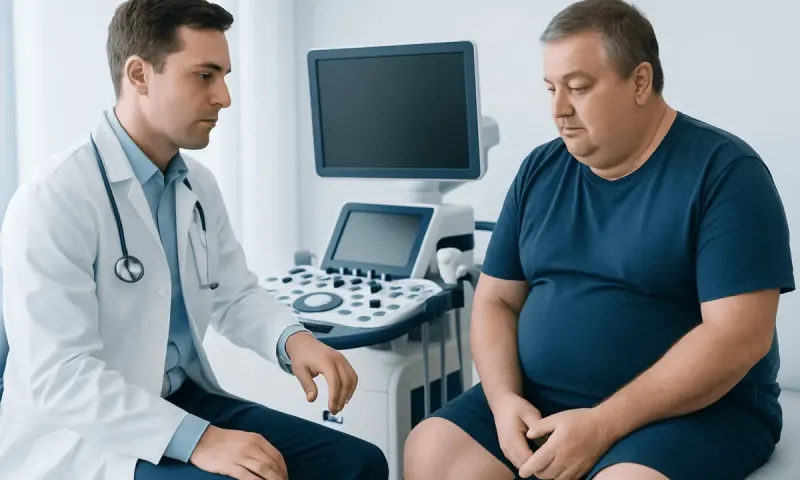
Your doctor will also ask how much this is weighing on you. Often the real issue isn’t anatomy at all, but distress, preoccupation with body image, or expectations shaped by what you’ve seen online. A respectful consultation can reassure patients when measurements are normal and identify treatment options when a genuine medical problem is present.
Treatment options and what to avoid
Treatment depends on the underlying issue, not on comparison with unrealistic ideals. If measurements are normal and function is good, the most useful intervention may be education and reassurance. When anxiety, shame, or relationship stress is prominent, counseling or sex therapy can be beneficial.
If there is an identified medical condition, treatment is directed at that cause. For example, erectile difficulties may improve with lifestyle changes, medical therapy, or evaluation through services related to erectile dysfunction treatment. Structural problems such as painful curvature may need specialized management, while hormonal disorders are treated according to their cause and age of presentation.
Weight reduction can improve the visible length in men with a large pubic fat pad because more of the shaft becomes externally visible. In selected reconstructive situations, surgery may be considered, but procedures marketed purely for enlargement are not routine medical care and may carry risks such as scarring, altered sensation, dissatisfaction, or erectile problems. Anyone considering a procedure should seek advice from an experienced urologist rather than relying on advertising claims.
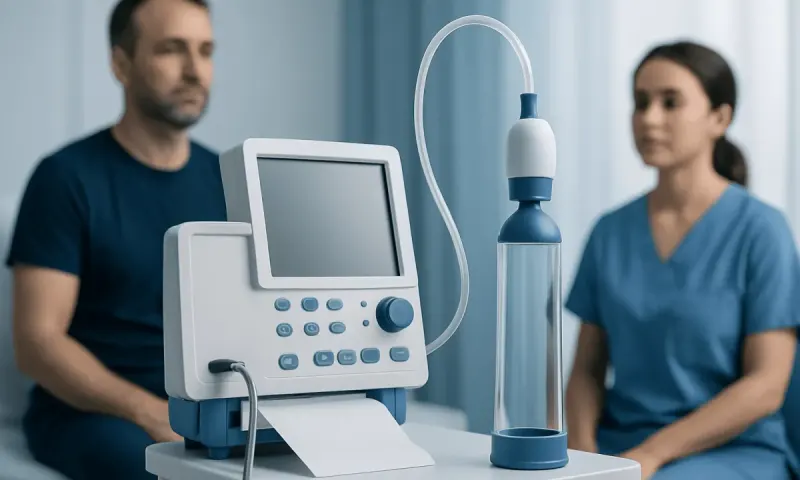
Patients should be cautious with pills, creams, vacuum devices sold without supervision, stretching devices of uncertain quality, or injectable fillers from non-medical providers. Evidence for many commercial enlargement products is limited or poor, and complications can be significant. Safe care starts with a proper diagnosis and a realistic discussion of expected benefits and risks.
Self-care, body image, and sexual well-being
For many men, simply understanding how wide the normal range is turns out to be the most helpful step. Sexual satisfaction depends on communication, arousal, comfort, emotional connection, and overall health much more than on centimeters or inches. In long-term relationships, confidence and responsiveness usually matter more than anatomy alone.
General health habits can support sexual function and confidence. These include regular exercise, good sleep, limiting tobacco and excess alcohol, managing stress, and addressing conditions such as diabetes, high blood pressure, and obesity. When erectile quality improves, concerns about apparent size during sex often lessen as well.
It can also help to reduce exposure to unrealistic visual comparisons. Pornography and edited images frequently present a distorted picture of what is common. Speaking with a doctor can provide a factual frame of reference and reduce unnecessary worry.
Some patients do better with a team looking at the whole picture. At Acıbadem Health Point, specialists in urology, endocrinology, and men’s health at JCI-accredited hospitals diagnose and treat related concerns for international patients who need further assessment.
When to seek medical care
A person should consider medical care if penis size concerns are persistent, distressing, or associated with other symptoms. Examples include pain, a new bend or curve, difficulty getting or keeping an erection, problems with urination, infertility concerns, or a noticeable change in appearance over time. Evaluation is also important if puberty seemed delayed or incomplete.
Parents should seek pediatric medical advice if they are concerned about a child’s genital development, rather than relying on internet images or comparisons. In children and teens, early assessment can help identify hormonal or developmental issues when present. Adults who are considering any enlargement procedure should also see a qualified urologist first to understand whether treatment is appropriate and what safer options exist.
Urgent care may be needed for sudden severe penile pain, traumatic injury, a prolonged erection, marked swelling, or inability to urinate. These are not typical size concerns and should not be ignored. Prompt assessment improves the chance of protecting function and comfort.
Frequently asked questions
01What is considered the average male penis size?
Pooled clinical research suggests that the average adult erect penis length is about 13 cm, or 5.1 inches. Average circumference is around 11.6 cm, or 4.6 inches. Normal variation is wide, so many healthy men fall somewhat above or below these numbers.
02Does a smaller penis mean lower fertility or poorer sexual function?
Not usually. Penis size by itself does not determine sperm quality, testosterone level, ability to have erections, or capacity for sexual pleasure. Fertility and sexual function depend on many other factors, including hormones, blood flow, nerve function, and overall health.
03Why does the penis look different in size at different times?
Flaccid size changes naturally with temperature, stress, exercise, and blood flow. This is why one-time visual comparison is not very meaningful. Erect size and standardized stretched measurements are more useful in medical evaluation.
04Can exercise or supplements increase penis size?
General exercise can improve circulation, body image, and visible length if weight loss reduces the pubic fat pad, but it does not usually change the anatomical length of the penis itself. Most over-the-counter supplements and enlargement products have limited evidence and may be unsafe. A doctor should be consulted before trying commercial products or devices.
05What is a micropenis?
Micropenis is a specific medical diagnosis, not simply a penis that is smaller than average. It is based on a standardized stretched length that is significantly below the expected range for age. Diagnosis and management require medical assessment, often with attention to hormonal or developmental factors.
06When should someone talk to a doctor about penis size?
A medical opinion is a good idea if there is significant distress, pain, curvature, erection problems, urination symptoms, infertility concerns, or a sudden change in size or shape. Evaluation is also appropriate if puberty was delayed or genital development has always seemed unusual. A doctor can provide accurate measurement, reassurance, and treatment if a related condition is found.
This article is for general information only and is not a substitute for professional medical advice. Please consult a qualified doctor about your individual situation.
IVF & fertility treatment in Turkey — success rates and costs
JCI-accredited · board-certified surgeons · reply within 24h
Add us as a Preferred Source to see more of our trusted health content across Google Search, AI Overviews and Discover.