Penis Anatomy, Normal Variation, and Signs to Get Checked

When was the last time you actually thought about penis health — not size, not appearance, but comfort, skin, and being able to pee without trouble? Most men don’t, until something changes. The penis is part of normal male anatomy, involved in urination, sexual function, and reproduction. Knowing its structure, which changes are common, and which signs matter can help you tell what’s typical for your body — and when it’s worth talking to a doctor.
Overview of the Penis
The penis is an external male reproductive organ with important roles in passing urine, sexual sensation, erection, and ejaculation. In simple terms, it contains skin, nerves, blood vessels, erectile tissue, and the urethra, which is the tube that carries urine and semen out of the body. Size and appearance get most of the attention, but day-to-day penis health has more to do with comfort, function, the state of the skin, and being able to urinate normally.
There is wide natural variation in the way a penis looks. Length, girth, color, the amount of visible veins, and whether the penis curves slightly to one side can all differ from person to person. These differences are often normal. The foreskin, if present, also varies in how easily it moves. What matters most is knowing what’s normal for you — and noticing changes that are new, persistent, or troubling.
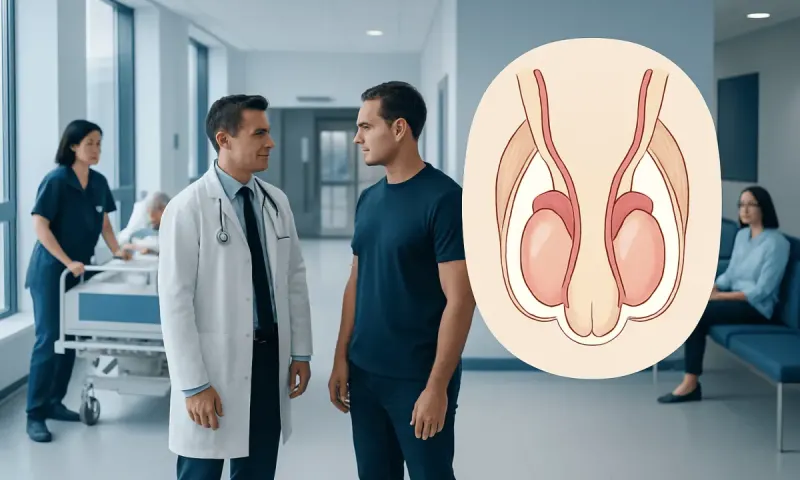
The main visible parts are the shaft and the glans, or head. The glans may be covered by the foreskin in uncircumcised males. Inside the shaft are two columns of tissue called the corpora cavernosa and a third structure around the urethra called the corpus spongiosum. During arousal, increased blood flow into these tissues helps produce an erection. Nerves, blood vessels, hormones, and emotional well-being all have to work together for this to happen.
Normal Anatomy, Appearance, and Function
Once you know what’s normal, it’s easier to spot changes that mean something. The shaft is the main body of the penis, while the glans is usually more sensitive because it contains many nerve endings. The opening at the tip is called the urethral meatus. Through this opening, urine leaves the body and semen is ejaculated, though not at the same time.
During an erection, the penis becomes firmer and usually larger because blood fills the erectile tissues. Erection quality naturally varies with age, stress, fatigue, medication use, alcohol intake, and general health. Temporary changes are common and do not always mean disease. Morning erections may occur naturally and can be a normal sign that blood flow and nerve pathways are working.
The skin may have harmless features such as visible follicles, small glands, or mild pigment differences. Some individuals have a slight natural curve, especially during erection. However, a new or worsening bend, pain during erection, or difficulty with intercourse may suggest a condition such as Peyronie’s disease, which deserves medical evaluation.
- Normal size varies widely and does not determine sexual health or fertility by itself.
- Mild asymmetry or slight curvature can be normal.
- Skin texture and color can differ between individuals and ethnic backgrounds.
- New discharge, sores, bleeding, or a rapidly changing lump are not considered typical.
Common Symptoms and Changes to Watch For
Many penis-related concerns first show up as symptoms rather than a clear diagnosis. Common reasons people seek advice include pain, itching, rash, swelling, a lump, unusual discharge, trouble retracting the foreskin, painful urination, blood in the urine, or a change in erections. Some of these are mild and pass on their own. Others shouldn’t be ignored — especially if they stick around or get worse.
Erection changes are especially common. Difficulty getting or keeping an erection can happen occasionally because of stress, poor sleep, relationship strain, alcohol, or anxiety. When the problem becomes frequent or ongoing, it may be a sign of erectile dysfunction or an underlying health issue such as diabetes, vascular disease, hormonal imbalance, or medication side effects. Because erection quality depends on circulation and nerves, persistent symptoms sometimes provide clues about overall health.
Skin and surface changes can also matter. Redness, sores, blistering, warts, an unpleasant odor, or irritation around the glans or foreskin can be linked to infection, inflammation, friction, allergic reaction, or a sexually transmitted infection. Less commonly, a persistent patch, ulcer, or growth may need assessment to exclude a more serious condition, including penile cancer. Sudden severe swelling, bruising after trauma, or severe pain during an erection also deserves prompt attention.
Causes of Penis Problems and Risk Factors
Penis problems can develop for many different reasons. Some are temporary and easily treated, while others reflect broader medical conditions. Infections may involve the skin, foreskin, urethra, or deeper tissues. Bacterial, fungal, and sexually transmitted infections can all cause symptoms. Inflammation without infection may occur due to soaps, irritants, friction, or skin disorders.
Circulatory and nerve-related conditions can affect erections and sensation. Diabetes, high blood pressure, high cholesterol, obesity, smoking, and cardiovascular disease may reduce blood flow or harm nerve function over time. Emotional factors such as stress, depression, and performance anxiety may also contribute to sexual symptoms. For this reason, penis health often overlaps with general physical and mental health.
Structural problems are another group of causes. Scarring in the penis may lead to curvature and pain. Tight foreskin, called phimosis, can make cleaning difficult or cause discomfort. Trauma can injure the tissues of the penis during sports, falls, or sexual activity. Some concerns are present from birth, while others develop later in life. Risk factors worth discussing with a doctor include:
- Unprotected sex or multiple sexual partners
- Poorly controlled diabetes or cardiovascular risk factors
- Smoking, heavy alcohol use, or recreational drug use
- Persistent hygiene problems under the foreskin
- Previous genital injury or surgery
- New medications linked with sexual side effects
How Doctors Evaluate Penis Symptoms
Assessment usually begins with a clear medical history and physical examination. A doctor may ask when symptoms started, whether they are constant or intermittent, and whether there is pain, discharge, fever, urinary difficulty, or recent sexual exposure. Questions about erections, ejaculation, medications, chronic conditions, and mental well-being may also be relevant. These questions may feel personal, but they’re routine and help guide what happens next.
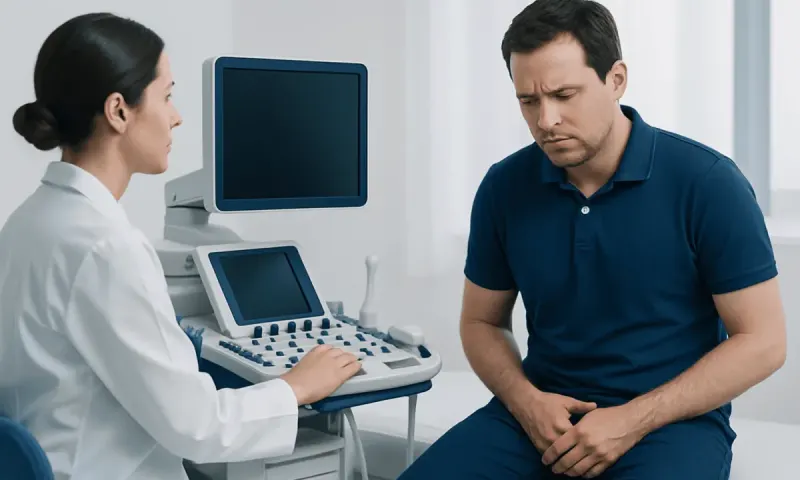
A physical examination may include the penis, foreskin, testicles, groin, and nearby lymph nodes. Depending on symptoms, a urine test, blood tests, or swabs may be used to check for infection, diabetes, or other causes. If a lump, plaque, or circulation problem is suspected, imaging such as ultrasound can sometimes help. In selected cases, a skin biopsy or referral to a urologist or dermatologist may be advised.
When erection concerns are the main issue, the goal is not only to confirm erectile dysfunction but also to understand contributing factors. Doctors may review heart and metabolic health, hormonal status, psychological stress, and medication effects. This broader approach is important because penis symptoms can occasionally be an early sign of another health condition elsewhere in the body.
Treatment Options for Penis Conditions
Treatment depends on the cause. Skin irritation may improve by avoiding harsh products and keeping the area clean and dry. Infections can require antifungal, antiviral, or antibiotic treatment, depending on the diagnosis. Tight foreskin, inflammatory conditions, or painful scarring may need more specific medical or surgical care. There’s no one-size-fits-all plan here — treatment is tailored to the cause and to you.
For erection problems, treatment may include lifestyle changes, review of medications, counseling, and medical therapy. If symptoms are persistent, doctors may suggest evaluation and treatment for erectile dysfunction treatment as part of a broader men’s health plan. This can involve addressing vascular risk factors, emotional stress, and hormone issues when relevant. In selected patients, devices or procedural options may be considered after specialist assessment.
Structural conditions may also be treatable. Penile curvature due to scar tissue may be managed with monitoring, medication-based approaches in some cases, or surgery when symptoms are significant. Patients with a narrowing of the urinary opening, troublesome foreskin problems, or complications affecting urination may benefit from specialist urologic care, including urology treatment evaluation. Near the end of the care pathway, patients who need coordinated assessment may find that Acıbadem Health Point’s multidisciplinary specialists and JCI-accredited hospitals diagnose and treat penis-related conditions for international patients.
Prevention and Everyday Self-Care
Looking after penis health is usually simpler than people expect. Gentle washing with water and mild soap, if tolerated, is often enough. In uncircumcised males, the foreskin should only be retracted if it moves comfortably; the area underneath can then be cleaned and dried before replacing the foreskin. Forceful retraction should be avoided, especially in children. Overwashing, scented products, and aggressive scrubbing may irritate delicate skin.
Safer sex practices help reduce the risk of sexually transmitted infections. Using condoms, discussing sexual health with partners, and seeking testing when exposure is possible are practical steps. Vaccination, such as for HPV when appropriate, may also support long-term genital health. Avoiding tobacco, limiting excess alcohol, exercising regularly, and managing weight can improve circulation and support erectile function.
Chronic disease management is another key part of prevention. Good control of diabetes, blood pressure, and cholesterol can protect blood vessels and nerves. Patients who notice recurrent symptoms after starting a new medication should ask a doctor whether side effects are possible. Self-examination can be helpful, but repeated checking driven by anxiety is less useful than discussing persistent concerns with a qualified clinician.
When to Seek Medical Care
Medical advice is appropriate if penis symptoms are new, persistent, painful, or affecting urination or sexual function. Examples include a rash that does not improve, a sore or lump, ongoing discharge, painful urination, trouble retracting the foreskin, or repeated erection difficulties. A planned appointment with a primary care doctor, dermatologist, or urologist is often the right first step.
Prompt or urgent medical care is important for sudden severe pain, significant swelling after injury, inability to pass urine, a suspected penile fracture, or an erection lasting longer than four hours. These problems can threaten tissue health and should not be managed at home. Fever together with genital redness, spreading swelling, or severe tenderness may also point to an infection that needs urgent attention.
Don’t let embarrassment keep you away. These symptoms are common, and doctors assess them respectfully and confidentially every day. Getting checked early often brings reassurance, catches treatable causes, and lowers the risk of complications.
Frequently asked questions
01What is the main function of the penis?
The penis helps the body pass urine and also plays a role in sexual function and reproduction. It contains the urethra, sensory nerves, blood vessels, and erectile tissue that work together for urination, erection, and ejaculation.
02Is some curvature of the penis normal?
A mild natural curve can be normal, especially during erection. A new, worsening, or painful curve is different and should be checked by a doctor because scar tissue may be involved.
03When is erectile difficulty a medical issue?
Occasional erection difficulty can happen with stress, tiredness, alcohol, or anxiety. If the problem becomes frequent, lasts for weeks or months, or affects quality of life, medical assessment is reasonable because underlying health issues may contribute.
04How should the penis be cleaned?
Gentle washing with water and a mild cleanser, if tolerated, is usually enough. If a foreskin is present and retracts comfortably, the skin underneath can be cleaned and dried gently before the foreskin is returned to its normal position.
05Are lumps or spots on the penis always serious?
No, some bumps or color changes are harmless and can be related to normal glands, friction, or minor skin irritation. Still, a new lump, sore, ulcer, wart, or patch that persists should be examined to rule out infection or other conditions.
06What symptoms need urgent attention?
Urgent care is needed for severe pain, major swelling after trauma, inability to urinate, or an erection lasting more than four hours. These situations can damage tissue or signal a serious problem that should be treated quickly.
This article is for general information only and is not a substitute for professional medical advice. Please consult a qualified doctor about your individual situation.
Explore treatments in Turkey — costs, top hospitals & a free quote
JCI-accredited · board-certified surgeons · reply within 24h
Add us as a Preferred Source to see more of our trusted health content across Google Search, AI Overviews and Discover.