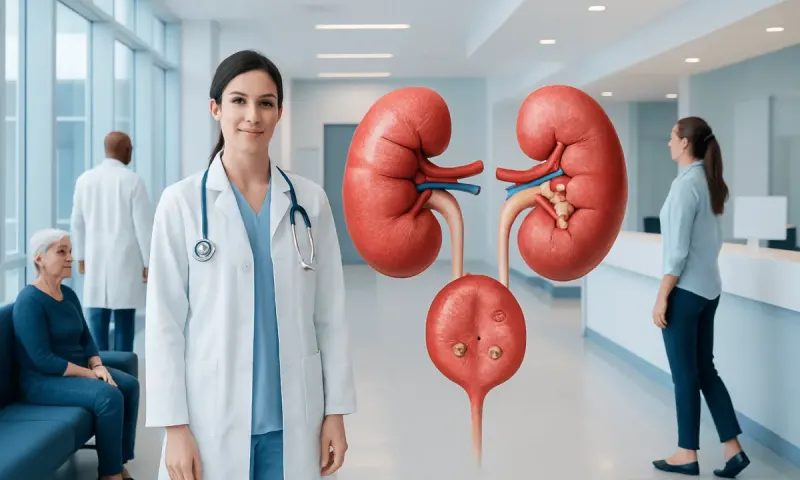
Passed Kidney Stones: What Recovery Can Feel Like
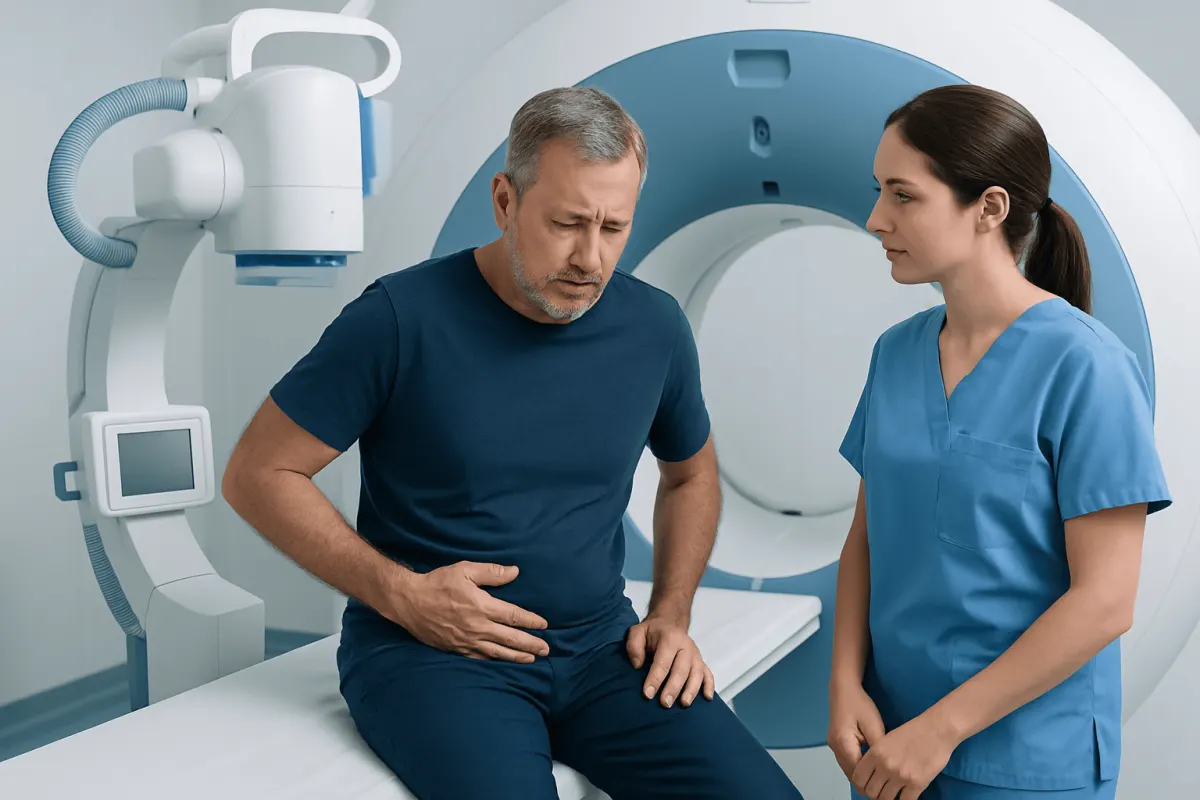
People who have passed real life kidney stones often feel relief once the stone leaves the urinary tract, although soreness, burning with urination, tiredness, or mild blood in the urine can continue briefly. Most small stones pass without surgery, while larger, obstructing, infected, or persistently painful stones may require a minimally invasive procedure.
Overview: What Happens When a Kidney Stone Passes?
Passed real life kidney stones usually means that a mineral deposit formed in the kidney, travelled through the ureter (the tube between the kidney and bladder), and left the body in urine. This can be intensely uncomfortable while the stone is moving, but many people experience noticeable relief once it reaches the bladder or passes out through the urethra. A stone that has been seen in the toilet, caught in a urine strainer, or confirmed by imaging can be tested to help guide prevention.
Kidney stones are not all the same. They may be made of calcium oxalate, calcium phosphate, uric acid, struvite, or cystine. Their size, composition, location, and whether they block urine flow influence both symptoms and treatment. A small stone may pass with fluids, pain management, and medical monitoring, whereas a larger stone may need specialist care.
Passing a stone does not always mean the episode is fully over. A clinician may recommend follow-up imaging or urine testing to confirm that the urinary tract is clear and to look for factors that increase the likelihood of future stones. For a broader explanation of stone formation and care, see kidney stones.
Symptoms During and After Passing a Kidney Stone
Typical symptoms of a moving kidney stone include sudden, severe pain in the side, back, lower abdomen, or groin. The pain can come in waves as the ureter contracts around the stone. Some people also have nausea, vomiting, urinary urgency, frequent urination, burning while urinating, or blood in the urine.
After a stone passes, pain often reduces quickly, particularly if the stone had been causing a blockage. Mild tenderness in the flank or lower abdomen, temporary burning during urination, and pink or lightly blood-tinged urine may continue for a short time because the stone can irritate the urinary lining as it travels.
Symptoms that do not improve should not be assumed to be part of normal recovery. Continued severe pain may mean that another stone remains, the stone has not fully passed, or urine flow is still blocked. A urine infection can cause similar symptoms and needs prompt assessment, especially when fever or chills are present.
- Sharp or cramping pain in the side, back, abdomen, or groin
- Blood in the urine or darker urine
- Burning, urgency, or frequent urination
- Nausea and vomiting during painful episodes
- Relief after passage, followed by brief urinary irritation
Why Kidney Stones Form and Who Is at Risk
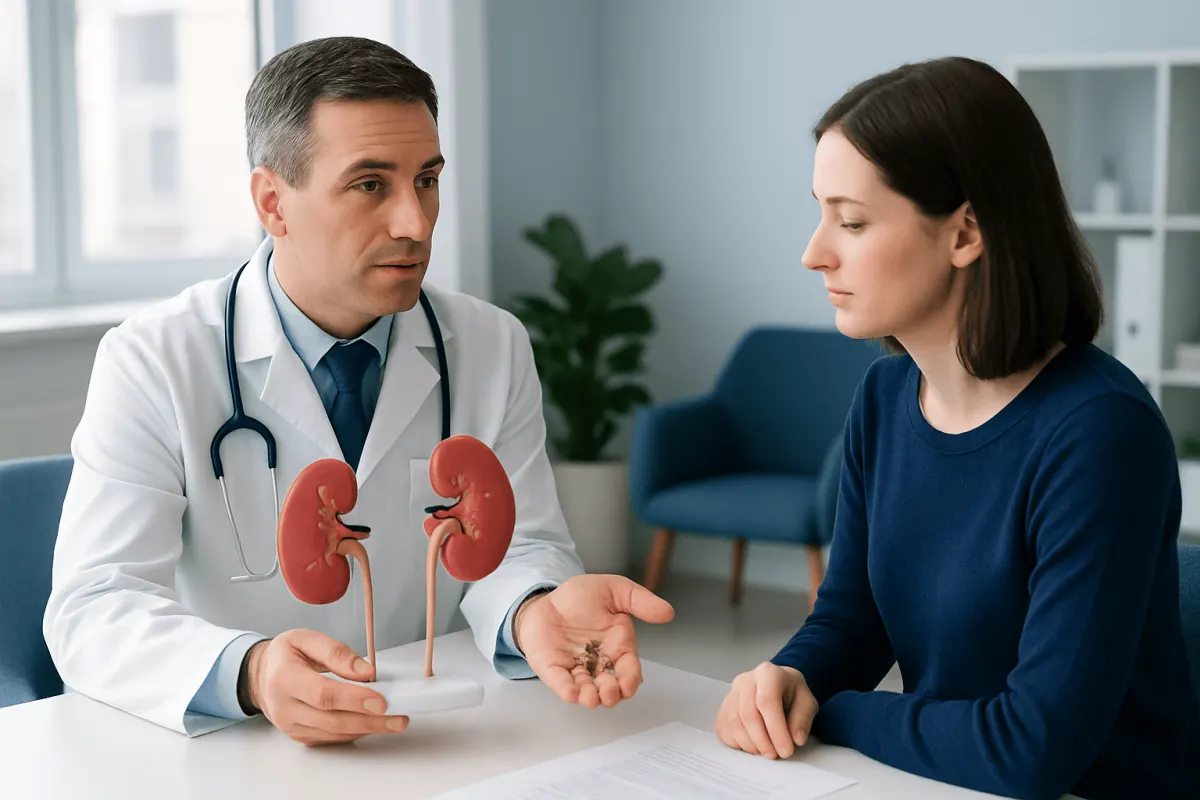
Kidney stones form when certain minerals and salts become concentrated in urine and crystallize. Not drinking enough fluid is a common contributor because concentrated urine makes crystal formation more likely. Heat exposure, heavy sweating, diarrhoea, and vomiting can also reduce fluid levels and raise risk.
Diet, medical conditions, medicines, family history, and previous stones can all play a role. High sodium intake may increase calcium in urine. Some people have higher risk because of gout, recurrent urinary infections, bowel disease, obesity, metabolic conditions, or disorders that affect how the body handles minerals. Certain medications may also contribute in selected circumstances.
It is important not to make major dietary restrictions based only on assumptions about stone type. For example, dietary calcium is often still necessary for bone health, and the right prevention plan depends on the stone analysis and urine findings. A urologist, nephrologist, or dietitian can tailor advice after an individual assessment.
How Long Does It Take Your Body to Heal After Passing a Kidney Stone?
After passing a small kidney stone, many people feel substantially better within hours to a few days. The urinary tract may remain irritated briefly, so mild discomfort, fatigue, burning with urination, or small amounts of blood in the urine can occur while the lining heals. Recovery can take longer if the stone caused significant irritation, dehydration, infection, or a temporary obstruction.
There is no fixed timeframe because kidney stone recovery depends on the stone’s size and path, a person’s pain level, and whether there are additional stones. It is sensible to rest as needed, drink fluids regularly unless a clinician has advised a fluid restriction, and use pain relief only as recommended by a healthcare professional. Catching the stone with a strainer, if advised, can allow laboratory analysis.
A follow-up appointment may be appropriate even after symptoms settle, particularly after a first stone, recurrent stones, severe symptoms, or a known history of urinary disease. Imaging can sometimes be used to ensure that the stone has passed and that there is no remaining blockage.
When Kidney Stone Procedures May Be Needed
A procedure may be recommended when a stone is too large or unlikely to pass on its own, causes persistent severe pain, blocks urine drainage, damages kidney function, or occurs with infection. Urgent drainage is particularly important when an obstructed kidney is infected, because this can become serious without timely treatment.
Common approaches include shock wave lithotripsy, which uses externally generated sound waves to break selected stones into smaller fragments; ureteroscopy, in which a small scope passes through the natural urinary passage to remove or break up a stone; and percutaneous nephrolithotomy for certain large or complex kidney stones. More information about kidney stone treatment can help patients understand these options.
A temporary ureteric stent may be placed after some procedures to keep urine flowing while swelling settles. Stents can cause urinary frequency, urgency, flank discomfort, or blood in the urine, but these effects are usually temporary. The treating team explains when and how a stent will be removed.
Is Kidney Stone Surgery a Big Surgery?
Most kidney stone surgery is not considered major open surgery. Many stones are treated with minimally invasive techniques, such as ureteroscopy or shock wave lithotripsy, often with same-day discharge or a short hospital stay depending on the procedure and the person’s health. These approaches generally avoid a large incision.
Percutaneous nephrolithotomy is more involved than ureteroscopy because it uses a small incision in the back to access the kidney directly. It is commonly considered for large, hard-to-treat, or complex stones and may require a longer recovery and hospital observation. Open surgery is now uncommon and is usually reserved for unusual situations.
The best procedure is determined by stone size, location, density, anatomy, infection risk, kidney function, and prior treatments. A urologist can explain the expected benefits, alternatives, anaesthesia plan, possible need for a stent, and individual risks before treatment.
How Long Does It Take to Fully Recover After Kidney Stone Surgery?
Recovery after kidney stone surgery varies by procedure. After shock wave lithotripsy or uncomplicated ureteroscopy, many people return to light daily activities within a few days, although passing fragments, tiredness after anaesthesia, urinary discomfort, and mild blood in the urine may continue temporarily. If a stent is in place, symptoms can last until it is removed.
Recovery after percutaneous nephrolithotomy is usually longer. People may need several days to resume routine activities and more time before strenuous exercise, heavy lifting, or work with significant physical demands. The care team provides specific guidance based on the procedure, findings, and whether there are any complications.
Follow-up is an important part of recovery. It may include stent removal, imaging to check for residual fragments, and stone analysis or metabolic testing to reduce recurrence risk. People should contact their treating team if pain is worsening rather than improving, if urine output falls, or if new fever, chills, or persistent vomiting develops.
Is Kidney Stone Surgery Very Painful?
Kidney stone procedures are performed with anaesthesia or sedation appropriate to the treatment, so the person should not feel surgical pain during the procedure. Afterward, discomfort is possible but is usually managed with a tailored pain-control plan. The amount and duration of pain differ according to the procedure, stone location, tissue irritation, and whether a ureteric stent is present.
After ureteroscopy, patients may feel burning with urination, bladder pressure, urgency, or intermittent flank discomfort. After shock wave lithotripsy, bruising or soreness in the treated area and discomfort while fragments pass can occur. After percutaneous nephrolithotomy, soreness near the small back incision is expected and may last longer.
Severe uncontrolled pain is not something a person should simply endure at home. The treating team can advise on safe pain management and assess for problems such as infection, obstruction, or a stent-related issue. Multidisciplinary specialists at Acıbadem Health Point’s JCI-accredited hospitals diagnose and treat kidney stone conditions for international patients.
When to Seek Medical Care
Medical care is needed promptly for a first episode of severe suspected kidney stone pain, as other conditions can cause similar symptoms. A healthcare professional can assess urine, kidney function, infection risk, and the stone’s location with appropriate imaging. This is especially important for children, pregnant people, older adults, and those with one kidney or existing kidney disease.
Urgent assessment is recommended for fever, chills, confusion, persistent vomiting, inability to keep fluids down, inability to urinate, markedly reduced urine output, or severe pain that does not respond to prescribed treatment. These symptoms can indicate infection, dehydration, or urinary obstruction and should not be managed by waiting for a stone to pass.
To lower the chance of recurrence, people are commonly advised to maintain regular hydration and discuss individualized diet and testing with a clinician. The most suitable plan depends on the stone type and medical history rather than a one-size-fits-all list of restrictions.
Frequently asked questions
01Can a kidney stone pass without a person noticing?
Yes. Very small stones may pass with little or no pain, especially if they remain in the kidney or move through the urinary tract without causing obstruction. However, visible blood in urine, urinary discomfort, or repeated symptoms should still be discussed with a clinician.
02How long can a kidney stone take to pass naturally?
The time varies widely and depends mainly on the stone’s size and location. Small stones closer to the bladder are more likely to pass on their own, while larger stones or stones higher in the ureter may take longer or require a procedure.
03Should a passed kidney stone be saved?
If possible, saving a passed stone can be helpful. Laboratory analysis may identify its composition and support a more personalized prevention plan. A clinician may advise using a urine strainer during a suspected stone episode.
04Is blood in the urine normal after passing a kidney stone?
A small amount of blood can occur temporarily because a stone may scratch or irritate the urinary tract. Persistent, heavy, or worsening bleeding, blood clots, fever, or severe pain should be assessed urgently.
05Can kidney stones come back after one has passed?
Yes, some people develop kidney stones again, particularly if underlying risk factors are not addressed. Fluid intake, dietary guidance, stone analysis, and selected urine or blood tests can help identify ways to reduce recurrence.
06What should someone drink after passing a kidney stone?
Regular fluid intake is generally encouraged to support urine flow, unless a clinician has prescribed fluid restriction for another health condition. Water is usually an appropriate choice, but the ideal amount and any dietary changes should be individualized with a healthcare professional.
This article is for general information only and is not a substitute for professional medical advice. Please consult a qualified doctor about your individual situation.
Persistent digestive symptoms? Get evaluated in Turkey
JCI-accredited · board-certified surgeons · reply within 24h
Add us as a Preferred Source to see more of our trusted health content across Google Search, AI Overviews and Discover.