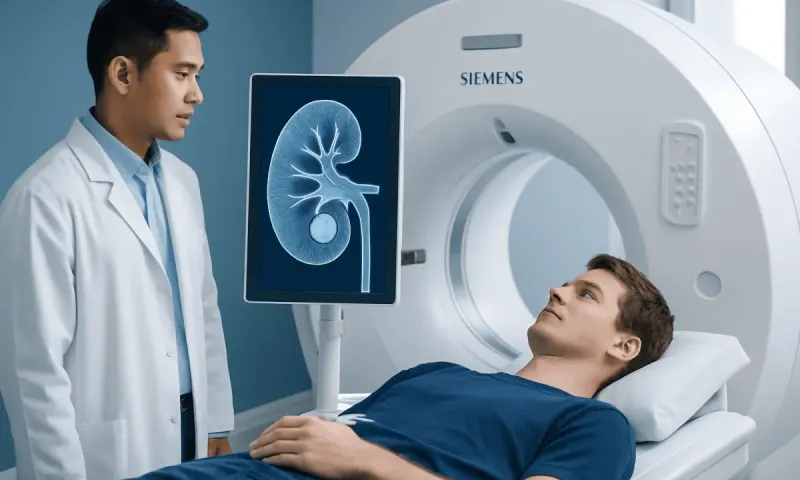
Home Remedies for Kidney Stones: When They May Help

Home remedies for kidney stones can sometimes support the passage of a small stone, especially by increasing fluid intake and using simple comfort measures. However, not every stone is safe to manage at home, so it is important to know which options are evidence-based and which symptoms need prompt medical care.
Overview: Which Home Remedies for Kidney Stones Actually Help?
Home remedies for kidney stones may help some people pass a small stone more comfortably, but they are not a cure for every case. The strongest evidence supports drinking enough fluids to maintain urine output, along with simple pain-relief measures while the stone moves through the urinary tract.
Many commonly shared remedies online are better described as supportive or traditional rather than proven. For example, citrus drinks may be helpful for some people because citrate can reduce stone formation, but they do not reliably dissolve an existing stone quickly. Home care is most appropriate when symptoms are mild, there is no fever, and a clinician has advised that watchful waiting is reasonable.
Kidney stones vary in size, location, and composition. A small stone may pass on its own, while a larger stone or one causing blockage may need medical treatment. For background on the condition itself, readers may also wish to learn more about kidney stones.
Symptoms That May Suggest a Kidney Stone
Kidney stones can cause very different symptoms from one person to another. Some people feel sudden, cramping pain in the side, back, lower abdomen, or groin. Others notice burning with urination, frequent urination, nausea, or urine that looks pink, red, or brown.
The pain often comes in waves and may shift location as the stone moves. Small stones can sometimes pass with only mild discomfort, while stones that block urine flow may cause intense pain. Not every urinary symptom is caused by a stone, so symptoms should be considered in context.
Common possible symptoms include:
- Sharp pain in the back or side
- Pain that radiates toward the groin
- Blood in the urine
- Nausea or vomiting
- Burning or discomfort during urination
- Urgency or frequent urination
- Cloudy or foul-smelling urine, which may suggest infection
If there is fever, chills, marked weakness, or difficulty passing urine, the situation should not be managed as a simple home-care problem. These can be warning signs of obstruction or infection.
Evidence-Based Home Care Options
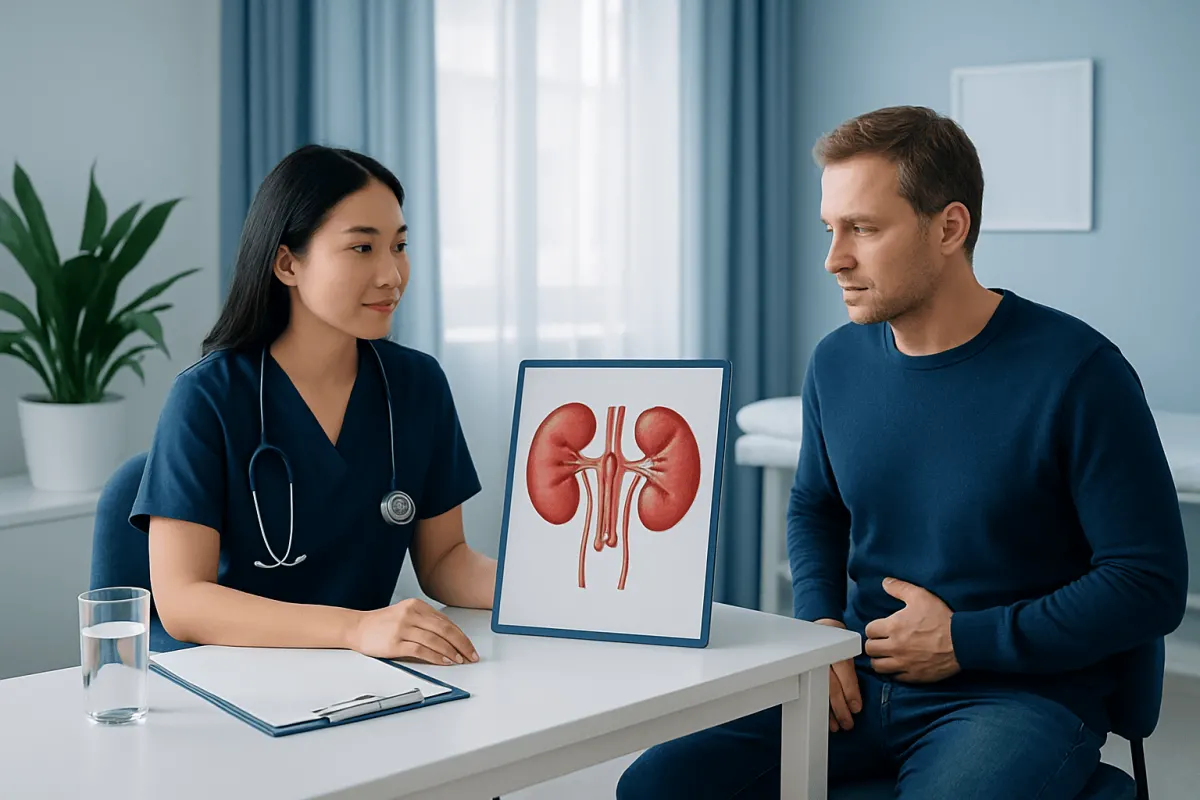
The most evidence-based home remedy for a suspected small kidney stone is hydration. Drinking water helps maintain urine flow, which may support the body as the stone passes naturally. Rather than forcing excessive amounts all at once, it is usually more practical to sip fluids regularly throughout the day unless a doctor has advised fluid restriction for another condition.
Comfort measures can also help. A heating pad or warm bath may relax muscles and reduce the sense of cramping. Resting in a position that feels comfortable and using over-the-counter pain medicine, when appropriate and safe for the individual, may also help with symptom control. People with kidney disease, stomach ulcers, bleeding risk, pregnancy, or other medical conditions should ask a clinician or pharmacist which pain relievers are suitable.
Some doctors may advise straining the urine at home to try to catch the stone. If the stone is collected, laboratory analysis can help identify its type, which is useful for prevention planning. For people with ongoing symptoms, clinicians may recommend imaging and, in selected cases, medicines or procedures such as kidney stone treatment or ureteroscopy when home care is not enough.
What home care cannot do is reliably break up most stones once they have formed. The goal is supportive care, symptom monitoring, and knowing when to move from home management to professional evaluation.
Popular Remedies With Limited or Mixed Evidence
Several drinks and supplements are widely promoted as natural ways to pass or dissolve stones. It is important to separate preventive ideas from treatments for a stone that is already causing symptoms. Evidence is often limited, and some remedies may not be suitable for everyone.
Lemon juice and other citrus beverages are commonly suggested because they contain citrate, a substance that can help reduce the formation of certain stones, especially calcium stones. This makes citrus intake more relevant to prevention than to rapidly dissolving an active stone at home. Unsweetened citrus drinks may be reasonable as part of fluid intake, but they should not replace medical assessment if pain is significant or symptoms are worsening.
Apple cider vinegar is frequently mentioned online, but strong clinical evidence for treating kidney stones is lacking. It may irritate the stomach or teeth and should not be considered a proven therapy. Herbal products, detox drinks, and high-dose supplements also vary in safety and quality. Some may interact with medicines or even increase stone risk depending on their contents.
Calcium restriction is another common misconception. In fact, very low calcium intake can increase the absorption of oxalate and may raise the risk of some stones. Any major dietary change should be individualized, especially if a person has had recurrent stones or has been told they have a specific stone type such as uric acid or calcium oxalate. Readers interested in related urinary concerns may also find urinary tract infection helpful, since infection can sometimes mimic or complicate stone symptoms.
What Makes Kidney Stones More Likely?
Kidney stones form when certain substances in the urine become concentrated and crystallize. Dehydration is one of the most important risk factors because low urine volume allows minerals and salts to build up more easily. Hot climates, heavy sweating, low fluid intake, and some work environments can all contribute.
Diet can also play a role, but the picture is more complex than simply avoiding one food. A high-sodium diet can increase calcium in the urine. Large amounts of animal protein may raise the risk of some stones. Foods high in oxalate, such as spinach, nuts, or chocolate, may matter in some people, especially when combined with low calcium intake.
Other risk factors include:
- A personal or family history of kidney stones
- Obesity or metabolic syndrome
- Certain bowel conditions or intestinal surgery
- Recurrent urinary tract infections
- Gout or high uric acid levels
- Some medications or supplements
- Structural problems in the urinary tract
Because stone prevention depends on why the stone formed, recurrent stones deserve proper medical work-up rather than repeated self-treatment alone. This may include urine testing, blood tests, imaging, and sometimes stone analysis.
Diagnosis and Medical Treatment When Home Care Is Not Enough
A clinician may suspect a kidney stone based on symptoms, physical examination, and urine findings, but imaging is often needed to confirm the diagnosis and understand the stone’s size and location. Ultrasound and CT scanning are commonly used. Urine tests may check for blood or signs of infection, and blood tests can help evaluate kidney function and possible metabolic causes.
Treatment depends on how large the stone is, where it is located, how severe the symptoms are, and whether there is infection or impaired urine flow. Small stones may be managed with fluids, pain control, and observation. In some cases, a doctor may prescribe medication to help a stone pass more easily, depending on the situation.
When a stone is unlikely to pass or is causing complications, a procedure may be recommended. Options can include shock wave lithotripsy for selected stones or endoscopic procedures to remove or break up the stone. The right choice depends on the stone and the patient’s overall health.
Near the end of the care pathway, prevention becomes just as important as treatment. A tailored plan may address hydration goals, sodium intake, calcium balance, oxalate intake, uric acid control, or prescription therapy based on the stone type.
Prevention and Self-Care After a Stone
After a kidney stone, prevention usually matters more than any single home remedy. The most broadly helpful step is maintaining enough fluid intake to keep urine diluted throughout the day. For many people, this means choosing water regularly and increasing intake in hot weather, during exercise, or when sweating heavily.
Dietary changes should be matched to the likely stone type. Reducing excess sodium is often helpful because it can lower urinary calcium. A balanced calcium intake from food is generally preferred over unnecessary restriction. Some people may need to moderate very high oxalate foods or reduce excess animal protein, but these decisions are best made with medical guidance.
Self-care habits that may support prevention include:
- Drinking water consistently rather than only when thirsty
- Limiting very salty processed foods
- Discussing supplements with a doctor before using them
- Following up if stones recur or symptoms return
- Saving a passed stone for analysis if advised
For international patients who need evaluation or treatment, Acıbadem Health Point’s multidisciplinary specialists in JCI-accredited hospitals diagnose and manage kidney stone disease using individualized plans based on symptoms, imaging, and stone risk factors.
When to Seek Medical Care
Red-flag symptoms should lead this decision. A person should seek urgent medical care for fever, chills, severe or worsening pain, repeated vomiting, inability to keep fluids down, trouble passing urine, very little urine, fainting, or blood in the urine with significant weakness. Prompt care is also important for pregnant patients, people with a single kidney, those with known kidney disease, or anyone with a weakened immune system.
Even without red flags, medical review is wise if pain lasts more than a short time, symptoms keep returning, or there is uncertainty about whether the problem is truly a stone. Abdominal pain, urinary discomfort, and blood in the urine can have other causes, including infection or other kidney and urinary conditions.
Home remedies for kidney stones are best viewed as supportive care for carefully selected situations, not a substitute for diagnosis. If there is any doubt about severity or safety, consulting a qualified doctor is the safest step.
Frequently asked questions
01Can home remedies dissolve a kidney stone?
Most home remedies do not reliably dissolve an existing kidney stone. Hydration and comfort measures may help a small stone pass, but many stones need medical assessment and some require a procedure.
02Is lemon water good for kidney stones?
Lemon water may be helpful mainly because it adds fluid intake and provides citrate, which can help prevent some stones from forming. It is better supported for prevention than as a quick treatment for a stone that is already causing symptoms.
03How much water should someone drink for a kidney stone?
There is no single amount that fits everyone, especially if a person has heart, kidney, or other medical conditions. In general, regular fluid intake spaced throughout the day is preferred, and a doctor may give more specific advice based on urine output and overall health.
04Are apple cider vinegar or herbal remedies proven to work?
Evidence for apple cider vinegar and many herbal remedies is limited or lacking. Some products can irritate the stomach, interact with medicines, or be unsafe in certain health conditions, so they should not replace professional care.
05How can someone tell if a kidney stone is an emergency?
Warning signs include fever, chills, severe uncontrolled pain, repeated vomiting, inability to urinate, very low urine output, or symptoms in someone with one kidney or kidney disease. These situations need prompt medical attention because blockage or infection can become serious.
06What is the best way to prevent kidney stones from coming back?
The best prevention plan depends on the type of stone and the person's risk factors. Common strategies include good hydration, reducing excess salt, reviewing diet with a clinician, and getting testing if stones are recurrent.
This article is for general information only and is not a substitute for professional medical advice. Please consult a qualified doctor about your individual situation.
Persistent digestive symptoms? Get evaluated in Turkey
JCI-accredited · board-certified surgeons · reply within 24h
Add us as a Preferred Source to see more of our trusted health content across Google Search, AI Overviews and Discover.