Parathyroid Cancer Symptoms in Females: Key Warning Signs

Parathyroid Breast Cancer Symptoms: Early Signs and Changes" class="ahp-ilk">cancer symptoms in females are usually caused by excess parathyroid hormone and high blood calcium rather than by the tumor itself. Symptoms can include persistent thirst, frequent urination, kidney stones, constipation, fatigue, bone pain and a neck lump, although these symptoms are more often linked to noncancerous parathyroid disease.
Parathyroid cancer symptoms in females: the answer first
Parathyroid cancer symptoms in females most often develop because the tumor produces too much parathyroid hormone (PTH). High PTH can raise the calcium level in the blood, leading to symptoms such as unusual thirst, frequent urination, constipation, nausea, tiredness, muscle weakness, bone pain and kidney stones.
These symptoms do not automatically mean cancer. Benign parathyroid adenomas and other forms of hyperparathyroidism are much more common. Still, a markedly high calcium level, a firm lump in the lower neck, hoarseness, severe bone or kidney problems, or symptoms that are progressing should be assessed by an endocrine specialist.
Females may notice symptoms during routine blood testing, during evaluation for osteoporosis, or after repeated kidney stones. Symptoms can overlap with common concerns such as fatigue, low mood, menopause-related sleep changes or digestive discomfort, so blood testing is important rather than relying on symptoms alone.
Understanding the parathyroid glands and parathyroid cancer
Most people have four parathyroid glands, small glands located behind the thyroid in the neck. Their main job is to release PTH, which helps keep calcium levels within a healthy range. Calcium is needed for bone strength, muscle movement, nerve signaling and normal heart function.
Parathyroid cancer is a rare malignancy arising from a parathyroid gland. Many cases are functioning tumors, meaning they release excess PTH and cause primary hyperparathyroidism. A smaller number produce little or no excess hormone and may be identified because of a neck mass or pressure-related symptoms.
In females, parathyroid cancer can occur at different ages, but it is not considered a common female cancer. It is distinct from thyroid cancer, even though the glands sit close together. A diagnosis requires careful assessment because benign and malignant parathyroid conditions can appear similar before surgery.
Some inherited conditions may increase the likelihood of parathyroid tumors in a family. A clinician may recommend genetic counseling or testing when there is a young age at diagnosis, a family history of endocrine tumors, recurrent disease or features that suggest an inherited syndrome.
What percentage of parathyroid tumors are cancerous?

Only a very small proportion of parathyroid tumors are cancerous. Most sources estimate that parathyroid carcinoma accounts for less than 1% of cases of primary hyperparathyroidism in many populations, although estimates can vary by referral center and geographic setting. The great majority of parathyroid tumors are benign adenomas.
This is reassuring, but it does not remove the need for proper evaluation. A very high blood calcium level together with a markedly raised PTH level can raise concern for more severe parathyroid disease. A large, firm neck mass, vocal changes, significant bone disease or kidney complications may also prompt doctors to investigate carefully.
Doctors cannot always confirm cancer from blood tests or scans alone. In many cases, the diagnosis depends on findings during surgery and examination of removed tissue by an experienced pathologist, particularly evidence that the tumor has invaded nearby tissues or spread beyond the gland.
How do you know if you have a tumor on your parathyroid gland?
A person usually cannot tell by touch whether there is a parathyroid tumor. The glands are small and deep in the neck, and many tumors cause no visible swelling. The first clue is often an abnormal calcium level found on a routine blood test, followed by testing of PTH, kidney function, phosphorus and vitamin D.
When PTH is inappropriately high in the setting of elevated calcium, primary hyperparathyroidism is likely. Doctors may also measure calcium in urine to help distinguish this condition from other causes of high blood calcium. Bone-density testing and kidney imaging may be used to look for effects on the skeleton and urinary tract.
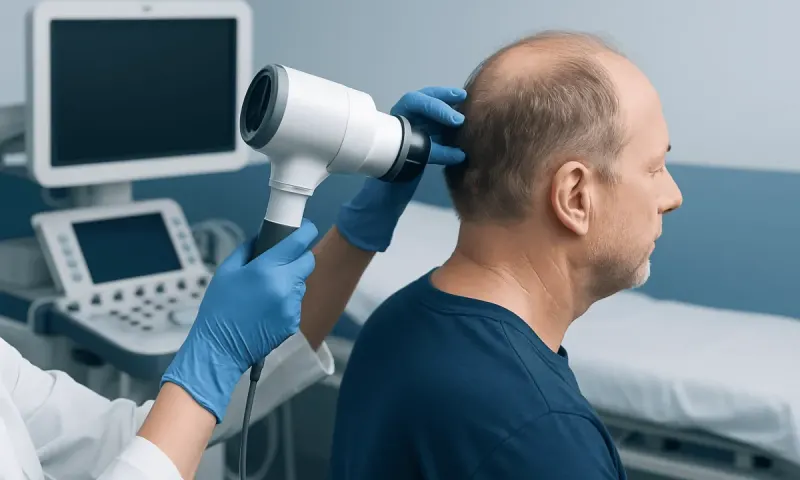
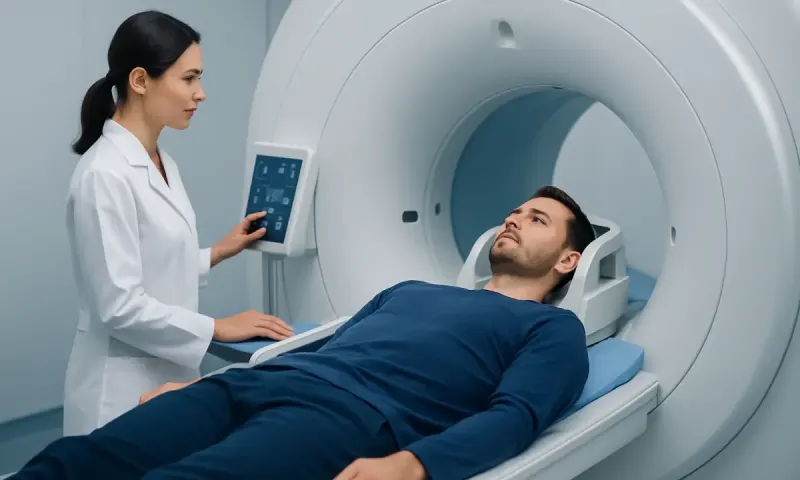
Ultrasound of the neck, sestamibi scanning, 4D CT or other imaging may help locate an overactive gland before surgery. These scans are used mainly for surgical planning; they do not reliably determine whether a tumor is benign or cancerous. Needle biopsy is generally avoided when parathyroid cancer is suspected because it may complicate later surgery.
Assessment may involve endocrinology, endocrine surgery, radiology, pathology and oncology specialists. The goal is to establish the cause of abnormal calcium safely and to plan the most appropriate treatment.
Diagnosis and modern treatment approaches
Diagnosis begins with a medical history, physical examination and repeated laboratory testing. Doctors consider the calcium and PTH results together, as well as kidney function, vitamin D status, urine calcium and any symptoms or complications. A careful neck examination may identify a mass, though many people do not have one.
If cancer is suspected or confirmed, surgery is the main treatment. The surgeon aims to remove the cancerous parathyroid gland in one piece, often with nearby tissue if it appears involved. Complete removal at the first operation is important because these tumors can recur locally.
After surgery, calcium and PTH levels are monitored closely. Some people need temporary or longer-term calcium and vitamin D support while the remaining parathyroid tissue adjusts. If disease returns or has spread, management may include further surgery when feasible and medicines to control high calcium; radiation therapy may be considered in selected situations, while systemic cancer treatments have a more limited role.
Long-term follow-up is essential because recurrence can occur years later. Follow-up commonly includes calcium and PTH blood tests, symptom review and imaging when results or symptoms suggest recurrent disease. Acıbadem Health Point’s multidisciplinary specialists and JCI-accredited hospitals evaluate and treat endocrine and parathyroid conditions for international patients.
What is the best diet for people with hyperparathyroidism?
There is no single diet that cures hyperparathyroidism or replaces treatment for an overactive parathyroid gland. The most appropriate eating plan depends on calcium level, kidney function, kidney stone history, bone health, medicines and whether surgery is planned. Advice should therefore be individualized with a doctor or registered dietitian.
In general, regular hydration is important unless a clinician has advised fluid restriction. Drinking enough water can help reduce dehydration and may lower the likelihood of some kidney stone complications. A balanced diet with adequate protein, fruit, vegetables and fiber may also help support overall health and ease constipation.
People should not severely restrict calcium on their own. Very low calcium intake may stimulate further PTH release and can affect bone health. Likewise, calcium or vitamin D supplements should be taken only according to clinical advice, particularly when blood calcium is elevated. Excessive salt intake may increase calcium loss into urine, so moderating highly salty foods can be helpful for some people.
Alcohol should be kept within recommended limits, and smoking should be avoided because both can harm bone health. People with kidney stones may need more specific dietary guidance based on the type of stone and urine test results.
What are the symptoms of autoimmune parathyroid disease?
Autoimmune parathyroid disease usually refers to autoimmune hypoparathyroidism, in which the immune system damages the parathyroid glands and PTH becomes too low. This differs from parathyroid cancer and from the usual form of hyperparathyroidism, where PTH is too high.
Low PTH can lead to low blood calcium. Symptoms may include tingling around the mouth or in the hands and feet, muscle cramps or spasms, twitching, fatigue, anxiety, dry skin and brittle nails. More severe low calcium can cause painful muscle contractions, seizures or changes in heart rhythm and needs urgent medical assessment.
Autoimmune hypoparathyroidism can occur on its own or as part of a broader autoimmune syndrome. Blood tests for calcium, phosphorus, magnesium and PTH help establish the cause. Treatment is different from treatment for hyperparathyroidism and commonly focuses on safely restoring and maintaining calcium levels under specialist supervision.
When to seek medical care
Medical care should be sought soon for persistent thirst, frequent urination, repeated kidney stones, unexplained constipation, nausea, worsening fatigue, weakness, bone pain or an unexplained high calcium result. These symptoms are common and have many possible causes, but a simple blood test can identify whether calcium or PTH needs further assessment.
A prompt appointment is especially important for a new neck lump, trouble swallowing, persistent hoarseness, unexplained fractures, or a personal or family history of parathyroid or other endocrine tumors. People already treated for parathyroid cancer should keep scheduled follow-up visits and report new symptoms between appointments.
Urgent medical attention is appropriate for severe vomiting, confusion, marked drowsiness, dehydration, severe weakness, a sudden change in mental state, or painful muscle spasms and seizures. These can occur with significant disturbances in calcium levels and should not be managed at home.
Although parathyroid cancer is rare, early evaluation of abnormal calcium levels can identify both benign and serious parathyroid conditions and support timely treatment.
Frequently asked questions
01Are parathyroid cancer symptoms different in females?
The core symptoms are generally the same in females and males because they are mainly caused by excess PTH and high calcium. Females may first be evaluated after osteoporosis, a fracture, fatigue or recurrent kidney stones, but these findings do not by themselves indicate cancer.
02Can parathyroid cancer cause a lump in the neck?
It can, although many parathyroid tumors cannot be felt. A firm lower-neck lump, especially with high calcium or hoarseness, should be evaluated by a doctor. Thyroid nodules and other noncancerous causes are much more common explanations for neck lumps.
03Can a blood test diagnose parathyroid cancer?
Blood tests can show high calcium and high PTH, which suggest an overactive parathyroid gland. They cannot reliably prove that a tumor is cancerous. Confirmation usually depends on surgical and pathology findings.
04Is parathyroid cancer curable?
Complete surgical removal is the primary treatment and provides the best opportunity for long-term disease control. Outcomes vary according to whether the tumor can be fully removed and whether it has recurred or spread. Ongoing follow-up is important because recurrence may occur later.
05Does high calcium always mean parathyroid cancer?
No. High calcium has several possible causes, and primary hyperparathyroidism from a benign adenoma is far more common than parathyroid cancer. Medicines, dehydration, vitamin-related conditions and other illnesses can also affect calcium levels.
06Can diet lower parathyroid hormone levels?
Diet alone does not treat a parathyroid tumor or reliably lower excessive PTH production. Good hydration and balanced nutrition can support general health, but treatment decisions should be based on blood tests, symptoms and specialist advice.
This article is for general information only and is not a substitute for professional medical advice. Please consult a qualified doctor about your individual situation.
Persistent digestive symptoms? Get evaluated in Turkey
JCI-accredited · board-certified surgeons · reply within 24h
Add us as a Preferred Source to see more of our trusted health content across Google Search, AI Overviews and Discover.