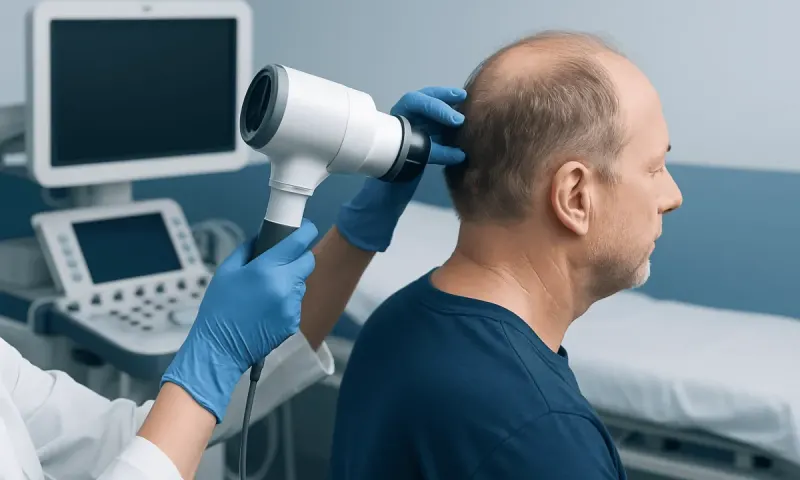
Armpit Rash Cancer: Signs, Diagnosis, and Treatment
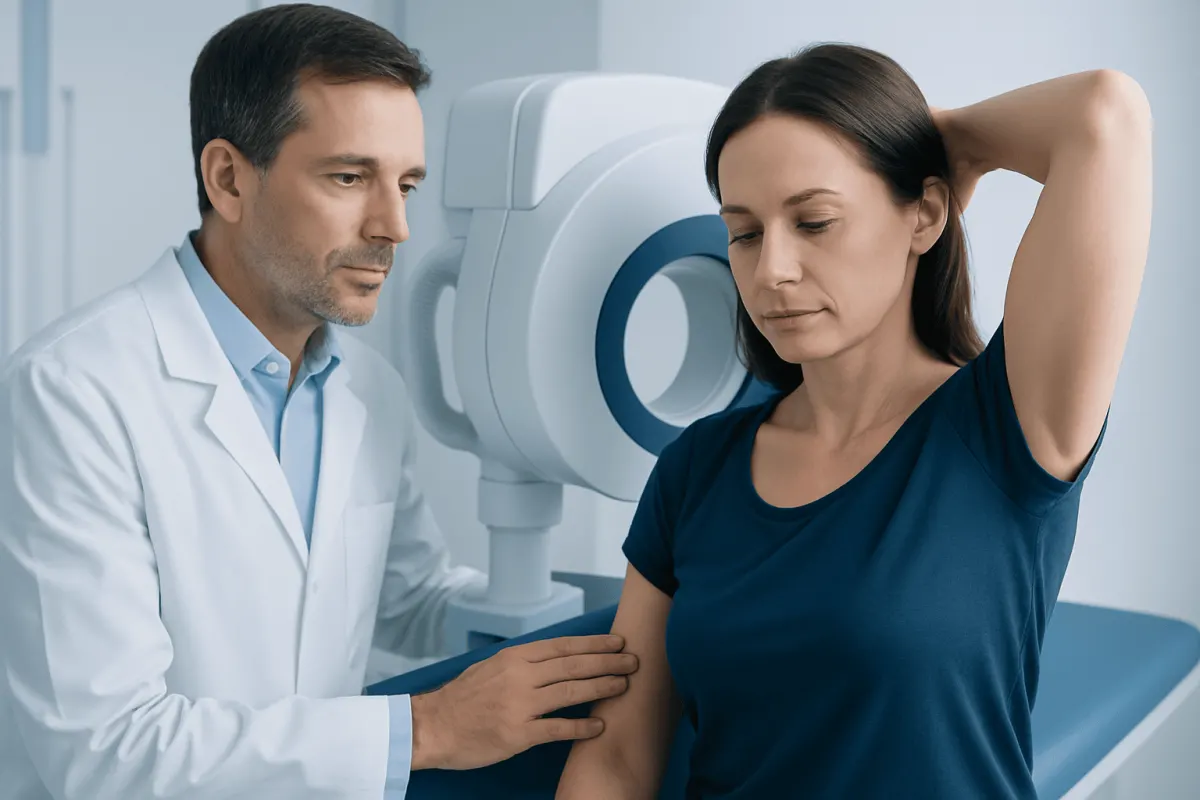
Armpit rash cancer is uncommon, and most rashes beneath the arm result from irritation, infection, shaving, sweat, or contact allergy. However, a rash that persists, changes, bleeds, forms a lump, or occurs with swollen lymph nodes should be assessed by a qualified clinician.
Armpit Rash Cancer: An Overview
Armpit rash cancer is not a diagnosis by itself. It describes concern that a rash, skin change, or lump in the armpit may be related to cancer. In practice, most underarm rashes have non-cancerous causes, including friction, sweating, deodorant reactions, shaving irritation, eczema, fungal infection, or bacterial inflammation.
Still, an armpit rash should not be ignored if it does not improve, continues to recur in the same area, or appears alongside a firm lump, enlarged lymph nodes, unexplained weight loss, fever, or drenching night sweats. A clinician can examine the skin and nearby lymph nodes and decide whether testing is needed.
Cancer may affect the armpit in several ways. A skin cancer can develop directly in the area, lymphoma can involve lymph nodes or occasionally the skin, and cancers such as breast cancer can spread to axillary lymph nodes. These possibilities are much less common than everyday skin conditions, but early assessment helps provide clarity and appropriate care.
What are the symptoms of cancerous lymph nodes in the armpit?
Cancerous lymph nodes in the armpit may feel like a lump or swelling beneath the skin. The lump is often painless, firm, and may gradually increase in size. It can feel fixed in place rather than freely movable, although these features alone cannot determine whether a node is cancerous.
Other possible symptoms include persistent armpit fullness, discomfort from pressure on surrounding tissues, or swelling in the arm. Depending on the underlying cause, a person may also notice breast changes, a changing skin lesion, fatigue, unexplained fever, unintentional weight loss, or night sweats. These symptoms can occur in many non-cancerous illnesses as well.
Infections commonly cause tender, painful lymph nodes, often with redness or warmth in the skin. However, symptoms overlap considerably. A persistent, enlarging, or unexplained armpit lump should be assessed rather than self-diagnosed.
- A lump lasting more than a few weeks
- A hard, enlarging, or fixed-feeling node
- Skin dimpling, ulceration, bleeding, or a changing mole
- Unexplained fever, night sweats, or weight loss
- Breast, chest wall, or arm changes occurring with armpit swelling
What cancer causes rash under the armpit?

Several cancers can occasionally cause an underarm rash or skin change, but they are far less frequent than irritation or infection. Skin cancers, including melanoma, squamous cell carcinoma, and basal cell carcinoma, can arise on skin exposed to friction or sun over time. A lesion may be scaly, crusted, non-healing, pigmented, bleeding, or progressively changing.
Cutaneous lymphoma is a rare lymphoma that starts in the skin and may cause persistent scaly patches, plaques, bumps, or itchy areas. Some forms of lymphoma also cause enlarged lymph nodes in the armpit. The appearance can resemble eczema or other inflammatory skin disorders, so a biopsy may be needed when a rash is persistent or atypical.
Breast cancer may spread to armpit lymph nodes and can sometimes be associated with changes in the breast or nearby skin. Inflammatory breast cancer is an uncommon but urgent form that may cause rapid breast redness, swelling, warmth, heaviness, or skin thickening; it does not necessarily begin as an isolated armpit rash. Cancers from other locations can also, less commonly, spread to axillary lymph nodes.
Because many benign conditions look similar, it is important not to assume a rash represents cancer. A dermatologist, breast specialist, or primary care clinician can determine whether examination, imaging, or tissue testing is appropriate.
How doctors diagnose an armpit rash or lump
Diagnosis begins with a medical history and physical examination. The clinician may ask when the rash started, whether it itches or hurts, whether new products or medicines were used, and whether there have been recent infections, injuries, vaccinations, or shaving-related irritation. They will examine the rash, both armpits, the breasts or chest wall when relevant, and lymph node areas elsewhere in the body.
If a cancer-related cause is possible, further evaluation may include ultrasound of the armpit, mammography or breast ultrasound when breast disease is a concern, and other imaging such as CT, MRI, or PET scanning in selected situations. Blood tests can help assess general health but usually cannot diagnose cancer on their own.
A biopsy is the most reliable way to confirm or exclude many cancers. For a suspicious lymph node, this may involve a fine-needle aspiration, core needle biopsy, or surgical biopsy. A skin biopsy may be recommended for a persistent rash, changing lesion, or suspected cutaneous lymphoma. Pathology testing identifies the cell type and guides treatment planning.
Modern treatment approaches and outlook
Treatment depends entirely on the diagnosis. A non-cancerous rash may improve with avoiding an irritant, treating an infection, addressing moisture and friction, or using prescribed topical treatment. A clinician should confirm the cause before prolonged use of medicated creams, especially if the rash is not improving.
For lymphoma, treatment may include active monitoring for selected slow-growing forms, chemotherapy, immunotherapy, targeted medicines, radiation therapy, cellular therapies, or stem cell transplantation in certain circumstances. The plan depends on the lymphoma subtype, extent of disease, laboratory findings, symptoms, age, and overall health. Information about lymphoma can help patients understand why the exact subtype matters.
When breast cancer is involved, care may combine surgery, radiation therapy, chemotherapy, hormone therapy, targeted therapy, or immunotherapy, depending on tumor characteristics and stage. Skin cancers may be treated with surgery, topical medicines, radiation, or systemic treatment for advanced disease. The outlook varies widely; it is best discussed after pathology and staging results are available.
Multidisciplinary specialists at Acıbadem Health Point’s JCI-accredited hospitals diagnose and treat cancer conditions for international patients, coordinating pathology, imaging, oncology, surgery, and supportive care where needed.
What foods should a person with lymphoma avoid?
There is no single food that causes lymphoma or a specific diet proven to cure it. Most people with lymphoma benefit from a varied diet with adequate protein, vegetables and fruit, whole grains when tolerated, and sufficient fluids. Individual dietary advice may change during treatment because appetite, digestion, immune function, and blood counts can be affected.
People receiving chemotherapy, stem cell transplantation, high-dose steroids, or other immune-suppressing treatment may be advised to take extra food-safety precautions. Their care team may recommend avoiding raw or undercooked eggs, meat, seafood, and unpasteurized dairy products or juices, as well as foods prepared or stored unsafely. Guidance differs between Cancer Treatment Centers: How It Works, Results and What to Expect" class="ahp-ilk">treatment centers and should be individualized.
It is generally sensible to limit alcohol, highly processed foods, and supplements marketed as cancer cures. Some supplements and herbal products can interfere with cancer medicines or increase bleeding risk. A doctor or oncology dietitian should review any supplement before it is started.
I recently got diagnosed with lymphoma. What should I do now?
A lymphoma diagnosis can feel overwhelming, but there are practical next steps. The first is to ensure the diagnosis has been reviewed by an experienced hematopathologist or cancer team, because lymphoma includes many different subtypes that may be managed very differently. Ask for the exact lymphoma name, whether it is Hodgkin or non-Hodgkin lymphoma, and what tests are being used to determine its stage and risk features.
Patients can bring a trusted relative or friend to appointments, write down questions, and keep copies of pathology reports, scan reports, medication lists, and contact details. Useful questions include the goal of treatment, available options, expected benefits and side effects, whether fertility preservation should be discussed, and whom to contact for new symptoms between visits.
Supportive care is also important. This may include help with nausea, pain, fatigue, nutrition, emotional wellbeing, work or travel concerns, vaccinations, and infection prevention. A second opinion can be reasonable, particularly for an uncommon subtype or when major treatment decisions are being considered, and it should not delay urgent care when treatment needs to begin promptly.
When to seek medical care
Medical assessment is recommended for an armpit rash that lasts longer than two to three weeks, repeatedly returns without an obvious trigger, spreads, or does not respond to simple measures such as avoiding a suspected irritant. A clinician should also examine a rash that is scaly, ulcerated, bleeding, darkly pigmented, or associated with a new lump.
Prompt medical care is particularly important for a growing armpit lump, unexplained breast changes, swelling of the arm, persistent fever, drenching night sweats, or unintentional weight loss. These signs do not prove cancer, but they warrant timely evaluation.
Urgent assessment is appropriate if there is rapidly spreading redness, severe pain, high fever, marked swelling, or signs of a serious allergic reaction such as trouble breathing or swelling of the lips, tongue, or face. Early medical review can identify common treatable causes and ensure that less common serious conditions are not missed.
Frequently asked questions
01Can an armpit rash be a sign of cancer?
It can be, but this is uncommon. Most armpit rashes are caused by irritation, allergy, infection, sweating, or inflammatory skin conditions. A rash that persists, changes, bleeds, or occurs with a lump should be checked by a clinician.
02Does lymphoma cause an armpit rash?
Lymphoma may cause enlarged lymph nodes in the armpit, and rare cutaneous lymphomas can produce a persistent rash or skin lesions. However, an underarm rash alone is much more likely to have a non-cancerous cause. A biopsy may be needed if a rash is persistent or suspicious.
03Are swollen armpit lymph nodes always cancer?
No. Lymph nodes commonly swell in response to infections, skin inflammation, injury, or recent vaccination. A node that persists, enlarges, feels hard, or is associated with concerning symptoms should be medically assessed.
04How is an armpit lump tested for cancer?
A clinician may start with an examination and ultrasound. Depending on the findings, mammography, additional imaging, blood tests, or a needle or surgical biopsy may be recommended. A biopsy is usually needed to confirm the exact cause of a suspicious lymph node.
05Can deodorant cause an armpit rash?
Yes. Fragrances, preservatives, and other ingredients in deodorants or antiperspirants can trigger irritant or allergic contact dermatitis. Stopping the suspected product and seeking medical advice if the rash persists can help distinguish this from other causes.
06What is the outlook if armpit lymph nodes contain cancer?
The outlook depends on the cancer type, its stage, tumor biology, response to treatment, and a person's overall health. Some cancers involving lymph nodes are highly treatable, while others require longer-term management. The treating team can provide the most accurate outlook after diagnostic testing is complete.
This article is for general information only and is not a substitute for professional medical advice. Please consult a qualified doctor about your individual situation.
Medical weight-loss options in Turkey — costs & eligibility
JCI-accredited · board-certified surgeons · reply within 24h
Add us as a Preferred Source to see more of our trusted health content across Google Search, AI Overviews and Discover.