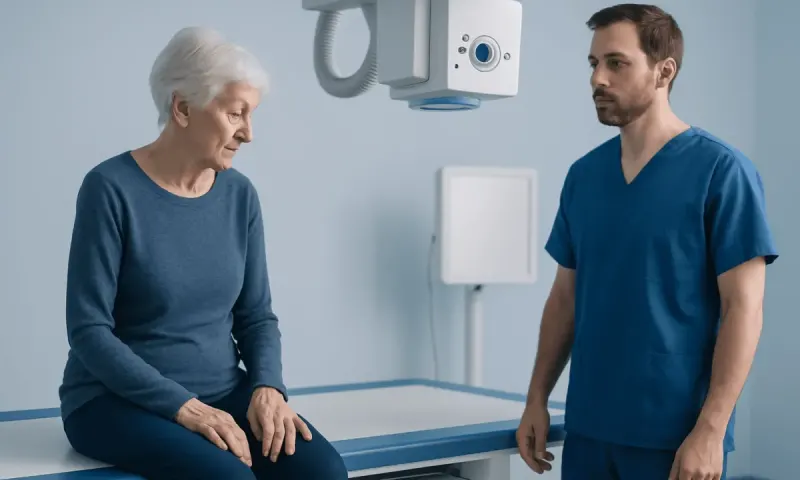
Osteoporosis: Symptoms, Causes and Treatment

Key Takeaways
- Osteoporosis may cause no symptoms until a fracture happens.
- Back pain, height loss, and a stooped posture can be warning signs.
- A bone density test helps confirm bone loss and estimate fracture risk.
- Calcium, vitamin D, exercise, and fall prevention support bone health.
- People with risk factors may benefit from earlier screening and medical advice.
Osteoporosis often develops quietly, so symptoms may not appear until a bone breaks or posture begins to change. Understanding the subtle warning signs can help people seek evaluation earlier and protect bone health before a fracture occurs.
Overview
Osteoporosis is a condition in which bones become less dense and more fragile over time. Because the process is gradual, many people do not realize anything is wrong until a fracture occurs after a minor fall, a cough, or even routine movement. For that reason, the term osteoporosis symptoms can be misleading: the condition is often described as “silent” in its early stages.
When symptoms do appear, they are usually linked to bone weakness rather than the bone loss itself. A person may notice back pain, a change in posture, loss of height, or a fracture that seems out of proportion to the injury. These changes deserve medical attention, especially in adults with risk factors such as menopause, older age, low body weight, smoking, long-term steroid use, or a family history of osteoporosis.
For international patients arranging care from another country, early clarity matters. If osteoporosis is suspected, a specialist can combine symptom review, imaging, and laboratory testing to explain whether the concern is simple bone thinning, another bone disorder, or a fracture that needs treatment. That assessment helps guide the next steps without delay.
Symptoms
Most people with osteoporosis have no obvious symptoms at first. The condition is often discovered only after a bone density scan or after a fracture occurs. Still, certain changes can suggest that bones have become weaker and should be checked.
Common signs and symptoms may include:
- Back pain, especially if it starts suddenly or follows a minor strain
- Loss of height over time
- A stooped or rounded upper back
- Fractures after low-impact injuries, such as a fall from standing height
- Wrist, hip, or spine fractures that happen more easily than expected
Some people also notice reduced mobility or a fear of movement after repeated small injuries. These are not direct symptoms of bone loss, but they can follow from it and affect daily life. A fracture in the spine may not always be dramatic; it can present as persistent aching, reduced ability to stand tall, or an unexplained change in back shape.
Because symptoms can be subtle, a person should not wait for severe pain before seeking evaluation. In osteoporosis, earlier recognition can help prevent the next fracture rather than simply responding to the last one.
Causes & Risk Factors
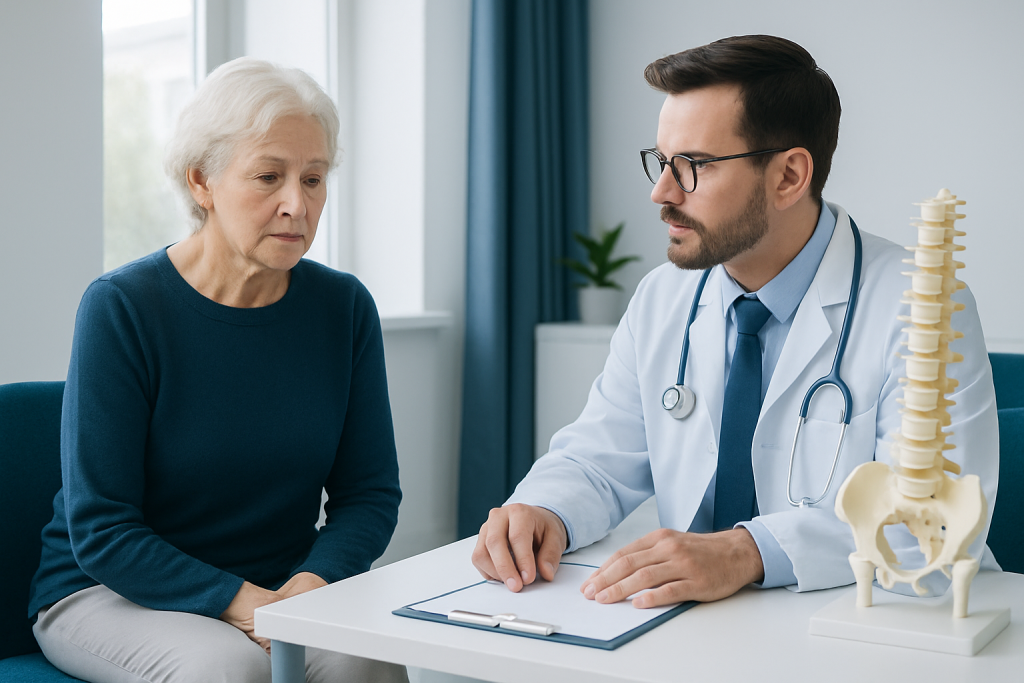
Osteoporosis develops when bone breakdown happens faster than bone building. During life, bone is constantly renewed, but this balance can shift with age, hormone changes, nutrition issues, certain illnesses, and some medications. Over time, the internal structure of bone becomes thinner and more brittle.
Risk factors include age, female sex after menopause, a history of fractures, low calcium intake, vitamin D deficiency, inactivity, smoking, heavy alcohol use, and a small body frame. Long-term use of corticosteroids and some treatments for other conditions may also reduce bone strength. Certain medical conditions, such as thyroid disorders, inflammatory diseases, malabsorption, and some hormonal problems, can contribute as well.
Family history also matters. If a parent had a hip fracture or known osteoporosis, the risk may be higher. That is one reason doctors often ask about previous fractures, menstrual history, weight changes, and medications when evaluating bone health. In practice, the symptom picture and the risk profile are reviewed together, because osteoporosis rarely declares itself through symptoms alone.
Diagnosis
Diagnosis usually begins with a detailed history and physical examination. A clinician asks about fractures, height loss, pain, posture changes, past illnesses, medication use, menstrual or menopausal history, diet, physical activity, and fall risk. This is especially important for people who may be traveling internationally for care, because a thorough first assessment helps avoid unnecessary repeat testing later.
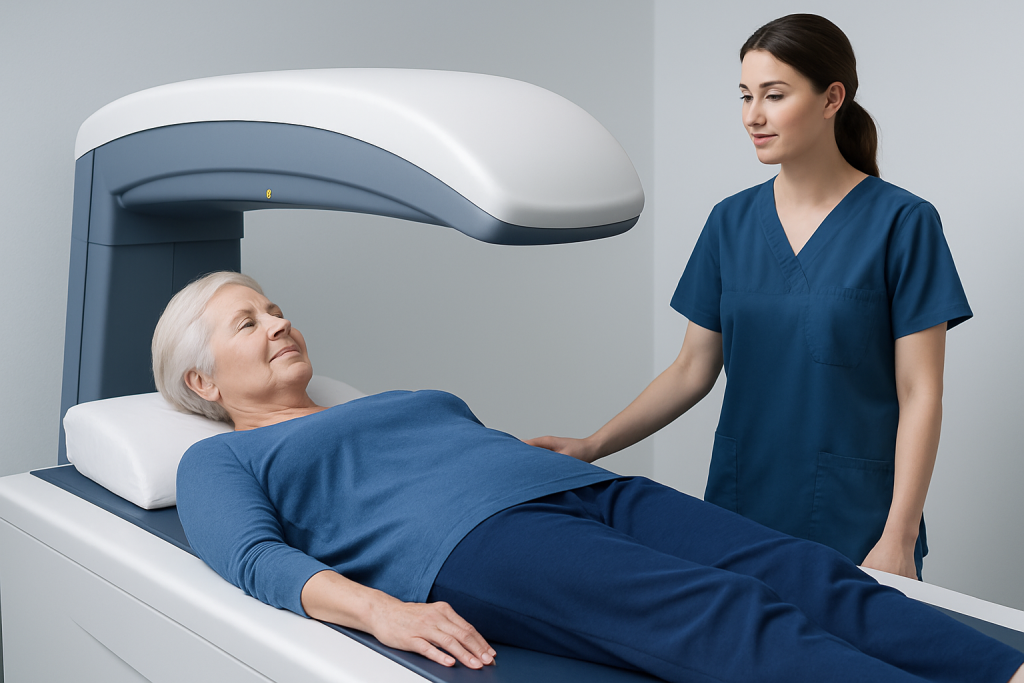
The main test used to measure bone density is a dual-energy X-ray absorptiometry scan, often called a DXA or DEXA scan. It helps show whether bone density is lower than expected and can guide treatment decisions. Depending on the situation, doctors may also order blood or urine tests to look for vitamin D deficiency, calcium imbalance, thyroid problems, kidney issues, or other causes of bone loss.
If a fracture is suspected, an X-ray or other imaging study may be needed. Sometimes a spinal fracture is found incidentally when imaging is done for back pain or posture changes. Diagnosis is not only about naming osteoporosis; it is also about understanding whether the person is at immediate fracture risk and what can be done to lower it.
Treatment Options
Treatment is tailored to the person’s fracture risk, age, overall health, and test results. The goal is to strengthen bones where possible, reduce the chance of future fractures, and preserve independence. For many patients, treatment includes both medication and lifestyle measures rather than one or the other.
Doctors may recommend bone-strengthening medicines when the fracture risk is significant. These treatments are selected individually, and the choice depends on the type of bone loss, prior fractures, and other health conditions. In some situations, treatment may also address the underlying cause, such as low vitamin D, hormone imbalance, or another medical condition contributing to bone loss.
Supportive care is equally important. Pain from a recent fracture may require short-term management, and rehabilitation can help restore movement, balance, and confidence. For people who coordinate care across borders, a well-planned treatment pathway can make follow-up smoother: the diagnosis can be clarified before travel, treatment can begin under specialist supervision, and monitoring can continue with shared records after returning home.
Prevention & Self-care
Bone health responds to everyday habits, even when genetics and age cannot be changed. A diet with enough calcium and vitamin D supports bone maintenance, while regular weight-bearing and muscle-strengthening exercise helps bones and balance. Walking, stair climbing, resistance training, and tailored balance work are often useful, depending on a person’s ability and medical advice.
Fall prevention is another key part of self-care. Good lighting, safe footwear, clear walkways, vision checks, and attention to medications that cause dizziness can all lower the chance of injury. Quitting smoking, limiting alcohol, and staying active also support stronger bones and overall health.
People already diagnosed with osteoporosis should follow the treatment plan consistently and attend monitoring visits as advised. If a new pain, sudden height loss, or a minor fall leads to discomfort that does not settle, it is reasonable to seek reassessment. Small changes can be the body’s way of signaling that a fracture has occurred or that risk is increasing.
When to See a Doctor
Medical evaluation is important if a person has back pain after minor strain, has lost height, notices a rounded upper back, or sustains a fracture from a low-impact injury. These findings may indicate osteoporosis or another bone problem that deserves prompt investigation. A doctor can help determine whether the pain is coming from a muscle, a spinal fracture, or a different cause altogether.
People with major risk factors should also ask about screening even if they feel well. This includes adults after menopause, older men and women, those with a history of fractures, people taking long-term steroids, and anyone with a condition known to affect bone strength. In many cases, the best time to act is before the first serious fracture occurs.
If care is being sought internationally, it can be helpful to gather previous scans, lab results, and medication lists before the visit. Acibadem Health Point’s multidisciplinary specialists and JCI-accredited hospitals diagnose and treat osteoporosis for international patients, helping coordinate evaluation, treatment, and follow-up with clear communication. The right assessment can turn a vague worry about weak bones into a concrete plan.
Frequently asked questions
01Can osteoporosis cause symptoms before a fracture happens?
Often it does not. Many people have no noticeable symptoms until a bone breaks or a spinal change, such as height loss, becomes apparent. That is why screening and risk assessment are so important.
02Is back pain always a sign of osteoporosis?
No, back pain has many possible causes, including muscle strain and arthritis. However, sudden or persistent back pain in someone at risk for osteoporosis should be evaluated, especially if there is height loss or posture change.
03What is the most common symptom of osteoporosis?
The most common “symptom” is actually the absence of symptoms until a fracture occurs. When signs do appear, they often include fractures, height loss, and a curved upper back.
04How is osteoporosis confirmed?
A bone density test, usually a DXA scan, is the standard test used to assess bone mineral density. Doctors may also use imaging and blood tests to look for fractures or causes of bone loss.
05Can osteoporosis be managed without medication?
Some people with lower risk may focus on lifestyle measures, nutrition, and fall prevention, but many patients need medication as well. The decision depends on bone density, fracture history, and overall fracture risk.
06Should younger adults worry about osteoporosis symptoms?
It is less common in younger adults, but it can occur, especially with certain medical conditions, medications, or eating disorders. Unexplained fractures or bone pain in a younger person should still be checked by a doctor.
This article is for general information only and is not a substitute for professional medical advice. Please consult a qualified doctor about your individual situation.
Joint and spine care in Turkey — expert assessment & treatment
JCI-accredited · board-certified surgeons · reply within 24h
Add us as a Preferred Source to see more of our trusted health content across Google Search, AI Overviews and Discover.