Reverse Shoulder Replacement: Procedure and Recovery

Key Takeaways
- Reverse shoulder replacement is often considered when the rotator cuff can no longer support the shoulder normally.
- The procedure changes the shoulder’s mechanics so other muscles, especially the deltoid, can help lift the arm.
- It may be recommended for severe arthritis, complex fractures, or long-standing rotator cuff problems.
- Recovery usually includes a period of protection followed by structured rehabilitation.
- A careful evaluation helps determine whether this operation is the right option for the person’s shoulder condition.
Reverse shoulder replacement is a specialized shoulder surgery designed for people whose shoulder pain and loss of function are not well managed by simpler treatments, often when the rotator cuff is badly damaged. By changing the mechanics of the joint, it can help improve stability, pain relief, and everyday arm use.
Overview
Reverse shoulder replacement is a type of shoulder arthroplasty used for selected patients with severe shoulder damage. It is called “reverse” because the normal ball-and-socket arrangement is switched: the metal ball is attached to the shoulder blade side, and the socket is placed on the upper arm bone.
This design helps the shoulder function differently. Instead of relying heavily on a torn or weakened rotator cuff to stabilize and move the joint, the procedure allows the deltoid muscle to do more of the work. For people who have pain, weakness, and difficulty lifting the arm, this change can make daily activities feel more manageable.
The operation is not meant for every shoulder problem. It is usually considered after imaging, physical examination, and a discussion of whether nonsurgical care has been tried. For international patients, the decision often includes practical planning as well: travel timing, family support, rehabilitation access at home, and how follow-up will be coordinated after returning to their country.
Symptoms and Signs That May Lead to Evaluation
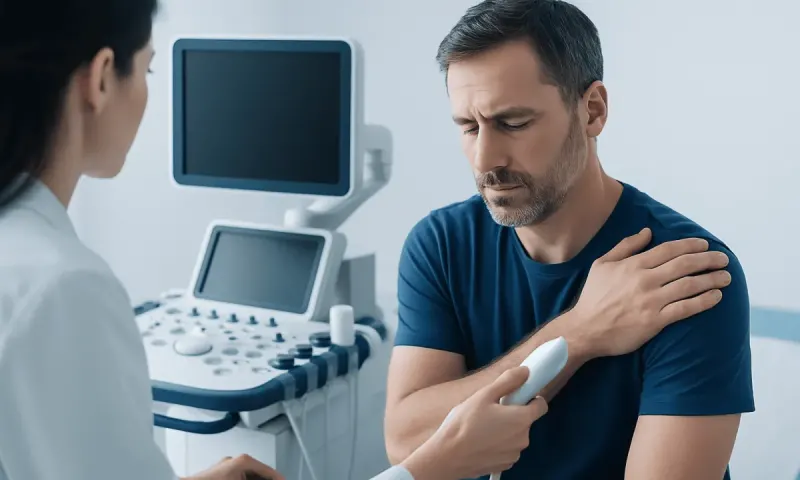
People who eventually need reverse shoulder replacement commonly describe pain that persists even at rest or at night. The shoulder may also feel weak, stiff, or unreliable when reaching overhead, dressing, or lifting objects from a shelf.
Another frequent pattern is loss of active motion. A person may be able to move the arm a little with help from the other hand or from a clinician during an exam, but not raise it well on their own. This difference can suggest that the rotator cuff is no longer providing enough support for normal movement.
Symptoms often build gradually, but they may also appear after an injury or after a long period of shoulder disease. A doctor will consider the full picture, including how the shoulder problem affects sleep, independence, driving, work, and the ability to travel comfortably if treatment is being sought abroad.
- Persistent shoulder pain
- Difficulty lifting the arm
- Weakness with overhead movement
- Night pain
- Reduced range of motion
Causes and Risk Factors

Reverse shoulder replacement is often recommended for conditions that damage the rotator cuff and the joint surfaces at the same time. One common reason is rotator cuff tear arthropathy, in which long-standing cuff tears lead to arthritis and altered shoulder mechanics.
It may also be used for severe osteoarthritis when the rotator cuff is not functioning well, for some complex fractures of the upper arm, or for revision surgery after a previous shoulder replacement has failed. In each situation, the shared problem is that the shoulder can no longer rely on its normal stabilizing structures.
Risk factors for shoulder degeneration include older age, prior shoulder injury, repeated overhead activity, inflammatory conditions, and previous surgery. However, not everyone with these factors needs surgery. The choice depends on symptoms, function, imaging findings, and the likelihood that the procedure can improve quality of life.
Diagnosis and Preoperative Assessment
Before recommending reverse shoulder replacement, an orthopedic specialist usually begins with a detailed history and physical examination. The doctor will ask about pain level, motion, weakness, prior injuries, and which daily tasks have become difficult.
Imaging plays an important role. X-rays can show arthritis, bone loss, or changes in joint alignment, while MRI or CT scans may help evaluate the rotator cuff, bone quality, and the overall shape of the shoulder. These images also help the surgical team plan the implant position more precisely.
Preoperative assessment may include checking general health, medications, anesthesia fitness, and any conditions that could affect healing. For patients traveling internationally, this stage is especially important because it helps create a realistic timeline for surgery, hospital stay, early rehabilitation, and safe return home.
Treatment Options
Not every shoulder problem needs surgery. Many people first try activity changes, physical therapy, anti-inflammatory medicine when appropriate, injections, or pain-relief strategies. These measures may help some patients, especially when the joint still has usable function.
Reverse shoulder replacement is considered when these approaches are not enough or when the underlying shoulder structure is too damaged to respond well. During the operation, the damaged joint surfaces are replaced with prosthetic components that change the center of rotation and improve the shoulder’s mechanical leverage.
After surgery, the arm is usually protected in a sling for a period recommended by the surgeon. Rehabilitation then becomes a key part of recovery. Early therapy often focuses on safe motion and protecting the repair, while later stages emphasize strength, coordination, and practical tasks such as reaching, grooming, and light household use.
Potential risks are discussed before surgery, as with any major procedure. These can include infection, stiffness, dislocation, nerve injury, fracture, implant loosening, or incomplete pain relief. Careful surgical planning and adherence to postoperative instructions help reduce many of these risks.
Recovery, Rehabilitation, and Travel Considerations
Recovery after reverse shoulder replacement is gradual. Pain and swelling usually improve over time, but strength and motion return in stages. Many people notice that simple movements become easier first, while overhead function and endurance take longer to rebuild.
Rehabilitation is individualized. Some patients begin gentle exercises soon after surgery, while others need a more cautious progression depending on bone quality, tissue condition, and the reason for the operation. Following the therapy plan matters because the new joint depends on controlled movement and muscle retraining.
For people who travel for treatment, planning ahead is part of good recovery. The treating team may advise how long to stay near the hospital, when it is safe to fly, how to continue therapy at home, and what warning signs should prompt medical attention. Clear discharge instructions, translated summaries if needed, and remote follow-up can make recovery smoother after the patient returns home.
Prevention and Self-care
Not every cause of shoulder degeneration can be prevented, but shoulder health can often be supported with sensible habits. Avoiding repeated overload, maintaining good posture, and treating smaller shoulder injuries early may help reduce long-term strain.
People with rotator cuff problems or arthritis may benefit from guided exercise that improves surrounding muscle strength without aggravating pain. A physical therapist can suggest safe movements and ways to adjust daily activities, such as using the non-painful arm for heavy lifting or making overhead tasks more manageable.
After surgery, self-care is mainly about protection and consistency. This includes wearing the sling as directed, attending therapy sessions, pacing activity, and keeping follow-up appointments. If a patient is recovering far from the surgical center, having a written care plan and a clear contact pathway can be especially reassuring.
- Follow shoulder-safe exercise advice
- Report increasing pain, swelling, or fever promptly
- Avoid unapproved lifting or sudden arm movements
- Keep rehabilitation appointments
- Use support at home during the early recovery period
When to See a Doctor
A doctor should evaluate shoulder pain that lasts for weeks, disrupts sleep, or limits daily activities. Medical assessment is also important if the shoulder becomes markedly weak, if the arm cannot be lifted, or if the problem follows a fall or other injury.
People who have already been told they have severe rotator cuff damage or advanced Treatment Options" class="ahp-ilk">shoulder arthritis may want an orthopedic opinion about whether reverse shoulder replacement is appropriate. A specialist can explain whether surgery is likely to improve comfort and function more than continued nonsurgical care.
After surgery, medical review is needed if there is increasing redness, drainage, fever, sudden loss of motion, a popping sensation, worsening pain, numbness, or any concern that the shoulder is not healing as expected. For international patients, early communication with the care team is particularly helpful because it allows concerns to be addressed before travel plans are affected.
At Acibadem Health Point, multidisciplinary specialists and JCI-accredited hospitals diagnose and treat shoulder conditions for international patients, with coordination that can support both the procedure and the recovery journey.
Living Well After Surgery
Many patients are most successful when they think of reverse shoulder replacement as the beginning of a phased recovery rather than a single event. The implant may improve pain and function, but the shoulder still needs time, practice, and protection to reach its best possible result.
Activities usually return step by step, and some movements may remain limited compared with a natural shoulder. Even so, the goal is often meaningful improvement in comfort and independence, especially for people who could not raise the arm or sleep well before surgery.
Good communication with the surgical and therapy teams makes a real difference. Patients benefit from asking what is normal at each stage, which exercises are safe, and when they can resume driving, work, or travel. That clarity helps recovery feel more organized and less uncertain.
Summary
Reverse shoulder replacement is a specialized operation for complex shoulder problems, especially when rotator cuff damage and arthritis have made the joint painful and difficult to use. It changes the shoulder’s mechanics so that the deltoid muscle can help restore useful movement.
With proper evaluation, surgical planning, rehabilitation, and follow-up, many patients can regain better comfort and day-to-day function. A qualified orthopedic surgeon can help determine whether this approach is the right choice for the individual shoulder condition.
Frequently asked questions
01What makes reverse shoulder replacement different from regular shoulder replacement?
In a regular shoulder replacement, the usual ball-and-socket arrangement is preserved as much as possible. In a reverse shoulder replacement, the positions of the ball and socket are switched so the deltoid muscle can help move the arm when the rotator cuff is severely damaged.
02Who is usually a candidate for this surgery?
It is often considered for people with severe rotator cuff tears, rotator cuff tear arthropathy, advanced arthritis with cuff weakness, complex shoulder fractures, or some failed prior shoulder surgeries. A surgeon will decide based on symptoms, imaging, and overall health.
03How long does recovery take?
Recovery is gradual and happens in stages over weeks to months. Early healing focuses on protection and pain control, while strength and function improve later with rehabilitation.
04Will the shoulder feel completely normal after surgery?
The goal is better pain relief and function, not a perfect recreation of a natural shoulder. Many people improve significantly, but some movement limits may remain, especially for heavy overhead activity.
05Is physical therapy necessary after reverse shoulder replacement?
Yes, rehabilitation is an important part of recovery. Therapy helps protect the joint early on and then rebuild motion, strength, and confidence in daily use.
06Can someone travel home soon after the operation?
That depends on the surgeon’s advice, the patient’s recovery, and the distance involved. International patients should plan travel only after receiving clear instructions about timing, sling use, follow-up care, and when flying is considered safe.
This article is for general information only and is not a substitute for professional medical advice. Please consult a qualified doctor about your individual situation.
Joint and spine care in Turkey — expert assessment & treatment
JCI-accredited · board-certified surgeons · reply within 24h
Add us as a Preferred Source to see more of our trusted health content across Google Search, AI Overviews and Discover.