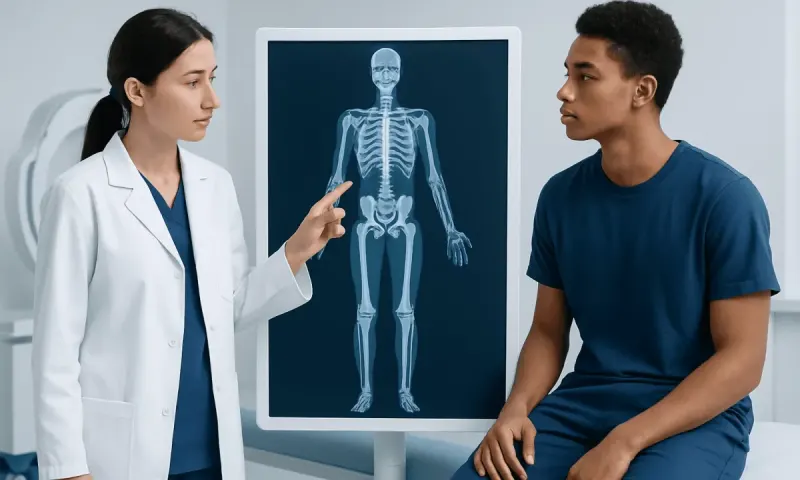
Senile Osteoporosis: Protecting Bones With Age
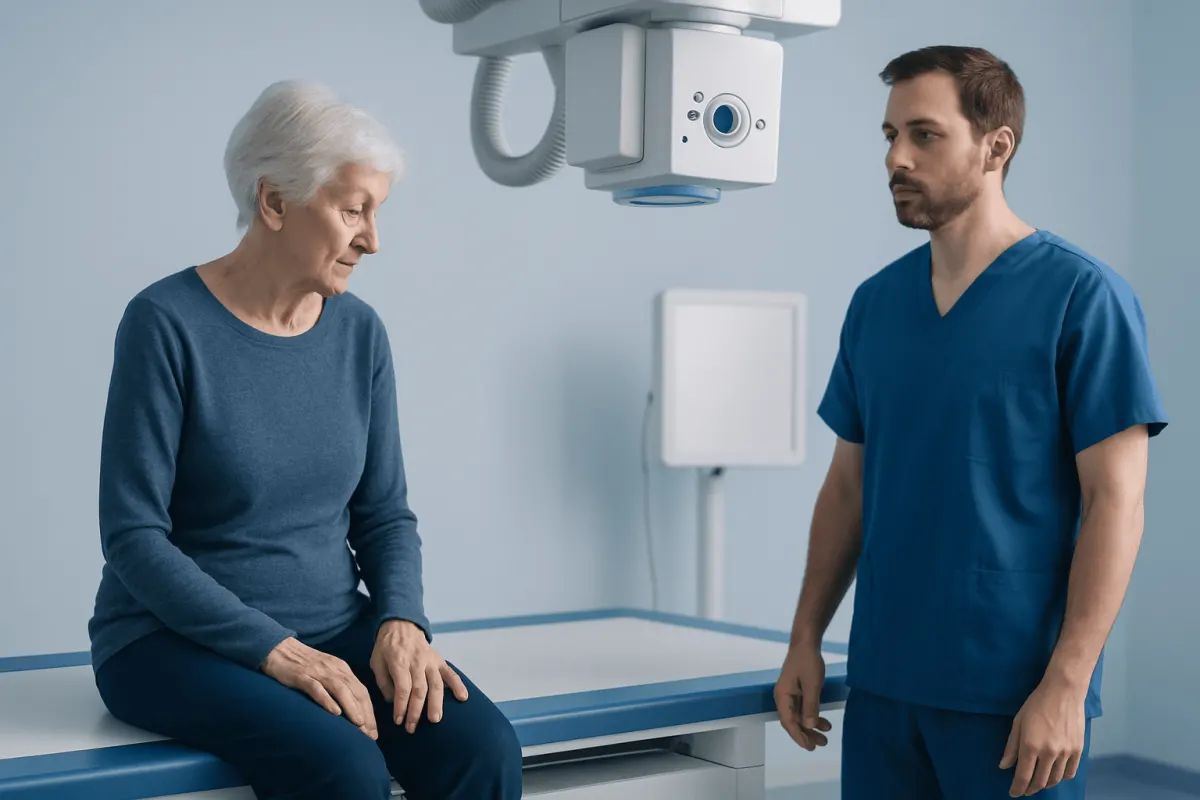
Senile osteoporosis is the age-related weakening of bones that becomes more common in later life and can increase the chance of fractures. It is often silent until a fracture occurs, but bone-density testing, fall prevention, nutrition, exercise and appropriate medical treatment can reduce risk.
Overview: What Is Senile Osteoporosis?
Senile osteoporosis is a traditional term for osteoporosis that develops mainly as a result of aging. It describes a condition in which bones gradually lose strength and become more likely to break. Today, clinicians more often use the terms age-related osteoporosis or osteoporosis in older adults, because bone loss is influenced by many factors beyond age alone.
Bone is living tissue that is continually broken down and rebuilt. In younger adulthood, rebuilding generally keeps pace with breakdown. With advancing age, this balance can shift: the inner structure of bone becomes more porous and the outer shell can become thinner. This may affect both women and men, although women are particularly vulnerable after menopause because of lower estrogen levels.
Osteoporosis is sometimes called a “silent” condition because it commonly produces no symptoms before a fracture. The hip, spine and wrist are frequent fracture sites. A fracture can affect comfort, mobility and confidence, but early identification and a personalized prevention plan can meaningfully lower risk.
How It May Affect Everyday Health
Many people with osteoporosis feel entirely well. When bone weakening becomes more advanced, a low-impact event—such as a fall from standing height, bending, lifting a light object or even coughing in some cases—may lead to a fracture. These are often called fragility fractures because the force involved would not usually break healthy bone.
Spinal compression fractures can occur gradually or suddenly. They may cause new mid- or lower-back pain, a reduction in height, or a more rounded upper back. Some vertebral fractures cause little or no pain and are discovered on imaging performed for another reason.
Hip fractures deserve prompt attention because they can significantly limit mobility and often require surgery and rehabilitation. Wrist fractures may be an early signal of reduced bone strength. A previous fragility fracture increases the likelihood of another fracture, so it is important to discuss bone health after any such injury.
- New back pain after a minor movement or fall
- Loss of height over time
- A progressively stooped posture
- A fracture after minimal trauma
- Reduced confidence or balance while walking
Why Age-Related Bone Loss Happens
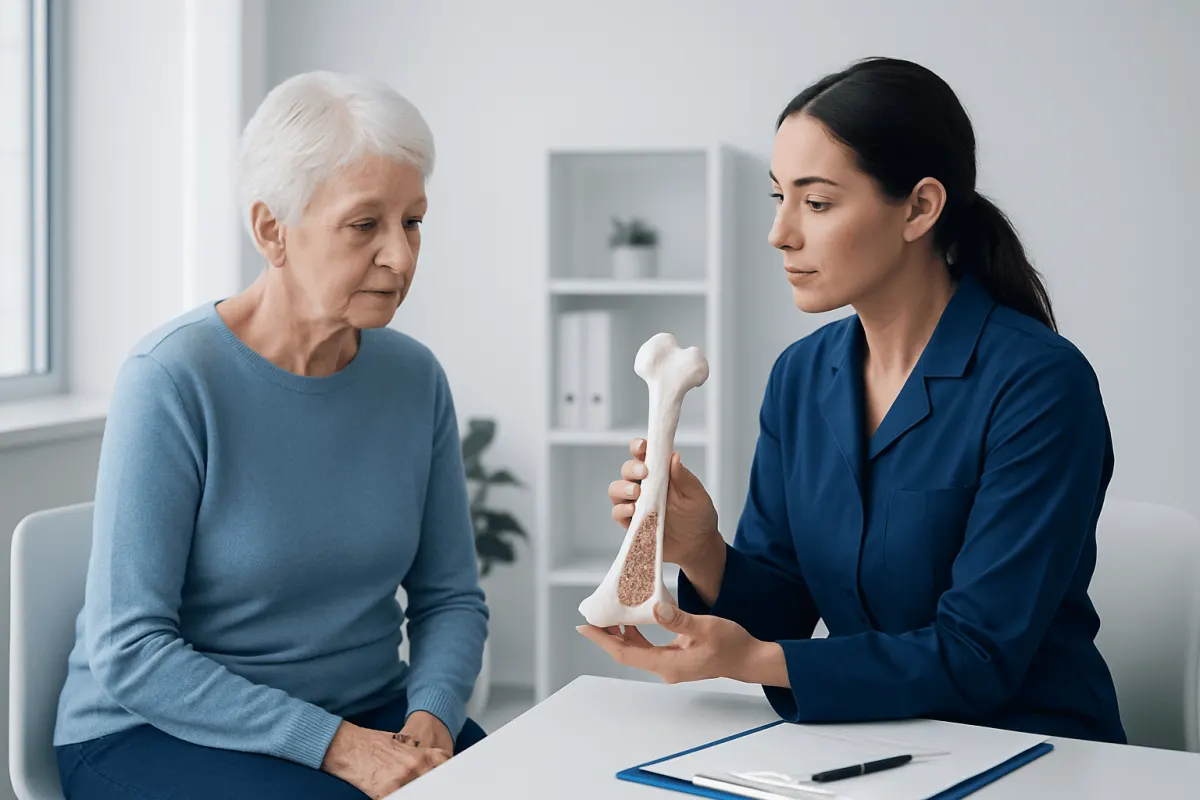
Aging is the central contributor to senile osteoporosis. Bone formation slows over time, while bone resorption may continue, resulting in reduced bone mass and changes to bone quality. Lower physical activity, reduced muscle strength, impaired balance and a greater chance of falls can further increase the risk of fracture.
Other factors can contribute to bone loss or make osteoporosis more likely. These include low body weight, a family history of hip fracture, smoking, regular heavy alcohol use, limited dietary calcium, low vitamin D levels and prolonged inactivity. Some long-term medicines, particularly corticosteroids, can also affect bone health.
Certain health conditions may cause or worsen osteoporosis, including thyroid or parathyroid disorders, chronic kidney or liver disease, inflammatory conditions, digestive disorders that reduce nutrient absorption, rheumatoid arthritis and some cancers or cancer treatments. In men, low testosterone may be relevant. A clinician may look for these secondary causes, especially when osteoporosis occurs earlier than expected or is severe.
Age-related osteoporosis can overlap with osteoporosis related to menopause, medications or medical conditions. Identifying the full set of risk factors supports a safer and more effective plan.
Diagnosis and Fracture-Risk Assessment
Diagnosis usually starts with a medical history and review of fractures, falls, medicines, long-term health conditions, diet and activity. The clinician may measure height, assess posture and balance, and ask about back pain or changes in daily functioning. A history of a low-trauma hip or vertebral fracture can be enough to establish a high risk of future fracture, even before bone-density results are available.
The most commonly used test is a dual-energy X-ray absorptiometry scan, known as DXA or DEXA. It is a quick, painless scan that measures bone mineral density, usually at the hip and lower spine. Results are compared with those of healthy younger adults and reported as a T-score. A low score supports a diagnosis of osteoporosis, but treatment decisions also consider age, fracture history and other risk factors.
Blood and urine tests may be recommended to check for contributing conditions, such as vitamin D deficiency, abnormal calcium levels, kidney disease or thyroid problems. Spine X-rays or other imaging may be used when there is height loss, persistent back pain or concern for vertebral fractures. Fracture-risk calculators can help estimate risk over the coming years, but they complement rather than replace clinical judgment.
Treatment Options for Protecting Bone
Care for senile osteoporosis aims to prevent first and future fractures, preserve independence and address reversible contributors to bone loss. The plan depends on bone density, fracture history, age, general health, kidney function, fall risk and personal preferences. Treatment should be reviewed regularly, as needs can change over time.
Nutrition and movement are important foundations. Clinicians may advise meeting calcium needs through food where possible and considering supplements only when dietary intake is insufficient or a deficiency is present. Vitamin D may be recommended for people with low levels or limited sun exposure. Regular weight-bearing and muscle-strengthening activity can support bone and muscle health, while balance exercises may lower fall risk. Exercise should be adapted for anyone with pain, frailty, severe osteoporosis or a recent fracture.
Prescription medicines are often considered for people with osteoporosis, a fragility fracture or a high estimated fracture risk. Options include medicines that slow bone breakdown and, for selected people at very high risk, medicines that stimulate new bone formation. The most suitable option, possible side effects, monitoring needs and duration of treatment should be discussed with a doctor. Some people may benefit from osteoporosis treatment coordinated with fall-risk assessment and rehabilitation.
After a fracture, timely orthopedic care, pain management, rehabilitation and a bone-health review are all important. Treating the fracture alone may not address the underlying risk of another injury.
Prevention and Practical Self-Care
It is never too late to support bone health, although prevention is most effective when started early. Older adults can benefit from regular, safe physical activity that includes walking or other weight-bearing movement, resistance exercises and balance training. A physiotherapist can help tailor an activity plan for people with arthritis, poor balance, previous fractures or other mobility concerns.
Fall prevention is a central part of osteoporosis care. Helpful measures include having vision and hearing checked, reviewing medicines that may cause dizziness, wearing supportive shoes, using mobility aids when advised, keeping frequently used items within easy reach and improving lighting at home. Loose rugs, clutter and trailing cords should be removed or secured.
A balanced diet with adequate protein, calcium-containing foods and vitamin D supports overall musculoskeletal health. Smoking cessation and limiting alcohol can also benefit bones and general health. Supplements are not a substitute for a nutritious diet or prescribed osteoporosis treatment, and taking more than recommended can be harmful for some people.
Family members and caregivers can play a helpful role by encouraging safe movement, attending appointments when wanted, and recognizing changes in walking, height, pain or confidence. Maintaining social contact and independence is also an important part of healthy aging.
When to Seek Medical Care
A person should arrange a medical review if they have had a fracture after a low-impact fall or minor injury, have lost height, have developed a noticeably rounded upper back, or have risk factors for osteoporosis. Older adults, postmenopausal women and men with relevant risk factors may benefit from asking whether bone-density testing is appropriate.
Prompt medical assessment is important for sudden severe back, hip, groin or wrist pain after a fall or minor injury, particularly if walking or using the limb is difficult. Emergency care may be needed after a fall with severe pain, inability to bear weight, deformity, weakness or numbness, or symptoms suggesting a serious injury.
Anyone taking long-term corticosteroids or medicines that may affect bone should discuss bone protection with the prescribing clinician. At Acıbadem Health Point, multidisciplinary specialists in JCI-accredited hospitals can assess osteoporosis, investigate contributing factors and coordinate treatment for international patients.
Frequently asked questions
01Is senile osteoporosis different from ordinary osteoporosis?
Senile osteoporosis is an older term for osteoporosis that is mainly associated with aging. In clinical practice, it is generally managed as osteoporosis in an older adult, while clinicians also look for additional causes such as medication effects, hormone changes or chronic disease.
02At what age does senile osteoporosis begin?
Bone density commonly declines gradually with age, but osteoporosis can develop at different ages depending on a person’s sex, menopause status, genetics, medicines, nutrition and health conditions. It is more common in later life, particularly after age 70, but it is not an inevitable part of aging.
03Can senile osteoporosis be reversed?
Some treatments can improve bone density and reduce the chance of fractures, while others help slow further bone loss. The main goal is to strengthen bone as much as possible, prevent falls and reduce future fracture risk rather than promise a complete reversal.
04What test confirms osteoporosis?
A DXA, also called DEXA, scan is the standard test for measuring bone mineral density. A clinician interprets the result together with fracture history, age, medical conditions and other risk factors to determine overall fracture risk.
05Does osteoporosis cause pain?
Osteoporosis itself usually does not cause pain. Pain can occur if a fracture develops, especially a compression fracture in the spine or a fracture of the hip, wrist or other bone.
06Can walking help senile osteoporosis?
Walking is a useful weight-bearing activity that can support bone, muscle and cardiovascular health. For stronger fracture prevention, it is often combined with safe resistance and balance exercises, individualized to the person’s mobility and medical situation.
This article is for general information only and is not a substitute for professional medical advice. Please consult a qualified doctor about your individual situation.
Joint and spine care in Turkey — expert assessment & treatment
JCI-accredited · board-certified surgeons · reply within 24h
Add us as a Preferred Source to see more of our trusted health content across Google Search, AI Overviews and Discover.