

OB-GYN: Meaning, Role and Services
- 8 min read
- Published November 28, 2026
Key Takeaways
- OBGYN combines obstetrics and gynecology, two closely related areas of care.
- An OBGYN may provide routine exams, pregnancy care, and treatment for reproductive health concerns.
- The right specialist depends on the person’s age, symptoms, pregnancy plans, and overall health needs.
- Many women benefit from regular checkups even when they feel well.
- Prompt medical advice is important for heavy bleeding, severe pelvic pain, pregnancy concerns, or unusual symptoms.
OBGYN is a commonly used term for a doctor or medical specialty focused on women’s reproductive health, pregnancy, and related conditions. Understanding what the term means can make it easier to choose the right specialist and know when to seek care.
Overview
“OBGYN” is a shorthand term that appears often in conversations about women’s health, but it can mean slightly different things depending on the context. It usually refers to the combined medical specialty of obstetrics and gynecology, which covers pregnancy, childbirth, and the health of the female reproductive system.
In everyday use, people may also use OBGYN to mean the doctor themselves. That doctor may support a patient through routine preventive care, menstrual concerns, fertility questions, pregnancy, postpartum recovery, menopause symptoms, and a range of pelvic or reproductive conditions.
For patients traveling for care, the term can be especially useful because it points to one specialist who often manages several stages of care across the life course. This can help someone planning treatment abroad understand whether they need a general gynecology visit, pregnancy-related care, or a more specialized consultation.
What the Term Means
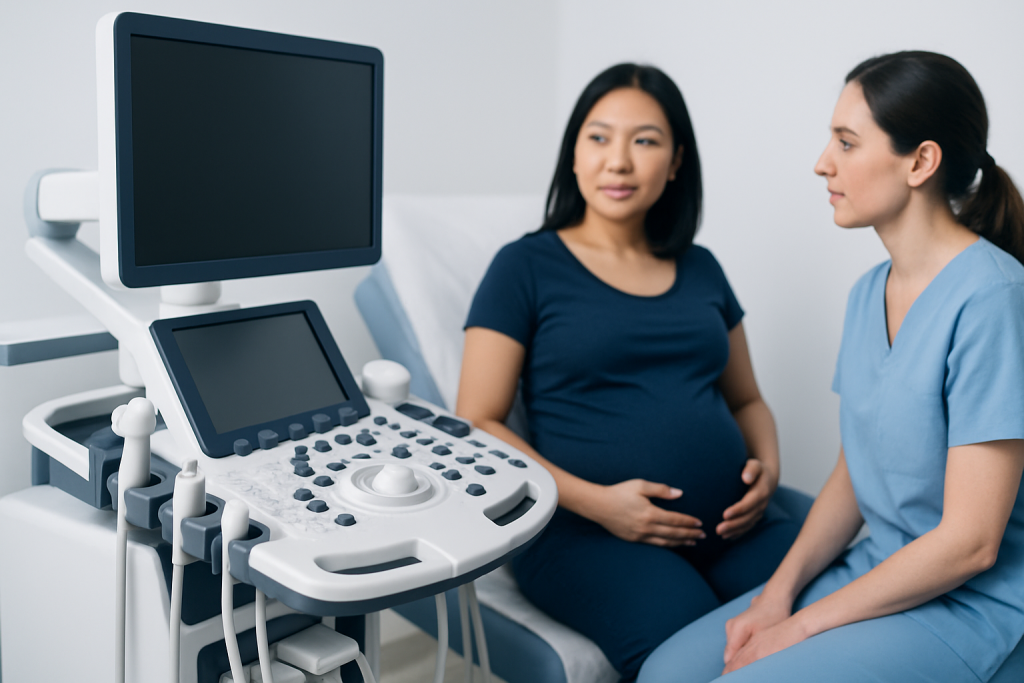
The word “OBGYN” blends two medical fields. Obstetrics focuses on pregnancy, labor, delivery, and the period after birth. Gynecology focuses on the female reproductive organs, including the uterus, ovaries, fallopian tubes, vagina, and breasts in some preventive contexts.
A patient may also see the related terms “OB,” “GYN,” or “ob-gyn” in appointment lists and hospital departments. Although the wording varies, the underlying idea is similar: a clinician with training in the health needs of women and people with female reproductive organs.
In some healthcare systems, a patient may see an obstetrician-gynecologist for both pregnancy care and general gynecologic care. In others, there may be separate specialists. Knowing the meaning of the term can make it easier to navigate forms, referrals, and consultation options.
What an OBGYN Treats
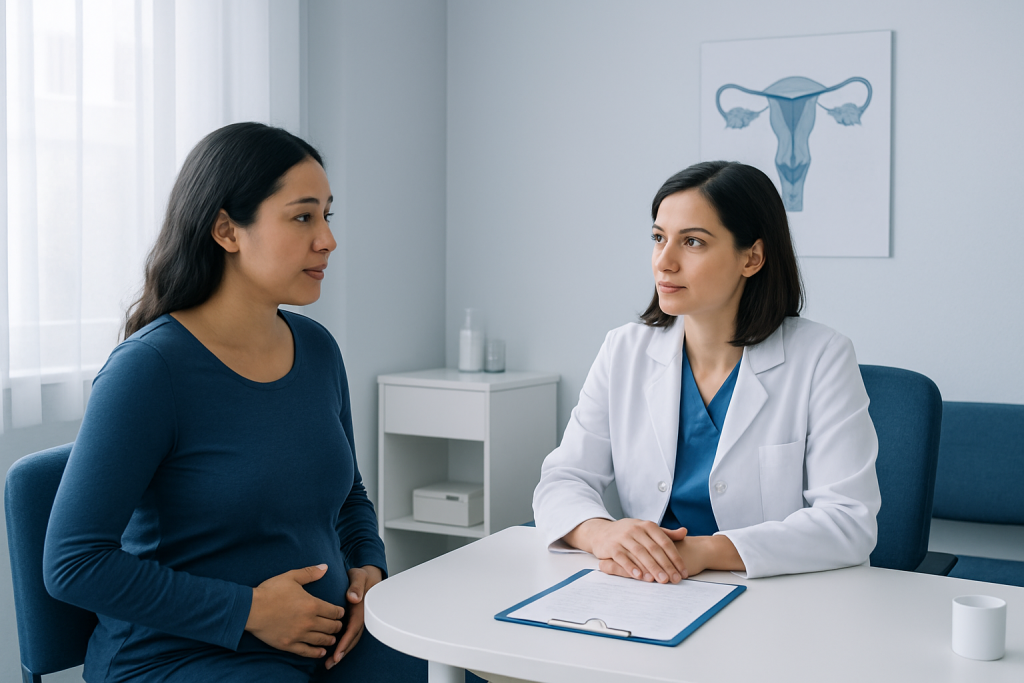
An OBGYN may evaluate and treat a wide range of concerns. Some visits are routine, such as annual exams, birth control counseling, cervical cancer screening, or discussion of menstrual changes. Others may involve symptoms that need a closer look, including pelvic pain, abnormal bleeding, vaginal discharge, pain during sex, or trouble becoming pregnant.
During pregnancy, an OBGYN monitors the health of both patient and baby. This can include confirming pregnancy, following fetal growth, answering questions about nutrition and medications, and identifying signs that need more attention. After delivery, the same specialist may help with healing, breastfeeding questions, mood changes, and recovery.
- Menstrual irregularities and heavy bleeding
- Polycystic ovary syndrome and hormonal concerns
- Fibroids, cysts, and endometriosis
- Fertility evaluation and preconception counseling
- Pregnancy, labor, delivery, and postpartum care
- Menopause-related symptoms and preventive screening
Common Symptoms That Bring Patients In
Many people first learn the meaning of OBGYN when they need help with a symptom that does not feel like “just part of being a woman.” Changes in bleeding patterns, persistent pelvic pressure, or a missed period can all be reasons to schedule a visit. So can recurrent infections, new lumps, or symptoms that affect daily comfort or intimacy.
Pregnancy-related concerns often lead to OBGYN care as well. A person may seek evaluation for nausea that feels severe, cramping that seems unusual, reduced fetal movement later in pregnancy, or bleeding during pregnancy. Even when symptoms turn out to be minor, a medical review can provide reassurance and a clear plan.
Because many gynecologic conditions overlap in symptoms, patients should not try to self-diagnose based on one sign alone. An OBGYN visit can help distinguish between hormonal changes, infections, structural problems, and other causes that may require different treatment.
Causes & Risk Factors
There is no single cause behind why someone sees an OBGYN. The specialty covers normal life stages as well as medical conditions. Some visits are preventive and scheduled; others are prompted by symptoms, family history, or pregnancy.
Risk factors vary by condition. For example, a family history of breast, ovarian, or uterine disease may influence screening needs. Irregular periods, obesity, smoking, previous pelvic infections, older age, and certain hormonal patterns can also affect gynecologic health. Pregnancy-related risks may include prior pregnancy complications, high blood pressure, diabetes, or multiple gestation.
Myomectomy Recovery for International Patients: The Usual Travel Timeline" class="ahp-ilk">International patients often benefit from a clear review of their history before traveling for care. Bringing previous test results, imaging reports, operation notes, and medication lists can help the specialist assess risk more accurately and avoid unnecessary repeat testing.
Diagnosis and Evaluation
An OBGYN consultation usually begins with a conversation. The doctor asks about symptoms, menstrual history, pregnancies, medications, past procedures, and family history. This discussion helps guide the exam and any tests that may be needed.
Depending on the concern, evaluation may include a pelvic exam, breast exam, ultrasound, pregnancy testing, cervical screening, blood tests, urine tests, or other imaging. If fertility or complex pelvic symptoms are involved, additional studies may be recommended to look more closely at the uterus, ovaries, tubes, or hormone levels.
For patients arriving from another country, a structured evaluation can be especially helpful. It allows the team to compare previous findings with current symptoms, confirm any diagnosis, and build a plan that fits the patient’s travel schedule and follow-up needs.
Treatment Options
Treatment in OBGYN care depends entirely on the diagnosis and the person’s goals. Some concerns are managed with watchful waiting, lifestyle guidance, or scheduled monitoring. Others may need medication, procedures, or surgery.
For gynecologic conditions, options may include hormone-based treatment, pain relief strategies, infection treatment, minimally invasive procedures, or surgery for problems such as fibroids, cysts, endometriosis, or abnormal bleeding. During pregnancy, treatment focuses on monitoring, symptom control, maternal-fetal health, and timely response if complications arise.
Because care can range from simple to highly specialized, patients should ask what each step is meant to achieve, how recovery may look, and whether follow-up can be coordinated after returning home. Clear planning is particularly important for people traveling for treatment so that care continues smoothly after discharge.
Prevention & Self-care
Not every gynecologic problem can be prevented, but routine care often helps detect issues earlier and reduce complications. Regular checkups, age-appropriate screening, safer sex practices, and attention to menstrual or pelvic changes all support long-term reproductive health.
Self-care is also practical and specific: track periods if cycles are irregular, keep a list of symptoms, bring prior test results to appointments, and note any medicines or supplements being used. For pregnancy, following prenatal advice, staying hydrated, and asking about warning signs can help patients feel more prepared.
Traveling for care adds another layer of planning. Patients may want to arrange transportation, understand medication instructions in advance, and confirm how to access their specialist once they return home. When recovery needs more than a short stay, multidisciplinary teams can help organize follow-up in a way that is realistic and safe.
When to See a Doctor
A person should seek medical advice if bleeding becomes very heavy, periods stop unexpectedly, pelvic pain is persistent or severe, or there is bleeding after menopause. Unusual discharge, fever with pelvic symptoms, pain during pregnancy, or concerns about fetal movement also deserve prompt assessment.
It is also wise to book a visit for ongoing menstrual problems, fertility concerns, painful sex, recurrent infections, or questions about contraception or menopause. Many problems are easier to manage when addressed early rather than after symptoms have worsened.
For international patients, Acibadem Health Point can help connect individuals with multidisciplinary specialists and JCI-accredited hospitals that diagnose and treat OBGYN-related conditions for international patients. A qualified doctor should always confirm the diagnosis and guide the most appropriate next steps.
Frequently asked questions
01What does OBGYN stand for?
OBGYN stands for obstetrics and gynecology. Obstetrics deals with pregnancy, childbirth, and the postpartum period, while gynecology focuses on the female reproductive system and related health concerns.
02Is an OBGYN the same as a gynecologist?
Not always. A gynecologist focuses on the reproductive system and related conditions, while an obstetrician-gynecologist is trained in both gynecology and pregnancy care. In many settings, one doctor provides both types of care.
03When should someone book an OBGYN visit?
A visit is appropriate for routine screening, contraception counseling, fertility questions, pregnancy care, or symptoms such as abnormal bleeding and pelvic pain. It is also helpful when something feels different from a person’s usual cycle or recovery pattern.
04Do people need an OBGYN only during pregnancy?
No. OBGYN care also includes preventive checkups, menstrual concerns, infection evaluation, menopause support, and treatment for reproductive conditions. Many patients see an OBGYN throughout adulthood, not only during pregnancy.
05What tests might an OBGYN order first?
The first tests depend on the concern, but common examples include urine or blood tests, pregnancy testing, ultrasound, and cervical screening. The doctor chooses tests based on symptoms, history, and physical findings.
06Can someone see an OBGYN if they are not pregnant and have no symptoms?
Yes. Preventive visits can help with screening, birth control discussions, and general reproductive health guidance. Regular care may also make it easier to notice changes early.
This article is for general information only and is not a substitute for professional medical advice. Please consult a qualified doctor about your individual situation.
IVF & fertility treatment in Turkey — success rates and costs
JCI-accredited · board-certified surgeons · reply within 24h
Add us as a Preferred Source to see more of our trusted health content across Google Search, AI Overviews and Discover.



How can we help you today?
Meet an Acibadem specialist by secure video, before you travel.
Book a video visit