Menopause Symptoms Explained: Common Triggers and Red Flags

Menopause symptoms often begin during perimenopause and can include hot flashes, night sweats, sleep disruption, vaginal dryness, and changes in mood or periods. Most are linked to natural hormone changes, but some symptoms such as heavy bleeding, bleeding after menopause, or chest pain should be checked by a doctor.
Overview: what menopause symptoms usually mean
Menopause symptoms are the physical and emotional changes that happen as the ovaries make less estrogen and progesterone. For many women, symptoms begin during perimenopause, the transition phase before menopause, and continue for some time after periods stop. Menopause itself is confirmed after 12 months without a menstrual period.
The best-known symptoms are hot flashes and night sweats, but the experience is broader than that. Irregular periods, trouble sleeping, vaginal dryness, mood changes, brain fog, joint aches, and shifts in sexual comfort or desire are also common. Some women have only mild changes, while others find symptoms disruptive to work, sleep, and daily life.
Because symptoms can overlap with thyroid disease, anemia, pregnancy, depression, sleep disorders, or gynecologic conditions, they should not always be assumed to be menopause alone. A clinical evaluation helps separate expected hormone-related changes from symptoms that need treatment or further testing.
Common menopause symptoms and how they can feel
Menopause symptoms can affect the whole body, not just the reproductive system. Vasomotor symptoms are especially common. These include hot flashes, which are sudden feelings of heat often affecting the face, neck, and chest, and night sweats, which may interrupt sleep and leave a person feeling tired the next day.
Changes in menstrual bleeding are often an early sign of perimenopause. Periods may come closer together, farther apart, become lighter, or become heavier. Sleep difficulties are also common, either because of night sweats or because falling asleep and staying asleep becomes harder.
Genitourinary symptoms may develop gradually. Vaginal dryness, burning, discomfort with sex, urinary urgency, or recurrent urinary discomfort can all be linked to lower estrogen levels. Emotional and cognitive symptoms may include irritability, lower stress tolerance, mood changes, forgetfulness, and trouble concentrating.
- Hot flashes and night sweats
- Irregular or changing periods
- Sleep disruption and daytime fatigue
- Vaginal dryness and discomfort during sex
- Urinary urgency or recurrent urinary symptoms
- Mood shifts, anxiety, or irritability
- Difficulty concentrating or “brain fog”
- Headaches, palpitations, or joint aches in some women
Not every symptom means menopause, and symptoms may appear in clusters. For example, poor sleep can worsen mood, memory, and stress, while vaginal dryness may affect intimacy and confidence. A personalized approach is often more helpful than focusing on one symptom in isolation.
Common triggers, causes, and risk factors

The main cause of menopause symptoms is fluctuation and eventual decline in estrogen levels. During perimenopause, hormone levels can rise and fall unevenly, which helps explain why symptoms may seem unpredictable from month to month. The body’s temperature regulation, sleep patterns, vaginal tissues, bladder, bones, and mood can all be influenced by these hormonal shifts.
Several factors can affect how strong symptoms feel. Smoking is linked with earlier menopause and may worsen hot flashes. Stress, poor sleep, excess alcohol, spicy foods, caffeine, warm environments, and tight clothing can trigger or intensify hot flashes in some women. Higher body weight may also affect symptom patterns, although experiences vary.
Medical and surgical history matters too. Women who have had the ovaries removed, certain cancer treatments, or other conditions that reduce ovarian function may develop more sudden symptoms. Existing thyroid problems, anxiety, depression, or sleep apnea can overlap with or amplify menopause-related symptoms and should be considered during assessment.
Symptoms can also be mistaken for other conditions. For example, heavy or prolonged bleeding may be related to fibroids, polyps, or uterine cancer rather than hormone transition alone. Persistent pelvic discomfort, marked bloating, or a strong family history of gynecologic disease may lead a doctor to consider other causes alongside menopause.
How doctors evaluate menopause symptoms
Diagnosis usually starts with a detailed history. A doctor will ask about age, menstrual pattern, hot flashes, sleep, mood, vaginal symptoms, medications, and any personal or family history that may change treatment choices. In women over 45 with typical symptoms and changing periods, laboratory tests are often not needed to confirm the menopause transition.
Testing may be useful when symptoms start unusually early, menstrual changes are unclear, or another condition is possible. Depending on the situation, a doctor may consider pregnancy testing, thyroid function tests, blood counts for anemia, or other targeted tests. The goal is less about proving menopause and more about ruling out another explanation.
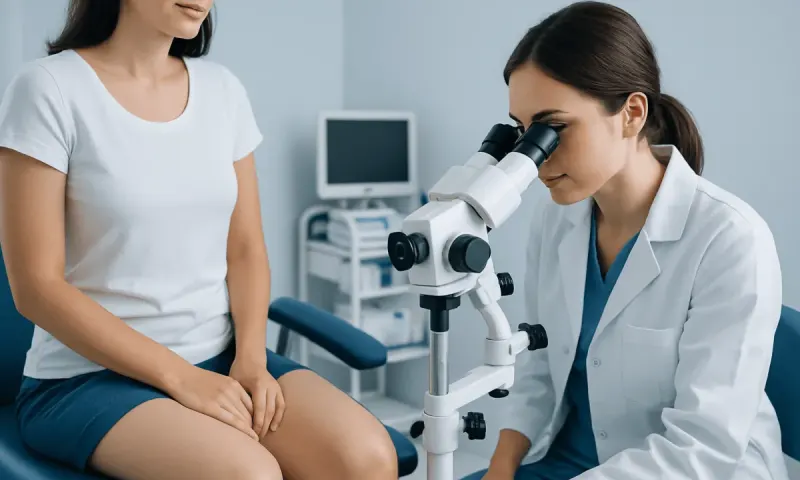
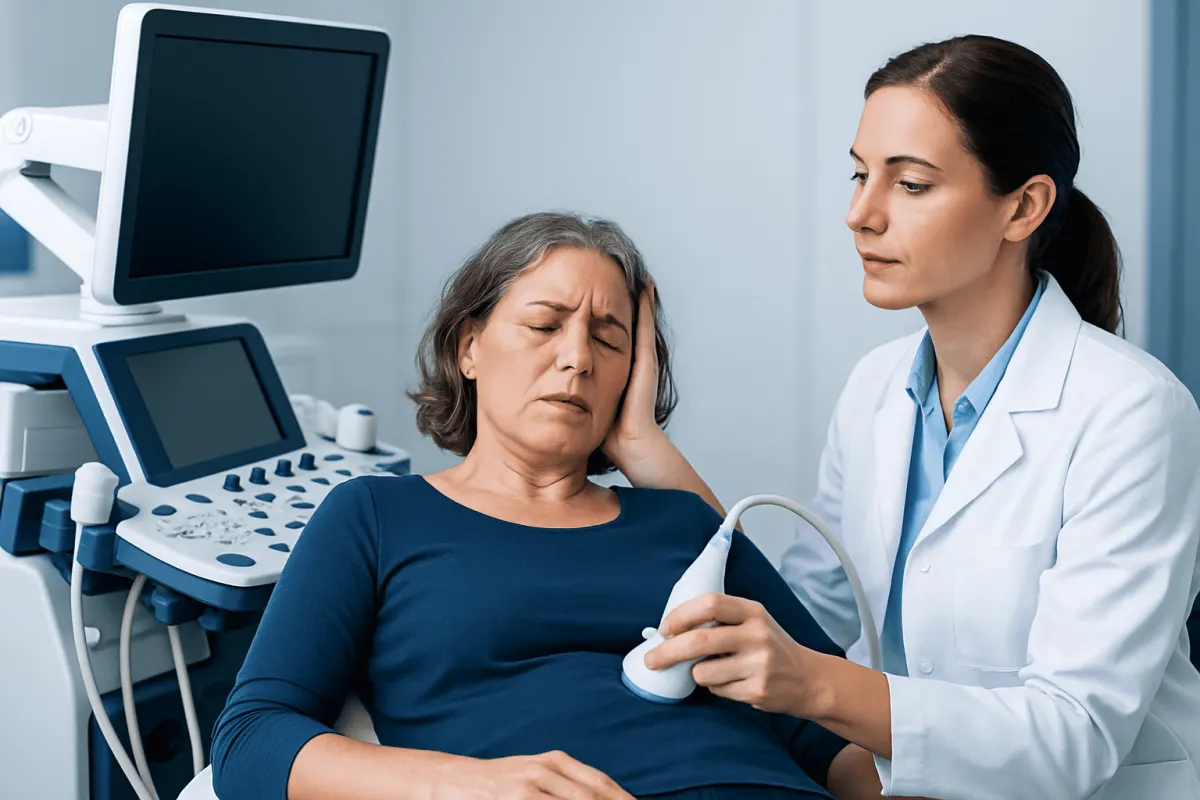
Abnormal bleeding deserves particular attention. Very heavy periods, bleeding between periods, or bleeding after 12 months without a period should be assessed promptly. Evaluation may include pelvic examination, imaging such as ultrasound, or procedures such as hysteroscopy to look inside the uterus when needed.
If symptoms involve the bladder, pelvic floor, or vaginal tissues, a focused gynecologic exam can help identify treatable causes. Some women may also benefit from assessment for sleep disorders, mood disorders, or bone health, especially if menopause occurs early or risk factors for osteoporosis are present.
Treatment options for symptom relief
Treatment depends on the symptoms, their severity, and the woman’s medical history. For bothersome hot flashes and night sweats, menopausal hormone therapy may be an effective option for some women after a careful review of benefits and risks. It is not suitable for everyone, especially those with certain cancer, clotting, stroke, or liver histories, so individualized medical advice is important.
Nonhormonal treatments can also help. These may include prescription medicines used for vasomotor symptoms, vaginal moisturizers and lubricants for dryness, and local vaginal estrogen in selected cases. Sleep support, cognitive behavioral strategies, and treatment of anxiety or depression may improve quality of life when symptoms affect mood and rest.
When bleeding changes are severe or caused by another gynecologic problem, treatment may go beyond symptom control. Depending on the diagnosis, management can include medication, minimally invasive procedures, or surgery such as hysterectomy for carefully selected patients. If bleeding is due to benign growths inside the uterus, a doctor may recommend myomectomy or another targeted treatment when appropriate.
Care works best when it is tailored. A woman may need one approach for hot flashes, another for vaginal symptoms, and a separate plan for sleep or bleeding problems. Near the end of the care pathway, women seeking evaluation abroad may wish to know that Acıbadem Health Point’s multidisciplinary specialists and JCI-accredited hospitals diagnose and treat menopause-related concerns and conditions for Myomectomy Recovery for International Patients: The Usual Travel Timeline" class="ahp-ilk">international patients.
Self-care and daily habits that may help
Simple measures can reduce symptom burden for many women, especially when combined with medical advice. Keeping the bedroom cool, dressing in layers, choosing breathable fabrics, and identifying hot flash triggers can be useful. A symptom diary may help connect episodes with stress, alcohol, spicy foods, or sleep disruption.
Regular exercise supports sleep, mood, cardiovascular health, and bone health. Balanced nutrition with adequate calcium and vitamin D, if advised by a clinician, may also be important during and after menopause. Limiting smoking and excess alcohol can help overall health and may reduce symptom intensity in some women.
Pelvic and vaginal symptoms should not be ignored or accepted as inevitable. Vaginal moisturizers, lubricants, hydration, and timely treatment of urinary symptoms can improve comfort. If intimacy becomes painful, a gynecologic review can help identify vaginal atrophy or another treatable issue rather than leaving the problem unaddressed.
Stress-management habits such as paced breathing, mindfulness, structured relaxation, and good sleep routines may also help. These do not replace medical treatment when symptoms are severe, but they can be valuable parts of a broader care plan.
When to seek medical care
Many menopause symptoms can be discussed at a routine primary care or gynecology visit, especially if they are affecting sleep, work, relationships, or general well-being. A review is also sensible when symptoms begin before age 40, change suddenly, or do not fit the usual pattern of perimenopause.
Prompt medical assessment is important for red-flag symptoms. These include bleeding after menopause, very heavy bleeding, bleeding between periods, fainting, chest pain, shortness of breath, new one-sided weakness, or severe headaches. These symptoms may have causes unrelated to menopause and should not be delayed.
Pelvic pain, a new abdominal or pelvic mass, persistent bloating, unexplained weight loss, or repeated urinary symptoms should also be checked. If a doctor is concerned about a gynecologic cause, the workup may include imaging or evaluation for conditions such as ovarian cancer or other disorders of the uterus and ovaries.
Early evaluation often brings reassurance as well as treatment options. Even when symptoms are due to normal menopause transition, support is available, and no one needs to manage disruptive symptoms alone.
Frequently asked questions
01What are the first menopause symptoms most women notice?
The first menopause symptoms are often changes in the menstrual cycle, such as periods becoming irregular, lighter, heavier, or farther apart. Hot flashes, sleep disturbance, and mood changes may also begin during perimenopause, sometimes before periods stop completely.
02How long do menopause symptoms last?
The duration varies widely. Some women have symptoms for a relatively short time, while others continue to have hot flashes, sleep changes, or vaginal symptoms for several years during and after menopause.
03Do all women get hot flashes during menopause?
No. Hot flashes are common, but not everyone experiences them, and their intensity differs from person to person. Some women mainly notice sleep problems, mood changes, or vaginal dryness instead.
04Is heavy bleeding normal during perimenopause?
Bleeding patterns often change during perimenopause, but very heavy bleeding, bleeding between periods, or bleeding that causes dizziness or anemia should be evaluated. These symptoms can have causes other than hormone changes and may need treatment.
05What is the difference between perimenopause and menopause?
Perimenopause is the transition phase when hormone levels fluctuate and symptoms begin, but periods still occur, even if irregularly. Menopause is reached after 12 consecutive months without a menstrual period.
06Can menopause symptoms happen before age 40?
Yes, but this is less common and should be assessed by a doctor. Early or premature menopause may have different causes and can affect long-term bone, heart, and reproductive health.
07When is bleeding after menopause a concern?
Any bleeding after 12 months without a period should be checked by a healthcare professional. It may have a benign explanation, but evaluation is important to rule out endometrial or other gynecologic conditions.
This article is for general information only and is not a substitute for professional medical advice. Please consult a qualified doctor about your individual situation.
Joint and spine care in Turkey — expert assessment & treatment
JCI-accredited · board-certified surgeons · reply within 24h
Add us as a Preferred Source to see more of our trusted health content across Google Search, AI Overviews and Discover.