No Sex: When Changes in Desire May Matter
No sex, whether by choice or circumstance, is generally safe and does not damage the body. However, a new or distressing change in sexual desire, comfort, arousal, erection, orgasm or relationship intimacy may deserve compassionate medical attention.
No Sex: The Short Answer
No sex is usually not harmful. A person may choose sexual abstinence, have less sex during a busy or stressful period, or go without sex for a long time without causing physical damage or creating a medical need to resume sexual activity.
There is no medically “normal” amount of sex. What matters most is whether a person feels well, safe and comfortable with their choices. A change in sexual activity can be meaningful when it is unwanted, causes distress, affects a relationship, or occurs alongside symptoms such as pain, low mood, vaginal dryness, reduced desire, or difficulty with erections.
Sexual health is broader than intercourse. It includes consent, comfort, communication, reproductive choices, protection from sexually transmitted infections, body image and emotional wellbeing. People who are not having sex can still maintain close, fulfilling relationships and can seek support if they would like their sexual wellbeing to change.
What Can Happen When Someone Has No Sex?
For most people, not having sex does not create a physical health problem. The body does not need intercourse to function normally, and there is no evidence that a person must have sex at a particular frequency to remain healthy. Some people feel content with little or no sexual activity, while others may miss physical closeness, pleasure or emotional connection.
Sex may have benefits for some people, including enjoyment, relaxation, connection and better understanding of their own body. These benefits are not exclusive to sex, however. Sleep, exercise, social support, affectionate touch, stress-management practices and meaningful relationships can also support wellbeing.
In people with vaginas, menopause-related reductions in estrogen can contribute to vaginal dryness or discomfort during sexual activity. Regular sexual activity is not required to prevent this, but vaginal moisturizers, lubricants and medical treatments may help if symptoms are bothersome. In people with penises, erections can become less frequent with age, illness, medication use or less stimulation; this does not necessarily mean there is a serious problem.
Not having sex also avoids pregnancy and eliminates the risk of sexually transmitted infections from sexual contact. If sexual activity resumes, contraception and barrier protection should be considered according to a person’s plans, medical history and risk of infection.
Why Sexual Activity or Desire May Change

Sexual desire often changes throughout life. Temporary shifts are common during periods of stress, tiredness, grief, caregiving, travel, pregnancy, after childbirth, menopause, relationship changes or recovery from illness. Desire also varies widely between individuals and may not always match a partner’s level of interest.
Physical factors can influence libido and sexual function. These include chronic pain, diabetes, heart and vascular disease, thyroid disorders, neurological conditions, sleep problems, urinary symptoms, hormonal changes and some cancers or their treatments. Pain with sex, pelvic conditions and vaginal dryness may lead a person to avoid sexual activity. Erectile difficulties can have physical, emotional or mixed causes and may sometimes be linked with cardiovascular risk factors.
Mental health and emotional experiences matter as well. Anxiety, depression, trauma, body-image concerns and performance worries can lower interest in sex or make intimacy difficult. Some medicines, including certain antidepressants, blood pressure medicines and hormonal treatments, may affect desire, arousal or orgasm. A person should not stop prescribed medication without speaking with the clinician who manages it.
There is also no requirement to experience sexual attraction or desire. Asexuality is a valid sexual orientation, not a medical disorder. Support is most useful when a person is distressed by their experience or wants help with a change in sexual wellbeing.
Looking Beyond Intercourse: Intimacy, Consent and Communication
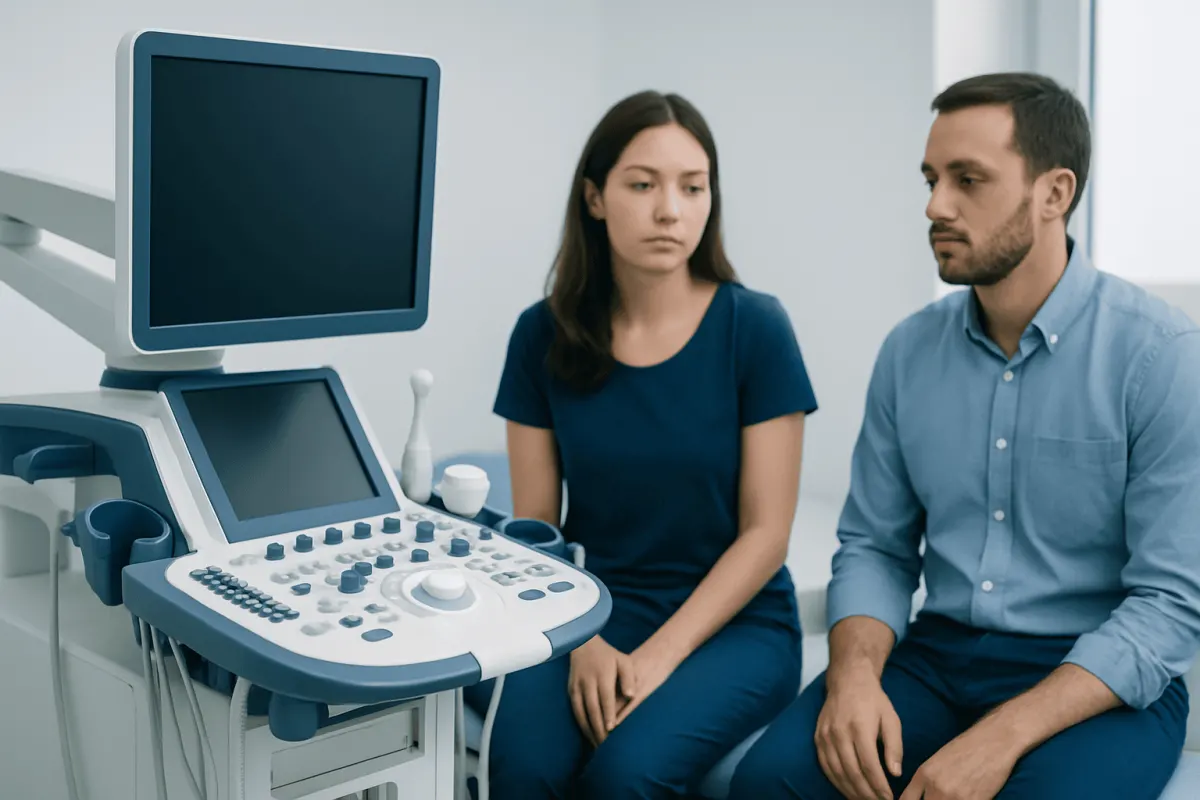
A period of no sex can affect partners differently. One person may feel relieved or neutral, while another may feel lonely, rejected or worried. These feelings are real, but they do not mean that either partner is at fault. Calm, nonjudgmental discussion can help partners understand one another’s needs and agree on boundaries.
Intimacy can take many forms, such as talking openly, spending time together, hugging, holding hands, massage, shared activities and affectionate touch. Physical contact should always be welcome and consensual. Consent is ongoing: it can be withdrawn at any time, including within a long-term relationship or marriage.
It can be helpful to avoid framing sex as an obligation, test of love or treatment for relationship problems. Pressure can worsen anxiety, pain and avoidance. If conversations repeatedly lead to conflict, couples counselling or a qualified sex therapist may provide a structured, respectful setting for communication.
People who are single may also experience concern about no sex because of social expectations. Decisions about sex are personal. A healthy choice is one made freely, safely and in line with the individual’s values and circumstances.
How Doctors Assess Sexual Health Concerns
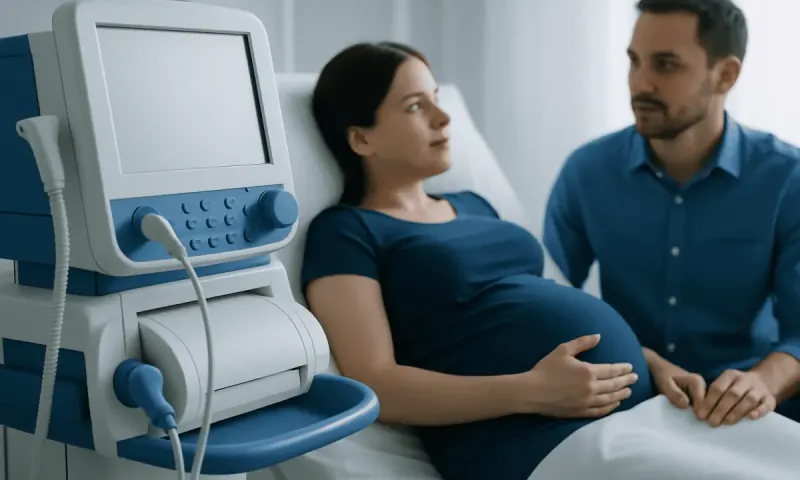
A clinician can help when a change in sex life is unwanted or distressing. The discussion usually begins with questions about symptoms, general health, medicines, mood, relationships, sleep, alcohol or substance use, menstrual or menopause history, and personal goals. Sexual health conversations are confidential, and patients can ask for a clinician of a preferred gender when available.
Depending on the concern, an examination may be offered to assess pelvic, genital, hormonal, neurological or cardiovascular factors. Tests are not always needed. A clinician may recommend blood tests when symptoms suggest conditions such as diabetes, thyroid disease, anemia or hormonal changes, or may assess for infection when there is discharge, sores, burning or pelvic pain.
For persistent erection difficulties, evaluation may include a review of blood pressure, blood sugar, cholesterol, medication effects and mental wellbeing. Information about erectile dysfunction can help patients understand why a thorough assessment can be useful. For pain, dryness or bleeding associated with sex, gynecological assessment may identify treatable causes.
Honest information helps clinicians provide appropriate care. Patients do not need to disclose details they are not ready to discuss, but describing the main concern, when it began and what makes it better or worse can guide the next steps.
Support and Treatment Options
Support depends on the cause and on what the person wants to achieve. When low desire follows stress, exhaustion or life changes, rest, realistic expectations, exercise, sleep support and time for connection may be enough. When relationship concerns are central, couples counselling or sex therapy can help partners communicate without blame or pressure.
Physical symptoms should be addressed directly. For vaginal dryness or discomfort, a clinician may recommend lubricants during sexual activity, regular vaginal moisturizers, or locally applied hormonal treatment when appropriate. Persistent pelvic pain, itching, discharge or bleeding should not be self-diagnosed, because infections, skin conditions and gynecological concerns may require different care.
Treatment for erection problems depends on medical history and the likely cause. Lifestyle changes, reviewing medicines, psychological support and prescribed treatments may all have a role. Patients can learn more about erectile dysfunction treatment options through a clinician-led assessment. Unregulated products marketed as sexual enhancers should be avoided, as they may contain undeclared ingredients or interact dangerously with prescribed medicines.
Acıbadem Health Point’s multidisciplinary specialists and JCI-accredited hospitals can assess sexual health concerns and related medical conditions for international patients. The appropriate care plan should be individualized, respectful and based on the person’s symptoms, health history and preferences.
When to Seek Medical Care
A routine appointment is appropriate when reduced desire, no sex, pain, dryness, erection changes, difficulty reaching orgasm or relationship distress lasts for several weeks or months and is troubling. Medical advice is also useful when symptoms begin after starting a medicine, after childbirth, during menopause, or alongside fatigue, weight change, low mood or other changes in health.
Seek timely care for genital sores, unusual discharge, burning with urination, persistent itching, bleeding after sex, new pelvic or testicular pain, or possible exposure to a sexually transmitted infection. Testing and treatment can protect the individual and, where relevant, sexual partners.
Urgent medical attention is needed for severe pelvic or genital pain, sudden testicular pain or swelling, heavy bleeding, fever with pelvic pain, a painful erection lasting more than four hours, or injury to the genitals. Anyone who has experienced sexual assault can seek urgent medical care and confidential support; their safety and choices should be respected.
There is no need to seek care simply because a person has not had sex for a particular length of time. Care is most valuable when there are concerning symptoms, a distressing change, or questions that would help the person make informed decisions about sexual health.
Frequently asked questions
01Is it unhealthy to have no sex?
No. Going without sex is generally not harmful and does not cause the body to stop functioning normally. There is no medically required amount of sexual activity; the important issue is whether a person has distressing symptoms or concerns.
02Can not having sex lower libido?
Sexual desire can change over time, and less sexual activity may make some people feel less connected to sexual desire or arousal. However, low libido also has many possible causes, including stress, relationship concerns, hormonal changes, illness and medication effects. A clinician can help if the change is unwanted or persistent.
03Does no sex affect vaginal health?
Not having sex does not usually harm vaginal health. Vaginal dryness or discomfort can occur with menopause, breastfeeding, some medicines and other hormonal changes, whether or not a person is sexually active. Lubricants, moisturizers and medical advice may help when symptoms are bothersome.
04Can a lack of sex cause erectile dysfunction?
A period without sex does not usually cause erectile dysfunction by itself. Erection changes may be influenced by age, blood vessel health, diabetes, stress, anxiety, medication use and relationship factors. Persistent or distressing symptoms should be discussed with a doctor.
05Can people be healthy in a relationship without sex?
Yes. Relationships can be healthy with different levels of sexual activity when both people feel respected, safe and able to communicate honestly. Partners may benefit from discussing needs, boundaries and other ways of feeling close.
06When should low sex drive be checked by a doctor?
Medical advice is appropriate when low desire is new, lasts for weeks or months, causes distress, affects a relationship, or occurs with pain, mood changes or other physical symptoms. A clinician can review possible causes and discuss options without judgment.
This article is for general information only and is not a substitute for professional medical advice. Please consult a qualified doctor about your individual situation.
Explore treatments in Turkey — costs, top hospitals & a free quote
JCI-accredited · board-certified surgeons · reply within 24h
Add us as a Preferred Source to see more of our trusted health content across Google Search, AI Overviews and Discover.