Estrogen vs Progesterone: Roles in the Menstrual Cycle
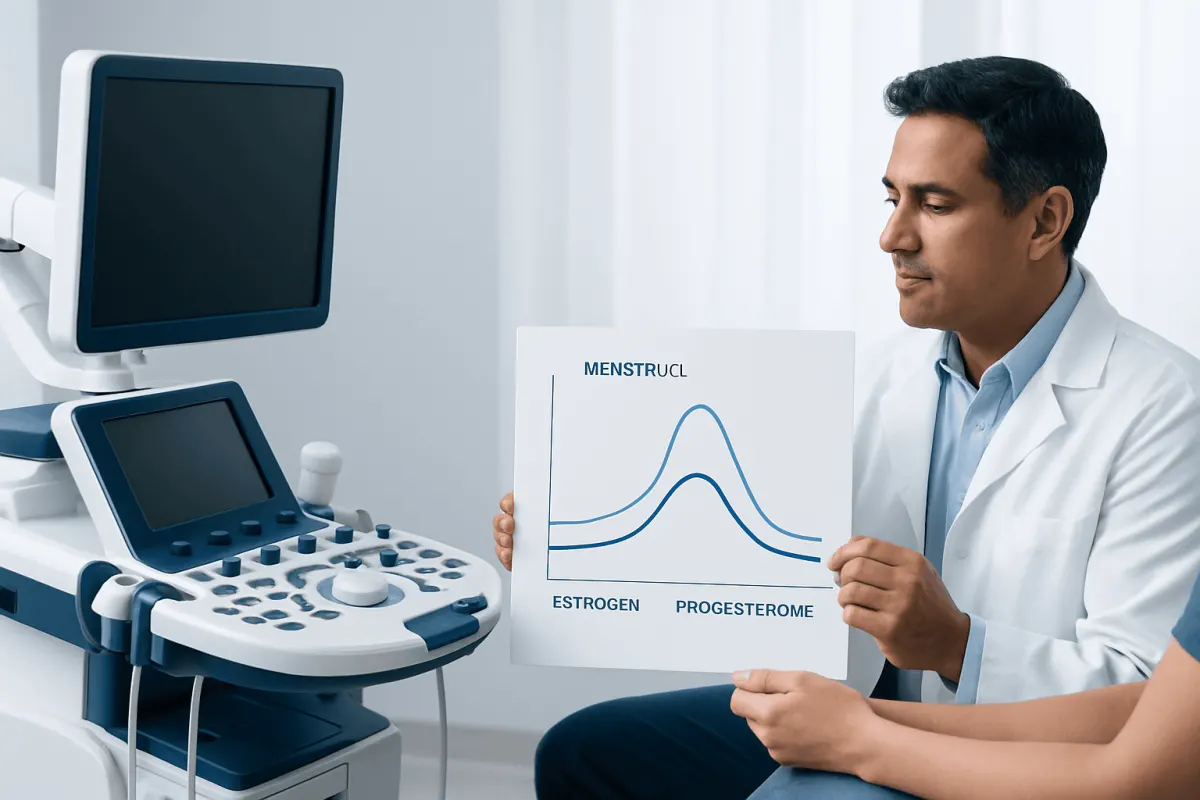
Estrogen and progesterone are reproductive hormones that work together but have different effects. Estrogen is most active in building the uterine lining and supporting many body systems, while progesterone helps prepare that lining for pregnancy and supports it after ovulation.
Estrogen vs Progesterone: A Side-by-Side Comparison
Estrogen vs progesterone is best understood as a partnership rather than a competition. Both hormones are made mainly by the ovaries before menopause, fluctuate across the menstrual cycle, and are also important in pregnancy. Smaller amounts are produced by other tissues, including the adrenal glands and body fat.
Estrogen has broad effects throughout the body, including the reproductive organs, bones, brain, skin, and blood vessels. Progesterone has a more focused role in the second half of the menstrual cycle and early pregnancy, particularly in preparing and maintaining the uterine lining.
- Main cycle pattern: Estrogen usually increases in the first half of the cycle and peaks before ovulation. Progesterone rises after ovulation.
- Uterine lining: Estrogen helps the lining grow. Progesterone changes and stabilizes it so it can support a possible pregnancy.
- Pregnancy role: Estrogen supports uterine and breast changes. Progesterone helps maintain the uterine environment and reduces uterine contractions early in pregnancy.
- Effects beyond reproduction: Estrogen contributes to bone maintenance and vaginal tissue health. Progesterone can influence sleep, body temperature, mood, and breast tenderness.
- At menopause: Both hormones decline, though estrogen changes are often most closely linked with hot flashes, vaginal symptoms, and bone loss.
The terms are sometimes used loosely, but they are not interchangeable. “Estrogen” refers to a group of hormones, including estradiol, estrone, and estriol. “Progesterone” is a specific hormone; progestin is the name for synthetic medications that have progesterone-like effects.
How the Hormones Change During the Menstrual Cycle
During the early part of a typical menstrual cycle, called the follicular phase, developing ovarian follicles produce increasing amounts of estrogen. This rise helps thicken the endometrium, the lining inside the uterus. It also helps trigger the hormonal signal that leads to ovulation.
After ovulation, the emptied follicle becomes the corpus luteum and produces progesterone, along with some estrogen. This is the luteal phase. Progesterone makes the uterine lining more receptive to an embryo and causes a small rise in resting body temperature in many people.
If pregnancy does not occur, the corpus luteum naturally stops functioning. Estrogen and progesterone levels fall, and the uterine lining is shed during menstruation. If pregnancy occurs, early pregnancy hormones help sustain progesterone production until the placenta takes over much of this role.
Cycles vary between individuals and at different life stages. Puberty, breastfeeding, perimenopause, stress, significant weight changes, intense exercise, illness, and some medications can all affect ovulation and hormone patterns.
How Clinicians Tell Estrogen and Progesterone Effects Apart

Doctors do not usually diagnose an “estrogen problem” or “progesterone problem” from one symptom or one blood test. Instead, they start with the pattern: when symptoms occur, whether periods are regular, whether ovulation is likely, whether pregnancy is possible, and whether there are changes in sleep, mood, bleeding, vaginal comfort, or hot flashes.
Timing is especially important. A progesterone result has a different meaning depending on whether it is measured before or after ovulation. In someone with regular cycles, a clinician may arrange testing during a specific phase of the cycle when it would be most informative. Estrogen levels also naturally vary, so a single result may not explain symptoms on its own.
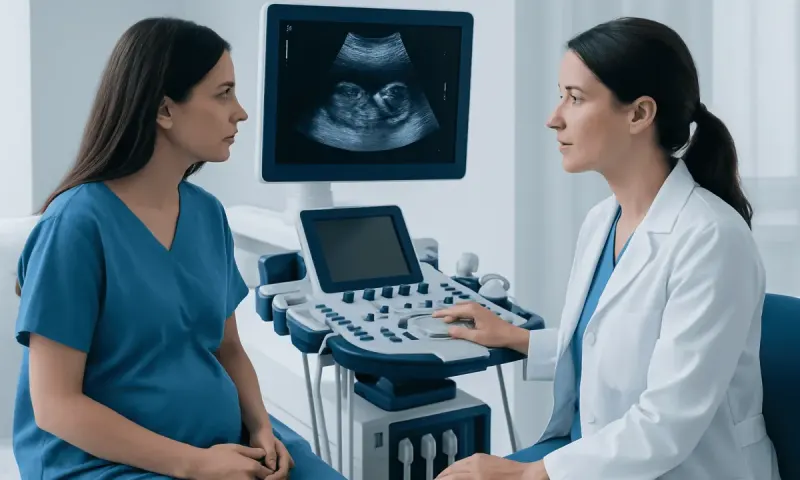
A medical assessment may include a menstrual and medication history, pregnancy test when relevant, physical examination, and selected tests such as thyroid function, prolactin, blood count, or reproductive hormone testing. Pelvic ultrasound may be helpful for abnormal bleeding, ovarian concerns, or suspected structural conditions affecting the uterus.
Clinicians also consider other explanations. For example, irregular periods may occur with polycystic ovary syndrome, thyroid disorders, changes in body weight, stress, or the perimenopause transition. This broader assessment helps avoid treating a hormone number rather than the underlying cause.
Symptoms That May Occur When Hormones Fluctuate
Because estrogen and progesterone interact with many tissues, their normal fluctuations can be noticeable. However, symptoms are not specific enough to determine which hormone is responsible. The same symptom may have hormonal, medical, emotional, lifestyle-related, or medication-related causes.
Changes associated with lower or fluctuating estrogen may include hot flashes, night sweats, vaginal dryness, discomfort during sex, sleep disruption, mood changes, or changes in menstrual bleeding. These are common during perimenopause and menopause, but they should still be discussed if they are affecting daily life.
Progesterone rises after ovulation, and some people notice bloating, breast tenderness, fatigue, constipation, acne changes, appetite shifts, or mood symptoms during this phase. Premenstrual symptoms can be troublesome, but severe or disabling mood symptoms deserve professional assessment, particularly if they occur predictably before periods.
Heavy, prolonged, or unpredictable bleeding is not a reliable sign of one specific hormone level. It can arise when ovulation is irregular, but it can also be related to fibroids, polyps, pregnancy-related conditions, bleeding disorders, thyroid disease, or other gynecologic concerns. Uterine fibroids are one common noncancerous cause of heavy menstrual bleeding.
What Doctors May Recommend in Different Situations
The right next step depends on the person’s symptoms, diagnosis, pregnancy plans, and health history. For occasional, mild cycle-related symptoms, clinicians may recommend symptom tracking, regular meals, adequate sleep, physical activity, and strategies to manage stress. A record of bleeding days, flow, pain, and associated symptoms can make an appointment more productive.
When irregular ovulation, heavy bleeding, or significant premenstrual symptoms are present, treatment may focus on cycle regulation, reducing bleeding, relieving pain, or addressing a contributing condition. Options may include nonhormonal medicines, hormonal contraception, or other gynecologic treatments. The choice should be made with a qualified clinician after reviewing potential benefits and risks.
For menopausal symptoms, menopausal hormone therapy may be considered for some patients. Estrogen may be used alone after hysterectomy in appropriate circumstances. When a person has a uterus, a progestogen is commonly prescribed alongside systemic estrogen to help protect the uterine lining from excessive stimulation. Not everyone is a candidate for hormone therapy.
People who are trying to conceive or who have recurrent cycle concerns may benefit from fertility-focused evaluation. This can assess whether ovulation is occurring and identify factors involving the ovaries, uterus, fallopian tubes, sperm, or general health. IVF treatment is considered only when clinically appropriate after individualized fertility assessment.
Safe Self-Care and Preparing for a Hormone Appointment
It is understandable to look for an explanation when periods, mood, sleep, or body changes feel different. Before using over-the-counter hormone products, supplements marketed as “hormone balancing,” or compounded hormones, it is wise to speak with a clinician. These products may not be suitable for everyone, can interact with medications, and may delay assessment of an underlying condition.
Useful information to bring to an appointment includes the date of the last period, usual cycle length, bleeding pattern, pregnancy possibility, medication and supplement use, personal and family health history, and a description of symptoms. Tracking symptoms over two or three cycles, if possible, can help reveal whether they follow a cyclical pattern.
General habits that support overall health may also support symptom management: maintaining regular movement, eating a varied diet, limiting smoking and excess alcohol, and prioritizing sleep. These steps do not replace medical care for persistent, severe, or changing symptoms.
For international patients, Acıbadem Health Point’s multidisciplinary specialists and JCI-accredited hospitals can assess menstrual, hormonal, menopause, and fertility concerns and discuss appropriate care options.
When to Seek Medical Care
A non-urgent medical appointment is appropriate for new irregular periods, bleeding between periods, very painful periods, symptoms of menopause that interfere with sleep or quality of life, concerns about fertility, or persistent premenstrual physical or emotional symptoms. A clinician can help distinguish normal hormonal variation from conditions that need treatment.
Prompt medical care is important for very heavy bleeding, such as bleeding that rapidly soaks through pads or tampons, or bleeding accompanied by dizziness, fainting, shortness of breath, severe weakness, or chest discomfort. These symptoms can indicate substantial blood loss or another urgent problem.
Urgent evaluation is also needed for severe pelvic pain, pain with fever or vomiting, a positive pregnancy test with bleeding or one-sided abdominal pain, or thoughts of self-harm. These symptoms have different possible causes and should not be assumed to be due to ordinary hormone changes.
Regular preventive gynecologic care remains important even when symptoms seem hormonal. Screening and examination recommendations vary by age, anatomy, medical history, and local guidelines, so individuals should ask their clinician what is appropriate for them.
Frequently asked questions
01What is the main difference between estrogen and progesterone?
Estrogen mainly supports development of the uterine lining before ovulation and affects many tissues throughout the body, including bones and vaginal tissue. Progesterone rises after ovulation and helps prepare and stabilize the uterine lining for a possible pregnancy. Both hormones are needed for normal reproductive function.
02Can symptoms show whether estrogen or progesterone is low?
Symptoms can provide clues, but they cannot reliably identify one hormone as the cause. Hot flashes and vaginal dryness may occur with lower estrogen, while symptoms after ovulation may relate to progesterone changes, but there is considerable overlap. A clinician considers the timing, medical history, examination, and tests when needed.
03Why is progesterone often given with estrogen in menopause treatment?
For people who still have a uterus, systemic estrogen can stimulate the uterine lining. Adding a progestogen helps reduce the risk of excessive lining growth. The exact regimen depends on individual medical history and should be prescribed and monitored by a clinician.
04Do hormone blood tests diagnose menopause?
Menopause is often diagnosed from age, symptoms, and changes in menstrual periods rather than a single hormone test. Hormone levels can fluctuate substantially during perimenopause. Testing may be useful in selected situations, but it is not always necessary.
05Can irregular periods mean progesterone is low?
Irregular periods can occur when ovulation does not happen regularly, which changes progesterone production. However, irregular bleeding has many possible causes, including pregnancy, thyroid disorders, polycystic ovary syndrome, uterine conditions, medications, and perimenopause. Medical assessment is helpful when irregularity is new, persistent, or bothersome.
06Should a person take progesterone or estrogen for PMS symptoms?
Hormonal treatment is not the right choice for every person with premenstrual symptoms. A clinician may first assess the timing and severity of symptoms and consider other conditions, medicines, and personal health risks. Treatment may include lifestyle measures, nonhormonal options, or selected hormonal approaches depending on the diagnosis.
This article is for general information only and is not a substitute for professional medical advice. Please consult a qualified doctor about your individual situation.
Medical weight-loss options in Turkey — costs & eligibility
JCI-accredited · board-certified surgeons · reply within 24h
Add us as a Preferred Source to see more of our trusted health content across Google Search, AI Overviews and Discover.