

Travel Home After Treatment: Recovery Planning Checklist

Plan a safer trip home after treatment with a practical recovery checklist, travel tips, and follow-up advice for international patients.
If you are flying home after treatment, the days between discharge and departure matter as much as the procedure itself. This guide helps you plan the trip, protect your recovery, and stay organized once you leave Turkey.
At a glance
- Best for: International patients preparing to travel home after treatment
- Focus: Safe discharge planning, mobility, medications, and follow-up
- Useful before departure: 1-3 days, depending on your treatment and travel distance
- Common support: Interpreter help, transfer planning, hotel coordination, and discharge documents
- When to ask more questions: Before you leave the hospital or while arranging your transfer
Why the last 24 hours deserve a plan
It is easy to think the important part ends when your treatment is finished. In reality, the journey home is part of recovery, especially if you are flying long distance or need to keep a wound, dressing, cast, or medication schedule on track.
A good discharge plan reduces avoidable stress. You know what to pack, when to take medication, how to move safely, and who to contact if something feels off after you land.
At Acibadem Health Point, international patients usually leave with clear instructions, translated documents when needed, and practical support for transport and accommodation. That kind of structure helps you focus on healing instead of solving problems at the airport.
Before you leave the hospital: what should be in place
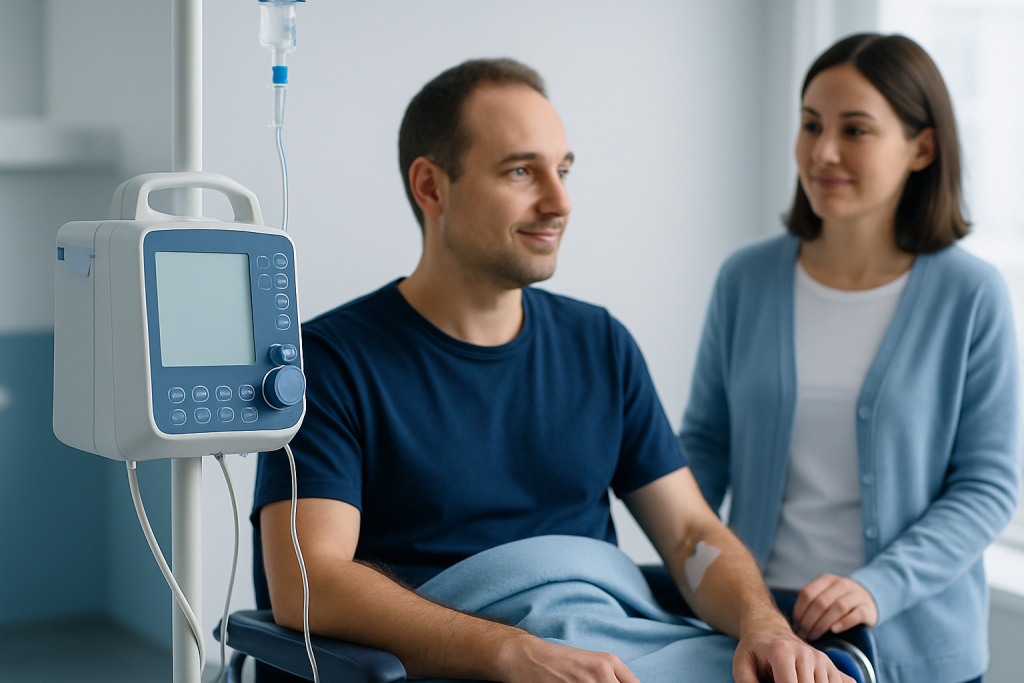
Start by making sure your discharge discussion is specific, not vague. You should know the names and timing of your medications, whether you have movement limits, and what you are allowed to do during the next few days.
Ask for a written summary you can carry with you. For international patients, it is especially helpful when discharge notes include the diagnosis, treatment received, medication list, and any follow-up instructions in English or another language you can read easily.
If you need an interpreter, use one before you leave rather than relying on memory later. Acibadem Health Point’s international patient services can help coordinate communication so you are not left guessing about the details that matter most.
Packing for the trip home

Your bag should be built around comfort, access, and simplicity. Keep essential medicines, discharge papers, identification, phone charger, and any supportive items you may need during the journey within easy reach.
If you are travelling after surgery or another procedure that affects mobility, pack clothing that is loose, easy to put on, and comfortable for sitting or standing. A small pillow, compression items if prescribed, water, and a light snack can also make the journey easier.
Do not place medications, documents, or medical devices in checked luggage. If you will need them during transit, they should stay with you in your hand luggage so you can reach them quickly.
- Passport and travel documents
- Discharge summary and prescriptions
- Medication list with timing
- Any device or supplies you were told to use
- Emergency contact numbers
Getting to the airport safely
How you get to the airport can shape the rest of the trip. If you are sore, tired, or restricted from lifting or walking long distances, ask for a transfer that matches your condition rather than trying to manage a complex ride on your own.
Plan extra time. You may move more slowly than usual, need help with bags, or prefer a shorter route with fewer changes. If your treatment involved sedation, anesthesia, or pain medication, make sure you are medically cleared for travel and alert enough for the journey.
Many international patients appreciate having travel arranged with recovery in mind, rather than fitting recovery around the schedule. Acibadem Health Point can help coordinate the practical side, including transport and hotel details, so the handoff from hospital to airport feels less abrupt.
During the flight: protect your recovery
Once you are on the plane, your goals are simple: stay comfortable, move when advised, and avoid straining the part of your body that is healing. Follow any instructions about sitting position, brace use, wound care, or compression garments exactly as given.
Ask your care team whether you should walk periodically, drink extra water, or avoid certain seating positions. If you are at higher risk of swelling or clotting, your clinician may give you specific movement or medication instructions for the flight.
Keep your documents accessible in case airline staff or security ask questions. If you need a letter explaining your treatment or a mobility need, request it before departure so you are not trying to arrange it while boarding.
The first 72 hours at home
The first few days after travel are when fatigue often catches up with you. Even if the journey seemed manageable, give yourself time to rest, hydrate, eat lightly, and re-establish your medication schedule in your own time zone.
Set up your space before you leave Turkey if possible, or ask a family member to do it for you. You will want easy access to water, medication, wound supplies, chargers, a thermometer if recommended, and a clear path to the bathroom or bedroom.
Do not rush back into errands, work, driving, or exercise until you have been cleared to do so. Recovery is easier when you remove unnecessary decisions from the first days at home.
Follow-up care across borders
Going home does not mean the medical conversation ends. You may need to send photos, lab results, or progress updates to your treating team, or arrange local care for dressing changes, stitch removal, physiotherapy, or routine checks.
Before you travel, ask what kind of follow-up is expected and how you should reach the hospital if a question comes up later. Keep the contact details together with your discharge documents so you are not searching for them in an emergency.
Acibadem Health Point’s international patient model is built for this kind of continuity. The goal is to help you understand what can be managed from abroad and what should be reviewed in person, without leaving you to translate the next steps on your own.
When to seek help after you land
Some discomfort is expected after treatment, but new or worsening symptoms should not be ignored. If you were given warning signs to watch for, treat those instructions as urgent guidance rather than optional advice.
Contact your treating team promptly if you develop fever, unusual swelling, heavy bleeding, shortness of breath, severe pain, or any change that feels out of proportion to the recovery you were told to expect. If the concern is serious or sudden, seek local emergency care right away.
It is much easier to act early than to explain a delay later. Keep your local emergency number, your home clinician’s contact details, and Acibadem Health Point’s follow-up information in one place so you can respond quickly if needed.
Step by step
- Confirm you are cleared to travel. Before booking or boarding, make sure your treating team has said it is safe for you to travel. Ask whether there are any restrictions on flying, sitting for long periods, lifting luggage, or using certain medications during the trip.
- Collect your discharge papers and prescriptions. Take home a written summary of your treatment, medicine instructions, and any follow-up recommendations. Keep these in your carry-on bag so they are available if you need them during transit or after arrival.
- Check mobility and comfort needs. Plan for wheelchairs, assistance services, extra legroom, or an escort if your movement is limited. The safest option is the one that lets you move without strain and reduces the chance of overdoing it.
- Prepare your travel day bag. Pack medications, water, documents, snacks, chargers, and any approved support items in one easy-to-reach bag. Avoid placing anything essential in checked luggage, since delays or lost bags can complicate recovery.
- Arrange transport from airport to accommodation. Have a straightforward route from the airport to your hotel or home, with help available if you are tired or sore. If you are staying in Turkey for a short recovery period, Acibadem Health Point can help coordinate accommodation and transfers that match your needs.
- Set your first-home-day plan. Before you leave, decide who will help you unpack, collect medication, and restock simple essentials. The less you have to improvise when you arrive, the easier it is to stay on schedule.
- Store follow-up contacts in more than one place. Save your hospital contact details in your phone and keep a printed copy with your documents. If internet access or your battery fails, you will still have the numbers and instructions you need.
Your checklist
- Discharge summary packed in hand luggage
- Medication names, doses, and timing confirmed
- Travel clearance obtained from your care team
- Any mobility aid or support service arranged
- Emergency contacts saved on phone and paper
- Airport transfer or pickup confirmed
- Comfortable clothing packed for travel day
- Water, snacks, and chargers ready
- Local follow-up plan understood
- Warning signs reviewed before departure
Key takeaways
- Travel home is part of recovery, not separate from it.
- Your discharge plan should be written, clear, and easy to carry.
- Pack medications and documents in your hand luggage.
- Plan the airport transfer around your energy level and movement limits.
- Follow-up after you leave Turkey should be simple to access and easy to understand.
01How soon can I travel home after treatment?
It depends on the type of treatment, your general condition, and whether you need observation before you go. Your care team should confirm when it is safe for you to fly or travel long distance, especially if you had anesthesia, surgery, or a procedure affecting mobility.
02What should I keep with me during the journey?
Keep your discharge summary, prescriptions, medication list, passport, and any treatment-related letters in your hand luggage. It is also wise to have water, snacks, a charger, and any approved support items within easy reach.
03Do I need special help at the airport?
If you are weak, in pain, or have walking limits, yes, asking for assistance can make the journey safer and less tiring. Wheelchair support, extra time, or help with bags may be appropriate depending on your condition.
04What if I do not understand the discharge instructions?
Ask for clarification before you leave the hospital. At Acibadem Health Point, international patient services and interpreters can help make sure you understand the instructions in a language that works for you.
05Can I manage follow-up care with my doctor back home?
In many cases, yes, but your treating team should tell you what local follow-up is needed and what needs to stay under their review. Share your discharge documents with your home clinician so they have the full picture.
06What symptoms mean I should seek help after I arrive?
Follow the warning signs given by your team, and do not wait if you notice fever, heavy bleeding, shortness of breath, worsening swelling, or severe pain. If the change feels urgent, seek local emergency help right away.
Add us as a Preferred Source to see more of our trusted health content across Google Search, AI Overviews and Discover.
More Patient Guides

Special Needs Travel Checklist Before Surgery in Turkey
Plan a smoother surgery trip to Turkey with a practical special needs checklist for mobility, documents, medications, and support needs.
8 min read
Accessible Hotel Planning for Medical Patients in Turkey
Plan an accessible hotel stay in Turkey with confidence: room features, transport, mobility needs, and support from Acibadem Health Point.
8 min read
Traveling to Turkey with a Disability: Patient Checklist
Plan a smoother medical trip to Turkey with a disability. Use this practical checklist for flights, mobility, medication, support, and recovery.
8 min read