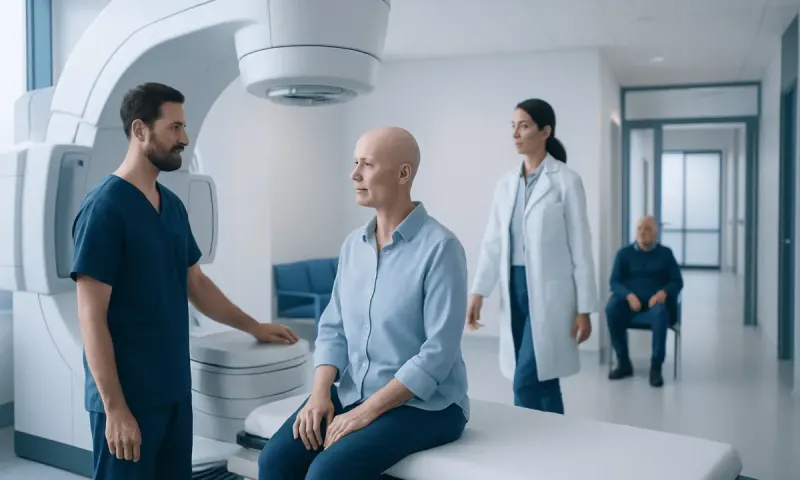
Radiation Therapy Side Effects: What to Expect and How to Cope

Key Takeaways
- Most radiation side effects are local — they affect the treated area rather than the whole body — and are temporary.
- Fatigue and skin changes in the treated area are the most commonly reported effects across many treatment sites.
- Early (acute) effects usually build during the course and settle within weeks after it ends; late effects are less common and are checked at follow-up visits.
- Weekly on-treatment reviews exist specifically so that symptoms can be picked up early and managed before they become severe.
- Fever, uncontrolled pain, dehydration, bleeding, or new neurological symptoms are not typical and should be reported the same day.
- Patients traveling for treatment should plan for the full course plus recovery time, and arrange a clear written aftercare plan for their doctor at home.
Radiation therapy is a targeted treatment, so most side effects appear only in the part of the body being treated and improve gradually after the course finishes. Knowing what is expected, what should be reported, and how care is monitored and coordinated helps patients feel prepared rather than anxious.
Overview: Why Radiation Therapy Causes Side Effects
Radiation therapy uses precisely aimed energy beams to damage the DNA of cancer cells so they can no longer divide. Healthy cells inside or close to the treatment field are also exposed, and although they repair themselves far more efficiently than cancer cells, that repair process takes time and energy. This is the reason radiation side effects occur — and it is also why they are usually confined to the area being treated rather than affecting the whole body, which is a key difference from many systemic drug therapies.
Modern planning techniques, including three-dimensional imaging, intensity-modulated delivery and daily image guidance, are designed to concentrate dose on the target while sparing surrounding tissue. Radiation oncologists and medical physicists build these constraints into the plan before the first session, and the plan is checked repeatedly during the course. The result is that many people continue working, driving and caring for their families throughout treatment, with side effects that are noticeable but manageable.
It is important to say clearly what this article is and is not. It is general health information to help patients recognize what is commonly expected and what deserves a phone call. It is not a substitute for the personalized guidance of the treating radiation oncology team, who know the exact site, dose schedule and combination therapies involved in each individual case.
Common Radiation Side Effects, Area by Area
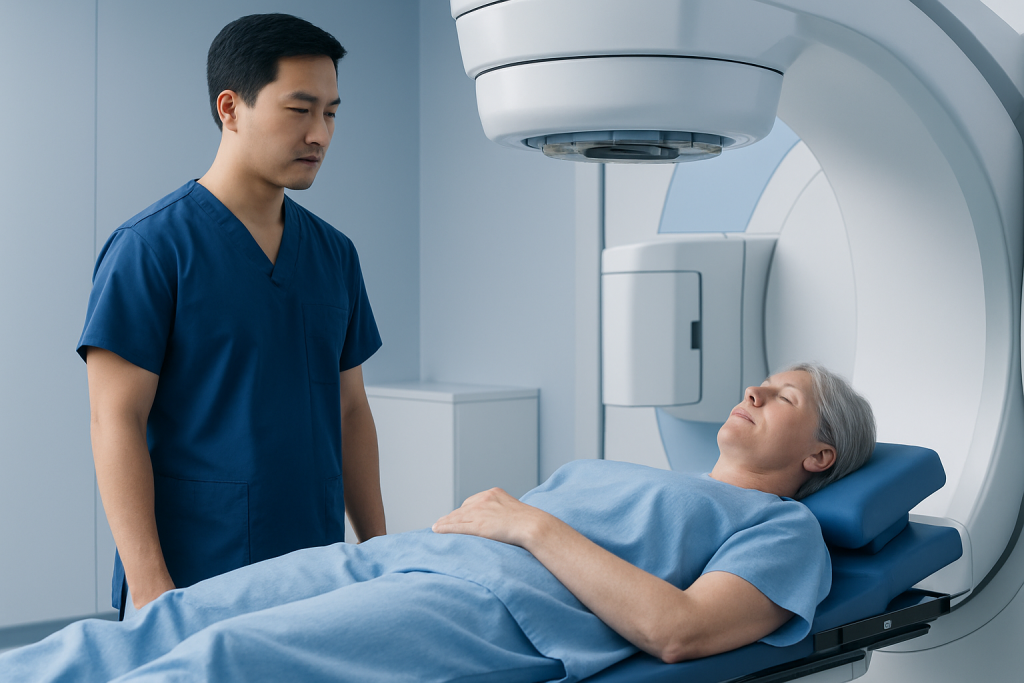
Because radiation is regional, the effects a person experiences depend mainly on which part of the body is treated. Two effects, however, are reported across almost all treatment sites: tiredness that builds gradually over the weeks of treatment, and skin changes in the entry and exit areas of the beam — most often dryness, itching, mild redness or darkening, and sometimes peeling in skin folds.
Beyond those, patients and their families often find it helpful to know the general pattern associated with different regions:
- Head and neck: dry or thickened saliva, taste changes, sore mouth or throat, and difficulty swallowing.
- Chest: irritation of the food pipe causing discomfort when swallowing, cough, or breathlessness that develops after treatment.
- Breast: skin reaction in the treated breast, swelling, tenderness, and occasional shooting sensations.
- Abdomen and pelvis: nausea, looser or more frequent stools, urinary urgency or burning, and changes in sexual or fertility function.
- Brain: hair loss in the treated area, headache, and increased sleepiness.
- Bones and spine: a temporary flare of pain in the first days, which often settles and is frequently followed by improved pain control.
Not every person develops every effect on these lists, and intensity varies widely between individuals receiving apparently similar treatment. Factors such as the size of the treatment field, whether chemotherapy or targeted therapy is given at the same time, smoking status, nutrition, diabetes and skin condition all influence the experience. The treating physician is the only person who can say which of these are relevant to a particular plan.
Early Effects Versus Late Effects: The Timeline
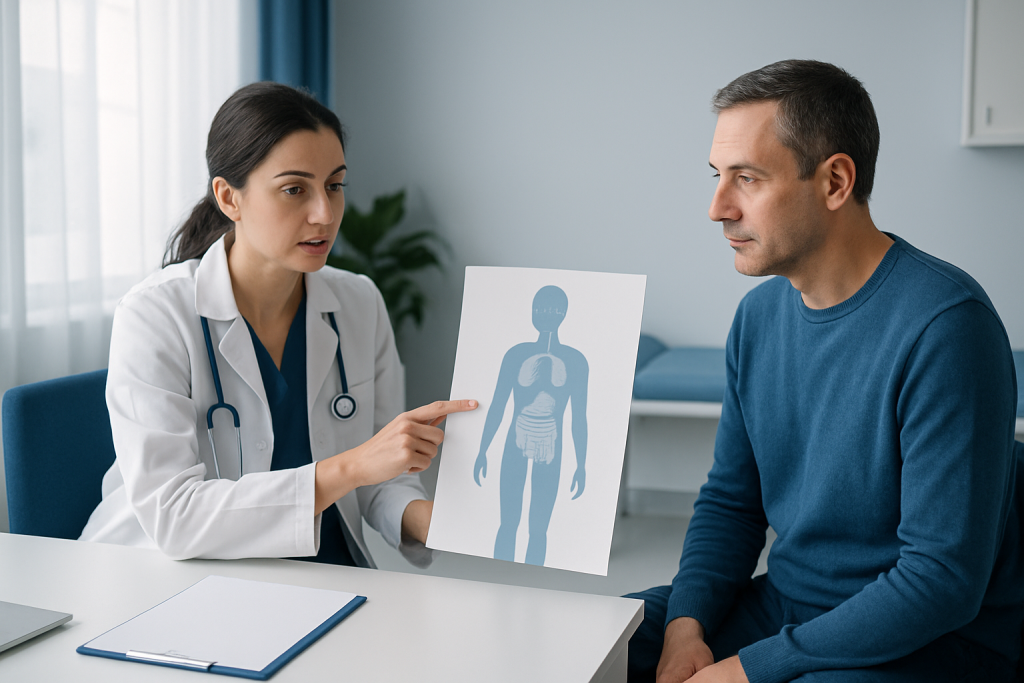
Clinicians divide radiation side effects into two broad groups. Acute or early effects typically appear during the second or third week of a course, peak near the end, and then improve steadily over the following weeks as normal tissue repairs. Many people notice that fatigue and skin reactions actually feel most pronounced shortly after the last session rather than during it, which can be unexpected and is worth anticipating.
Recovery is gradual rather than sudden, and no responsible clinician can promise a fixed number of days. Some people feel largely back to their baseline within a few weeks; others, particularly after large treatment fields or combined therapies, describe a longer tail of tiredness. Sleep, gentle activity, hydration and adequate protein intake all support this recovery period.
Late effects are less common and may appear months or years later. They can include tissue firmness or fibrosis, changes in skin color and texture, dryness of treated glands, narrowing of a treated passage, lymphedema, or an alteration in hormone function if a gland was in the field. Radiation oncology teams plan specifically to keep the risk of late effects low, and follow-up visits are designed to detect and manage them early. Patients should keep a copy of their radiotherapy summary — including the site and technique used — because it remains clinically relevant for decades.
Practical Ways to Cope During Treatment
Day-to-day self-care makes a measurable difference to comfort. For the skin, teams generally advise washing the treated area gently with lukewarm water and a mild, unperfumed cleanser, patting rather than rubbing dry, wearing loose cotton clothing, avoiding adhesive tape, hot water bottles or ice on the area, and protecting the skin from sun exposure. Moisturizers and any topical product should be cleared with the radiation team first, since some ingredients are best avoided close to a session.
For fatigue, the evidence consistently favors gentle, regular movement over complete rest. Short daily walks, light stretching or supervised exercise tend to reduce tiredness rather than worsen it. Pacing helps: planning the most demanding tasks for the time of day when energy is highest, accepting help with errands, and keeping a consistent sleep routine.
- Keep a simple daily symptom diary — it makes weekly reviews far more useful.
- Drink fluids steadily unless a doctor has advised fluid restriction.
- Prioritize protein and calories; small frequent meals are often easier than large ones.
- Ask about a dental review before head and neck radiation, and about swallowing exercises with a speech therapist.
- Do not start supplements, herbal products or high-dose antioxidants without checking, as some may interact with treatment.
Emotional strain is a genuine part of the experience and deserves the same attention as physical symptoms. Psycho-oncology support, patient groups and structured counseling are available in most comprehensive cancer programs and can be requested at any point in the course.
How the Care Team Monitors and Manages Symptoms
Radiation therapy is not delivered and then left unsupervised. Standard practice includes an on-treatment review, usually weekly, where a radiation oncologist or specialist nurse examines the treated area, checks weight and blood results where relevant, and adjusts supportive medication. Radiation therapists who position the patient each day are often the first to notice a developing skin reaction and will flag it.
Supportive measures are matched to the site and severity of the problem. These may include prescribed skin preparations, mouth rinses, anti-nausea medication, pain relief, antidiarrheals, nutritional supplements or a temporary feeding route, and referral to dietitians, physical therapists, lymphedema specialists or dental teams. In some situations a short planned break in treatment is considered, though this decision belongs entirely to the radiation oncologist, who weighs it against the importance of completing the course as scheduled.
Patients should never adjust, skip or stop sessions independently, and should report new symptoms early rather than waiting for the next scheduled review. Symptoms that are addressed at a mild stage are far easier to control than those left until they interfere with eating, sleeping or breathing.
Planning Treatment Abroad: Logistics and Aftercare
For patients traveling internationally for radiation therapy, side effect management is closely tied to practical planning. A radiotherapy course typically runs over consecutive weekdays for several weeks, and simulation, imaging and plan verification take place beforehand, so accommodation should be arranged for the full course plus a recovery buffer — not just the treatment days. Because fatigue accumulates, most coordinators recommend lodging close to the treatment center to minimize daily travel time.
Useful things to organize in advance include a written treatment summary in English, interpreter support for consultations and on-treatment reviews, contact details for out-of-hours questions, guidance on visa duration that covers the whole schedule, and a realistic view of indicative cost planning that accounts for supportive medications, imaging and follow-up visits rather than the radiation sessions alone. A second opinion or video consultation before departure can also clarify whether the proposed plan, technique and timeline match expectations.
Aftercare back home matters just as much. Before returning, patients should leave with a discharge summary describing the treated site, technique and total course, a plan for skin and symptom care over the following weeks, a scheduled follow-up pathway, and clear instructions on which findings should prompt contact with either the treating center or a local physician. Acibadem Health Point coordinates this journey for international patients — arranging video consultations, second opinions, interpreters, travel and accommodation support, and communication with the multidisciplinary radiation oncology teams at JCI-accredited Acıbadem hospitals, including handover of records for continued care at home.
When to See a Doctor
Most radiation side effects follow a predictable pattern and are managed within routine reviews. Some findings, however, are not part of the expected course and should prompt prompt contact with the treating team, a local emergency service, or a physician on the same day.
- Fever, chills, or any sign of infection, particularly if chemotherapy is being given alongside radiation.
- Skin that becomes moist, broken, blistered, or is producing discharge.
- Inability to eat or drink, persistent vomiting, or signs of dehydration such as very dark urine or dizziness on standing.
- Severe or uncontrolled pain, or pain that changes in character.
- New shortness of breath, chest pain, or coughing up blood.
- Blood in the stool or urine, or a sudden change in bowel or bladder control.
- New weakness, numbness, confusion, severe headache, or a seizure.
- Swelling, redness or pain in a limb, which may indicate a clot.
After treatment ends, follow-up appointments continue for years, and patients should mention any new or persistent symptom in the treated area at these visits, however minor it seems. Reporting early is not an overreaction — it is exactly how radiation oncology teams keep both cancer control and long-term quality of life on track. Anyone who is uncertain whether a symptom is expected should ask; that question is always appropriate.
Frequently asked questions
01Are radiation side effects the same as chemotherapy side effects?
Usually not. Radiation therapy is a local treatment, so effects generally appear only in the area being treated, while chemotherapy circulates through the body and more often causes systemic effects such as widespread hair loss or low blood counts. Fatigue is one effect both treatments share. When the two are given together, effects can overlap and may feel more pronounced.
02How long do radiation side effects last after treatment ends?
Early effects typically peak around the end of the course and then improve gradually over the following weeks as healthy tissue repairs itself. The exact pace differs from person to person and depends on the treated area, the technique used and whether other therapies were given. A doctor cannot promise a fixed timeline, but persistent or worsening symptoms should always be reviewed.
03Does radiation therapy make a person radioactive?
External beam radiation does not make the body radioactive, and there is no risk to family members, children or pets from ordinary contact. With certain internal treatments, such as some forms of brachytherapy or radioactive substances given by mouth or injection, temporary precautions may apply. The treating team gives specific written instructions when any precautions are needed.
04Will hair fall out during radiation therapy?
Hair loss occurs only in the area being irradiated, not across the whole body. Someone treated to the pelvis, for example, will not lose scalp hair. Regrowth is common after lower doses, though it may be thinner or a different texture, and hair loss can be permanent after higher doses to a given area.
05Is it safe to exercise during radiation therapy?
For most people, yes — gentle, regular activity such as walking or light stretching tends to reduce treatment-related fatigue rather than worsen it. Exercise should be adapted to energy levels and to any bone, balance or blood-count concerns, so it is best discussed with the treating team first. Physical therapists can design a safe program when needed.
06What should be avoided on the skin during treatment?
Teams generally advise avoiding perfumed products, harsh scrubbing, adhesive tape, very hot or very cold applications, and direct sun exposure over the treated area. Any moisturizer, ointment or over-the-counter product should be checked with the radiation team, since some are best not applied shortly before a session. Loose cotton clothing reduces friction and helps comfort.
07Can side effects appear months or years after treatment?
Late effects are less common than early ones but are possible, and may include tissue firmness, dryness of treated glands, lymphedema or hormonal changes if a gland was in the field. Follow-up appointments are designed partly to detect and manage these early. Keeping a copy of the radiotherapy summary is helpful, as it remains relevant to future medical care.
This article is for general information only and is not a substitute for professional medical advice. Please consult a qualified doctor about your individual situation.
Oncology care in Turkey — second opinion and treatment plan
JCI-accredited · board-certified surgeons · reply within 24h
Add us as a Preferred Source to see more of our trusted health content across Google Search, AI Overviews and Discover.