Nephroblastoma (Wilms Tumor): Care and Outlook

Nephroblastoma, also called Wilms tumor, is the most common kidney cancer in children. With prompt specialist assessment and planned treatment, many children can be treated successfully, although outlook depends on the tumor stage, biology, and response to therapy.
Overview: What is nephroblastoma (Wilms tumor)?
Nephroblastoma, more commonly called Wilms tumor, is a malignant tumor that starts from immature kidney cells. It occurs mainly in children, most often before school age, although it can occasionally be diagnosed in older children. In most cases, it affects one kidney, but both kidneys may be involved in a small number of children.
Parents may first notice a firm or painless swelling in the child’s abdomen. Some children have no obvious symptoms and the mass is found during a routine examination or imaging performed for another reason. Because the abdomen should not be repeatedly pressed or squeezed when a kidney mass is suspected, families should arrange medical assessment rather than trying to check the lump themselves.
Wilms tumor is a serious diagnosis, but it is also one of the childhood cancers for which organized, multidisciplinary treatment has led to favorable outcomes for many children. Care is tailored by pediatric oncology, pediatric surgery, radiology, pathology, nephrology, and supportive-care teams.
Symptoms and early signs
The most frequent sign is a painless lump or fullness on one side of the abdomen. The abdomen may look enlarged, or a parent may notice that clothes fit differently. A child may otherwise appear well, which is why a new abdominal swelling should always be assessed promptly.
Other possible symptoms include abdominal discomfort, fever, reduced appetite, tiredness, nausea, vomiting, constipation, or blood in the urine. High blood pressure can occur because the kidney helps regulate blood pressure, although it may not cause noticeable symptoms.
These symptoms do not automatically mean a child has cancer. Infections, constipation, and several noncancerous conditions can cause similar concerns. However, a healthcare professional should evaluate persistent symptoms, unexplained abdominal enlargement, blood in the urine, or a newly noticed abdominal mass without delay.
- Painless abdominal swelling or a firm mass
- Abdominal pain or discomfort
- Blood in the urine
- Fever, fatigue, or poor appetite
- High blood pressure or headaches related to high blood pressure
Causes and risk factors

In most children, the exact cause of nephroblastoma Wilms tumor is not known. It is thought to develop when kidney cells that normally mature during fetal development acquire genetic changes and continue to grow abnormally. Nothing a parent did or did not do during pregnancy or early childhood is known to cause most cases.
A small proportion of children have an inherited predisposition or a syndrome associated with a higher risk of Wilms tumor. Examples include WAGR syndrome, Denys-Drash syndrome, Beckwith-Wiedemann spectrum, and some conditions involving unusually large body size or differences in the development of the urinary or reproductive organs.
When a child has features suggesting an inherited condition, bilateral kidney tumors, a family history of related cancers, or certain developmental differences, the care team may recommend genetic counseling and testing. Some higher-risk children may have regular kidney ultrasound screening according to specialist guidance.
How Wilms tumor is diagnosed and staged
Evaluation usually starts with a medical history, physical examination, blood pressure measurement, urine testing, and blood tests to assess kidney function, blood counts, and general health. An abdominal ultrasound is often an initial imaging test because it can identify a kidney mass without radiation exposure.
Further imaging commonly includes CT or MRI scans of the abdomen and pelvis to define the tumor and its relationship to nearby structures. Imaging of the chest is also important because the lungs are a potential site of spread. The results help the team plan surgery and determine the clinical stage.
In many treatment approaches, the diagnosis is confirmed when the tumor is removed or sampled, and a pathologist examines it under a microscope. Pathology identifies the tumor type and whether it has favorable or unfavorable histology, an important feature for treatment planning. The team also assesses whether the tumor has spread to lymph nodes, the lungs, liver, or elsewhere.
Staging describes how far the cancer has extended. A lower stage generally means disease is confined to the kidney or nearby area, while higher stages indicate more extensive local disease or spread. Stage is important, but it is only one part of the overall assessment.
What are the treatment guidelines for Wilms tumor?
Wilms tumor treatment guidelines use a risk-adapted approach. This means the treatment plan is selected according to the child’s age and health, tumor stage, histology, genetic and molecular findings when relevant, response to initial therapy, and whether one or both kidneys are affected. Pediatric oncology teams commonly follow established cooperative-group protocols and national or international guidance.
For many children, treatment includes removal of the affected kidney, called nephrectomy, together with evaluation of nearby lymph nodes. When both kidneys are involved, or when preserving as much kidney tissue as possible is especially important, treatment may begin with chemotherapy and be followed by kidney-sparing surgery when feasible.
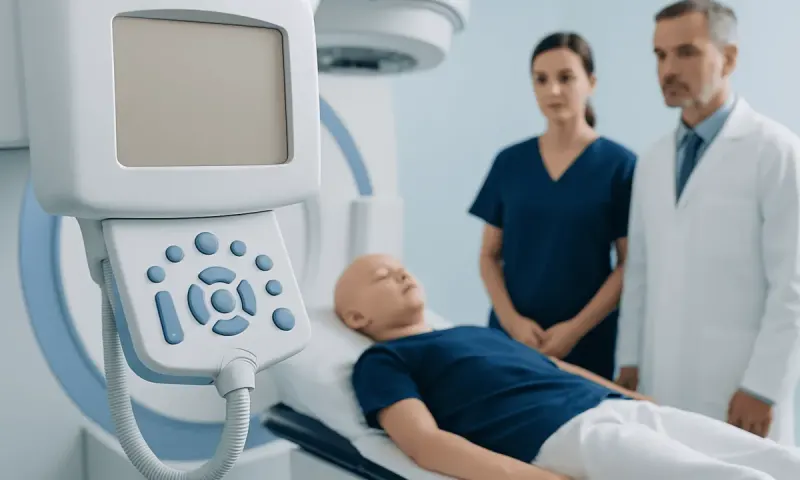
Chemotherapy is used for most children, either before surgery in some protocols or after surgery in others. The medicines and duration depend on risk group. Radiation therapy may be advised for certain higher-stage tumors, unfavorable histology, residual disease, or spread to specific sites. It is planned carefully to limit exposure to surrounding healthy tissues.
Supportive care is an essential part of treatment. It may include infection prevention, nausea control, nutritional support, fertility and developmental counseling when appropriate, psychosocial care, and monitoring of heart and kidney function. Families should discuss the proposed protocol, expected benefits, possible side effects, and follow-up plan with the child’s treating team.
What is the life expectancy of patients with Wilms tumor?
Life expectancy after a Wilms tumor diagnosis varies considerably from one child to another. The most important factors include the stage at diagnosis, tumor histology, whether the disease has spread, response to treatment, kidney involvement, and any underlying genetic condition. It is not possible to estimate an individual child’s outlook accurately from the diagnosis name alone.
Overall, outcomes for Wilms tumor have improved substantially with modern multidisciplinary care, and many children live long, healthy lives after treatment. Children with localized tumors and favorable histology generally have a particularly positive outlook, while relapsed disease, spread to distant organs, or unfavorable tumor biology can require more intensive therapy and closer monitoring.
Survivorship care remains important even after cancer treatment ends. Follow-up visits may include physical examinations, blood pressure checks, kidney-function testing, and imaging when clinically indicated. The team also monitors growth, learning, emotional well-being, and possible late effects related to chemotherapy, surgery, or radiation.
Is a Wilms tumor considered cancer?
Yes. A Wilms tumor is considered a cancer because it is a malignant growth that begins in kidney tissue and can invade nearby structures or spread to other parts of the body if not treated. It is also called nephroblastoma, which reflects its origin in immature kidney cells.
Although the word cancer can feel overwhelming, childhood cancers are different from adult cancers in many ways, including their biology and treatment approaches. Wilms tumor is managed by pediatric cancer specialists who use planned combinations of surgery, chemotherapy, and, when needed, radiation therapy.
Families may find it helpful to ask the team to explain the stage, pathology report, and treatment goals in plain language. Written care plans and discussions with a pediatric oncology nurse, social worker, or psychologist can also help families make sense of the diagnosis and prepare for treatment.
Is Wilms tumor curable?
Wilms tumor can often be cured, particularly when it is diagnosed at an earlier stage and has favorable histology. Treatment is designed with cure as the goal for many children, but the likelihood of cure depends on the individual features of the tumor and how it responds to therapy.
Some children need more intensive treatment because the tumor has spread, has returned after treatment, or has biological features associated with a higher risk. Even in these situations, the care team may recommend additional combinations of chemotherapy, surgery, radiation therapy, or participation in an appropriate clinical trial when available.
After treatment, regular follow-up is important because it helps identify recurrence early and supports long-term health. Families should keep a summary of the child’s diagnosis and treatment, as this information is useful for future medical care.
When to seek medical care
Parents or caregivers should arrange urgent medical evaluation if they notice a new abdominal lump, persistent abdominal enlargement, blood in a child’s urine, or ongoing abdominal pain without a clear explanation. A child with severe pain, marked weakness, breathing difficulty, significant bleeding, or sudden worsening symptoms needs emergency assessment.
Children already diagnosed with Wilms tumor should contact their oncology team promptly for fever, unusual bruising or bleeding, repeated vomiting, reduced urine output, dehydration, or symptoms that develop during chemotherapy. The treating team can advise whether the child needs same-day review or emergency care.
Acıbadem Health Point’s multidisciplinary specialists and JCI-accredited hospitals evaluate and treat childhood kidney tumors for international patients, with care coordinated around diagnosis, treatment planning, and follow-up.
Frequently asked questions
01At what age does Wilms tumor usually occur?
Wilms tumor occurs most often in young children, usually before 5 years of age. It can occur in older children, but this is less common. A healthcare professional should assess any unexplained abdominal mass at any age.
02Can Wilms tumor occur in both kidneys?
Yes. Most cases affect one kidney, but tumors can develop in both kidneys. When both kidneys are involved, the care team aims to control the cancer while preserving as much working kidney tissue as possible.
03How is Wilms tumor different from other kidney tumors in children?
Wilms tumor is the most common kidney cancer in children and has characteristic pathology and treatment protocols. Other pediatric kidney tumors are less common and may require different testing and treatment. Pathology and imaging help specialists determine the exact tumor type.
04Does removal of one kidney cause long-term problems?
Many children can live normally with one healthy kidney. They still need follow-up for blood pressure, kidney function, and general health, especially after cancer treatment. The treating team can give individualized guidance about activity, hydration, and medicines to avoid or use carefully.
05Will chemotherapy for Wilms tumor cause side effects?
Chemotherapy can cause side effects, which vary according to the medicines used and the child’s individual response. Common concerns can include tiredness, nausea, lower blood counts, hair loss, and increased infection risk. The oncology team monitors for side effects and provides supportive treatment.
06Can Wilms tumor come back after treatment?
Wilms tumor can recur in some children, which is why planned follow-up is important. The chance of recurrence depends on factors such as stage, histology, and treatment response. If recurrence occurs, specialist teams can discuss further treatment options based on the child’s situation.
This article is for general information only and is not a substitute for professional medical advice. Please consult a qualified doctor about your individual situation.
Persistent digestive symptoms? Get evaluated in Turkey
JCI-accredited · board-certified surgeons · reply within 24h
Add us as a Preferred Source to see more of our trusted health content across Google Search, AI Overviews and Discover.