Rhabdomyosarcoma Cancer: Diagnosis, Outlook and Care
Rhabdomyosarcoma cancer is a rare cancer that develops from immature cells related to skeletal muscle. It most often affects children and adolescents, but can occur at any age; treatment commonly combines chemotherapy with surgery and/or radiotherapy based on the tumor’s site, type and extent.
What is rhabdomyosarcoma cancer?
Rhabdomyosarcoma cancer is a rare malignant tumor that starts in primitive cells that normally develop into skeletal muscle. Skeletal muscles are the voluntary muscles used for movement, but rhabdomyosarcoma can develop in many parts of the body, including the head and neck, urinary or reproductive organs, abdomen, chest, arms and legs.
It is the most common soft-tissue sarcoma in children, although it remains uncommon overall. Rhabdomyosarcoma may also occur in teenagers and adults. Because adult cases are rare and can differ in their behavior, care is usually planned by a specialist team with experience in sarcoma.
The two main childhood subtypes are embryonal and alveolar rhabdomyosarcoma. Embryonal tumors are more often diagnosed in younger children and may occur in the head and neck or genitourinary area. Alveolar tumors are more commonly found in the limbs or trunk and are more likely to have characteristic genetic changes. A less common pleomorphic type generally occurs in adults.
Signs, symptoms and causes
Symptoms depend primarily on where the tumor begins. A lump or swelling that grows, does not settle, or is firm may be the first sign. Tumors near the eye can cause swelling, bulging or changes in vision. Those in the nose, throat or ear area may lead to nasal blockage, bleeding, headache, voice changes or swallowing difficulty.
Rhabdomyosarcoma in the bladder, prostate, vagina or other pelvic structures can cause difficulty passing urine or stool, blood in the urine, vaginal bleeding, or a visible mass. A tumor in an arm or leg may cause persistent swelling, pain, weakness or reduced movement. These symptoms are often caused by conditions other than cancer, but they should not be ignored when persistent or worsening.
In most cases, there is no identifiable cause and nothing a parent or patient did caused the cancer. Rhabdomyosarcoma results from changes in cells that affect normal growth control. Rarely, it is associated with inherited cancer-predisposition conditions, such as Li-Fraumeni syndrome, neurofibromatosis type 1, Costello syndrome or Noonan syndrome. A genetics consultation may be suggested when personal or family history raises concern.
How rhabdomyosarcoma is diagnosed and staged
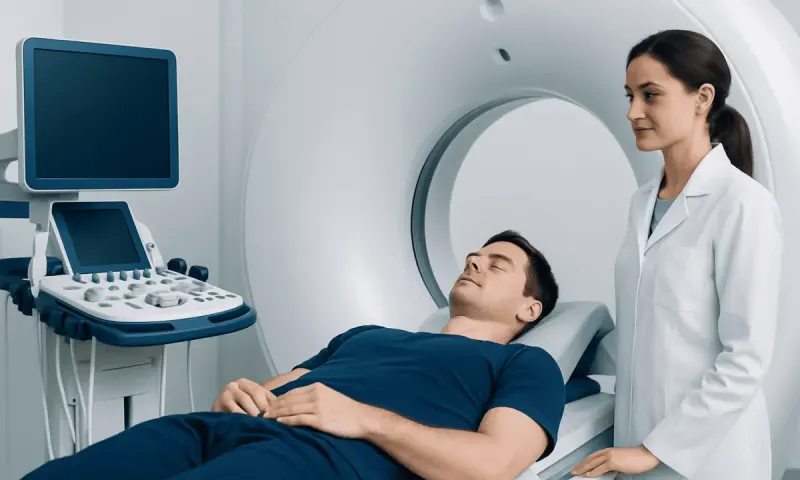
Diagnosis usually begins with a clinical assessment and imaging of the suspected area. Ultrasound, magnetic resonance imaging (MRI), computed tomography (CT) and sometimes positron emission tomography (PET) may be used to define the tumor, assess nearby structures and look for possible spread. The imaging plan is tailored to the tumor location and the person’s age.
A biopsy is needed to confirm rhabdomyosarcoma. A specialist removes a small sample of tissue so a pathologist can examine the cells and perform molecular testing. These tests help identify the subtype and relevant genetic features, which can influence risk assessment and treatment planning. Biopsy placement is important because it may affect later surgery, so it should ideally be coordinated by an experienced sarcoma team.
Staging describes whether the cancer is localized or has spread to other sites, such as lymph nodes, lungs, bone or bone marrow. Doctors also assign a risk group using factors including the primary location, tumor size, whether it can be fully removed, lymph-node involvement, subtype and molecular findings. This risk grouping guides the intensity and combination of treatment.
What are the treatment options for rhabdomyosarcoma?
Treatment options for rhabdomyosarcoma commonly include chemotherapy, surgery and radiotherapy. These approaches are often combined because microscopic cancer cells may be present beyond the main tumor, even when scans suggest that disease is localized. Treatment is individualized through a multidisciplinary team that may include pediatric or medical oncologists, surgeons, radiation oncologists, pathologists, radiologists, nurses and rehabilitation specialists.
Chemotherapy is a central part of treatment for most patients and may be given before local treatment, after surgery, or during radiotherapy. The specific medicines and duration depend on the risk group, age and treatment protocol. Care teams monitor closely for side effects, including infection risk, nausea, fatigue, changes in blood counts and possible longer-term effects.
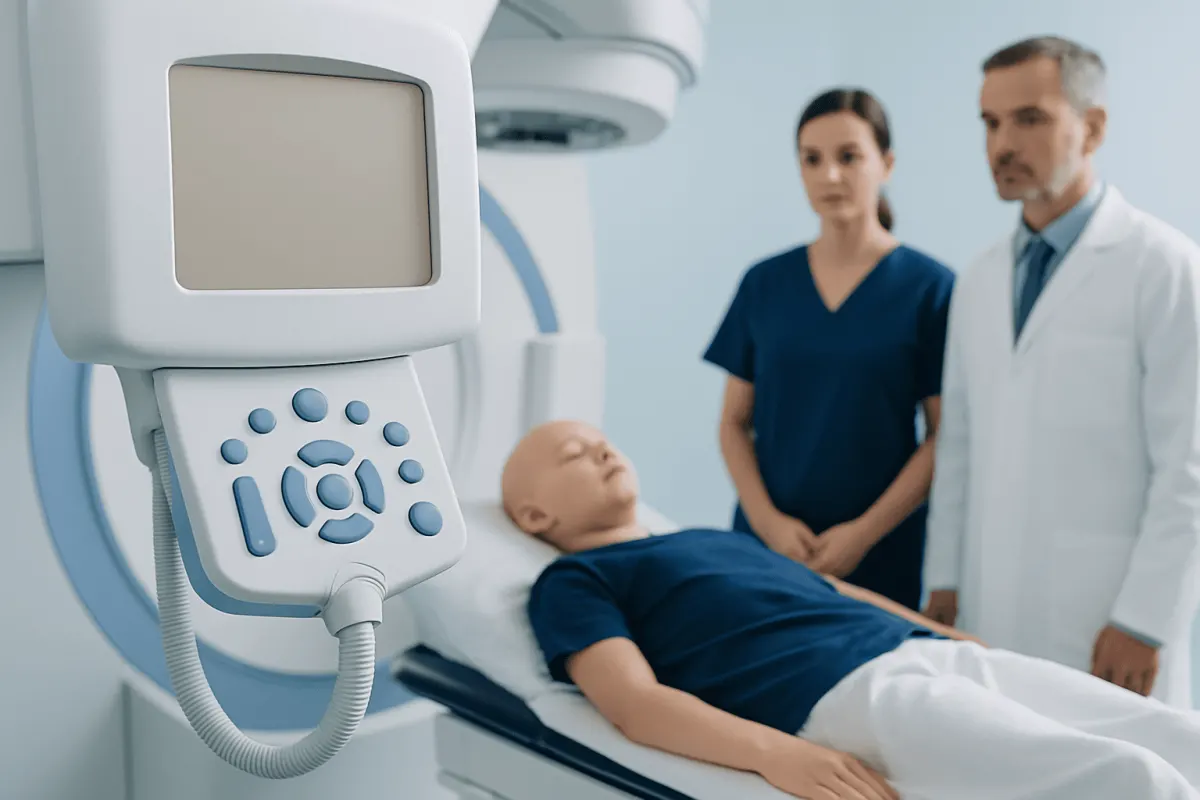
Surgery aims to remove the tumor completely where this can be done safely while preserving function and appearance as much as possible. In some locations, surgery before chemotherapy may not be appropriate or may cause unnecessary loss of function. Radiotherapy can control tumor cells remaining after surgery, treat sites that cannot be fully removed, or address involved lymph nodes. Radiotherapy techniques are carefully planned to limit exposure to nearby healthy tissue, especially in growing children.
For cancer that has returned or spread, treatment may involve different chemotherapy combinations, surgery or radiotherapy for selected sites, clinical trials and supportive care. Chemotherapy decisions should be made with a sarcoma oncology team, which can explain the goals, expected benefits and possible effects of each option.
What is the recurrence rate of rhabdomyosarcoma?
There is no single recurrence rate for rhabdomyosarcoma because the likelihood of relapse varies considerably between individuals. It depends on whether the cancer was localized or metastatic at diagnosis, the tumor subtype and molecular features, its location and size, lymph-node status, completeness of local control, and response to initial treatment.
Recurrence is generally more likely in higher-risk disease and when the cancer had spread at diagnosis. Many relapses occur within the first few years after treatment, but follow-up remains important over the longer term. Recurrence may occur near the original tumor site, in regional lymph nodes, or at distant locations such as the lungs or bones.
Follow-up appointments often include physical examinations and imaging tailored to the original cancer site and risk profile. Families and patients should report a new lump, persistent pain, unexplained symptoms or changes in the area previously treated. A symptom does not necessarily mean the cancer has returned, but timely assessment is appropriate.
What is the average life expectancy for someone diagnosed with rhabdomyosarcoma?
Average life expectancy cannot be reliably predicted from the diagnosis alone. Rhabdomyosarcoma has a wide range of outcomes, and clinicians usually discuss prognosis using survival estimates for groups of people rather than a precise forecast for one individual. Some people with localized, lower-risk disease are cured, while disease that has spread or returns after treatment is more challenging to treat.
Important prognostic factors include the patient’s age, tumor subtype, location, size, spread to lymph nodes or distant organs, surgical findings and response to chemotherapy. Molecular testing may also provide useful information. The treating team is best placed to interpret these factors in the context of the individual’s treatment plan.
Survival is only one part of outlook. Children, adolescents and adults who complete treatment may need ongoing care for possible late effects involving growth, fertility, heart health, kidney function, hormone health, learning, mobility or emotional wellbeing. Survivorship plans help coordinate screening, rehabilitation and support over time.
When to seek medical care
Medical advice should be sought for a new lump that is enlarging, firm, deep, painful, or still present after a few weeks. Prompt assessment is also sensible for unexplained swelling around the eye, persistent nasal bleeding or blockage, blood in the urine, unusual vaginal bleeding, ongoing urinary or bowel changes, or persistent limb pain and swelling.
Urgent medical evaluation is appropriate if symptoms are severe, rapidly worsening, or interfere with breathing, vision, swallowing, urination or bowel function. Most of these symptoms have non-cancerous explanations, but an examination can identify whether tests are needed.
People already diagnosed with rhabdomyosarcoma should contact their oncology team about fever during chemotherapy, signs of infection, uncontrolled vomiting or pain, significant bleeding, sudden shortness of breath, or concerning treatment side effects. Acıbadem Health Point’s multidisciplinary specialists and JCI-accredited hospitals provide diagnostic assessment and treatment planning for international patients with complex cancers, including sarcomas.
Living with treatment and follow-up care
Rhabdomyosarcoma treatment can affect school, work, family routines and emotional health. Supportive care may include nutrition guidance, physiotherapy, pain management, psychosocial support, fertility counseling when relevant, and help managing treatment-related symptoms. Asking the care team about practical support early can make treatment more manageable.
After active treatment, scheduled follow-up visits help monitor recovery, detect recurrence and identify late effects. The schedule varies by risk group, treatment received and time since therapy. Keeping a written treatment summary can be helpful when moving between healthcare providers or transitioning from pediatric to adult care.
There is no proven diet, supplement or lifestyle measure that can prevent recurrence. However, balanced nutrition, appropriate physical activity after medical clearance, routine vaccinations as advised, avoiding tobacco, and attending follow-up appointments support general health. Patients should check with their oncology team before starting supplements or complementary therapies because some may interact with cancer treatment.
Frequently asked questions
01Is rhabdomyosarcoma cancer curable?
Many cases of rhabdomyosarcoma, particularly localized lower-risk tumors, can be treated with curative intent. The chance of cure depends on factors such as tumor site, subtype, spread, molecular findings and response to therapy. The oncology team can explain the outlook for the individual situation.
02Who gets rhabdomyosarcoma?
Rhabdomyosarcoma occurs most often in children and adolescents, but it can also affect adults. It is rare at any age. Most people diagnosed with it do not have a known inherited risk factor.
03Does rhabdomyosarcoma spread quickly?
Some forms of rhabdomyosarcoma can spread to lymph nodes or distant organs, which is why thorough staging and prompt specialist treatment are important. The growth pattern varies by subtype and individual tumor features. Imaging and pathology results help doctors assess the level of risk.
04How long does rhabdomyosarcoma treatment take?
Treatment often lasts many months and may include several phases of chemotherapy, along with surgery and/or radiotherapy at planned points. The exact timetable depends on the risk group, tumor location and response to treatment. Follow-up continues after active therapy has finished.
05Can rhabdomyosarcoma come back after treatment?
Yes, rhabdomyosarcoma can recur, although the risk varies widely. Regular follow-up is designed to monitor for recurrence and manage possible late effects. New or persistent symptoms should be discussed with the treating team rather than assumed to be recurrence.
06Is rhabdomyosarcoma hereditary?
Most rhabdomyosarcoma cases are not inherited. A small number may be linked with genetic conditions that increase cancer risk. Genetic counseling may be considered if there is a strong family history of cancer, multiple cancers in one person, or features suggesting an inherited syndrome.
This article is for general information only and is not a substitute for professional medical advice. Please consult a qualified doctor about your individual situation.
Oncology care in Turkey — second opinion and treatment plan
JCI-accredited · board-certified surgeons · reply within 24h
Add us as a Preferred Source to see more of our trusted health content across Google Search, AI Overviews and Discover.