Stage IV Brain Tumor: Diagnosis, Outlook, and Treatment
A stage IV brain tumor is not one single diagnosis. The term may describe a grade 4 primary brain tumor, such as glioblastoma, or advanced cancer that has spread to the brain; treatment and outlook depend on the exact diagnosis and the person’s overall health.
What Does Stage IV Brain Tumor Mean?
A stage IV brain tumor is a term people may hear in different clinical situations, and its meaning should always be clarified with the treating team. For tumors that begin in the brain, doctors usually use a grading system rather than the stage I to IV system used for many other cancers. A grade 4 tumor is considered high grade, meaning its cells tend to grow and spread within brain tissue more quickly. Glioblastoma is the most common grade 4 primary brain tumor in adults.
In other situations, “stage 4 brain cancer” refers to cancer that started elsewhere in the body and has spread to the brain. These are called brain metastases. The original cancer, such as lung cancer, breast cancer, melanoma, kidney cancer, or colorectal cancer, remains the primary diagnosis and is staged according to its site of origin.
This distinction matters because the tests, treatments, and expected course can differ substantially. A precise pathology report, imaging findings, molecular testing, and the person’s general health provide much more useful information than the phrase “stage IV” alone.
Symptoms and How a Diagnosis Is Confirmed
Symptoms of a high-grade brain tumor or brain metastases depend largely on where the lesion is located, how quickly it is changing, and whether it causes swelling or increased pressure inside the skull. Possible symptoms include persistent or changing headaches, nausea or vomiting, seizures, weakness or numbness on one side of the body, difficulty with balance, speech or vision changes, confusion, memory problems, or personality changes.
These symptoms can also occur for reasons other than a brain tumor. However, new, persistent, or worsening neurological symptoms should be assessed promptly. A sudden severe headache, first seizure, fainting, new weakness, facial drooping, trouble speaking, or major confusion needs urgent medical evaluation.
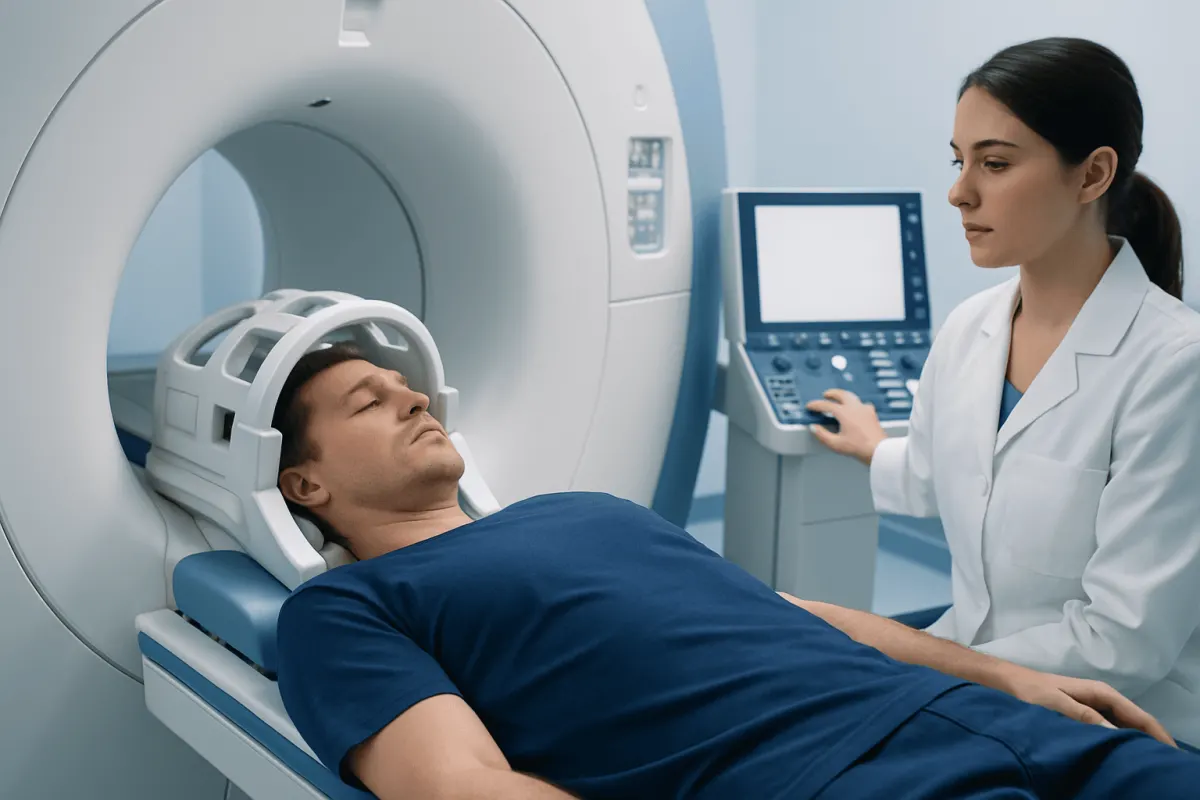
Diagnosis commonly begins with a neurological examination and brain imaging, usually magnetic resonance imaging (MRI) with contrast. If a tumor appears to have started in the brain, surgery or a biopsy may be needed to examine tissue under a microscope. Laboratory testing of tumor tissue can identify molecular features that help classify the tumor and inform treatment decisions. When metastases are suspected, scans may also be used to identify or reassess the primary cancer elsewhere in the body.
What Is the Life Expectancy for Someone With Stage 4 Brain Metastases?

Life expectancy for someone with stage 4 brain metastases varies widely. It depends on the type and extent of the original cancer, the number and location of brain metastases, whether disease is present elsewhere in the body, available targeted or immune-based treatments, age, functional ability, and response to treatment.
Some people have a single or limited number of brain metastases that can be treated with surgery or focused radiation and may live for years, especially when the primary cancer is controlled. Others have widespread cancer, multiple brain lesions, or medical factors that limit treatment options, and their prognosis may be shorter. For this reason, a single survival number is rarely meaningful for an individual.
Doctors often use prognosis tools alongside imaging and cancer-specific information, but these tools provide estimates rather than certainty. Honest discussions about goals of care can help patients and families understand likely benefits and burdens of each option, while preserving focus on comfort, independence, and quality of life.
What Is the Life Expectancy for Someone With Stage 4 Brain Cancer Without Treatment?
Without treatment, an aggressive primary brain tumor such as glioblastoma or untreated brain metastases may progress over weeks to months, although the pace differs from person to person. Tumor growth, swelling, seizures, and neurological changes can increasingly affect daily function. It is not possible to give a reliable time estimate without knowing the exact tumor type, imaging findings, symptoms, and overall medical condition.
Choosing not to have tumor-directed treatment does not mean a person should go without care. Supportive and palliative care can address headaches, seizures, nausea, anxiety, fatigue, mobility issues, and other symptoms. This care may be provided alongside active treatment or as the main focus when cancer treatment is not wanted or is unlikely to help.
Patients and families can ask the care team what changes to expect, which symptoms need urgent attention, and how to arrange practical and emotional support. Early palliative care is designed to support quality of life and informed decision-making; it is not limited to the final stage of illness.
Has Anyone Survived Stage 4 Glioblastoma?
Yes. Some people with glioblastoma live longer than initially expected, including a small number of long-term survivors. However, glioblastoma is an aggressive grade 4 tumor, and long-term survival remains uncommon. Individual outcomes may be influenced by age, ability to undergo surgery and other treatments, tumor location, the amount of tumor that can safely be removed, and molecular characteristics of the tumor.
Markers such as IDH mutation status and MGMT promoter methylation can provide important prognostic and treatment-related information in appropriate cases. They do not determine an outcome on their own, and they should be interpreted by specialists alongside the complete clinical picture.
Follow-up MRI scans and regular symptom review are important because glioblastoma can change over time. If a tumor recurs, further surgery, radiation in selected cases, medicine-based treatment, clinical trials, and supportive interventions may be considered according to the person’s circumstances and goals.
Can You Cure Stage 4 Brain Cancer?
Whether a stage 4 brain cancer can be cured depends on what the term describes. Glioblastoma is generally not considered curable with currently available standard treatments, although treatment can slow progression, relieve symptoms, and sometimes extend life. Research continues into new combinations of surgery, radiation, medicines, vaccines, and other approaches.
For brain metastases, a cure is less likely when cancer has spread widely, but some people with a small number of brain metastases and well-controlled primary cancer can achieve prolonged disease control after focused treatment. The treating team can explain whether the goal is cure, long-term control, slowing progression, symptom relief, or a combination of these goals.
It can be helpful to ask direct questions: What is the exact diagnosis? What is the aim of each treatment? What are the likely benefits and possible side effects? What alternatives are available? A second opinion from a neuro-oncology and neurosurgery team may also help patients feel confident about a complex treatment plan.
Modern Treatment Approaches and Supportive Care
Treatment is tailored to the diagnosis. For a grade 4 primary brain tumor, care may include surgery to remove as much tumor as is safely possible, followed by radiation therapy and medicine-based treatment. Tissue obtained during surgery or biopsy also helps establish the diagnosis and identify molecular features. In selected situations, patients may be assessed for clinical trials.
For brain metastases, options may include surgery, focused stereotactic radiosurgery, whole-brain radiation in selected circumstances, and systemic treatment for the original cancer. Systemic treatments may include chemotherapy, targeted therapy, immunotherapy, or hormone therapy, depending on the primary cancer and its molecular profile. Steroid medicines may sometimes reduce swelling, while anti-seizure medicines can be used when seizures occur or are likely.
Rehabilitation, physiotherapy, occupational therapy, speech and language therapy, nutritional support, psychological care, and palliative care can be important parts of treatment. They aim to preserve function, reduce symptoms, and support both the patient and caregivers. Acıbadem Health Point’s multidisciplinary specialists and JCI-accredited hospitals evaluate and treat complex brain tumor conditions for international patients.
When to Seek Medical Care
Medical care should be sought promptly for new neurological symptoms, especially if they persist, worsen, or interfere with normal activities. A clinician can determine whether imaging or specialist referral is needed. People with a known brain tumor should contact their care team about new headaches, seizures, increasing weakness, new confusion, changes in speech or vision, or side effects from treatment.
Emergency assessment is appropriate for a first seizure, sudden severe headache, loss of consciousness, severe vomiting with headache, sudden weakness or numbness, facial drooping, inability to speak clearly, marked confusion, or major changes in alertness. These symptoms may have several causes, but prompt evaluation is important.
Family members and caregivers can help by noting when symptoms started, how they have changed, current medications, and any recent imaging or treatment. Bringing this information to appointments can support faster, safer clinical decisions.
Frequently asked questions
01Is stage IV brain tumor the same as glioblastoma?
Not always. Glioblastoma is a grade 4 tumor that begins in the brain, whereas stage IV may also refer to cancer from another organ that has spread to the brain. The pathology report and the location where cancer started clarify the diagnosis.
02Can an MRI tell whether a brain tumor is stage 4?
MRI provides detailed information about the size, location, number, and appearance of brain lesions, but it usually cannot confirm tumor grade by itself. For many primary brain tumors, a biopsy or surgical specimen is needed for a definite diagnosis and molecular testing.
03How are brain metastases treated?
Treatment may include surgery, focused radiation, whole-brain radiation in selected cases, and medicines that treat the original cancer. The best plan depends on the primary cancer, number and location of lesions, symptoms, and the person’s general health.
04Does every person with glioblastoma need surgery?
Surgery is often considered when it can be performed safely and may reduce tumor burden or provide tissue for diagnosis. However, tumor location, health status, and individual treatment goals may make biopsy, radiation, medicine-based treatment, or supportive care more appropriate.
05What questions should patients ask after a stage 4 brain tumor diagnosis?
Helpful questions include the exact tumor diagnosis, whether it is primary or metastatic, what molecular tests show, and the goal of treatment. Patients can also ask about expected benefits, side effects, rehabilitation, symptom control, clinical trials, and palliative care support.
06Can palliative care be used while receiving brain tumor treatment?
Yes. Palliative care can be provided at any stage and alongside surgery, radiation, or systemic treatment. It focuses on symptom relief, emotional support, communication about goals, and practical help for patients and families.
This article is for general information only and is not a substitute for professional medical advice. Please consult a qualified doctor about your individual situation.
Persistent digestive symptoms? Get evaluated in Turkey
JCI-accredited · board-certified surgeons · reply within 24h
Add us as a Preferred Source to see more of our trusted health content across Google Search, AI Overviews and Discover.