Neck Stiffness and Pain with Headache: Causes, Relief and When to Worry

Key Takeaways
- Most cases are related to muscle tension, posture, sleep position, or a headache type such as tension or cervicogenic headache.
- Sudden severe headache, fever, rash, confusion, weakness, or trouble speaking need urgent medical assessment.
- Diagnosis is based on symptom history, physical examination, and sometimes imaging or blood tests.
- Gentle movement, hydration, rest, and targeted pain relief may help when symptoms are mild.
- Repeated episodes or persistent neck stiffness with headache deserve evaluation, especially after injury or infection.
Neck stiffness and pain with headache is often linked to muscle tension, posture strain, or a headache disorder, but it can also signal an illness that needs prompt medical attention. Understanding the pattern of symptoms, possible triggers, and warning signs helps people choose the right next step with confidence.
Overview
Neck stiffness and pain with headache is a common combination, and it does not always mean something serious is happening. In many people, it develops after long hours at a screen, sleeping in an awkward position, stress-related muscle tightening, or an ordinary headache that also makes the neck feel sore.
That said, the neck and head share nerves, muscles, and pain pathways, so the same symptoms can also appear in conditions that deserve medical review. The key is to look at the full pattern: how quickly the pain started, whether the person has fever or other symptoms, and whether the headache feels different from usual.
For international patients deciding whether to travel for care or wait and monitor symptoms, the first step is not to guess the diagnosis from the discomfort alone. A careful clinical assessment can separate a likely muscle-related problem from conditions that need faster treatment.
Symptoms
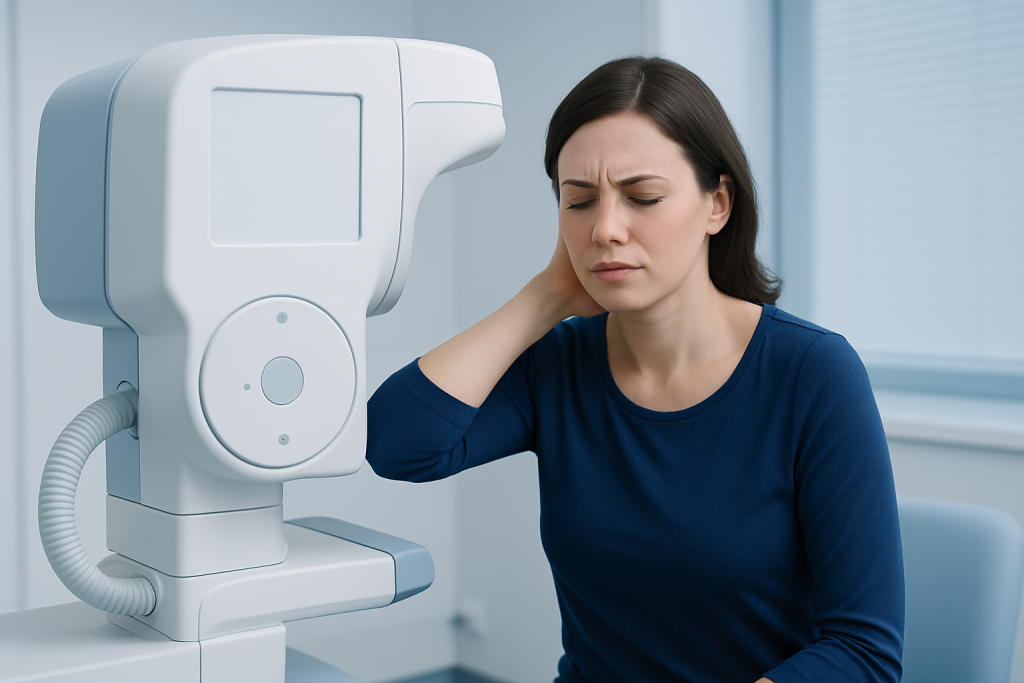
The combination may feel like a tight band around the head, a pulling sensation in the back of the neck, or soreness that worsens when turning the head. Some people notice reduced range of motion, tenderness in the shoulder and upper back, or pain that starts in the neck and seems to travel upward toward the skull.
Associated symptoms depend on the cause. With tension-type headaches, the pain is often mild to moderate and steady rather than throbbing. With cervicogenic headaches, the pain often begins in the neck and may be triggered by certain movements, posture, or pressure on the neck muscles and joints.
Warning signs can include fever, a very sudden severe headache, sensitivity to light, rash, confusion, fainting, vomiting, weakness, numbness, trouble speaking, or neck stiffness that feels extreme and unusual. Those symptoms call for prompt medical evaluation rather than home care alone.
- Neck tightness or reduced movement
- Headache that starts after prolonged posture strain
- Pain behind the head or into the shoulders
- Nausea, light sensitivity, or fatigue in some headache types
- Fever or neurological symptoms in more concerning causes
Causes & Risk Factors

Muscle strain is one of the most common explanations. Long computer use, smartphone use, driving for extended periods, stress, poor pillow support, and clenching the jaw can all increase tension in the muscles that support the neck and head.
Headache disorders can also present this way. Tension-type headache often creates a pressing, tight feeling with neck discomfort, while migraine may include neck pain before or during the headache. Cervicogenic headache comes from structures in the neck, such as joints, discs, or surrounding soft tissues, and often worsens with neck movement.
Less common but more serious causes include meningitis, certain viral infections, bleeding around the brain, cervical spine injury, inflammatory conditions, and, in rare cases, problems with blood vessels in the neck. Risk is higher after trauma, with fever or immune suppression, or when the headache is new and unusually intense.
Common contributing factors include:
- Stress and anxiety
- Poor posture or workstation setup
- Recent injury, fall, or whiplash
- Sleep disturbance or awkward sleeping position
- Dehydration and skipped meals
- History of migraine or recurrent headaches
Diagnosis
Diagnosis begins with a detailed conversation about the pain. A doctor will usually ask when the symptoms started, where the pain is located, whether the neck is truly stiff or simply sore, and whether anything makes the headache better or worse. The pattern often provides the most useful clues.
A physical examination typically checks neck movement, muscle tenderness, posture, reflexes, strength, sensation, and balance. If the headache seems to come from the neck, movement tests and pressure over certain areas may help identify the source.
Additional tests are not always needed, but they may be appropriate when there are red flags, an injury, or unclear findings. Imaging such as CT or MRI, blood tests, or other studies can help rule out infection, bleeding, inflammation, or structural problems in the neck or brain. For international patients, a well-organized neurology or spine evaluation can often combine these steps efficiently so that care decisions are clearer before returning home.
Treatment Options
Treatment depends on the cause. When the symptoms are related to muscle tension or a common headache pattern, rest, gentle movement, improved posture, hydration, and simple pain relief measures may be recommended. Heat packs can help tight muscles, while some people feel better with short periods of cold or heat depending on what the neck responds to best.
If the headache is tension-related or cervicogenic, a clinician may suggest physical therapy, stretching, ergonomic changes, and exercises that improve neck strength and movement. For migraine or other primary headache disorders, treatment may focus on headache-specific medicines and trigger management rather than the neck alone.
When infection, inflammation, or another serious cause is found, treatment addresses that underlying condition. The right plan may include medications, monitoring, or urgent intervention. Because the symptom pair can come from very different causes, self-diagnosis is not a good substitute for assessment when symptoms are severe, recurrent, or unusual.
Practical treatment approaches often include:
- Short-term rest without complete inactivity
- Heat, cold, or both depending on comfort
- Posture correction and ergonomic changes
- Targeted physiotherapy or mobility work
- Headache-specific treatment when appropriate
Prevention & Self-care
Prevention usually starts with the neck’s daily workload. Regular breaks from screens, keeping the monitor at eye level, supporting the lower back, and avoiding a forward-head posture can ease strain on the muscles that connect the neck and skull.
Sleep habits also matter. A pillow that keeps the head aligned rather than bent too high or too low may reduce morning stiffness. Staying hydrated, eating regular meals, and managing stress can help people who notice headaches more often during busy or exhausting periods.
Self-care should stay gentle. Slow neck stretches, light activity, breathing exercises, and relaxation strategies can be useful when symptoms are mild. It is better to avoid forceful neck manipulation or aggressive stretching, especially when the cause is not clear.
People who travel frequently for work or medical care may benefit from simple routines during flights or long transfers, such as brief movement breaks, hydration, and shoulder relaxation. These small measures can make a meaningful difference for recurrent stiffness linked to posture and fatigue.
When to See a Doctor
Medical review is important when the neck stiffness and headache are new, persistent, getting worse, or disrupting daily life. It is also wise to seek care if the pain follows an injury, appears after a fever or infection, or keeps coming back without a clear explanation.
Urgent assessment is appropriate if there is sudden severe headache, confusion, drowsiness, rash, seizure, weakness, numbness, difficulty walking, trouble speaking, vision changes, or a high fever with marked neck stiffness. These symptoms can point to conditions that should not be watched at home.
For people traveling from abroad, this symptom pair can be a good reason to arrange evaluation before symptoms become harder to manage. Acibadem Health Point’s multidisciplinary specialists and JCI-accredited hospitals diagnose and treat conditions like these for international patients with coordinated, patient-focused care.
Even when the cause turns out to be benign, a clear diagnosis helps reduce uncertainty and guides safer self-care for the future.
Living With Recurrent Episodes
Some people experience repeated episodes of neck stiffness and headache because of work habits, sleep issues, migraine, or long-standing muscle tension. In those cases, the goal is not only symptom relief but also identifying patterns that can be changed over time.
Keeping a simple symptom record can be useful. Note the time of day, posture, stress level, sleep quality, hydration, and whether the pain begins in the neck or the head. This information often helps doctors distinguish between tension-type headache, migraine, and cervicogenic headache.
When recurrent symptoms affect travel, work, or family life, a structured care plan can be especially helpful. That may include follow-up visits, physiotherapy, ergonomic advice, and a plan for what to do if symptoms suddenly change.
Outlook
The outlook is often good when neck stiffness and headache are caused by posture strain, muscle tension, or a common headache disorder. Many people improve with conservative care and a better understanding of what triggers their symptoms.
The main reason to stay attentive is that similar symptoms can occasionally reflect something more serious. Paying attention to the pattern, rather than the discomfort alone, helps people get the right level of care at the right time.
With timely evaluation, most causes can be identified and managed in a way that supports comfort, safety, and a quicker return to normal routines.
Frequently asked questions
01Is neck stiffness and pain with headache usually serious?
Often it is linked to muscle tension, posture strain, or a common headache disorder. Still, it should not be ignored if the symptoms are sudden, severe, persistent, or paired with fever or neurological changes.
02How can someone tell if the headache is coming from the neck?
A neck-related headache often starts in the neck or back of the head and may worsen when the neck is moved or pressed. A doctor can help distinguish this from migraine or tension-type headache by examining movement, tenderness, and symptom patterns.
03What helps at home when symptoms are mild?
Gentle movement, rest, hydration, heat or cold, and posture changes may help. It is best to avoid forceful stretching or neck manipulation when the cause is not clear.
04When should urgent care be sought?
Urgent care is important if there is fever, sudden severe headache, confusion, weakness, numbness, speech problems, rash, seizure, or neck stiffness after an injury. These symptoms need prompt assessment.
05Can stress really cause neck stiffness and headache?
Yes, stress can tighten the muscles of the neck, shoulders, and jaw and make headaches more likely. Relaxation strategies, sleep support, and ergonomic changes often help reduce the cycle.
06Do people always need imaging for this symptom combination?
No, imaging is not always necessary. A doctor may order tests only when the history, examination, or warning signs suggest a structural problem, infection, bleeding, or another condition that needs closer evaluation.
This article is for general information only and is not a substitute for professional medical advice. Please consult a qualified doctor about your individual situation.
Joint and spine care in Turkey — expert assessment & treatment
JCI-accredited · board-certified surgeons · reply within 24h
Add us as a Preferred Source to see more of our trusted health content across Google Search, AI Overviews and Discover.