Eye Bags Puffy Eyes: What You Need to Know

Key Takeaways
- Eye bags and puffy eyes are usually caused by fluid retention, aging changes, allergies, or family tendency.
- Symptoms that come with pain, redness, vision changes, or one-sided swelling deserve medical evaluation.
- Simple measures such as cool compresses, allergy management, sleep support, and salt moderation may reduce puffiness.
- Long-lasting or bothersome under-eye swelling may be treated with targeted medical care or cosmetic procedures.
- A doctor can help distinguish common puffiness from thyroid, kidney, sinus, or eye conditions.
Eye bags and puffy eyes are common and are often linked to fluid retention, aging, allergies, sleep habits, or genetics. In many cases they are harmless, but persistent or sudden swelling should be assessed to rule out an underlying eye or health problem.
Overview
Eye bags and puffy eyes usually describe swelling or fullness beneath the eyes. For many people, this is a cosmetic concern that comes and goes with sleep, diet, allergies, or stress. In other cases, it reflects a medical issue that deserves attention, especially if the swelling is new, persistent, or happens on only one side.
Under the eyes, the skin is thin and the tissues are sensitive to changes in fluid balance, aging, and inflammation. Small shifts can make the area look heavier or more tired than it really is. That is why eye bags and puffy eyes can appear after a long flight, a salty meal, a poor night of sleep, or a seasonal allergy flare.
For people deciding whether to seek care, the key question is not only how the area looks, but whether it is behaving like a simple temporary change or a sign of something else. A careful eye exam can help clarify that difference and guide the right next steps.
Symptoms
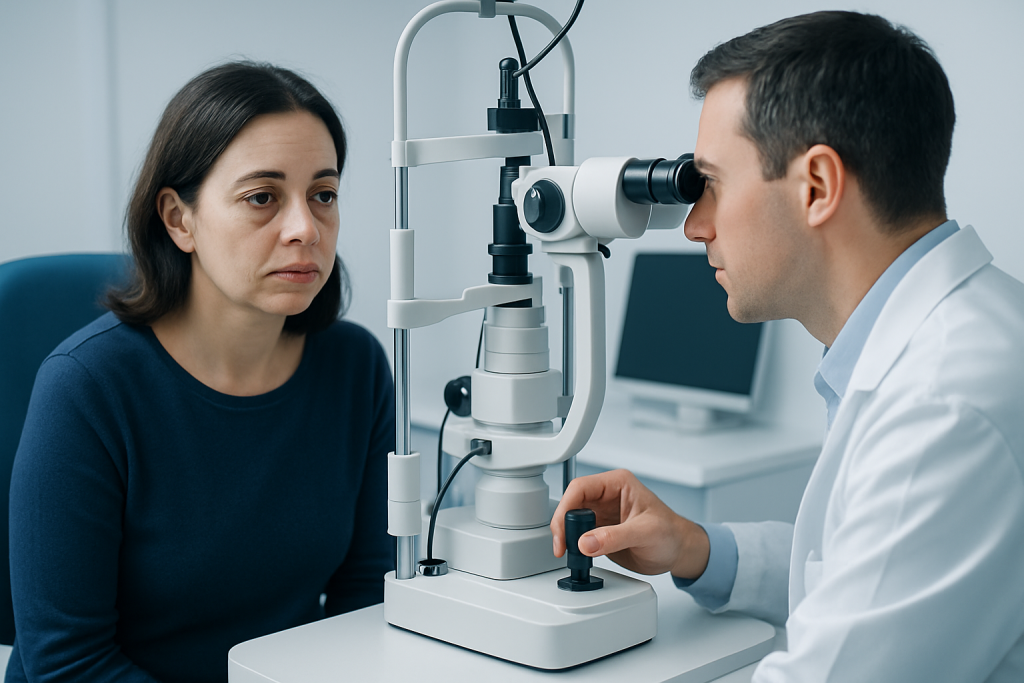
Eye bags and puffy eyes may look like soft swelling, fullness, or a slight bulge under the lower eyelids. Some people notice it most in the morning, when fluid has pooled during sleep, and then see improvement as the day goes on.
Common accompanying features include mild heaviness, a tired appearance, or dark shadows that seem more noticeable because of the swelling. If allergies are involved, there may also be itching, tearing, sneezing, or a stuffy nose.
Symptoms that need closer evaluation include:
- Swelling in only one eye or one side of the face
- Pain, warmth, or redness around the eye
- Blurred vision or double vision
- Fever, headache, or general illness
- A lump, discharge, or a history of injury
These features do not always mean something serious, but they are not typical of simple, everyday puffiness. They warrant prompt medical review.
Causes & Risk Factors

There is no single cause of eye bags and puffy eyes. In many people, the main driver is temporary fluid retention. Salt intake, alcohol, dehydration, crying, poor sleep, and sleeping flat can all make the under-eye area look swollen the next morning.
Aging also plays an important role. Over time, the tissues and muscles that support the eyelids can become weaker, and fat that normally cushions the eyes may shift forward. This can create a more permanent baggy appearance even when swelling is not present.
Other common causes and contributors include:
- Allergies and eye rubbing
- Sinus congestion or upper respiratory infections
- Genetic tendency for under-eye fullness
- Smoking and sun exposure, which can affect skin quality
- Thyroid disease, kidney problems, or other conditions that cause fluid retention
Risk is higher in people with a family history of under-eye bags, chronic allergic symptoms, and habits that disrupt sleep or hydration. International travelers may also notice temporary puffiness after long flights, jet lag, or changes in climate and diet.
Diagnosis
Diagnosis usually begins with a medical history and a careful examination of the eyes, eyelids, and surrounding skin. A clinician may ask when the swelling started, whether it is constant or occasional, whether it affects one or both eyes, and whether there are symptoms such as itching, pain, tearing, or vision changes.
In many cases, no advanced testing is needed because the cause is clear from the pattern of symptoms. If the swelling is persistent, severe, or associated with other health concerns, the doctor may look for allergy, thyroid, sinus, kidney, or inflammatory causes. Tests are selected based on the person’s overall condition rather than as a routine step for everyone.
For patients traveling from another country, it is helpful to bring a list of medications, any known allergies, and photographs showing how the swelling changes over time. This can make the evaluation more efficient and help the specialist distinguish chronic under-eye fullness from a more recent issue.
Treatment Options
Treatment depends on the cause. When eye bags and puffy eyes are caused by temporary fluid retention or irritation, simple measures may be enough. If allergies or another medical condition are involved, treatment should focus on that underlying trigger.
Helpful medical and home-based options may include:
- Cold compresses to reduce visible swelling
- Allergy management guided by a doctor
- Better sleep habits and head elevation during rest
- Reducing excess salt and alcohol intake
- Stopping eye rubbing and using gentle skincare around the eyes
When under-eye bags are more structural and do not respond to conservative steps, a specialist may discuss procedures such as lower eyelid surgery or other cosmetic approaches. These are considered only after a full evaluation, since the right treatment depends on whether the concern is skin laxity, fat displacement, or ongoing swelling from another cause.
For some patients, especially those planning treatment abroad, a coordinated plan can be useful. Acibadem Health Point’s multidisciplinary specialists and JCI-accredited hospitals diagnose and treat this condition for international patients, with care tailored to both the medical cause and the person’s travel needs.
Prevention & Self-care
Not every case of eye bags and puffy eyes can be prevented, especially when heredity or aging is involved. Even so, daily habits can make a noticeable difference in how often puffiness appears and how severe it becomes.
Practical self-care includes keeping regular sleep hours, limiting very salty meals late in the day, staying hydrated, and treating allergies early rather than waiting for symptoms to build. For people who wake up puffy, sleeping with the head slightly elevated may help reduce fluid pooling around the eyes.
Gentle skin care also matters. The under-eye area should be cleansed and moisturized without harsh rubbing, and sunscreen can help protect delicate skin from sun-related changes that may make bags more visible over time. Contact lens users should follow hygiene instructions carefully, since irritation can sometimes worsen eyelid swelling.
When to See a Doctor
A medical visit is a good idea if the puffiness is new, lasts longer than expected, or keeps returning without a clear reason. It is also wise to seek evaluation if the appearance is affecting daily confidence and home measures are not helping.
Prompt assessment is especially important if there is pain, redness, fever, one-sided swelling, a sudden change in vision, or swelling elsewhere in the body. These signs suggest that the issue may be more than a cosmetic concern and should not be ignored.
For people considering treatment while abroad, planning ahead can make the process smoother. A qualified eye specialist can explain whether the problem is simple puffiness, an allergy-related flare, or a structural eyelid issue and help decide whether treatment can wait until after travel or should be addressed sooner.
Living with Eye Bags and Puffy Eyes
Many people find that under-eye swelling fluctuates over time rather than staying the same every day. That pattern can be reassuring, because it often points to lifestyle factors, allergy activity, or sleep-related changes rather than a serious eye problem.
Still, recurring puffiness can be frustrating, especially when it changes how a person feels in photos, at work, or while traveling. A balanced approach works best: note patterns, avoid common triggers where possible, and ask a clinician when the appearance changes in a way that feels different from the usual.
When care is needed, the goal is not only to improve appearance but also to identify whether another condition is contributing. That leads to safer and more lasting results than treating the surface concern alone.
Frequently asked questions
01Are eye bags and puffy eyes the same thing?
People often use the terms interchangeably, but they are not exactly the same. Puffy eyes usually describe temporary swelling, while eye bags often refer to a more lasting bulge caused by aging or tissue changes.
02Why are my eyes puffy in the morning?
Morning puffiness often happens because fluid shifts while sleeping, especially if the person ate salty food, slept flat, or has allergies. It often improves during the day, which is a common and usually harmless pattern.
03Can allergies cause eye bags?
Yes. Allergies can cause itching, tearing, and swelling around the eyes, and rubbing the area can make puffiness worse. Managing the allergy often helps the under-eye swelling too.
04When should one worry about puffy eyes?
It is important to seek medical advice if swelling is sudden, painful, red, or associated with vision changes, fever, or one-sided facial swelling. Those features may point to an infection, injury, or another condition that needs evaluation.
05Do eye bags go away on their own?
Temporary puffiness often improves with rest, hydration, and reduced salt intake. Longer-lasting eye bags related to aging or genetics may not fully disappear without medical or procedural treatment.
06Can lifestyle changes really help under-eye swelling?
Yes, especially when the swelling is linked to sleep, diet, allergies, or irritation. The benefit is usually gradual, but consistent habits can make the eyes look less puffy and less tired.
This article is for general information only and is not a substitute for professional medical advice. Please consult a qualified doctor about your individual situation.
Explore treatments in Turkey — costs, top hospitals & a free quote
JCI-accredited · board-certified surgeons · reply within 24h
Add us as a Preferred Source to see more of our trusted health content across Google Search, AI Overviews and Discover.