What Is Teeth Graying? A Complete Medical Guide

Key Takeaways
- Teeth graying is a color change, not a diagnosis, and its cause can vary widely.
- A single gray tooth may point to trauma, nerve changes, or internal discoloration.
- Several gray teeth are more often linked to staining, aging, enamel changes, or certain habits and exposures.
- A dental exam is the safest way to tell whether the change is cosmetic or a sign of deeper tooth problems.
- Treatment may include cleaning, whitening, bonding, veneers, or restorative care depending on the cause.
Teeth graying usually refers to a gray, dull, or shadowed change in tooth color that can affect one tooth or several. It may be caused by surface staining, aging, injury, dental materials, or changes inside the tooth, and a dentist can help identify the reason.
Overview
Teeth graying means a tooth or several teeth have lost their natural brightness and now look gray, muted, or slightly bluish. It is a descriptive term rather than a diagnosis, so the real question is not only what does the color look like, but why has it changed.
In some people, the change is mild and slowly develops with age or staining. In others, especially when only one tooth turns gray, the shift may point to an internal issue inside the tooth that deserves a dental evaluation. The good news is that many causes are manageable once they are identified clearly.
For international patients planning care away from home, the first step is usually a straightforward dental assessment with photos, X-rays, and a conversation about when the color change began. That helps the dentist separate cosmetic discoloration from problems that need treatment before any whitening or aesthetic procedure is considered.
Symptoms and What Gray Teeth May Look Like
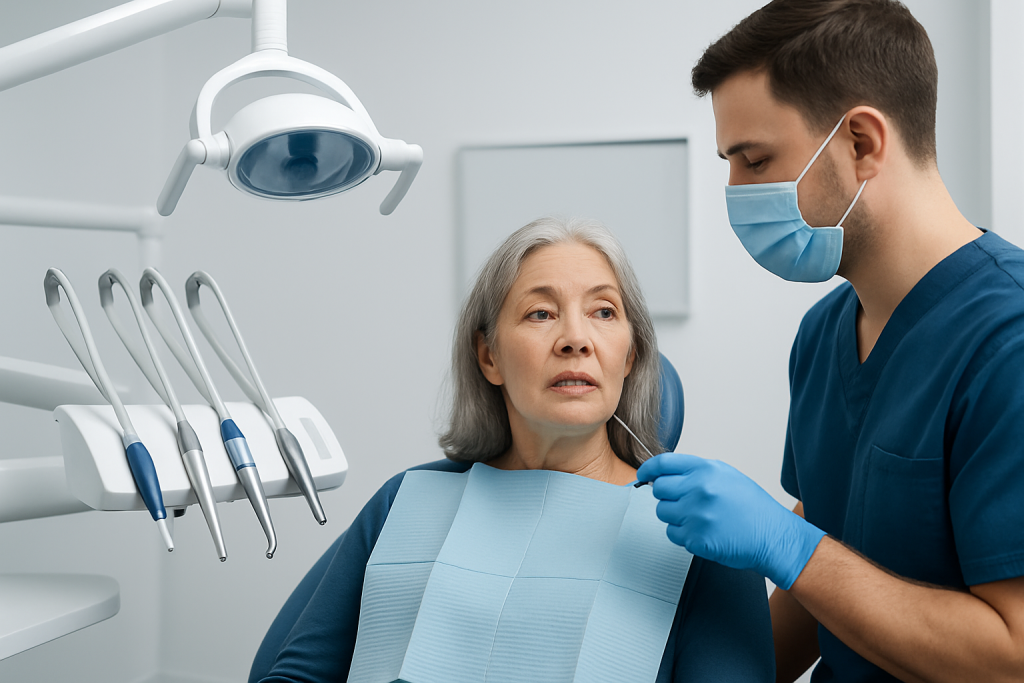
Teeth graying can appear in several ways. Some teeth look uniformly dull, while others have a patchy gray tone near the gumline or around an old filling. In a single tooth, the color may be noticeably darker than neighboring teeth, which can be especially visible in front teeth.
The color change itself may or may not come with other symptoms. If the tooth is still healthy and the issue is mainly staining, there may be no pain at all. But if graying is linked to trauma, nerve damage, infection, or internal decay, a person may also notice sensitivity, discomfort when biting, swelling, or a change in how the tooth feels.
- Gray, dull, or shadowed tooth color
- A single tooth darker than the rest
- Yellow-gray or blue-gray tint
- Darkening after injury or dental treatment
- Possible sensitivity or tenderness in some cases
Because color change can be the first visible sign of an internal problem, it should not be ignored when it appears suddenly or affects only one tooth.
Causes and Risk Factors

Teeth graying can begin on the surface or inside the tooth. Surface causes include staining from coffee, tea, red wine, tobacco, and some foods or mouthrinses. Over time, enamel can wear down and reveal the darker dentin underneath, which makes teeth look grayer or less bright.
Internal discoloration has different causes. A tooth that has been injured may lose blood supply to the pulp, and the tooth can gradually turn gray as internal tissues change. Previous root canal treatment, old restorations, certain medications used during tooth development, and developmental enamel or dentin conditions can also affect shade.
Risk is higher when a person has a history of dental trauma, enamel wear, untreated cavities, frequent acidic drinks, heavy tobacco use, or dental work that changes the tooth’s internal structure. Age also matters, because enamel naturally thins and teeth may take on a deeper color over time.
Common contributors include:
- Food, drink, and tobacco staining
- Enamel thinning or wear
- Tooth trauma or impact
- Nerve damage or pulp death
- Old fillings, crowns, or root canal changes
- Developmental conditions affecting enamel or dentin
How Dentists Diagnose the Cause
Diagnosis starts with history and examination. A dentist will ask when the color change began, whether one tooth or many are affected, whether there was an injury, and whether there is pain, sensitivity, or previous dental treatment. The pattern of discoloration often gives important clues.
The dentist may examine the tooth under strong light, compare shades, and look for cracks, decay, or changes in the gums. X-rays are often useful because they can show whether the tooth root, pulp, or supporting bone has been affected. In some cases, vitality tests help determine whether the nerve inside the tooth is alive and functioning normally.
When the shade change is mainly cosmetic, diagnosis may end with a recommendation for cleaning or whitening. When the discoloration comes from inside the tooth, the treatment plan may need to address the underlying cause first. That distinction is important, especially for patients traveling internationally, because it helps avoid cosmetic treatment that would not solve a deeper dental problem.
Treatment Options
Treatment depends on why the tooth looks gray. If the cause is external staining, professional cleaning and polishing may improve the shade. For mild or generalized discoloration, whitening may be an option when the tooth structure is healthy and the dentist confirms it is appropriate.
Internal discoloration is handled differently. If a tooth has darkened after trauma or root canal therapy, a dentist may recommend internal whitening, bonding, a veneer, or another restorative solution depending on the tooth’s condition and the patient’s goals. If there is active infection, deep decay, or nerve damage, treatment may need to focus on restoring health before appearance.
In some situations, the best choice is not whitening at all. Severely weakened teeth may need more protective restoration, such as a crown, especially if the structural integrity of the tooth is compromised. A careful plan is more important than choosing the fastest cosmetic fix.
Possible treatment paths include:
- Professional cleaning and stain removal
- External whitening for suitable cases
- Internal bleaching for certain root canal-treated teeth
- Bonding or veneers for appearance improvement
- Root canal treatment or other restorative care when needed
Prevention and Self-care
Not every case of teeth graying can be prevented, but everyday habits can reduce the risk of surface staining and enamel wear. Good oral hygiene remains the foundation: regular brushing with a fluoride toothpaste, daily flossing, and routine dental checkups help keep discoloration and decay under control.
People who want to protect tooth color may also benefit from limiting stain-producing drinks, rinsing with water after coffee or tea, and avoiding tobacco. Using a straw for acidic or pigmented beverages may help reduce contact with the front teeth, though it is not a complete solution. Gentle brushing matters as well; aggressive brushing can wear enamel and make teeth look dull over time.
For those with a history of tooth injury, follow-up after trauma is especially important. A tooth that seems fine at first may change color later, so monitoring allows the dentist to act early if internal damage develops. For patients receiving care from another country, keeping records, X-rays, and treatment notes can make future follow-up much easier.
When to See a Dentist
A dentist should evaluate any sudden gray change, especially if it affects just one tooth. A single darkening tooth can sometimes signal nerve injury, hidden decay, or a problem beneath a filling, even when pain is absent. Earlier assessment usually makes treatment simpler and preserves more options.
Professional review is also important when discoloration is accompanied by sensitivity, swelling, pain when biting, a history of trauma, or a visible crack. If the change is gradual and affects many teeth, a dentist can still help determine whether it is mainly stain, enamel wear, medication-related change, or something else entirely.
Patients traveling for treatment should seek a plan that includes clear diagnosis, written recommendations, and follow-up instructions. Acibadem Health Point’s multidisciplinary specialists and JCI-accredited hospitals can diagnose and treat teeth graying for international patients in a coordinated setting, when appropriate.
Prompt care is especially sensible if the gray color appeared after an injury or if the tooth has had previous dental work. Even when the issue turns out to be cosmetic, an evaluation provides clarity and helps the person choose the safest and most effective next step.
Living With Gray Teeth: Practical Expectations
Teeth graying can affect confidence, but the condition is often manageable once the cause is known. Some people only need cleaning or whitening, while others benefit from restorative care that also improves function and long-term tooth health.
It helps to set realistic expectations. Teeth do not all respond the same way to whitening, and a gray tooth that has changed from the inside may not brighten fully with standard bleaching. In those cases, cosmetic restoration can offer a more predictable result than repeated whitening attempts.
With a careful diagnosis, most patients can choose a treatment path that balances appearance, comfort, and preservation of tooth structure. That individualized approach is especially valuable when planning care across borders, where the goal is not just a better shade but a stable outcome that can be followed over time.
Frequently asked questions
01What is teeth graying?
Teeth graying is a visible change in tooth color that makes the teeth look gray, muted, or dull. It is a sign, not a diagnosis, and it can happen for several different reasons.
02Is a gray tooth always a sign of a problem?
Not always, but it should be checked. A gray tooth can come from staining or aging, but it can also reflect internal changes such as trauma or nerve damage.
03Can gray teeth be whitened?
Sometimes, yes, but it depends on the cause. Surface stains often respond better to cleaning or whitening, while internal discoloration may need bonding, veneers, or other dental treatment.
04Why would only one tooth turn gray?
A single gray tooth often suggests an issue inside that tooth, such as trauma, reduced blood supply, or changes after dental treatment. It is wise to have it examined even if there is no pain.
05Can poor oral hygiene cause teeth to look gray?
Poor oral hygiene can contribute to staining and plaque buildup that dulls the teeth. However, a gray shade can also come from enamel wear, internal tooth changes, or older restorations.
06When should someone see a dentist about gray teeth?
A dentist should be seen if the change is sudden, limited to one tooth, or comes with pain, sensitivity, swelling, or a history of injury. An examination can determine whether the issue is cosmetic or needs treatment.
This article is for general information only and is not a substitute for professional medical advice. Please consult a qualified doctor about your individual situation.
Explore treatments in Turkey — costs, top hospitals & a free quote
JCI-accredited · board-certified surgeons · reply within 24h
Add us as a Preferred Source to see more of our trusted health content across Google Search, AI Overviews and Discover.