Botox Frown Lines: Procedure, Benefits, Risks and Recovery

Key Takeaways
- Botox can soften frown lines by temporarily relaxing the muscles that contract between the eyebrows.
- Treatment is usually quick, with minimal downtime and results that develop gradually over several days.
- The best candidates are generally healthy adults who want a less pronounced, rested appearance and understand that results are temporary.
- Possible side effects are usually mild, but choosing an experienced medical injector is important to reduce risks.
- Aftercare is simple, but patients should follow instructions carefully and contact a doctor if they notice unusual symptoms.
Botox frown lines treatment uses small injections to relax the muscles that create vertical lines between the eyebrows. It is a commonly requested cosmetic procedure, and most people return to normal activities soon after treatment with only brief recovery needs.
Overview
Botox frown lines treatment is a non-surgical way to soften the vertical lines that can appear between the eyebrows. These lines, also called glabellar lines, often become more noticeable with repeated facial expression, such as frowning, concentrating, or squinting.
For many people, the goal is not to erase all movement. Instead, the treatment aims to make the area look less tense or tired while keeping the face natural. When performed thoughtfully, it can fit into a broader skin-care plan that may also include sun protection, hydration, and other dermatologist-recommended treatments.
For international patients, planning matters as much as the procedure itself. A consultation should clarify whether the lines are mostly caused by muscle movement, whether the skin has already developed deeper static creases, and what level of change feels appropriate before traveling for care.
What Are Frown Lines and Why Do They Form?
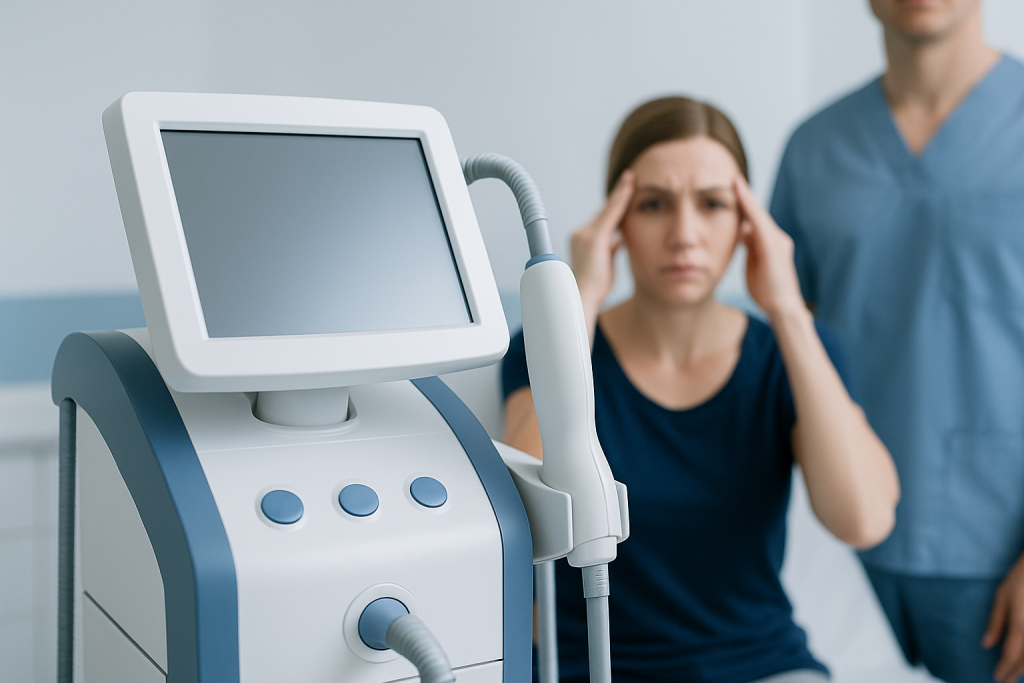
Frown lines are the vertical or near-vertical creases that form between the inner eyebrows. They are often called “11 lines” because two parallel lines may develop in that area over time. These lines can be visible when the face is active and, later, remain visible even at rest.
They form mainly because of repeated contraction of the corrugator and procerus muscles, which are used in expressions such as concern, concentration, and frustration. Over time, skin elasticity decreases and the repeated folding of the skin can leave a more permanent mark.
While age plays a role, frown lines are not only an age-related concern. Genetics, sun exposure, stress-related facial tension, and habits such as squinting can all influence how early they appear and how deep they become.
How Botox Treats Frown Lines
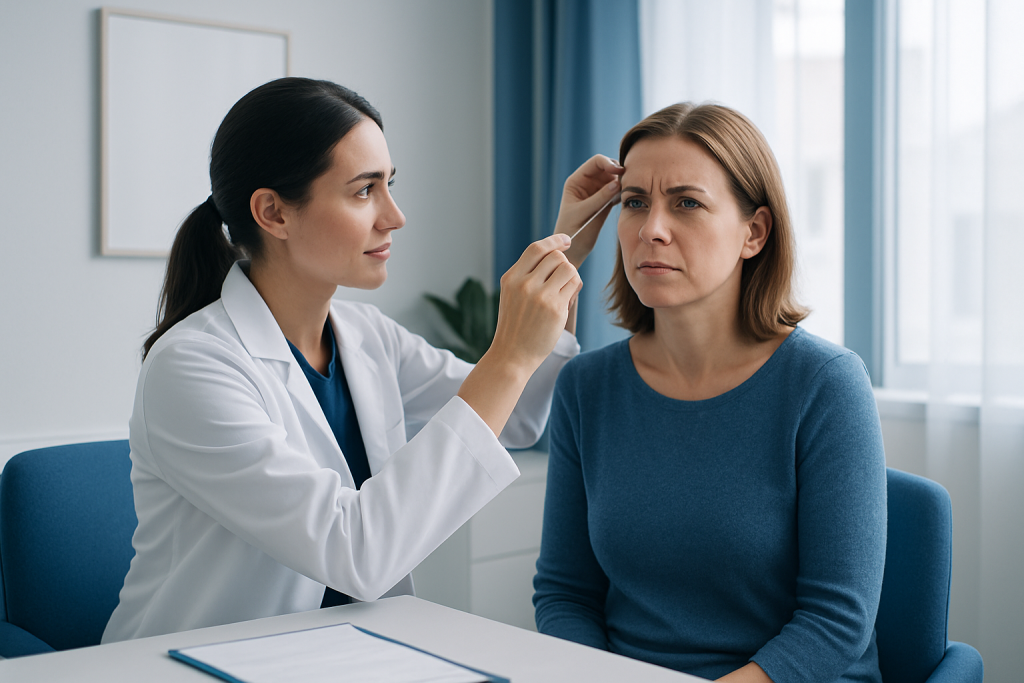
Botox is a purified form of botulinum toxin type A used in controlled medical doses. In aesthetic treatment, it works by temporarily reducing the signal from a nerve to a target muscle, which lowers the strength of that muscle’s contraction.
When the muscles between the eyebrows relax, the overlying skin tends to crease less. This can make existing lines look softer and may also help prevent them from deepening while the effect lasts.
The treatment is often chosen because it is targeted and does not require surgery. It is important, however, to understand that Botox does not “fill” lines; it reduces the muscle movement that helps create them. In some cases, deeper static lines may also need complementary approaches recommended by a qualified clinician.
Procedure: What to Expect During Treatment
A Botox frown lines appointment usually begins with a consultation. The clinician reviews medical history, current medications, allergies, prior cosmetic treatments, and the patient’s goals. Facial movement is then assessed so the injection points can be planned carefully.
The actual procedure is generally brief. After cleaning the skin, a trained medical professional places a small number of injections into the muscles responsible for the frown pattern. Most people describe the sensation as a quick pinch or pressure rather than significant pain.
Afterward, patients can usually resume ordinary daily activities. Some clinics may recommend staying upright for a short period and avoiding rubbing the area, but the exact instructions depend on the treating clinician and the patient’s individual situation.
- Before treatment: discuss expectations, medical history, and prior reactions.
- During treatment: a small series of precise injections is placed in the targeted area.
- After treatment: simple aftercare helps reduce the chance of unwanted spread or irritation.
Benefits and Realistic Results
The main benefit of Botox frown lines treatment is a softer, more relaxed appearance between the eyebrows. Some patients say they look less stern, less fatigued, or less preoccupied, even when they are fully at rest.
Another advantage is predictability when treatment is performed by an experienced injector. Because the effect is temporary, the result can be adjusted over time based on the patient’s response and preference. That flexibility is one reason the treatment is popular among people exploring cosmetic care for the first time.
Results usually appear gradually rather than immediately. The treated muscles begin to relax over several days, and the full effect is often seen after the initial settling period. Because the effect fades over time, repeat treatment is needed if the patient wants to maintain the result.
Risks, Side Effects, and Who Should Be Careful
Botox is widely used, but like any medical procedure it can have side effects. Common short-term effects may include mild redness, swelling, tenderness, or small bruises at the injection sites. These usually settle without special treatment.
Less commonly, the medicine can affect nearby muscles and create temporary asymmetry, eyebrow heaviness, or a changed expression. These effects are more likely when injections are not precisely placed or when a patient’s anatomy makes balancing movement more complex.
Some people should be assessed especially carefully before treatment, including those who are pregnant or breastfeeding, people with certain neuromuscular disorders, or anyone who has had a previous reaction to botulinum toxin products. A thorough consultation helps identify whether Botox is appropriate or whether another option would be safer.
Because cosmetic injections are still medical procedures, it is best to have them performed by a qualified clinician who understands facial anatomy and can manage both expected and unexpected responses.
Recovery and Aftercare
Recovery after Botox frown lines treatment is usually straightforward. Most patients do not need time off work, although a small amount of swelling or pinpoint bruising can occur. These minor effects tend to fade quickly.
Aftercare instructions often focus on protecting the treated area for the first day. Patients are commonly advised to avoid rubbing the forehead, massaging the injection sites, or lying face down immediately after treatment. The treating clinician may also recommend postponing intense exercise, saunas, or other heat exposure for a short period.
Patients travelling from another country should plan follow-up before leaving, when possible. A review appointment or remote check-in can be useful for assessing symmetry, discussing the result, and deciding whether any future adjustment is needed.
When to See a Doctor
Patients should contact the treating doctor if they notice unusual or persistent symptoms after injections. This includes significant pain, spreading redness, marked swelling, difficulty swallowing, trouble breathing, drooping that is more than expected, or any symptom that feels out of step with a routine recovery.
It is also sensible to ask for medical advice if the result is not matching expectations after the usual settling period. Sometimes what looks like a problem is simply part of the normal course, but an experienced clinician can explain whether reassurance, observation, or a follow-up visit is appropriate.
Anyone considering treatment for the first time should seek a full consultation rather than booking solely on the basis of price or convenience. For international patients, Acibadem Health Point can connect people with multidisciplinary specialists and JCI-accredited hospitals that diagnose and treat this condition for international patients, with care coordinated across consultation, procedure, and follow-up.
Prevention and Long-Term Skin Care
Botox can help soften existing frown lines, but long-term skin care also matters. Daily sunscreen use is one of the most practical steps, since ultraviolet exposure can accelerate visible aging and make fine lines more noticeable.
Other helpful habits include wearing sunglasses to reduce squinting, staying hydrated, and using a skin-care routine suited to the person’s skin type. If a patient tends to hold tension in the brow, awareness of facial habits may also reduce repeated creasing over time.
For people seeking a longer-term plan, a dermatologist or aesthetic doctor may discuss whether to combine Botox with other treatments such as topical skin care, resurfacing options, or injectable fillers for deeper static lines. The right approach depends on the anatomy of the face, the depth of the lines, and the person’s goals.
Frequently asked questions
01How long does Botox for frown lines take to work?
Most people begin to notice softening within a few days, with the full effect appearing after the initial settling period. The timing can vary depending on the person’s response and the muscles being treated.
02Will Botox make the face look frozen?
It should not, when it is carefully planned and conservatively placed. The aim is usually to reduce the harshness of the frown while preserving natural expression.
03How long do the results last?
Botox is temporary, so the effect gradually wears off over time. Many patients choose repeat treatment if they want to maintain the result, but the timing differs from person to person.
04Is Botox painful?
Most patients describe the procedure as only mildly uncomfortable. The injections are quick, and any discomfort usually ends soon after the appointment.
05Can Botox help deep frown lines?
It can soften lines that are caused by muscle movement, but deeper creases may not disappear completely. A clinician may suggest combining Botox with another treatment if the skin has already developed more permanent lines.
06What should someone avoid after treatment?
Patients are usually asked to avoid rubbing the area and to follow any instructions about exercise or heat exposure for a short time. The exact advice should come from the treating clinician because aftercare can vary.
This article is for general information only and is not a substitute for professional medical advice. Please consult a qualified doctor about your individual situation.
Explore treatments in Turkey — costs, top hospitals & a free quote
JCI-accredited · board-certified surgeons · reply within 24h
Add us as a Preferred Source to see more of our trusted health content across Google Search, AI Overviews and Discover.