Neck lift Risks & Side Effects Explained by Surgeons
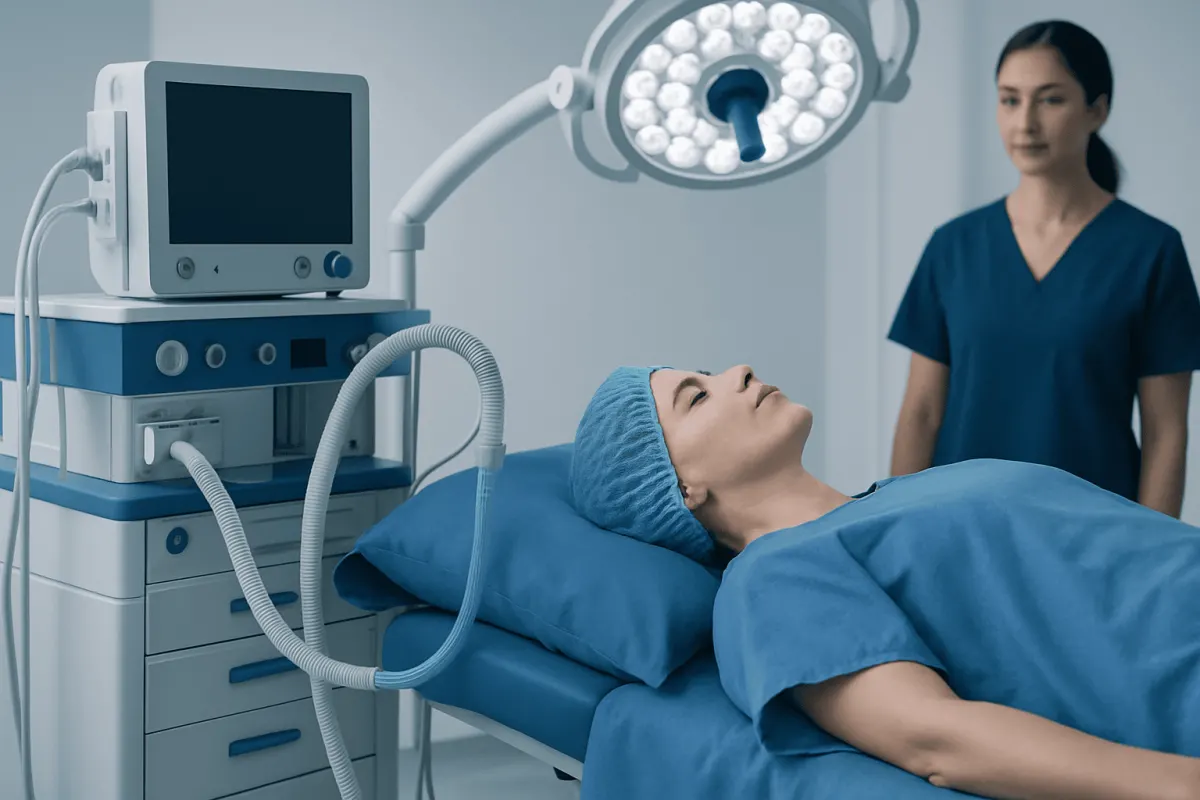
Neck lift risks are usually temporary effects such as swelling, bruising, tightness and numbness, while complications such as bleeding, infection, blood clots or nerve injury are less common but require prompt medical attention. A consultation with a qualified plastic surgeon helps a person understand whether the expected benefits and risks are appropriate for their health, anatomy and goals.
Overview: What Are Neck Lift Risks?
A neck lift is a cosmetic surgical procedure designed to improve loose skin, visible neck bands, excess fat or reduced definition beneath the chin and along the jawline. Like all surgery, it has potential risks. The most common side effects are expected parts of healing, including swelling, bruising, tightness, temporary numbness and discomfort.
Less common complications can include bleeding beneath the skin, infection, fluid buildup, delayed wound healing, unfavorable scars, skin contour irregularities or a result that does not match the person’s expectations. More serious complications, such as blood clots, anesthesia reactions or injury to nearby nerves, are uncommon but should be discussed before surgery.
Risks vary with the extent of surgery, whether other facial procedures are performed at the same time, a person’s smoking status, medications, medical history and ability to follow recovery instructions. The main information about the procedure itself is available on the neck lift treatment page.
How a Neck Lift Works and Who May Be a Candidate
A neck lift may involve tightening the platysma muscle, removing or repositioning fat, trimming excess skin and redraping skin to create a smoother neck contour. Depending on the concern, a surgeon may recommend a neck lift alone or combine it with another facial procedure. The approach is individualized because skin elasticity, fat distribution and muscle banding differ from person to person.
Potential candidates are adults who are generally in good health, have realistic expectations and are bothered by age-related changes in the neck or jawline. A person considering surgery should understand that a neck lift improves contour but does not stop natural aging or guarantee complete symmetry.
Smoking and nicotine use can significantly affect blood flow and wound healing. People who smoke, vape nicotine, use nicotine replacement products or have uncontrolled diabetes, bleeding disorders, significant heart or lung disease, or a history of poor scarring may need additional assessment or may be advised to postpone surgery.
- A consultation should review medical conditions, allergies and previous surgeries.
- The surgeon should know about prescription medicines, supplements and over-the-counter pain relievers.
- People should discuss their goals openly and ask what result is realistically achievable for their anatomy.
What Happens During the Procedure

Before surgery, the surgeon marks the planned treatment area and reviews the surgical plan. Neck lift surgery is commonly performed with anesthesia or sedation, depending on the technique and whether other procedures are being done. The anesthesia team monitors breathing, blood pressure, heart rhythm and comfort throughout the operation.
Incisions are often placed in less visible areas, such as around the ears, behind the ears or beneath the chin. Through these incisions, the surgeon may remove excess fat, tighten the platysma muscle and reposition the skin. Excess skin may then be removed before the incisions are closed.
Some people have temporary drains to remove fluid and reduce pressure under the skin. A compression dressing or garment may be used to support the tissues during early healing. Surgical details, incision placement and the need for drains should be explained clearly during preoperative planning.
Every operation carries a small risk related to anesthesia, including nausea, vomiting, allergic reactions and, rarely, more serious cardiopulmonary events. Anesthesiologists assess a person’s health before surgery to reduce avoidable risk and choose an appropriate anesthesia plan.
Expected Side Effects and Recovery Timeline
Swelling and bruising are normal after a neck lift and may extend into the lower face or upper chest. The first several days are often the most noticeable. Mild to moderate discomfort, a feeling of tightness, temporary numbness and fatigue are also common. Pain should generally improve rather than steadily worsen.
During the first week, people usually need help with daily activities and should rest with the head elevated. Dressings, drains and follow-up appointments are managed according to the surgeon’s instructions. Avoiding bending, straining, heavy lifting and vigorous exercise is important because these activities can increase swelling or bleeding risk.
Many people return to light social or desk-based activities after roughly one to two weeks, although healing is individual. Bruising may take longer to fade, and residual swelling can persist for weeks or months. The neck contour often continues to settle gradually as tissues heal.
Incisions usually mature over many months. Protecting healing scars from sun exposure and following wound-care advice can support scar quality. It is important not to judge the final cosmetic outcome too early, since swelling and tissue firmness can temporarily change the appearance of the neck.
Possible Complications and Their Warning Signs
Bleeding under the skin, sometimes called a hematoma, is one of the more important early complications after facial or neck surgery. It may cause rapidly increasing swelling, pressure, significant pain, asymmetry or a firm area beneath the skin. It needs urgent contact with the surgical team because treatment may be needed to prevent pressure on the healing tissues.
Infection is uncommon but can occur around an incision or deeper in the surgical area. Increasing redness, warmth, drainage, fever, worsening tenderness or a bad odor from a wound should be reported. Other possible complications include seroma, which is a fluid collection; delayed healing; skin loss; widened or raised scars; and persistent contour irregularity.
Temporary changes in sensation around the ears, chin or neck are common. Injury to branches of the facial nerve is rare, but it can cause weakness affecting lower facial movement. In some cases this improves over time, but the possibility of prolonged or permanent weakness should be part of informed consent.
Although uncommon, major surgery can increase the risk of blood clots in the legs or lungs. Warning signs include calf pain or swelling, sudden shortness of breath, chest pain, fainting or coughing blood. These symptoms require emergency assessment rather than waiting for a routine appointment.
- Contact the surgeon promptly for increasing swelling, bleeding, drainage or pain that is not controlled as advised.
- Seek emergency care for trouble breathing, chest pain, sudden confusion, fainting or signs of a severe allergic reaction.
- Follow all scheduled reviews, even if healing appears to be going smoothly.
Reducing Risk and Supporting a Safer Recovery
No surgical procedure is risk-free, but careful preparation can reduce certain risks. Choosing a properly qualified plastic surgeon, sharing a complete medical history and attending preoperative assessments help the team plan safely. A person should ask about the surgeon’s recommended approach, expected scars, recovery restrictions, possible revisions and how complications are handled.
Surgeons commonly advise stopping smoking and avoiding nicotine well before and after surgery because nicotine can impair circulation and healing. Alcohol, medicines and supplements that may affect bleeding should only be stopped or adjusted under advice from the surgeon and the clinician who prescribed them. People should never stop essential medicines independently.
After surgery, taking prescribed medicines as directed, caring for incisions, wearing compression garments if advised and keeping follow-up appointments are important. Adequate rest, hydration, balanced nutrition and avoiding strenuous activity support recovery. It is also helpful to arrange a responsible adult to accompany the patient home and assist during the first stage of recovery.
A neck lift can provide longer-lasting improvement in neck contour than non-surgical options, but it cannot prevent future skin laxity or changes related to weight fluctuation and aging. Maintaining a stable weight, using sun protection and avoiding tobacco may help preserve overall skin health.
When to Seek Medical Care
People should contact their surgeon or surgical team promptly if they develop rapidly increasing neck or face swelling, one-sided swelling, worsening pain, persistent bleeding, fever, pus-like drainage, spreading redness or an incision that opens. These symptoms do not always indicate a serious complication, but timely assessment is the safest approach.
Emergency care is needed for breathing difficulty, chest pain, sudden shortness of breath, fainting, a racing heartbeat, coughing blood or sudden weakness of the face or body. A person should not drive themselves if they feel unwell after surgery; they should call local emergency services or seek urgent help.
Before treatment, a qualified surgeon can explain individual risk factors and whether alternatives may be more appropriate. Acıbadem Health Point’s multidisciplinary specialists and JCI-accredited hospitals assess and treat international patients considering neck lift surgery, with care plans based on individual clinical needs.
Frequently asked questions
01What are the most common neck lift side effects?
The most common effects are swelling, bruising, temporary numbness, tightness and discomfort around the neck and ears. These usually improve gradually during the first days and weeks of recovery. Mild residual swelling may take longer to fully settle.
02How common are serious neck lift complications?
Serious complications are generally uncommon, but all surgery has risks. Possible concerns include bleeding, infection, fluid buildup, blood clots, anesthesia-related problems and nerve injury. An individual’s risk depends on health factors, the surgical plan and aftercare.
03Can a neck lift cause nerve damage?
Temporary numbness is relatively common because small sensory nerves are affected during surgery. Injury to nerves that control facial movement is rare, but it can cause weakness or asymmetry. A surgeon should explain this risk and the expected recovery process before the procedure.
04How long does neck lift recovery take?
Most people need at least one to two weeks before returning to light routine activities, depending on their work and healing progress. Bruising and obvious swelling often improve over this time, but subtle swelling and scar maturation can continue for several months. The surgeon’s guidance should determine when exercise and other activities can safely resume.
05What symptoms after a neck lift need urgent attention?
Rapidly worsening swelling, severe or increasing pain, persistent bleeding, fever, pus-like drainage or spreading redness should be reported promptly to the surgical team. Trouble breathing, chest pain, sudden shortness of breath, fainting or coughing blood require emergency medical care.
06Can smoking increase neck lift risks?
Yes. Smoking and nicotine exposure can reduce blood flow to healing tissues, increasing the risk of poor wound healing, infection, skin damage and less favorable scars. Surgeons usually require nicotine cessation before and after surgery and may use testing or specific timelines as part of safety planning.
This article is for general information only and is not a substitute for professional medical advice. Please consult a qualified doctor about your individual situation.
Explore treatments in Turkey — costs, top hospitals & a free quote
JCI-accredited · board-certified surgeons · reply within 24h
Add us as a Preferred Source to see more of our trusted health content across Google Search, AI Overviews and Discover.