Do Bananas Raise Blood Sugar? Ripeness and Portions Matter
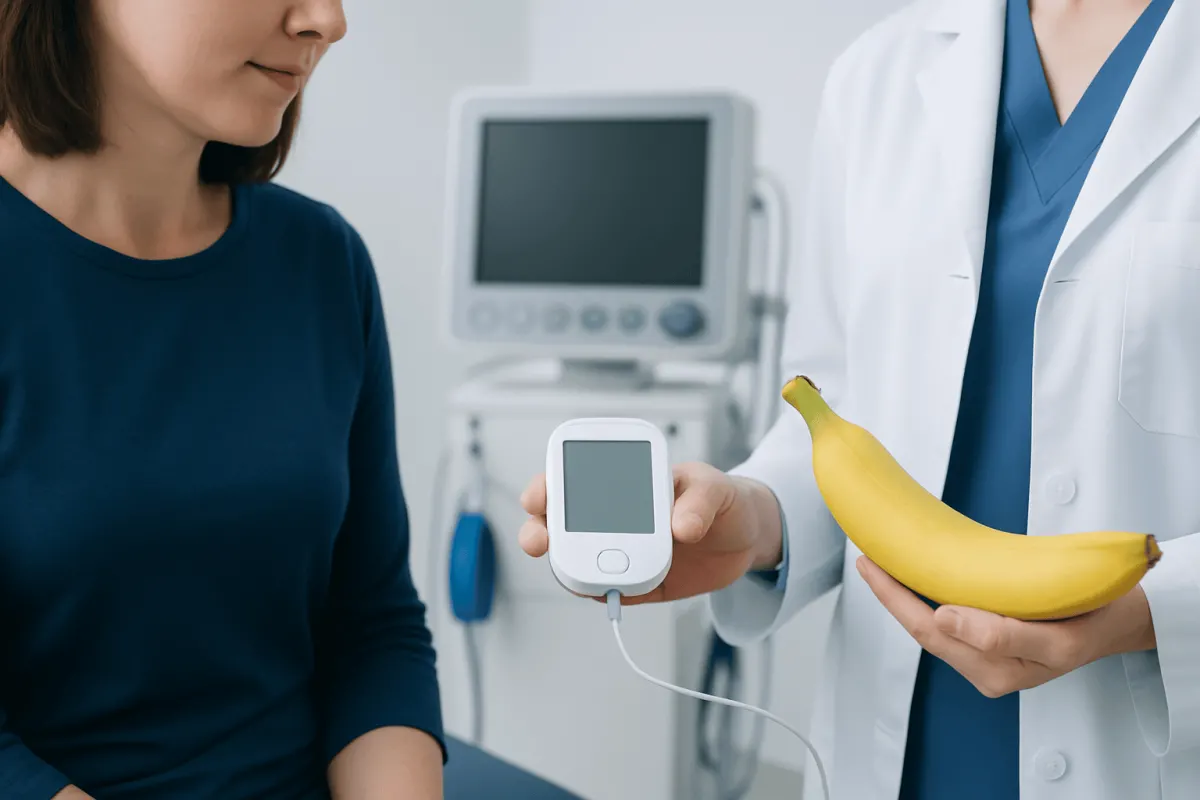
Bananas do raise blood sugar because they contain carbohydrates, but for most people this increase is expected and not harmful. The effect varies with the banana’s size and ripeness, the rest of the meal, activity level, and whether a person has diabetes or another condition affecting glucose regulation.
Do bananas raise blood sugar?
Yes. Bananas raise blood sugar to some extent because they provide carbohydrates, including naturally occurring sugars and starch. This is a normal part of digestion and is harmless for many people, especially when bananas are eaten as part of a balanced meal or snack.
The rise is not the same for everyone. It depends on the banana’s portion size and ripeness, individual metabolism, recent physical activity, medicines, and whether the person has diabetes, prediabetes, insulin resistance, or another health condition that affects blood glucose. A banana does not need to be automatically avoided, but its place within the overall diet matters.
Occasional concerns after eating fruit are rarely a sign of an emergency. However, persistent high readings, significant thirst, frequent urination, unexplained weight loss, blurred vision, or unusual fatigue deserve medical review. A clinician can assess blood glucose levels and identify whether diabetes or another cause needs attention.
Why bananas affect blood glucose
Carbohydrates are broken down during digestion and ultimately contribute glucose to the bloodstream. Glucose is an important source of energy for the brain, muscles, and other tissues. In response, the pancreas releases insulin, a hormone that helps move glucose from the blood into cells for use or storage.
Bananas provide carbohydrates along with dietary fiber, potassium, vitamin B6, and other nutrients. Fiber can slow digestion, so the blood sugar response to a whole banana is generally different from the response to a sweetened drink or fruit juice, where fiber has been reduced or removed.
The glycemic index, or GI, describes how rapidly a carbohydrate-containing food may raise blood glucose compared with a reference food. Bananas are commonly considered to have a low-to-moderate GI, but GI alone does not predict an individual response. The amount eaten, often considered through glycemic load, and the composition of the full meal are also important.
In people without diabetes, insulin usually keeps post-meal glucose within a healthy range. In diabetes or insulin resistance, the body may not make enough insulin or may not respond to it effectively. This can make blood glucose rise more after carbohydrate-containing foods, including fruit.
Ripeness, serving size, and meal context

Bananas become sweeter as they ripen. In a greener banana, more carbohydrate is present as resistant starch, which is not digested in the same way as rapidly available sugar. As the banana ripens, more of that starch changes into sugars. A very ripe banana may therefore raise blood glucose faster than a less ripe one, although the overall amount consumed remains important.
Serving size is often the practical starting point. A small banana contains less carbohydrate than a large banana. Rather than viewing fruit as “good” or “bad,” many people find it useful to consider the amount of carbohydrate in a snack or meal and how it fits their personal nutrition plan.
Eating a banana by itself may produce a different response than eating it with foods containing protein, unsaturated fat, or additional fiber. For example, a banana can be paired with plain yogurt, a small handful of nuts, or nut butter if these foods fit the person’s dietary needs and do not cause allergies. Combining foods may slow digestion and support fullness.
- Choose a smaller banana if limiting carbohydrate portions.
- Consider a firmer, less ripe banana if it is enjoyable and tolerated.
- Eat fruit as part of a meal or balanced snack rather than relying on it as the only food when possible.
- Avoid assuming that smoothies, dried banana products, or banana-flavored foods have the same effect as a whole banana; these may contain more concentrated carbohydrate or added sugars.
Bananas for people with diabetes or prediabetes
Most people with diabetes can include whole fruit, including bananas, in an individualized eating pattern. Completely avoiding fruit is usually unnecessary unless a clinician or registered dietitian has advised otherwise for a specific reason. The key is to account for the carbohydrate content and observe how the body responds.
People who use blood glucose monitoring may be advised by their healthcare team to check levels at times that show how meals affect them. Tracking meals, portion sizes, activity, and readings can reveal useful patterns. It is important not to change diabetes medication, insulin, or prescribed meal plans based only on a few readings without professional guidance.
Those with diabetes may benefit from individualized nutrition advice, particularly if glucose readings are frequently outside their target range. Targets differ by age, pregnancy status, medication use, other medical conditions, and the risk of low blood sugar, so online advice cannot replace a personal care plan.
Prediabetes is also an opportunity to focus on sustainable habits rather than restrictive rules. Regular movement, adequate sleep, balanced meals, and gradual weight management when appropriate can improve insulin sensitivity. A doctor may recommend laboratory testing, such as fasting blood glucose or hemoglobin A1C, to assess longer-term glucose patterns.
How doctors evaluate possible blood sugar problems
If someone is worried that bananas or other foods are causing unusually high blood sugar, a clinician will first ask about symptoms, family history, medications, eating habits, activity, recent illness, and any home glucose readings. They may also review whether readings were taken correctly and whether the meter or continuous glucose monitor is being used as instructed.
Testing may include fasting plasma glucose, hemoglobin A1C, or an oral glucose tolerance test. Hemoglobin A1C estimates average blood glucose over approximately the previous two to three months. These tests help determine whether blood sugar is within the expected range, in the prediabetes range, or consistent with diabetes.
Doctors may also assess conditions and medicines that can influence glucose, including steroid treatment, hormonal disorders, pregnancy, pancreatic disease, and acute infections. The goal is not simply to identify one food as the cause, but to understand the person’s overall glucose regulation and health needs.
When appropriate, care may involve primary care clinicians, endocrinologists, diabetes educators, and dietitians. Diabetes treatment can include education, nutrition planning, physical activity guidance, glucose monitoring, and medication when clinically indicated.
Practical ways to include bananas in a balanced diet
For most people, a banana is a convenient, nutrient-rich fruit that can be part of everyday eating. The best approach is usually flexibility: choose portions that suit hunger, activity, and personal health goals, and include a variety of fruits, vegetables, whole grains, protein foods, and healthy fats across the day.
A person concerned about glucose can experiment with practical changes. They may choose a smaller banana, save half for later, pair it with another food, or eat it after a meal rather than when very hungry. If they monitor glucose, they can discuss any consistent patterns with their healthcare team instead of relying on isolated readings.
General health habits influence glucose more strongly than any single food. Regular physical activity can help muscles use glucose, while adequate sleep and stress management may support metabolic health. Limiting sugary drinks and heavily processed snack foods can also make it easier to maintain balanced carbohydrate intake.
People with kidney disease, food allergies, eating disorders, or medically prescribed diets should seek tailored nutrition advice before making major changes. Potassium intake, carbohydrate needs, and food choices may need to be adjusted in some clinical situations.
When to seek medical care
Medical advice is appropriate if high glucose readings occur repeatedly, especially if they are above the range recommended by a healthcare professional. A person should also arrange an appointment if they develop increased thirst, frequent urination, persistent tiredness, recurrent infections, blurred vision, slow-healing wounds, or unexplained weight changes.
Urgent medical assessment is needed for severe symptoms such as confusion, fainting, severe weakness, vomiting, deep or rapid breathing, severe abdominal pain, or signs of dehydration. People with known diabetes should follow their established sick-day or high-glucose plan and seek urgent care when advised by their treating team.
Anyone newly concerned about diabetes should not diagnose themselves based on how they feel after eating a banana. A qualified clinician can arrange appropriate testing and provide advice that considers the person’s full medical history. Acıbadem Health Point’s multidisciplinary specialists and JCI-accredited hospitals support diagnosis and treatment planning for international patients with metabolic and diabetes-related concerns.
Frequently asked questions
01Can a person with diabetes eat bananas?
Many people with diabetes can eat bananas as part of a balanced meal plan. Portion size, ripeness, the foods eaten alongside the banana, medications, and personal glucose response all matter. A doctor or dietitian can provide individualized carbohydrate guidance.
02Are green bananas better for blood sugar?
Less ripe, greener bananas generally contain more resistant starch and less readily available sugar than very ripe bananas. They may cause a slower rise in blood glucose for some people. However, serving size and the overall meal remain important.
03Should bananas be eaten with protein for blood sugar control?
Pairing a banana with protein, healthy fat, or fiber may slow digestion and help a person feel fuller. Examples can include plain yogurt, nuts, or nut butter when appropriate. This approach can be useful, but it does not replace a personalized diabetes care plan.
04Do bananas raise blood sugar more than other fruits?
The effect of fruit on blood sugar varies by fruit type, ripeness, portion size, and individual response. Bananas are not automatically worse than other fruits, but a large or very ripe banana contains more available carbohydrate than a smaller, firmer one. Whole fruit is generally different from fruit juice because it contains fiber.
05How can someone tell whether bananas are raising their blood sugar too much?
People who have been advised to monitor glucose can record readings along with meals, portion sizes, activity, and medication use. A consistent pattern of readings outside an individual target range should be reviewed with a healthcare professional. Symptoms alone cannot reliably diagnose high blood sugar.
06Can eating a banana cause diabetes?
No single food, including bananas, causes diabetes on its own. Type 2 diabetes develops through a combination of genetic, metabolic, lifestyle, and environmental factors, while type 1 diabetes is an autoimmune condition. A balanced diet and regular healthcare screening can support overall metabolic health.
This article is for general information only and is not a substitute for professional medical advice. Please consult a qualified doctor about your individual situation.
Medical weight-loss options in Turkey — costs & eligibility
JCI-accredited · board-certified surgeons · reply within 24h
Add us as a Preferred Source to see more of our trusted health content across Google Search, AI Overviews and Discover.