Vigorous Exercise: Benefits, Safety, and Intensity
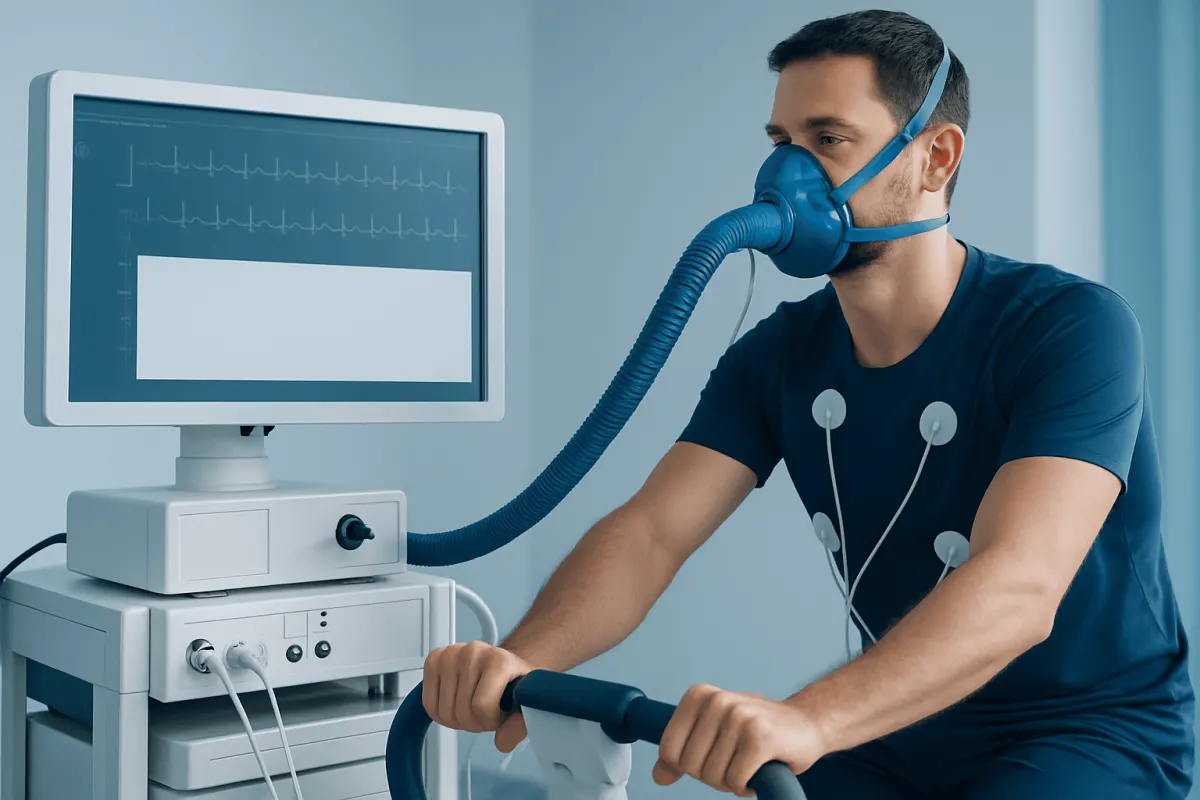
Vigorous exercise is physical activity performed at an intensity that causes a substantial rise in heart rate and breathing, making conversation difficult beyond a few words. When progressed safely and matched to a person’s health and fitness, it can support heart health, fitness, mood, sleep and long-term wellbeing.
What Is Vigorous Exercise?
Vigorous exercise is activity that makes the body work hard enough to cause a marked increase in breathing and heart rate. During it, a person can usually say only a few words at a time before needing another breath. It is not defined by a single speed, weight or workout: the same activity may be vigorous for one person and moderate for another.
Common examples include running or jogging, fast cycling, swimming laps, climbing hills or stairs quickly, singles tennis, vigorous dancing, many competitive sports, and physically demanding forms of aerobic exercise. Short bursts of very hard effort may also be part of interval training, although they need appropriate progression and recovery.
Medical evidence consistently supports regular physical activity across a range of intensities. Vigorous exercise can be a time-efficient way to meet activity goals, but it is not inherently better than moderate activity for every person. The most sustainable plan is one that is safe, enjoyable and compatible with an individual’s health, abilities and daily life.
How to Recognize the Right Intensity
The talk test is a practical way to estimate intensity without equipment. At moderate intensity, a person can talk but not sing comfortably. At vigorous intensity, speaking more than a short phrase is difficult because breathing is deeper and faster. This test is useful because it reflects personal fitness rather than relying only on a universal pace.
Perceived effort can provide another guide. On a simple 0-to-10 effort scale, vigorous activity often feels like about 7 or 8 out of 10: challenging but controllable, rather than an all-out effort. Heart-rate monitors may be helpful for some people, but readings can be affected by medications, dehydration, heat, stress and the device itself. They should complement, not replace, body awareness.
A higher effort level is not a reason to ignore warning symptoms. Pain or pressure in the chest, unusual shortness of breath, dizziness, fainting, a new irregular heartbeat sensation, or sudden severe weakness are not expected training effects. Exercise should stop and medical advice should be sought if these occur.
Health Benefits Supported by Medical Evidence

Regular vigorous exercise improves cardiorespiratory fitness, meaning the heart, lungs and muscles become more efficient at delivering and using oxygen. Better fitness is associated with improved ability to manage everyday physical tasks and a lower risk of several long-term health problems when combined with other healthy habits.
It can help support healthy blood pressure, blood sugar regulation, body composition and cholesterol levels. Regular activity also contributes to bone and muscle health, especially when aerobic exercise is combined with strength-building activities on separate days. Weight change may occur when activity is paired with an appropriate eating pattern, but fitness and health benefits can develop even without weight loss.
Movement can also support psychological wellbeing. Many people report improved mood, reduced stress, better sleep quality and greater energy after establishing a regular exercise routine. These effects vary, and exercise is not a replacement for professional assessment or treatment of depression, anxiety, sleep disorders or other health concerns.
For adults, international guidance generally recommends at least 75 minutes of vigorous aerobic activity each week, 150 minutes of moderate activity, or an equivalent combination. Muscle-strengthening activities involving major muscle groups are also recommended on two or more days weekly. Activity can be accumulated in shorter sessions, provided it is appropriate for the individual.
Who Should Take Extra Care Before Starting
Many healthy adults can begin with a gradual increase in activity without extensive testing. However, an individual assessment is sensible before starting vigorous exercise if a person has known heart or blood vessel disease, diabetes with complications, chronic lung disease, kidney disease, significant joint problems, uncontrolled high blood pressure, or a recent illness, surgery or injury.
People who have been inactive for a long time, are older, are pregnant, or take medicines that affect heart rate, blood pressure, blood sugar or fluid balance may also benefit from tailored guidance. A clinician can help select an appropriate starting point and determine whether any evaluation is needed. This is especially relevant for people with symptoms that could suggest a heart condition, such as exertional chest discomfort or unexplained breathlessness.
Joint or muscle pain does not always mean that all activity must stop, but it may mean the type, load or technique should change. Lower-impact choices such as cycling, water exercise or an elliptical trainer can be useful alternatives for some people. Assessment and physical therapy and rehabilitation may help people return to activity after injury or when pain limits movement.
How to Build a Safer Vigorous Exercise Routine
Progression matters more than intensity on day one. A person who is new to exercise can start with comfortable walking, cycling or swimming and slowly increase frequency and duration before adding faster intervals, hills, resistance or sport-specific drills. Increasing only one part of a routine at a time, such as duration or pace, makes it easier to identify what the body tolerates.
A typical session should include a gradual warm-up and a cool-down. Warming up with easier movement prepares muscles and the cardiovascular system for greater effort. Cooling down allows breathing and heart rate to return toward baseline gradually. The need for recovery is also real: intense sessions should generally be balanced with easier activity or rest days, especially after a new or demanding workout.
Supportive footwear, suitable equipment, hydration and attention to weather conditions can reduce avoidable problems. Heat and humidity increase strain on the body, while cold conditions may require more preparation. Adequate nutrition, sleep and rest support recovery, but supplements and extreme diets are not necessary for most people and should not be used as substitutes for a balanced plan.
Strength training, flexibility work and balance activities can complement vigorous aerobic exercise. A varied routine may improve overall function and reduce repetitive loading on the same muscles and joints. Technique is important, particularly with weights, sprinting, jumping and high-impact movements; qualified instruction can be helpful when learning unfamiliar exercises.
Common Myths About Vigorous Exercise
Myth: A workout only counts if it is exhausting. Health benefits come from regular activity across a range of intensities. Moderate exercise is valuable, and a person does not need to train at maximum effort to improve health. Excessive fatigue may signal inadequate recovery, illness, poor fueling or an unsuitable training load.
Myth: No pain means no gain. It is normal to notice exertion and sometimes mild muscle soreness after unfamiliar activity. Sharp pain, worsening joint pain, swelling, altered walking or running pattern, or pain that does not improve with rest should not be pushed through. Early adjustments can help prevent a minor problem from becoming more persistent.
Myth: Everyone needs the same heart-rate target. Heart rate during exercise varies widely. Fitness, age, medications and health conditions all affect the response. The talk test, perceived exertion and medical advice when needed are often more useful than copying another person’s target.
Myth: Vigorous exercise is unsafe for all older adults. Age alone does not determine exercise capacity. Some older adults can safely perform vigorous activity, while others should begin at a lower intensity. The appropriate level depends on medical history, symptoms, mobility, conditioning and personal goals.
When to Seek Medical Care
Urgent medical assessment is needed for chest pain or pressure, fainting, severe or rapidly worsening shortness of breath, sudden confusion, weakness on one side of the body, or a sustained racing or irregular heartbeat during or after exercise. These symptoms should not be attributed simply to being unfit or overexerted.
A non-urgent medical appointment is appropriate for recurrent dizziness with activity, new exercise intolerance, persistent palpitations, wheezing, pain that continues or worsens, repeated injuries, or unusual fatigue that does not improve with rest. People with known cardiovascular risk factors may wish to discuss a plan for increasing activity, including assessment for conditions such as high blood pressure when relevant.
For international patients, Acıbadem Health Point’s multidisciplinary specialists and JCI-accredited hospitals can assess exercise-related symptoms and support individualized care plans. A qualified clinician can help determine whether vigorous exercise is appropriate and how to return to activity safely after illness, injury or treatment.
Frequently asked questions
01How many minutes of vigorous exercise should adults do each week?
General adult guidelines recommend at least 75 minutes of vigorous aerobic activity weekly, or 150 minutes of moderate activity, or a combination of both. Muscle-strengthening activity on two or more days each week is also recommended. Individual needs may differ based on health, mobility and current fitness.
02Is walking considered vigorous exercise?
For many people, usual-paced walking is moderate rather than vigorous activity. Brisk uphill walking, very fast walking or walking while carrying a load may become vigorous depending on the person’s fitness and health. The talk test can help: if only a few words can be spoken comfortably, the effort is likely vigorous.
03Can beginners do vigorous exercise?
Some beginners can include short vigorous intervals, but gradual progression is important. Building a base with lower-intensity activity first can improve comfort and reduce the risk of injury or excessive fatigue. A person with medical conditions, symptoms or a long period of inactivity should discuss their plan with a clinician.
04Is vigorous exercise better than moderate exercise?
Both can improve health, and neither is universally better. Vigorous activity may provide similar aerobic benefits in less time, while moderate activity can be more comfortable and sustainable for many people. The best approach is one that can be performed regularly and safely.
05Should a person exercise vigorously every day?
Not necessarily. Recovery helps the muscles, joints and cardiovascular system adapt to demanding activity. Many people benefit from alternating harder sessions with easier activity, strength training or rest, although the ideal schedule varies with training history and overall health.
06What should someone do if they feel dizzy while exercising?
They should stop the activity, sit or lie down safely, and allow time to recover. If dizziness is severe, recurrent, accompanied by chest discomfort, fainting, severe breathlessness or palpitations, urgent medical assessment may be necessary. Persistent or unexplained episodes should be discussed with a doctor before resuming vigorous exercise.
This article is for general information only and is not a substitute for professional medical advice. Please consult a qualified doctor about your individual situation.
Heart care in Turkey — expert evaluation and treatment
JCI-accredited · board-certified surgeons · reply within 24h
Add us as a Preferred Source to see more of our trusted health content across Google Search, AI Overviews and Discover.