Melatonin and Cardiac Issues: What the Study Shows

Key Takeaways
- Melatonin is a hormone-based sleep aid, and its effects on the heart are still being studied.
- Most healthy adults tolerate melatonin well, but people with heart disease, rhythm disorders, or blood pressure concerns should use it thoughtfully.
- A doctor should review melatonin use when a person takes heart medicines or has ongoing cardiovascular symptoms.
- Sleep problems and heart symptoms can overlap, so the reason for poor sleep should be assessed, not assumed.
- Safe use depends on the whole health picture, including age, medications, and whether travel or time-zone changes are part of the sleep issue.
Melatonin is commonly used for sleep, but questions about heart safety have led to closer study of its effects in people with cardiac conditions. This article explains what is known, who may need extra caution, and how to discuss melatonin safely with a doctor.
Overview
Melatonin is often thought of as a gentle sleep helper, yet it is still a biologically active hormone that can interact with the body in ways that matter for heart health. That is why the phrase “melatonin cardiac issues study” attracts attention: people want to know whether a supplement used for sleep might also influence blood pressure, heart rate, or rhythm.
The short answer is that melatonin is not known to be a heart medicine, and it should not be used to treat cardiac symptoms. For many adults, short-term use appears to be well tolerated, but the evidence is not simple enough to call it universally harmless for everyone. The safest approach is to view melatonin as one part of a broader health picture, especially when someone already has cardiovascular disease, takes prescription medicines, or is recovering from a medical procedure that affects the heart.
This is particularly relevant for international patients, because sleep disruption is common during travel, jet lag, hospital stays, and follow-up care in a different time zone. In those situations, a person may consider melatonin on their own, but the right choice depends on whether the sleep problem is temporary, medication-related, or linked to an underlying heart issue that deserves medical review.
Symptoms and what people notice
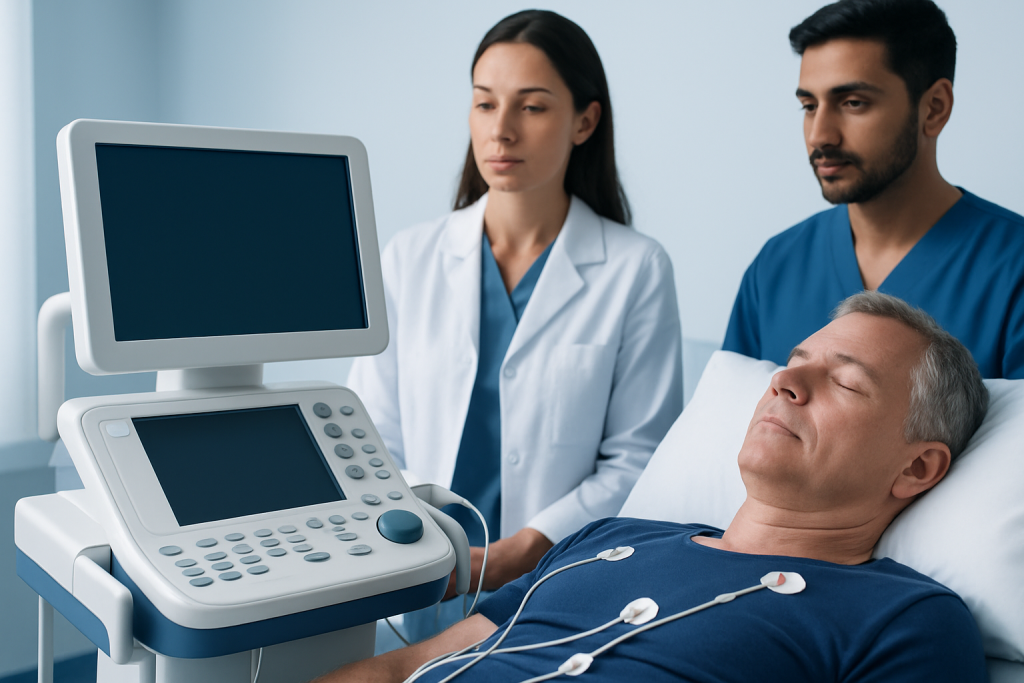
Questions about melatonin and the heart usually arise after a person notices a new symptom, such as palpitations, lightheadedness, unusual fatigue, or changes in sleep quality after starting a supplement. These symptoms do not automatically mean melatonin is the cause. They may reflect stress, dehydration, caffeine, missed medications, jet lag, or an unrelated rhythm problem.
People sometimes report feeling drowsy the next day, having vivid dreams, or waking more often at night. Less commonly, they may notice headaches, nausea, or a sense that their heartbeat feels different. Because sleep and cardiovascular symptoms can overlap, it is important not to self-diagnose based on timing alone.
Signs that deserve medical attention are not limited to chest discomfort. A person should take note if palpitations are persistent, if there is fainting or near-fainting, if shortness of breath appears, or if swelling and exercise intolerance are new. These symptoms need a clinician’s assessment regardless of whether melatonin was recently started.
Causes and risk factors

Melatonin is made naturally by the body and helps regulate the sleep-wake cycle. Supplemental melatonin aims to support that rhythm, especially when internal timing is disrupted by shift work, travel, age-related sleep changes, or insomnia. The concern in cardiac discussions is not that melatonin acts like a stimulant; rather, it may influence the autonomic nervous system, blood pressure patterns, and sleep-related physiology in ways that vary from person to person.
Risk tends to be higher when a person already has heart disease, a history of arrhythmia, low blood pressure, or complex medication use. Caution is also sensible for people taking antihypertensives, anticoagulants, antiarrhythmic drugs, sedatives, or other supplements that may interact. Older adults may be more sensitive to lingering drowsiness or balance problems, which can matter after heart surgery, after a hospitalization, or during recovery away from home.
There is another practical risk factor: the wrong reason for using melatonin. If insomnia is being driven by untreated anxiety, sleep apnea, thyroid disease, pain, reflux, or heart symptoms that worsen at night, then melatonin may mask the pattern without solving the underlying cause. In that setting, the supplement can delay a more useful diagnosis.
Diagnosis and how clinicians evaluate the situation
There is no single test for “melatonin-related heart problems.” Instead, clinicians look at the full timeline: when the supplement was started, what dose and formulation were used, what symptoms appeared, and whether the person has a known cardiac condition. A careful medication history is important because over-the-counter products can vary in strength and may be taken alongside other sleep aids.
Depending on the symptoms, a doctor may check pulse and blood pressure, review an electrocardiogram, or order additional tests if rhythm concerns are suspected. If the complaint is poor sleep rather than a direct heart symptom, the assessment may include questions about travel, stress, breathing during sleep, caffeine, alcohol, and bedtime routines. This helps distinguish a temporary sleep disruption from something that needs targeted treatment.
For patients traveling internationally for care, it helps to bring a complete list of all supplements, including the product name, strength, and timing of use. If the original packaging is available, that is even better. Many sleep supplements are labeled in ways that do not fully explain how long they last or what else they contain, which can complicate evaluation after arrival at a clinic or hospital.
Treatment options and medical guidance
When melatonin is suspected of contributing to symptoms, the first step is usually to stop or pause it under medical guidance and observe whether the symptoms improve. In many cases, that simple change is enough to clarify the picture. If sleep remains a problem, the clinician may suggest non-drug strategies or, when appropriate, a different approach that fits the person’s overall health profile.
Treatment is directed by the underlying issue, not the supplement alone. For example, a person with atrial fibrillation, blood pressure fluctuations, insomnia due to stress, or sleep apnea may need specific management for that condition. Melatonin should not replace prescribed cardiac therapy, and it should never be used to delay care for chest pain, fainting, or severe breathlessness.
In some cases, the sleep plan is as important as the heart plan. A clinician may recommend adjusting sleep timing gradually, reducing screen exposure at night, limiting caffeine, or using a structured jet-lag strategy rather than relying on supplements alone. If a patient is already under cardiology follow-up, the team can decide whether melatonin is reasonable, whether another option is better, or whether it should be avoided altogether.
Prevention and self-care
The most reliable way to reduce problems is to treat melatonin as a medication-like product rather than a casual sleep candy. That means reading labels carefully, avoiding multiple overlapping sleep aids, and checking with a doctor or pharmacist before starting it if there is any history of heart disease or rhythm disturbance. Because supplement quality can vary, it is helpful to choose a product consistently rather than switching between brands without guidance.
Good sleep habits still matter, especially for people recovering from illness or crossing time zones. A regular sleep schedule, a dark and quiet room, moderate daytime activity, and consistent meal timing can help the body reset more naturally. These measures may be enough for many travelers and can reduce the urge to self-treat with multiple products.
- Bring a list of all medicines and supplements to every appointment.
- Do not use melatonin as a substitute for cardiac evaluation.
- Be cautious if you have fainting, palpitations, low blood pressure, or known arrhythmia.
- After travel or hospitalization, keep sleep changes simple and track how you feel.
For people managing care across borders, self-care also includes coordination. Saving discharge summaries, test results, and medication lists makes it easier for a second team to give safe advice, especially when a supplement is being considered alongside heart medicines.
When to see a doctor
A doctor should be consulted before starting melatonin if a person has cardiovascular disease, takes prescription heart medicines, is pregnant, is older and medically complex, or has ever had rhythm problems. This is especially important when sleep symptoms are new or out of proportion to usual jet lag or stress.
Prompt evaluation is advisable if palpitations are frequent, the heartbeat feels irregular, dizziness keeps returning, or there is chest pain, shortness of breath, or fainting. These are not symptoms to watch casually at home. They deserve timely medical assessment whether or not melatonin was taken.
If a patient is traveling for treatment, arranging the conversation early can be practical. A cardiologist, sleep specialist, or primary care doctor can review the supplement, the sleep complaint, and the cardiac history together. At Acibadem Health Point, multidisciplinary specialists and JCI-accredited hospitals diagnose and treat this type of concern for international patients, with care plans that can be coordinated across different stages of travel and follow-up.
Frequently asked questions
01Can melatonin cause heart palpitations?
It may be reported by some people, but palpitations can have many causes and should not be assumed to come from melatonin. If the symptom is new, persistent, or worrying, a doctor should evaluate it rather than relying on self-judgment.
02Is melatonin safe for people with heart disease?
It may be tolerated by some people, but heart disease changes the risk picture. A clinician should review the person’s medications, rhythm history, and blood pressure before melatonin is used.
03Can melatonin affect blood pressure?
Melatonin may influence blood pressure in some people, and the effect can vary. People who already have low blood pressure or who take blood pressure medicines should be especially careful and ask for medical advice first.
04Should melatonin be stopped before a cardiology appointment?
Not necessarily, but the clinician should know that it is being used. In some situations, the doctor may suggest pausing it to see whether symptoms change, especially if palpitations or dizziness are being evaluated.
05What is a safer first step for jet lag-related sleep problems?
Basic sleep scheduling, light exposure, hydration, and avoiding excess caffeine are often useful first steps. If melatonin is still being considered, it is best discussed with a doctor, particularly when there is a cardiac history.
06When should urgent care be sought?
Urgent assessment is appropriate for chest pain, fainting, severe shortness of breath, or a new irregular heartbeat. These symptoms need prompt medical review whether or not a supplement was recently taken.
This article is for general information only and is not a substitute for professional medical advice. Please consult a qualified doctor about your individual situation.
Persistent digestive symptoms? Get evaluated in Turkey
JCI-accredited · board-certified surgeons · reply within 24h
Add us as a Preferred Source to see more of our trusted health content across Google Search, AI Overviews and Discover.