Cardiac Arrest Disease: Diagnosis, Survival, and Treatment
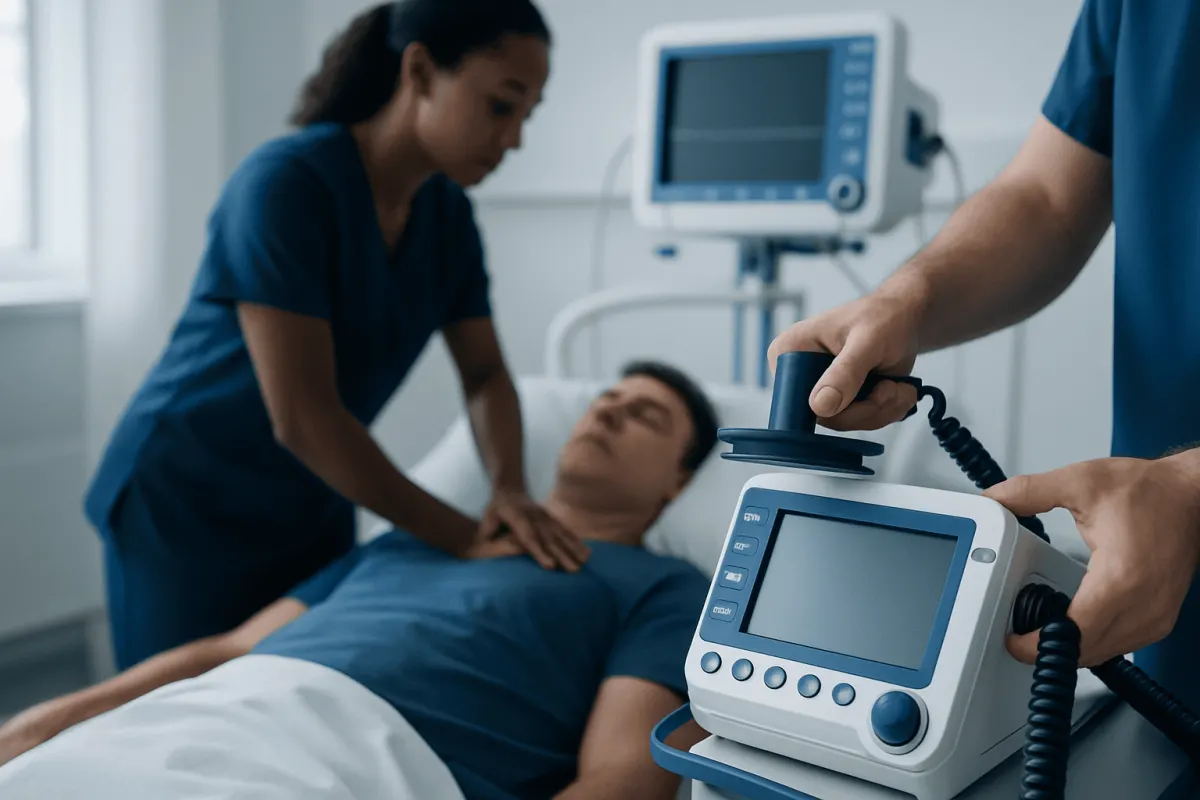
Cardiac arrest disease is commonly used to describe sudden cardiac arrest, a medical emergency in which the heart abruptly stops pumping blood effectively. Immediate CPR and rapid defibrillation can restore circulation, while hospital care focuses on protecting the brain and identifying and treating the underlying cause.
Overview: What Cardiac Arrest Disease Means
Cardiac arrest is the sudden loss of effective heart pumping. When this happens, blood flow to the brain and other vital organs stops or becomes critically low, and the person rapidly becomes unresponsive, is not breathing normally, or may only gasp. It is a medical emergency that requires immediate action.
The phrase “cardiac arrest disease” is often used in online searches, but cardiac arrest itself is usually an event rather than a single disease. It may result from underlying coronary artery disease, a dangerous abnormal heart rhythm, heart muscle disease, valve disease, inherited heart conditions, severe electrolyte disturbances, or other acute illnesses.
Cardiac arrest differs from a heart attack. A heart attack occurs when blood flow to part of the heart muscle is blocked, whereas cardiac arrest is an electrical or pumping failure of the heart. A heart attack can cause cardiac arrest, but not every cardiac arrest is caused by a heart attack.
Recognizing Cardiac Arrest and Acting Quickly
Cardiac arrest may occur without warning. Some people have preceding symptoms such as chest discomfort, shortness of breath, palpitations, fainting, unusual fatigue, nausea, or dizziness, but many collapse suddenly. The key signs are sudden unresponsiveness and absent or abnormal breathing.
Anyone who suspects cardiac arrest should call local emergency services immediately. If the person is unresponsive and not breathing normally, bystanders should begin chest compressions and use an automated external defibrillator (AED) as soon as one is available. AEDs provide voice instructions and can identify certain shockable rhythms.
- Call emergency services and put the phone on speaker if possible.
- Start firm, continuous chest compressions in the center of the chest.
- Use an AED promptly and follow its instructions.
- Continue CPR until emergency professionals take over or the person shows signs of recovery.
Rapid action is important because the chance of recovery decreases when the brain and heart remain without oxygen-rich blood. Bystander CPR and early defibrillation help maintain circulation while definitive care is arranged.
Causes and Risk Factors

In adults, coronary artery disease is a common underlying cause of sudden cardiac arrest. Narrowing or blockage of the coronary arteries can reduce blood supply to the heart and trigger a life-threatening rhythm disturbance. Previous heart attack, heart failure, weakened heart muscle, and significant valve disease can also increase risk.
Many arrests are related to ventricular fibrillation or ventricular tachycardia, rapid abnormal rhythms arising in the lower chambers of the heart. Other causes include very slow heart rhythms, inherited electrical conditions such as long QT syndrome, hypertrophic cardiomyopathy, myocarditis, severe bleeding, blood clots in the lungs, drowning, overdose, or major disturbances in potassium and other electrolytes.
Risk factors for underlying cardiovascular disease include smoking, high blood pressure, diabetes, high cholesterol, obesity, physical inactivity, and a family history of early heart disease or sudden unexplained death. A personal history of fainting during exercise, unexplained seizures, or recurrent palpitations should also be discussed with a clinician.
Diagnosis After Resuscitation
After circulation has been restored, the medical team stabilizes breathing, blood pressure, oxygen levels, and body temperature as appropriate. Care often takes place in an emergency department and intensive care setting, where clinicians monitor the heart rhythm continuously and assess brain function and other organs.
Tests may include an electrocardiogram (ECG), blood tests, echocardiography, chest imaging, coronary angiography, and sometimes cardiac magnetic resonance imaging. These assessments can identify a heart attack, coronary artery narrowing, reduced heart pumping strength, structural heart disease, inflammation, or an inherited rhythm condition.
Because the cause is not always immediately clear, evaluation may also include a detailed medical and family history, review of medicines and substances, and selected genetic or electrophysiology testing. Establishing the cause helps guide treatment and allows clinicians to assess whether relatives may need screening for inherited conditions.
What Are the Treatment Options for Cardiac Arrest?
The immediate treatment for cardiac arrest is high-quality CPR, early defibrillation for a shockable rhythm, airway and breathing support, and emergency medications delivered by trained professionals. In hospital, the team treats reversible causes such as a blocked coronary artery, severe electrolyte imbalance, blood clot, infection, medication effect, or major bleeding.
If a heart attack or critical coronary blockage is suspected, urgent coronary angiography may be used to examine the heart arteries. Some people need a procedure to restore blood flow, such as coronary angioplasty and stenting or, in selected circumstances, coronary bypass surgery. Management also includes careful intensive care, prevention of complications, and supportive treatment for the brain, lungs, kidneys, and other organs.
After the acute phase, treatment is individualized according to the cause and the person’s recovery. It may involve antiarrhythmic or heart-protective medicines, treatment for heart failure, correction of valve disease, and follow-up with cardiology and cardiac rehabilitation teams.
What Are the Modern Treatments for Heart Disease?
Modern treatment for heart disease depends on the specific diagnosis. For coronary artery disease, care commonly combines lifestyle measures with medicines that lower cholesterol, control blood pressure, prevent harmful clot formation when appropriate, and reduce strain on the heart. Procedures may be recommended when symptoms persist or blood flow is significantly restricted.
For people at continuing risk of dangerous ventricular arrhythmias, an implantable cardioverter-defibrillator may be considered. This small device monitors the heart rhythm and can deliver therapy if a life-threatening rhythm occurs. Some rhythm disorders can also be treated with catheter-based procedures designed to target the source of the abnormal electrical signals.
Heart failure, cardiomyopathy, valve disorders, and inherited heart conditions require tailored care and regular monitoring. The goal is not only to reduce the risk of future arrest but also to support daily functioning, manage symptoms, and address modifiable cardiovascular risks. Coronary artery disease treatment and prevention are particularly important when it is identified as the underlying cause.
What Is the Prognosis for Someone Who Has Cardiac Arrest?
The prognosis after cardiac arrest varies considerably. Important factors include whether the arrest was witnessed, how quickly CPR began, whether an AED was used, the initial heart rhythm, how rapidly circulation returned, the underlying cause, and the person’s health before the event.
Some people recover well, particularly when the arrest is treated quickly and the cause can be corrected. Others may experience memory, concentration, movement, mood, or fatigue-related changes due to the period of reduced oxygen delivery to the brain. Recovery can continue over time and may benefit from coordinated cardiac, neurological, physical, occupational, and psychological rehabilitation.
Follow-up is essential after hospital discharge. The care plan may include cardiology visits, medication review, device checks where relevant, supervised rehabilitation, and support for emotional wellbeing. Family members may also be offered advice about CPR training and, when inherited disease is suspected, appropriate screening.
Has Anyone Survived Cardiac Arrest?
Yes. Many people have survived cardiac arrest, especially when it is recognized quickly and treated with immediate CPR and defibrillation. Survival is possible both inside and outside hospital, but emergency response time and prompt bystander action make an important difference.
Survival does not look the same for every person. Some return to their usual activities after recovery, while others need a period of rehabilitation or ongoing support. Clinicians can provide a more individualized outlook once they understand the cause of the arrest, the treatment received, and the person’s neurological and heart recovery.
After an arrest, it is normal for patients and families to have questions about recurrence, driving, work, exercise, intimacy, emotional wellbeing, and family risk. These concerns should be raised during follow-up so that recommendations can be adapted to the individual situation.
When to Seek Medical Care
Call emergency services immediately if someone collapses, becomes unresponsive, or is not breathing normally. Do not wait to see whether the person improves. Begin CPR and use an AED if available while waiting for emergency professionals.
Urgent medical assessment is also appropriate for new or severe chest pain, fainting, unexplained shortness of breath, sustained palpitations, or symptoms occurring during exercise. People with a known heart condition who develop worsening symptoms should contact their treating clinician promptly.
For international patients requiring assessment after a cardiac event, Acıbadem Health Point’s multidisciplinary specialists and JCI-accredited hospitals can evaluate underlying cardiac conditions and coordinate appropriate treatment and follow-up care.
Frequently asked questions
01Is cardiac arrest the same as a heart attack?
No. A heart attack is caused by blocked blood flow to part of the heart muscle, while cardiac arrest is the sudden loss of effective heart pumping. A heart attack can trigger cardiac arrest, but the terms describe different emergencies.
02What is the prognosis for someone who has cardiac arrest?
Prognosis depends on how quickly CPR and defibrillation were provided, the cause of the arrest, and the person’s health before the event. Some survivors recover well, while others need rehabilitation for heart, brain, physical, or emotional effects.
03What are the treatment options for cardiac arrest?
Immediate treatment includes calling emergency services, CPR, and defibrillation with an AED when indicated. Hospital care then focuses on restoring and supporting circulation, treating the cause, and reducing the risk of a future event.
04What are the modern treatments for heart disease?
Treatment may include lifestyle support, medicines, coronary procedures, rhythm treatment, implanted cardiac devices, valve repair or replacement, and cardiac rehabilitation. The best approach depends on the specific heart condition and its severity.
05Has anyone survived cardiac arrest?
Yes, people do survive cardiac arrest, particularly when bystanders start CPR and an AED is used promptly. Recovery varies, and follow-up care is important to identify the cause and support long-term health.
06Can cardiac arrest happen without warning?
Yes. Some people have no warning symptoms, while others may notice chest discomfort, palpitations, breathlessness, dizziness, fainting, or unusual fatigue beforehand. New or concerning symptoms should be assessed by a qualified healthcare professional.
This article is for general information only and is not a substitute for professional medical advice. Please consult a qualified doctor about your individual situation.
Persistent digestive symptoms? Get evaluated in Turkey
JCI-accredited · board-certified surgeons · reply within 24h
Add us as a Preferred Source to see more of our trusted health content across Google Search, AI Overviews and Discover.