Cardiac Ischemia: Causes, Symptoms and Heart Care
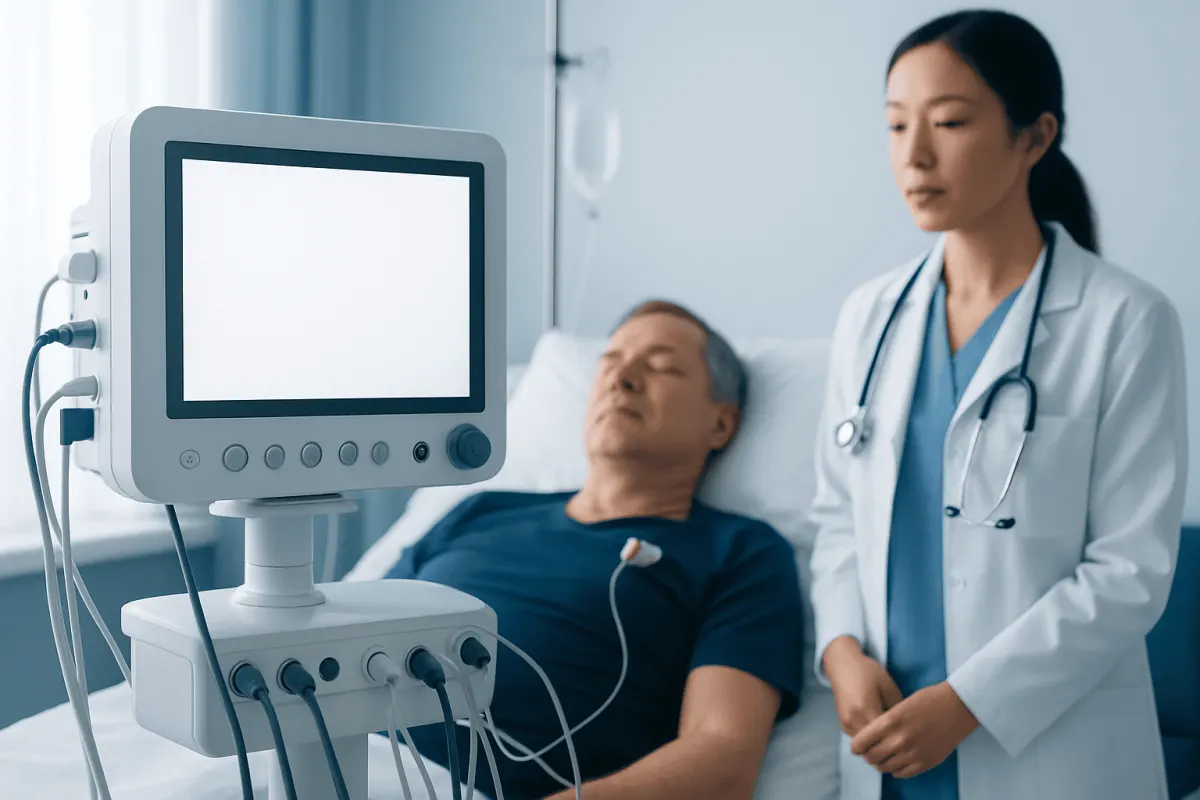
Cardiac ischemia occurs when part of the heart muscle does not receive enough oxygen-rich blood, most often because coronary arteries have become narrowed by plaque. It can cause chest discomfort or no symptoms at all, but prompt assessment and appropriate treatment can help protect heart function and lower the risk of a heart attack.
Cardiac ischemia overview
Cardiac ischemia is a condition in which the heart muscle receives less oxygen-rich blood than it needs. The cardiac ischemia medical definition is reduced blood flow to the myocardium, the muscular layer of the heart that pumps blood around the body. The medical term is also called myocardial ischemia or heart ischemia.
In most cases, ischemia develops when one or more coronary arteries become narrowed. These arteries supply the heart muscle itself. When the heart needs more oxygen, such as during physical activity, emotional stress, or a fast heartbeat, a narrowed artery may not be able to deliver enough blood.
Ischemia can be temporary and reversible when blood flow improves. However, repeated or prolonged oxygen deprivation can injure heart muscle. Recognizing symptoms, managing risk factors, and following a clinician’s treatment plan are important ways to reduce the likelihood of serious cardiac ischemia complications.
Symptoms and possible complications
The best-known symptom of cardiac ischemia is angina: pressure, tightness, heaviness, squeezing, or discomfort in the chest. It may spread to the shoulder, arm, jaw, neck, back, or upper abdomen. Some people describe it as indigestion, while others experience shortness of breath, sweating, nausea, light-headedness, palpitations, or unusual tiredness instead.
Symptoms often occur with exertion and improve with rest in stable angina. However, ischemia does not always cause warning signs. Silent ischemia is more common in some people with diabetes, older adults, and individuals with nerve-related conditions, but it can occur in anyone.
When blood flow becomes severely reduced or fully blocked for long enough, heart muscle cells may die. This is the connection between cardiac ischemia and myocardial infarction: a myocardial infarction, commonly called a heart attack, is heart muscle injury caused by prolonged ischemia. Other possible complications include abnormal heart rhythms, reduced pumping strength, and heart failure.
What are the two main causes of ischemia within the heart?
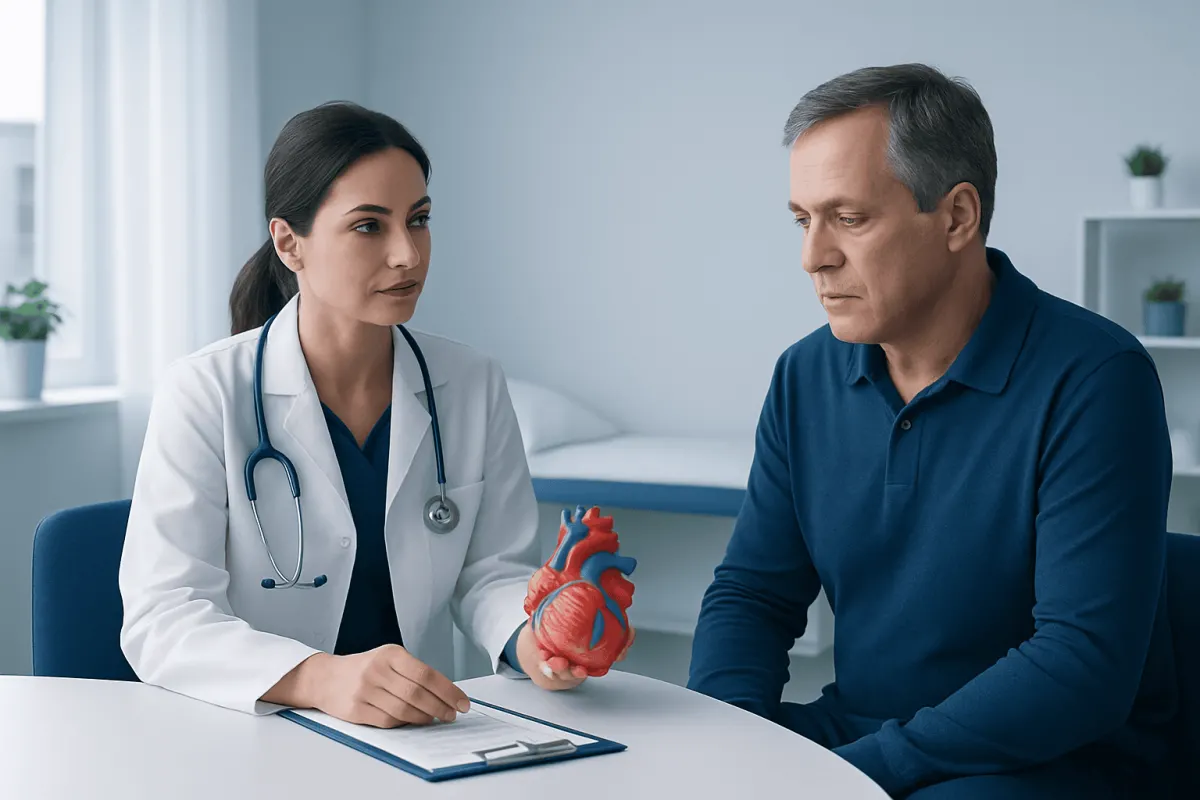
The two main causes of ischemia within the heart are coronary artery narrowing from atherosclerosis and a sudden reduction in blood flow caused by a blood clot or coronary artery spasm. Atherosclerosis is the gradual buildup of fatty deposits, cholesterol, and inflammatory material within artery walls. It is the most common cause of chronic cardiac ischemia.
A clot can form when an atherosclerotic plaque ruptures, partially or completely obstructing blood flow. This can lead to acute coronary syndrome and may cause a heart attack. A coronary artery spasm is a temporary tightening of an artery that can markedly reduce blood flow, sometimes even when there is little or no fixed plaque narrowing.
Less common contributors include severe anemia, very low blood pressure, significant narrowing of the heart valves, an unusually fast heart rhythm, or conditions that increase the heart’s oxygen demand. A clinician will consider a person’s symptoms, history, test results, and overall health when identifying the likely cause.
How cardiac ischemia is diagnosed
Diagnosis begins with a medical history and physical examination. A clinician will ask about the nature, timing, triggers, and duration of symptoms, as well as personal and family history of heart disease. Blood pressure, cholesterol, diabetes, smoking, kidney disease, and other cardiovascular risk factors are also reviewed.
An electrocardiogram (ECG) can identify electrical changes that may suggest current or previous ischemia. Blood tests, including cardiac troponin in urgent situations, can help detect heart muscle injury. Depending on the clinical situation, further testing may include an echocardiogram, exercise or medication stress testing, stress imaging, coronary CT angiography, or invasive coronary angiography.
These tests do not simply confirm whether an artery is narrowed. They help the care team understand whether reduced blood flow is affecting the heart muscle, how extensive the problem may be, and which treatment approach is most appropriate. People with known coronary artery disease may need regular follow-up even when symptoms are controlled.
Treatment options for cardiac ischemia
Treatment aims to improve blood flow, reduce the heart’s oxygen demand, relieve symptoms, and prevent heart attack and other complications. The plan depends on whether ischemia is stable or sudden, the severity and location of coronary artery disease, other health conditions, and the person’s preferences.
Medicines may be used to reduce chest pain, lower blood pressure or heart rate when appropriate, prevent blood clots, and manage cholesterol. A clinician may also recommend treatment for diabetes or other conditions that raise cardiovascular risk. Medicines should be taken only as prescribed, and new or worsening symptoms should not be managed by changing doses without medical advice.
For some people, restoring blood flow through a procedure is beneficial. This may involve coronary angiography to view the arteries, followed when appropriate by coronary angioplasty and stent placement. Others may need coronary artery bypass surgery when several arteries are significantly affected or anatomy is more complex.
Cardiac rehabilitation, when recommended, provides supervised exercise, education, nutrition support, and help with risk-factor management. It can support recovery and confidence after a cardiac event or procedure.
What should you avoid if you have ischemia?
People with ischemia should avoid smoking and exposure to tobacco smoke, as tobacco can damage blood vessels and increase the risk of clot formation. They should also avoid cocaine and other stimulant drugs, which can trigger coronary artery spasm, dangerously raise heart rate and blood pressure, and increase the risk of a heart attack.
It is sensible to avoid abruptly starting strenuous exercise or pushing through chest discomfort, marked breathlessness, dizziness, or unusual fatigue. Physical activity is often beneficial for heart health, but the safe type and intensity should be discussed with a clinician, especially after symptoms, a heart attack, or a procedure.
A heart-healthy eating pattern usually limits highly processed foods, excess salt, trans fats, and foods high in saturated fat. Limiting alcohol when advised, maintaining regular sleep, managing stress, and taking prescribed medicine consistently are also helpful. People should not stop cardiac medication, use unregulated supplements, or take over-the-counter medicines without checking with a pharmacist or doctor, as some products may affect the heart or interact with treatment.
Does ischemia mean heart failure?
No. Ischemia does not automatically mean heart failure. Cardiac ischemia refers to insufficient blood flow to the heart muscle, while heart failure is a condition in which the heart cannot pump blood as effectively as the body needs. A person can have ischemia without heart failure, and heart failure can also occur for reasons other than coronary artery disease.
However, the two conditions can be related. Repeated episodes of ischemia or a heart attack can damage heart muscle and reduce its pumping ability over time, contributing to ischemic heart failure. Early evaluation and treatment of ischemia can help reduce this risk.
Possible signs of heart failure include persistent shortness of breath, swelling of the legs or abdomen, rapid weight gain from fluid retention, tiredness, and difficulty lying flat. These symptoms should be discussed with a healthcare professional, particularly if they are new or worsening.
Is heart ischemia curable and when should medical care be sought?
Heart ischemia is often manageable, but whether it can be considered curable depends on its cause. A temporary trigger, such as an artery spasm or severe anemia, may improve substantially when the cause is treated. Atherosclerosis is a long-term condition, but symptoms and future risk can often be reduced with lifestyle measures, medication, and, for selected patients, procedures that improve blood flow.
Medical care should be sought urgently for chest pressure, pain, or discomfort that is new, severe, persistent, occurs at rest, or is accompanied by shortness of breath, sweating, nausea, fainting, or pain spreading to the arm, jaw, back, or upper abdomen. Emergency services should be contacted rather than driving oneself to a hospital. It is safer to be assessed promptly even if symptoms improve.
Routine medical review is appropriate for recurring exertional chest symptoms, unexplained breathlessness, reduced exercise tolerance, or increasing fatigue. Acıbadem Health Point’s multidisciplinary specialists and JCI-accredited hospitals diagnose and treat cardiovascular conditions for international patients, with care plans guided by individual clinical needs.
Frequently asked questions
01What is cardiac ischemia?
Cardiac ischemia is reduced blood flow to the heart muscle, resulting in an inadequate supply of oxygen. It is most commonly caused by narrowing of the coronary arteries due to atherosclerosis. It may cause angina symptoms or occur without noticeable symptoms.
02Is cardiac ischemia the same as a heart attack?
No. Cardiac ischemia means the heart muscle is not receiving enough blood and oxygen, while a heart attack occurs when prolonged ischemia causes heart muscle injury or death. Ischemia can be a warning sign and should be evaluated, particularly when symptoms are new or worsening.
03Can cardiac ischemia occur without chest pain?
Yes. Some people have silent ischemia, meaning reduced blood flow occurs without typical chest discomfort. Breathlessness, fatigue, nausea, or a reduced ability to exercise may be the only signs, and some people have no symptoms at all.
04What should you avoid if you have ischemia?
Avoid tobacco, recreational stimulants such as cocaine, and unapproved supplements that may affect blood pressure or heart rhythm. Do not ignore chest symptoms or begin intense exercise without medical guidance. It is also important not to stop prescribed medicines without speaking to a healthcare professional.
05Does ischemia mean heart failure?
No. Ischemia and heart failure are different conditions. However, untreated or recurrent ischemia, especially after a heart attack, can damage the heart muscle and contribute to heart failure over time.
06Is heart ischemia curable?
The outlook depends on the cause. Temporary causes may improve when treated, while coronary artery disease generally requires long-term management. Lifestyle measures, medicines, and procedures when appropriate can reduce symptoms and lower the risk of complications.
This article is for general information only and is not a substitute for professional medical advice. Please consult a qualified doctor about your individual situation.
Persistent digestive symptoms? Get evaluated in Turkey
JCI-accredited · board-certified surgeons · reply within 24h
Add us as a Preferred Source to see more of our trusted health content across Google Search, AI Overviews and Discover.