Shortness of Breath: Causes and Treatment

Key Takeaways
- Shortness of breath can come from the lungs, heart, blood, muscles, anxiety, or simple deconditioning.
- The pattern matters: sudden breathlessness, chest pain, blue lips, or fainting needs urgent care.
- Diagnosis usually starts with history, examination, oxygen checks, and tests chosen to match the suspected cause.
- Treatment depends on the underlying problem and may include medicines, inhalers, breathing exercises, or rehabilitation.
- Self-care is useful, but persistent or worsening symptoms should be assessed by a clinician.
Shortness of breath can feel unsettling, but it does not always signal a medical emergency. This guide explains common causes, how it is assessed, and practical steps that can help a person breathe more comfortably while deciding when medical review is needed.
Overview
Shortness of breath is often described as feeling unable to get enough air, breathing harder than expected, or needing to pause during activity. Some people notice it only when climbing stairs or walking uphill; others feel it at rest. The experience can be brief and harmless, but it can also be a clue that the lungs, heart, blood, or another body system needs attention.
The term “short breather” is sometimes used casually, but in medical settings the symptom is usually called shortness of breath or dyspnea. It is not a diagnosis on its own. Rather, it is the body’s way of signaling that breathing is working harder than usual or that oxygen delivery is not keeping up with demand.
For international patients, this symptom can appear before, during, or after travel. A long flight, a respiratory infection picked up abroad, or an existing condition that becomes more noticeable away from home can all make breathing feel different. The reassuring part is that many causes are identifiable with a careful evaluation and can be managed once the reason is clear.
Symptoms
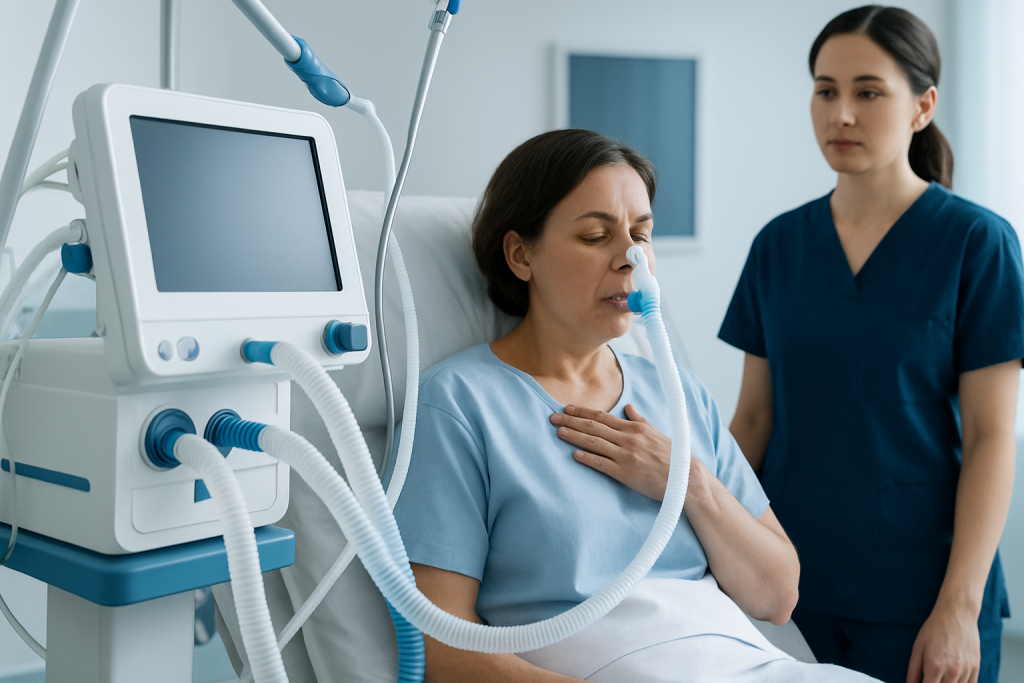
Shortness of breath is often noticed as a change in how breathing feels compared with a person’s usual baseline. It may come with rapid breathing, a sense of tightness in the chest, or the need to speak in shorter phrases. Some people describe it as “air hunger,” while others say they cannot take a satisfying deep breath.
Associated symptoms can offer important clues. Wheezing may point toward airway narrowing, cough can suggest irritation or infection, leg swelling may suggest a heart-related cause, and fever can fit with an infection. Breathlessness that occurs only with exertion may have a different meaning from sudden breathlessness at rest.
- Breathing faster than normal
- Chest tightness or discomfort
- Wheezing or noisy breathing
- Cough, fever, or mucus
- Fatigue, dizziness, or palpitations
Symptoms that develop gradually are often easier to overlook, especially when a person is busy traveling or recovering from another illness. Even so, a persistent change in breathing deserves attention because it may be the earliest sign of a condition that is easier to treat when found early.
Causes & Risk Factors
Many different conditions can lead to shortness of breath. Common respiratory causes include asthma, chronic obstructive pulmonary disease, pneumonia, bronchitis, and pulmonary embolism. Heart conditions such as heart failure, rhythm problems, or reduced blood flow to the heart can also make breathing feel difficult.
Breathlessness may also come from non-lung and non-heart causes. Anemia can reduce oxygen delivery through the blood; panic or anxiety can change breathing patterns; and weakness, obesity, or limited fitness can make ordinary movement feel more demanding. In some people, acid reflux, allergies, or vocal cord problems contribute to the sensation.
Risk rises when one or more of these conditions are already present, but the symptom can appear in people without a known diagnosis. Smoking history, recent infection, recent surgery, prolonged immobility, and certain chronic illnesses can increase the likelihood that breathlessness needs medical evaluation. A doctor will usually look for the pattern, timing, and trigger rather than relying on one symptom alone.
Diagnosis
Evaluation usually begins with a detailed conversation about when the shortness of breath started, what brings it on, and whether it is improving or getting worse. The clinician may ask about cough, fever, chest pain, swelling, travel, recent immobilization, smoking, heart disease, asthma, allergies, anxiety, or medication use. The story often points toward the right next step.
A physical examination may include listening to the lungs and heart, checking the breathing rate, and measuring oxygen levels. Depending on the findings, common tests may include blood tests, chest X-ray, electrocardiogram, lung function testing, or more advanced imaging. If a blood clot is a concern, the doctor may order targeted studies to look for it safely and efficiently.
For patients who are traveling internationally for care, a clear diagnostic plan matters because it helps avoid unnecessary testing and supports timely treatment. Records from home, a list of medicines, and any prior scans or reports can make the workup smoother and can help the team compare changes accurately.
Treatment Options
Treatment depends entirely on the underlying cause. An asthma flare may improve with inhaled medicines, pneumonia may need antibiotics or other infection-focused care, anemia may require treatment of the cause and support for blood counts, and heart-related breathlessness may need medication adjustments or further cardiac management. When a clot, severe infection, or other urgent problem is present, prompt hospital-based treatment may be needed.
Sometimes the most helpful step is not a medication change but a broader plan. Breathing techniques, gradual rehabilitation, smoking cessation support, or management of anxiety can all reduce symptom burden. When breathlessness is linked to deconditioning, structured exercise guidance and pacing strategies may gradually improve tolerance for activity.
People often want a quick fix, especially when breathing feels unfamiliar, but careful matching of treatment to diagnosis is what leads to the best result. In the right setting, multidisciplinary teams can coordinate respiratory, cardiac, imaging, and rehabilitation input so the person does not have to navigate several unrelated appointments alone. Acibadem Health Point’s multidisciplinary specialists and JCI-accredited hospitals diagnose and treat this condition for international patients.
Prevention & Self-care
There is no single prevention plan because shortness of breath has many possible causes, but healthy habits can lower risk and reduce symptom flares. Avoiding tobacco smoke, staying active within comfortable limits, maintaining a healthy weight, and keeping chronic conditions such as asthma, heart disease, or diabetes under good control are practical starting points.
During travel, it helps to plan ahead. Carry prescribed inhalers or medicines, keep a copy of medical records, know where urgent care is located, and avoid ignoring new symptoms simply because they seem mild. If a person is recovering from surgery or illness, gentle mobilization and hydration may be recommended by the treating team to support circulation and breathing.
At home, simple pacing can make day-to-day life easier: break tasks into smaller parts, sit when possible, and use slower breathing if anxiety seems to amplify the symptom. Self-care should support, not replace, medical review when the breathlessness is new, recurrent, or out of proportion to the activity being done.
When to See a Doctor
Shortness of breath should be assessed promptly if it is new, worsening, happening at rest, or interfering with normal activities. A medical review is especially important when the symptom follows recent travel, surgery, infection, or prolonged inactivity, because some causes need treatment without delay.
Urgent care is appropriate if breathlessness comes with chest pain, fainting, blue lips, confusion, severe wheezing, coughing up blood, or a sudden inability to speak in full sentences. These symptoms can indicate a serious problem and should not be watched at home.
Even when symptoms are mild, it is reasonable to ask for an evaluation if the feeling is persistent, unexplained, or different from a person’s usual pattern. A clinician can help decide whether the cause is likely to be minor, chronic, or something that needs a faster diagnostic pathway.
Living With Follow-up and Recovery
When a cause has been identified, follow-up becomes part of the treatment rather than an afterthought. Some conditions improve quickly, while others need periodic review to confirm that symptoms are easing and that medicines are working as expected. A clear plan also helps patients who return to another country after treatment know what to monitor and whom to contact if symptoms change.
Keeping notes about triggers, activity level, sleep, and symptom timing can be surprisingly useful. These details help the care team see whether recovery is heading in the right direction or whether adjustments are needed. For people managing a long-term condition, small improvements in stamina or symptom frequency are meaningful progress.
Shortness of breath is common, but it should never be dismissed simply because it is common. With the right assessment, many causes can be treated, and many people regain a more comfortable, predictable breathing pattern.
Frequently asked questions
01Is shortness of breath always caused by a lung problem?
No. The lungs are a common source, but the heart, blood, muscles, and even anxiety can also play a role. A clinician looks at the full pattern of symptoms before deciding which system is most likely involved.
02How can a person tell if breathlessness is serious?
Breathlessness is more concerning when it starts suddenly, worsens quickly, happens at rest, or comes with chest pain, fainting, blue lips, or confusion. Those features should be assessed urgently rather than observed at home.
03Can anxiety really cause feeling short of breath?
Yes. Anxiety can change breathing rate and depth, creating a sensation of not getting enough air. Even so, it is important not to assume anxiety is the cause until a medical professional has considered other possibilities.
04What tests are commonly used to evaluate shortness of breath?
Common tests may include oxygen measurement, blood tests, chest X-ray, electrocardiogram, and lung function testing. The exact choice depends on the person’s symptoms and the clinician’s examination findings.
05What can someone do while waiting for a medical appointment?
It helps to rest, avoid smoking or heavy exertion, take prescribed medicines as directed, and note what triggers the symptom. If the breathing gets worse or new <a href="https://www.acibademhealthpoint.com/blog/6-signs-of-heart-attack-a-month-before/" title="Heart Attack Warning Signs: Symptoms and When to Seek Help" class="ahp-ilk">warning signs appear, urgent care is the safer choice.
06Can travel make shortness of breath worse?
Travel can sometimes make breathlessness more noticeable because of stress, altitude changes, inactivity, or a new infection. Anyone with a known heart or lung condition should travel with their medicines and a plan for where to seek care if symptoms change.
This article is for general information only and is not a substitute for professional medical advice. Please consult a qualified doctor about your individual situation.
Explore treatments in Turkey — costs, top hospitals & a free quote
JCI-accredited · board-certified surgeons · reply within 24h
Add us as a Preferred Source to see more of our trusted health content across Google Search, AI Overviews and Discover.