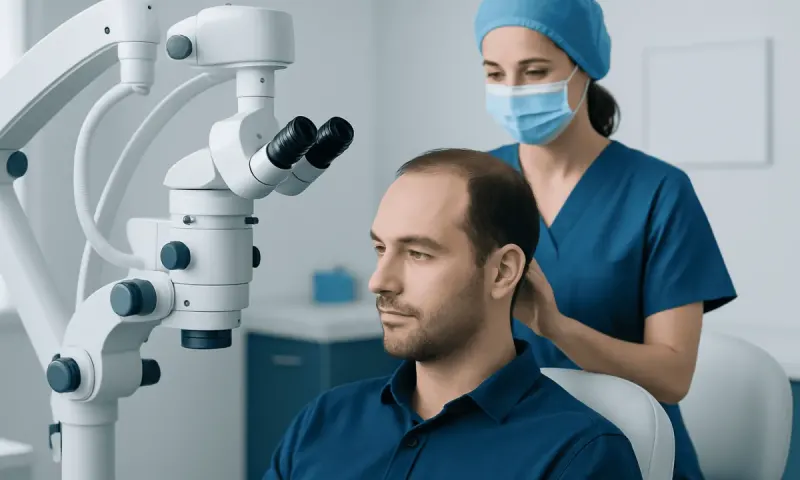
Medical Aesthetics Treatments, Benefits, and Recovery
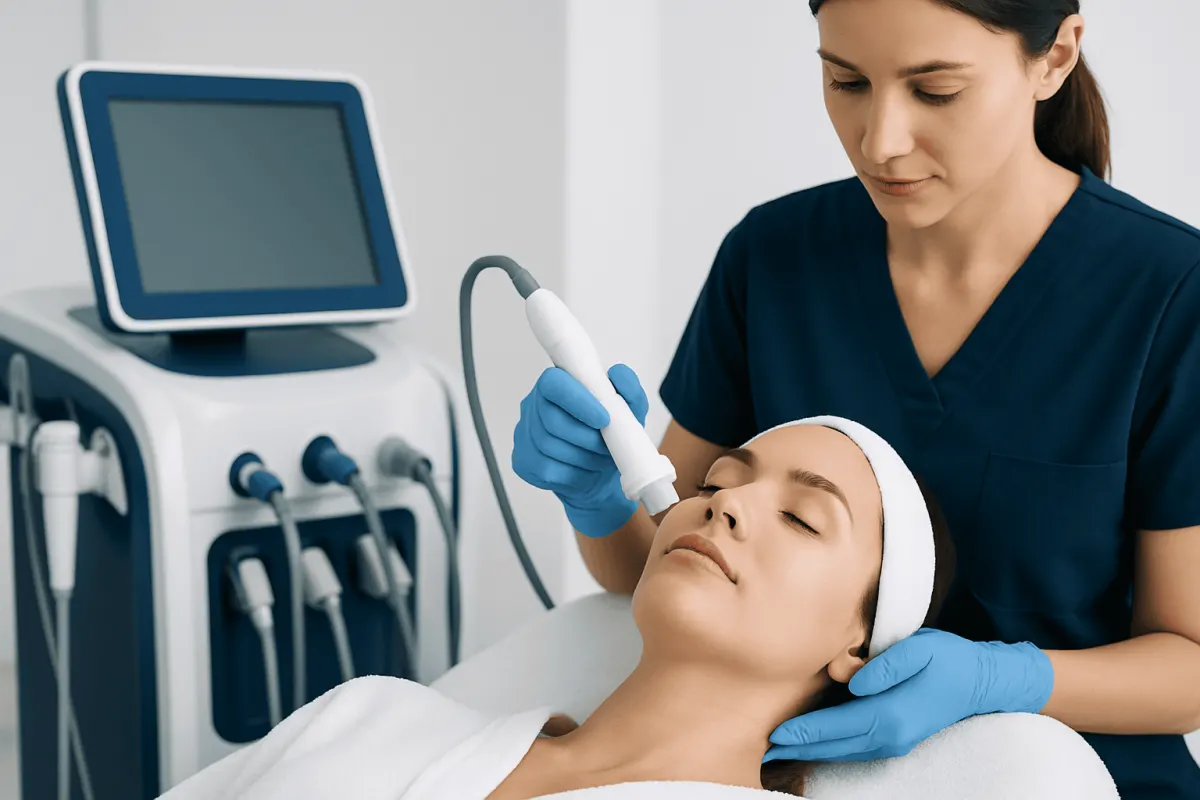
Medical aesthetics includes clinician-led treatments that aim to improve or restore aspects of appearance, such as skin texture, facial volume, wrinkles, scars or body contour. The right option depends on a person’s goals, health, skin type, recovery preferences and understanding of realistic results.
Medical aesthetics: an overview
Medical aesthetics is a broad area of healthcare focused on improving or restoring appearance through treatments performed or supervised by appropriately qualified medical professionals. It may involve skin-focused procedures, injectable treatments, energy-based devices, hair restoration, body-contouring procedures and cosmetic surgery. Some treatments are designed to refresh a feature or address a specific concern, while others make more substantial structural changes.
Medical aesthetic care is different from routine beauty services because it can involve prescription medicines, injections, devices that affect deeper layers of tissue, or surgery. A safe plan starts with a consultation that considers medical history, medications, allergies, previous procedures, skin characteristics and the person’s goals. The clinician should explain expected benefits, limitations, downtime, alternatives and possible complications before treatment.
Results are individual. A successful outcome is not defined by looking like another person or reaching a particular age-related ideal; it is one that is proportionate, medically appropriate and aligned with informed personal preferences. Some people may benefit from treating an underlying skin concern first, such as acne, before considering procedures for scars or uneven texture.
What treatments are included in medical aesthetics?
Non-surgical medical aesthetic treatments commonly include neuromodulator injections for dynamic lines, dermal fillers for selected areas of volume loss or contour change, chemical peels, microneedling, laser and light treatments, and treatments for unwanted hair, pigmentation or visible blood vessels. These options generally have shorter recovery periods than surgery, although they still carry risks and require proper assessment.
Surgical procedures may include eyelid surgery, rhinoplasty, facelift surgery, breast procedures, liposuction, abdominal contouring and procedures after major weight loss. Surgery can create more lasting changes to anatomy but involves incisions, anesthesia considerations, a longer recovery and a different range of potential complications. People considering an operation may discuss options for facelift surgery or other procedures with a board-qualified plastic surgeon.
Not every concern requires a procedure. A clinician may recommend a skin-care routine, medical treatment for a skin condition, lifestyle changes, observation, or referral to another specialist. It is important that patients feel comfortable declining treatment or taking time to consider the information provided.
- Injectables may be appropriate for selected lines, volume changes or muscle activity.
- Laser, light and resurfacing treatments can address selected pigment, texture and scar concerns.
- Surgery may be considered when a person seeks a more significant or durable anatomical change.
- Medical-grade skin care can support skin-barrier health and complement, but not replace, procedural care.
Choosing a procedure and preparing safely

Choosing a medical aesthetic treatment should begin with a clear discussion of the concern the person would like to address. Photographs, skin examination and assessment of facial movement or body anatomy may be part of the consultation. A responsible clinician should avoid promising a particular result and should explain whether treatment is likely to require a series of sessions or ongoing maintenance.
Patients should tell the care team about all medicines, supplements and herbal products, as well as smoking or nicotine use, past bleeding problems, active infections, pregnancy or breastfeeding, a history of cold sores, scarring concerns, and prior fillers or implants. Some treatments may need to be delayed if there is active skin inflammation, an infection, poorly controlled medical illness or a contraindication related to a medicine.
For procedures involving sedation or general anesthesia, preoperative assessment may include blood tests or other investigations when clinically appropriate. The team will provide individualized instructions about eating and drinking, transport home, work leave, activity restrictions and medicines. Patients should only stop prescribed medicines after advice from the clinician managing those medicines.
Recovery, results and realistic expectations
Recovery after medical aesthetics ranges from little or no downtime to several weeks or months of healing. Injectable treatments may cause temporary redness, swelling, tenderness or bruising. Resurfacing treatments can cause redness, peeling or sensitivity while the skin barrier recovers. After surgery, swelling, bruising, discomfort, temporary numbness and reduced activity are common parts of early healing.
The initial appearance is not always the final result. Swelling can temporarily change contour, and scars may take many months to soften and fade. Some treatments work gradually as the skin remodels or collagen production changes, while others have an immediate visible effect that settles as swelling resolves. Follow-up appointments allow the team to assess healing and respond to concerns.
Patients should ask what is normal for their specific procedure, when they can return to work, exercise or makeup, and how long final results may take. They should also understand that aging, sun exposure, weight changes, hormonal changes and lifestyle factors can affect the durability of cosmetic results.
How long do medical aesthetic treatments last?
How long medical aesthetic treatments last depends on the treatment, body area, individual metabolism, skin quality and ongoing lifestyle factors. Some injectable effects may last months, while fillers may persist for months to longer depending on the product and placement. Skin treatments often require a course of sessions and periodic maintenance, whereas surgical results usually last longer but do not stop natural aging.
A clinician can give a more useful estimate after assessing the treatment area and the person’s health and goals. Maintenance should be optional and based on a considered treatment plan, not pressure to pursue repeated procedures.
Aftercare and protecting the result
Aftercare is tailored to the procedure. General guidance often includes following written instructions, keeping appointments, protecting treated skin from sunlight, avoiding smoking and nicotine, eating a balanced diet, staying hydrated and allowing adequate time for rest. Patients should avoid using new or irritating skin products unless their clinician confirms they are suitable.
For many non-surgical skin treatments, clinicians advise gentle cleansing, regular moisturizer and broad-spectrum sunscreen while the skin heals. After injections, it may be necessary to avoid strenuous activity, heat exposure or pressure on the treated area for a limited period. After surgery, patients may need wound care, compression garments, activity limits and assistance at home during the early recovery phase.
What is the aftercare of aesthetic treatments?
Aftercare of aesthetic treatments means following the individualized recovery plan supplied by the treating clinician. It may include wound or skin care, prescribed pain relief or topical products, avoiding sun and strenuous exercise temporarily, and attending follow-up visits. Patients should not pick peeling skin, massage treated areas, or restart exercise and cosmetics unless they have been told it is safe for their specific procedure.
Sun protection is particularly important after many procedures because ultraviolet exposure can worsen pigmentation changes and affect healing. A patient should contact the treating team if symptoms seem to be worsening rather than gradually improving.
Which procedures have the longest recovery?
Recovery difficulty is personal and cannot be ranked reliably for everyone. However, larger operations that combine several areas, involve extensive tissue dissection, or require major changes to the abdominal wall or body contour can have a demanding recovery. Examples can include abdominoplasty, body lift surgery and combined reconstructive or contouring procedures after significant weight loss.
What is the hardest cosmetic surgery to recover from?
Many surgeons consider extensive body-contouring procedures, including abdominoplasty and body lift surgery, among the more demanding cosmetic surgeries to recover from because they can involve pain, limited mobility, drains, compression garments and several weeks of restricted activity. Recovery also depends on the extent of surgery, whether procedures are combined, general health, support at home and whether complications occur.
“Hardest” does not necessarily mean inappropriate. It means the decision should include a careful conversation about recovery needs, time away from normal activities and whether the expected benefit justifies the commitment. People considering abdominoplasty should receive a personalized surgical and recovery plan.
What procedure takes 10 years off your face?
No procedure can reliably or appropriately promise to make every person look 10 years younger. A facelift can improve selected signs of facial and neck aging, such as sagging skin and changes in jawline definition, but outcomes vary with anatomy, skin quality, surgical technique and expectations. It does not change skin texture, pigmentation, facial movement lines or the natural aging process on its own.
For some people, a combination of conservative skin treatments, eyelid surgery, volume restoration or a facelift may be discussed. The most suitable plan should prioritize a natural-looking, balanced outcome rather than a numerical age target.
When to seek medical care
Patients should contact their treating clinician promptly if they have increasing redness, warmth, swelling, drainage, fever, worsening pain, persistent bleeding, a wound opening, or a rash after a medical aesthetic procedure. These symptoms do not always mean a serious problem, but timely advice helps the team assess whether treatment is needed.
Emergency medical assessment is important for trouble breathing, chest pain, fainting, sudden severe headache, severe allergic symptoms, new weakness, confusion, sudden vision changes, severe pain out of proportion to expectations, or skin that becomes pale, bluish, dark or unusually cold after an injection or operation. Patients should not wait for a routine appointment if these symptoms occur.
Acıbadem Health Point’s multidisciplinary specialists and JCI-accredited hospitals diagnose and treat aesthetic concerns for international patients, with treatment planning based on individual clinical assessment. A qualified doctor can also help distinguish cosmetic concerns from skin or health conditions that may need medical care first.
Frequently asked questions
01Are medical aesthetic treatments safe?
Medical aesthetic treatments can be safe when they are appropriately selected, performed by qualified professionals and supported by proper aftercare. However, all procedures have possible side effects and complications, including bruising, infection, scarring, pigment changes or unsatisfactory results. A thorough consultation and transparent discussion of risks are essential.
02Is medical aesthetics the same as plastic surgery?
No. Medical aesthetics includes a wide range of non-surgical and minimally invasive treatments as well as cosmetic surgery. Plastic surgery is a surgical specialty that may include cosmetic procedures and reconstructive operations. The appropriate provider depends on the type and complexity of the planned treatment.
03How long do medical aesthetic treatments last?
Duration varies widely. Many non-surgical treatments require maintenance because their effects gradually lessen or because skin continues to age and change. Surgical procedures can provide longer-lasting anatomical changes, but they do not prevent future age-related changes.
04What is the aftercare of aesthetic treatments?
Aftercare includes following the specific instructions given by the treating team, protecting the skin from sun exposure, avoiding restricted activities and attending follow-up appointments. Requirements differ between injectables, laser treatments and surgery. Patients should contact their clinician if symptoms worsen or seem unusual.
05What is the hardest cosmetic surgery to recover from?
There is no single answer because recovery varies between individuals. Extensive body-contouring procedures, such as abdominoplasty or body lift surgery, are often considered more demanding because they can limit movement and require longer activity restrictions. A surgeon can explain the likely recovery for an individual operation.
06What procedure takes 10 years off your face?
No procedure can guarantee a specific number of years of rejuvenation. A facelift may improve sagging in the lower face and neck for suitable candidates, while other treatments may address skin quality, facial volume or eye-area changes. A personalized assessment is the best way to discuss realistic outcomes.
This article is for general information only and is not a substitute for professional medical advice. Please consult a qualified doctor about your individual situation.
Hair transplant in Turkey — costs, graft counts & a free assessment
JCI-accredited · board-certified surgeons · reply within 24h
Add us as a Preferred Source to see more of our trusted health content across Google Search, AI Overviews and Discover.