Chemical Peels: Types, Benefits, and Skin Recovery

Chemical peels are aesthetic skin treatments that use carefully selected acids or exfoliating solutions to renew the outer layers of the skin. When performed by a qualified professional and supported by proper aftercare, they can improve texture, tone, acne marks, sun damage, and early signs of aging.
Overview
Chemical peels are skin-resurfacing procedures used in aesthetic dermatology to improve the appearance and feel of the skin. A trained clinician applies a chemical solution to the skin, causing controlled exfoliation of selected layers. As the treated skin sheds and heals, new skin may appear smoother, more even in color, and refreshed.
Peels are most often performed on the face, but they may also be used on the neck, chest, hands, or back when appropriate. They can address concerns such as dullness, uneven texture, mild acne, clogged pores, sun-related pigmentation, melasma in selected cases, post-inflammatory discoloration, fine lines, and certain superficial scars. Results depend on the depth of the peel, skin type, the condition being treated, and the patient’s aftercare.
Although the term chemical may sound strong, many peels are gentle and performed routinely in medical aesthetic practice. The key is matching the peel to the patient’s skin and goals. A mild glow treatment before an event is very different from a medical medium-depth peel for pigmentation or deeper textural concerns.
Types of Chemical Peels
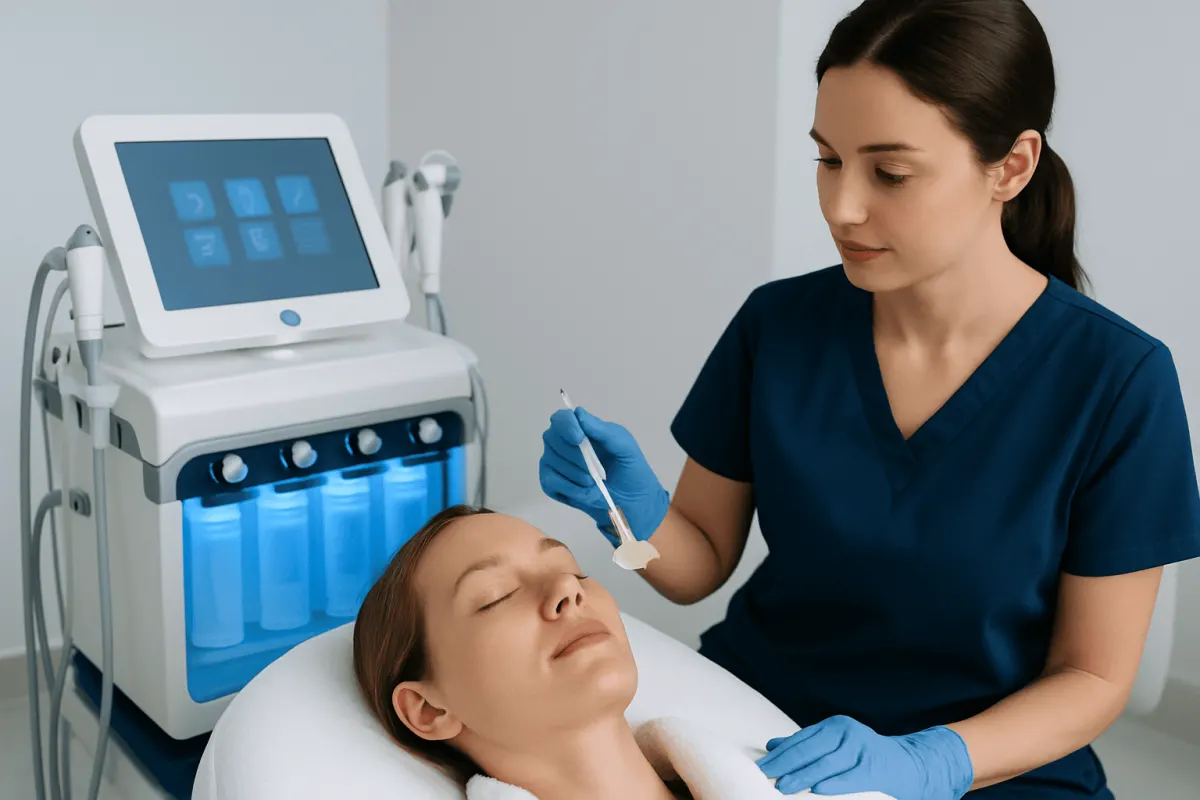
Chemical peels are commonly classified by how deeply they affect the skin. Superficial peels work mainly on the outermost layer of the skin, called the epidermis. They often use ingredients such as alpha hydroxy acids, beta hydroxy acids, mandelic acid, lactic acid, glycolic acid, salicylic acid, or other blended solutions. These peels are usually chosen for mild dullness, uneven tone, oily or acne-prone skin, and maintenance treatments.
Medium-depth peels reach more deeply into the epidermis and upper dermis. Trichloroacetic acid, often called TCA, is one commonly used agent, sometimes in combination with other ingredients. Medium peels may improve more visible sun damage, pigment irregularity, fine lines, and some acne scarring, but they involve more redness, peeling, and downtime than superficial peels.
Deep peels penetrate further into the dermis and are reserved for carefully selected patients with significant photoaging, deeper wrinkles, or certain scars. Phenol-based deep peels are medical procedures requiring careful assessment and monitoring because they have greater risks and a longer recovery period. They are not suitable for everyone and are generally performed by experienced physicians.
Some modern peels are marketed as brightening, acne, anti-aging, or no-downtime peels. These names can be helpful, but they do not replace a professional explanation of the actual ingredients, depth, expected effects, and risks. Patients should ask what peel is being used, why it is recommended, and what recovery will look like.
Benefits and Suitable Candidates

The main benefit of a chemical peel is controlled skin renewal. By removing damaged surface cells and stimulating a healing response, peels can help the skin look brighter and feel smoother. Many patients notice improved radiance after superficial treatments, while a series of peels may provide gradual improvement in texture, breakouts, and discoloration.
Chemical peels may be considered for several common concerns:
- Uneven skin tone, dullness, or rough texture
- Sun spots and mild photoaging
- Fine lines, especially around the mouth and eyes in selected cases
- Acne-prone skin and clogged pores
- Post-acne marks or post-inflammatory hyperpigmentation
- Some superficial scars or texture changes
A good candidate is someone with realistic expectations, a stable skincare routine, and the ability to follow sun protection and aftercare instructions. The best peel is not necessarily the strongest peel. For many patients, especially those with sensitive skin or a higher tendency toward pigmentation, a series of lighter treatments may be safer and more effective than one aggressive session.
Some people require extra caution. Patients with darker skin tones, a history of keloid scarring, active eczema, rosacea flare, cold sores, recent sunburn, current infection, or recent use of certain acne medications may need a modified plan or may be advised to delay treatment. Pregnancy, breastfeeding, immune suppression, and certain medical conditions should also be discussed before any procedure.
Consultation and Skin Preparation
A safe chemical peel begins with a detailed consultation. The clinician reviews the patient’s medical history, current medications, allergies, previous cosmetic procedures, history of cold sores, tendency to scar or develop dark marks, sun exposure, and skincare products. Skin tone, sensitivity, oiliness, active acne, pigmentation pattern, and thickness are also assessed.
Preparation may be recommended for several days or weeks before a peel, depending on the depth and the patient’s skin. This may include gentle cleansing, regular moisturizing, daily broad-spectrum sunscreen, and sometimes prescription or non-prescription products to reduce pigmentation risk or improve peel tolerance. Strong exfoliants, waxing, facial scrubs, and some active ingredients may need to be stopped before treatment.
Patients should tell the clinician if they have used isotretinoin or other acne medicines, had laser resurfacing, used retinoids, or had recent injectables or facial surgery. They should also mention any history of herpes simplex, because some peels may trigger cold sore reactivation and preventive medication may be considered by the doctor when appropriate.
Good preparation helps reduce irritation and uneven results. It also gives the patient a clearer understanding of what to expect, including whether redness and peeling will be mild, moderate, or significant. Informed consent should include benefits, alternatives, limitations, and possible side effects.
What Happens During Treatment
On the day of treatment, the skin is cleansed and degreased so the solution can work evenly. Sensitive areas such as the corners of the nose, lips, or eyes may be protected. The peel solution is then applied in a controlled way, sometimes in layers. Patients may feel tingling, warmth, stinging, or tightness. The sensation varies depending on the peel type and individual skin sensitivity.
Some superficial peels are neutralized after a short time, while others are self-neutralizing and remain on the skin for a specified period. Medium and deep peels require more careful observation of skin changes during the procedure. Cooling, fans, or soothing products may be used to improve comfort. The appointment length depends on the area treated and peel depth.
After the peel, the clinician usually applies soothing care and sunscreen if appropriate. The skin may look pink, shiny, or slightly frosted depending on the peel. Patients receive written aftercare instructions, including what to apply, what to avoid, and when to return for follow-up. For deeper peels, more structured follow-up is important.
Skin Recovery and Aftercare
Recovery depends on peel depth. A superficial peel may cause mild redness, dryness, flaking, or a tight feeling for a few days. Some people return to normal daily activities immediately, although makeup and active skincare may be limited for a short time. Medium peels often lead to more visible peeling, crusting, swelling, and redness for about a week or longer. Deep peels involve a longer healing period and require close medical guidance.
During recovery, the skin barrier is more delicate and sun sensitive. Patients should use a gentle cleanser, moisturizer, and broad-spectrum sunscreen as recommended by the treating clinician. They should avoid picking at peeling skin, using scrubs, applying unapproved acids or retinoids, swimming in pools, using saunas, and exposing the face to intense sun or heat until cleared.
Normal healing may include temporary redness, flaking, dryness, mild swelling, and a darker or bronzed look before peeling. Improvement may be visible once shedding is complete, but collagen remodeling and pigment improvement can take longer. Multiple superficial peels are often scheduled in a series, while medium or deep peels are performed less frequently.
Long-term maintenance is important. Daily sun protection is one of the strongest factors affecting results, especially for pigmentation and photoaging. A clinician may recommend maintenance skincare, periodic lighter peels, or alternative treatments such as lasers, microneedling, or topical therapy depending on the skin concern.
Risks, Safety, and When to See a Specialist
Chemical peels are generally safe when performed on the right patient with the right technique, but side effects can occur. Possible risks include prolonged redness, irritation, acne flare, infection, cold sore reactivation, allergic or irritant reactions, changes in pigmentation, scarring, and uneven results. The risk is higher with deeper peels, excessive sun exposure, poor aftercare, and inappropriate peel selection.
Patients should contact their clinician promptly if they develop increasing pain, spreading redness, pus, fever, severe swelling, blistering beyond what was expected, signs of infection, or rapidly worsening dark patches. They should also seek advice if healing seems delayed or if they are unsure whether a reaction is normal. Early professional guidance can help manage most concerns safely.
Choosing a qualified provider is essential. Chemical peels should be performed or supervised by trained professionals who understand skin anatomy, peel chemistry, pigment risk, wound healing, and emergency care. This is especially important for medium and deep peels, darker skin types, melasma, and patients with medical conditions or complex skin histories.
For international patients seeking assessment and treatment, Acıbadem Health Point offers multidisciplinary specialists and JCI-accredited hospitals that diagnose and manage dermatologic and aesthetic concerns, including chemical peel planning when appropriate. Patients should always have an individualized consultation before deciding on any aesthetic procedure.
Frequently asked questions
01Are chemical peels painful?
Most superficial peels cause tingling, warmth, or mild stinging rather than significant pain. Medium peels can be more uncomfortable, and deep peels may require stronger comfort measures and medical monitoring. The clinician should explain what sensations are expected before treatment begins.
02How long does peeling last after a chemical peel?
After a superficial peel, flaking may last a few days or may be barely noticeable. Medium peels often cause more visible peeling for about a week or sometimes longer. Deep peels have a much longer recovery and require individualized follow-up.
03Can chemical peels help acne?
Certain peels, especially those containing salicylic acid or other acne-focused ingredients, may help reduce clogged pores, oiliness, and mild acne marks. They are usually part of a broader acne treatment plan rather than a stand-alone cure. Active inflamed acne should be evaluated so the safest timing and peel type can be chosen.
04Are chemical peels safe for darker skin tones?
Chemical peels can be used in darker skin tones, but peel choice and preparation must be careful because there is a higher risk of post-inflammatory hyperpigmentation. Superficial or staged treatments may be preferred. A clinician experienced with diverse skin types should assess the patient before treatment.
05How soon will results appear?
Some brightness and smoothness may be noticeable after superficial peeling has settled. Pigmentation, fine lines, and texture changes may improve gradually over a series of treatments or over weeks as the skin heals. Results vary based on peel depth, skin condition, and aftercare.
06What should be avoided after a chemical peel?
Patients should avoid picking or rubbing the skin, direct sun exposure, tanning, scrubs, waxing, strong acids, retinoids, and unapproved active products until the clinician says they are safe. Heat, saunas, and vigorous exercise may also be restricted briefly, especially after stronger peels. Gentle skincare and sunscreen are central to recovery.
07How often can chemical peels be done?
The interval depends on the type and depth of peel, the skin’s response, and the treatment goal. Superficial peels may be repeated in a series, while medium and deep peels require longer spacing and closer supervision. The treating clinician should set a safe schedule rather than using a one-size-fits-all plan.
This article is for general information only and is not a substitute for professional medical advice. Please consult a qualified doctor about your individual situation.
Explore treatments in Turkey — costs, top hospitals & a free quote
JCI-accredited · board-certified surgeons · reply within 24h
Add us as a Preferred Source to see more of our trusted health content across Google Search, AI Overviews and Discover.