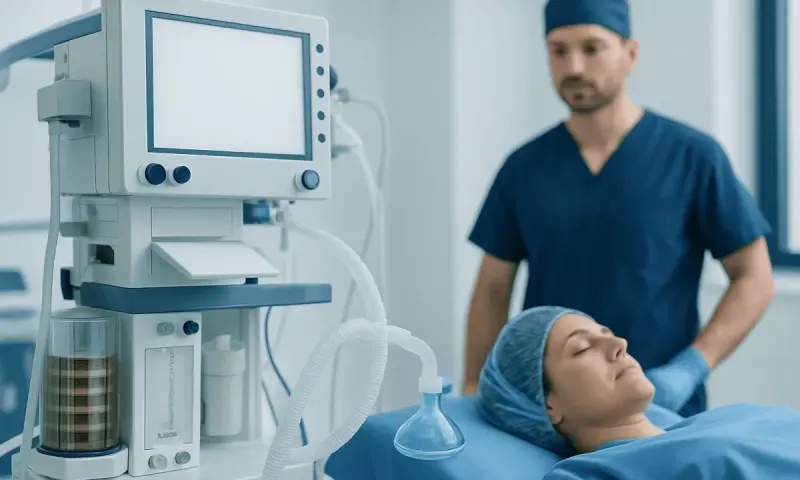
Liposuction Side Effects: Swelling, Bruising and More

Liposuction side effects are usually temporary and include swelling, bruising, soreness, fluid drainage and altered skin sensation. Although liposuction can be safe when performed by an appropriately qualified surgeon in an accredited setting, it is still surgery and has important risks that should be understood before treatment.
Overview: liposuction side effects and safety
Liposuction is a surgical body-contouring procedure that removes localized deposits of fat through a thin tube called a cannula. It is commonly considered for areas such as the abdomen, waist, hips, thighs, upper arms, back, chin or neck when these areas do not respond as expected to diet and exercise. It is not designed for major weight loss, and it does not treat obesity, cellulite or loose skin.
The most common liposuction side effects are swelling, bruising, tenderness, temporary numbness and small amounts of fluid drainage from incision sites. These effects are expected during healing and usually settle progressively. Liposuction safety and efficacy depend on selecting an appropriate candidate, limiting treatment to a safe extent, using suitable anesthesia and following recovery guidance closely.
Less common liposuction risks and complications include contour irregularities, persistent changes in sensation, infection, bleeding, blood clots and reactions related to anesthesia. A consultation with a qualified plastic surgeon should include a discussion of personal health factors, the planned treatment areas, alternatives and the possible need for revision treatment.
How liposuction works and who may be a candidate
During liposuction, a surgeon makes small incisions and inserts a cannula beneath the skin. A solution may be introduced to reduce bleeding and help loosen fat, after which the fat is removed with controlled suction. Techniques vary and may include traditional suction-assisted liposuction, ultrasound-assisted or laser-assisted methods. The best technique depends on the treatment area, skin quality, medical history and surgeon assessment.
Suitable candidates are generally adults who are close to a stable, sustainable body weight, have localized fat deposits and have skin with enough elasticity to adapt after fat removal. They should be in reasonably good general health, understand the limitations of surgery and be prepared to maintain healthy habits afterward. Smoking and nicotine use can impair wound healing, so a surgeon may ask patients to stop before and after surgery.
People with uncontrolled medical conditions, significant heart or lung disease, bleeding disorders, active infection, certain medication needs or unrealistic expectations may need additional evaluation or may be advised against surgery. A discussion of medical history, previous operations, allergies, medicines, supplements and pregnancy plans helps make treatment planning safer.
What happens during the procedure and recovery timeline

Liposuction may be performed using local anesthesia with sedation or general anesthesia, depending on the areas treated and the scale of the procedure. Before surgery, the surgeon marks the planned contouring areas. After anesthesia is provided, small incisions are made, fat is loosened and removed, and the incisions are closed or left briefly open for drainage when appropriate. A compression garment is commonly applied to reduce swelling and support the treated area.
In the first several days, patients can expect soreness, swelling, bruising and some leakage of anesthetic fluid from the incision sites. Walking as advised is important because it supports circulation and can lower the risk of blood clots. Most people need time away from demanding work and should avoid strenuous exercise, heavy lifting and activities that could strain healing tissues until cleared by their surgical team.
Swelling often changes from week to week. Early contour changes may be visible within a few weeks, but final results commonly take several months as swelling resolves and tissues settle. Temporary numbness, firmness or unevenness can occur during this period. Follow-up appointments allow the surgeon to check healing, address concerns and advise when normal activity can be resumed.
Liposuction risks, side effects and possible complications
Common liposuction side effects include pain or tenderness, bruising, swelling, numbness, itching during healing, fatigue and temporary changes in skin color. Small scars remain at incision sites, although surgeons place them as discreetly as possible. Compression garments can feel restrictive, but they may help manage swelling and support the new contour during early recovery.
Some liposuction dangers and side effects can be longer-lasting. These include uneven or wavy contours, asymmetry, skin laxity, persistent numbness, changes in pigmentation, thickened scars and fluid collections called seromas. Some people may need additional treatment or revision surgery if healing leaves an unsatisfactory contour. Removing fat does not always tighten skin, particularly where skin elasticity is reduced.
Rare but serious complications include significant bleeding, infection, deep vein thrombosis, pulmonary embolism, injury to deeper tissues, anesthesia complications, fluid overload or fluid imbalance, and fat embolism. The risk may increase when very large volumes are removed, multiple procedures are combined, surgery is performed in an inappropriate setting or important medical conditions are not well controlled. Choosing a qualified surgical team and following pre- and post-operative instructions are central parts of risk reduction.
- Discuss all medicines, supplements, allergies and health conditions before surgery.
- Follow instructions about fasting, smoking cessation, compression garments and activity.
- Arrange responsible support after anesthesia and attend all planned follow-up visits.
- Contact the surgical team promptly if symptoms seem to be worsening rather than improving.
Is liposuction a high risk surgery?
Liposuction is not automatically considered high risk for every patient, but it is a real surgical procedure with potentially serious complications. For a medically suitable person having a carefully planned procedure in an accredited facility, the likelihood of major complications is generally low. However, risk is individual and cannot be reduced to a single label or number.
The level of risk is affected by the amount of fat being removed, the number of areas treated, whether other operations are performed at the same time, the type of anesthesia, smoking status, body weight, age and underlying health conditions. Prior blood clots, heart disease, lung disease, diabetes, sleep apnea and medications that affect bleeding may require particular attention.
A patient should feel comfortable asking who will provide anesthesia, where the procedure will take place, how emergencies are managed and what recovery support is available. An experienced surgeon should explain both expected effects and uncommon but serious liposuction risks and complications in clear terms before consent is given.
What happens 10 years after liposuction?
Ten years after liposuction, the fat cells removed from treated areas do not usually grow back. However, the body still contains fat cells in the treated and untreated areas. If a person gains weight, remaining fat cells can enlarge, which may change body shape and reduce the visible contrast created by surgery.
Liposuction side effects long term may include small scars, altered skin sensation or contour irregularities in a minority of patients. Many early changes, such as swelling and numbness, improve during the first months after surgery, but persistent concerns should be assessed by a surgeon. Aging, hormonal changes, pregnancy and shifts in weight can also naturally change the body over time.
Long-term satisfaction is usually supported by stable weight, regular physical activity, adequate nutrition and realistic expectations. Liposuction removes a localized fat deposit; it does not prevent future weight gain or replace medical care for metabolic health concerns.
What do I wish I knew before liposuction?
Before liposuction, many patients benefit from knowing that recovery is not immediate. The body may look swollen, bruised or uneven at first, and visible improvement develops gradually. Compression garments, follow-up visits and temporary activity limits are part of the process rather than signs that something has gone wrong.
It is also important to understand that liposuction improves contour rather than creating an entirely different body shape. Results are influenced by skin elasticity, natural anatomy, the amount and location of fat, healing response and later weight changes. Photographs shared during consultation should be understood as examples, not promises of an identical outcome.
A careful consultation should cover scars, anesthesia, recovery support, work and travel planning, and the possibility of asymmetry or revision. Patients should also discuss emotional expectations and ensure that the decision is their own. If there is uncertainty, it is reasonable to take more time, seek another qualified opinion or consider non-surgical approaches first.
What is the safest procedure to remove belly fat?
There is no single safest procedure to remove belly fat for everyone. The safest choice depends on whether the goal is improved health, a smaller waist measurement or contouring of a localized abdominal fat deposit. For overall health and visceral fat reduction, gradual weight management through nutrition, physical activity, sleep, stress support and clinician-guided treatment when needed is generally the first approach.
For a person at a stable weight with a localized area of subcutaneous abdominal fat, liposuction may be considered after medical evaluation. It does not remove visceral fat around internal organs and is not a treatment for obesity. People seeking substantial weight loss or treatment for obesity-related conditions may benefit from discussing comprehensive options, including weight-loss surgery, with an appropriate specialist.
Non-surgical body-contouring treatments may suit some people, but they can have more modest effects and are not risk-free. The safest approach is a personalized one: a qualified clinician should assess health, body composition, skin quality, goals and the likely benefit of each option before recommending treatment.
When to seek medical care
Patients should contact their surgical team promptly if they have worsening pain, increasing redness or warmth, foul-smelling drainage, fever, opening of an incision, persistent vomiting or swelling that becomes suddenly more pronounced. These symptoms do not always mean a serious complication, but they need timely assessment.
Emergency medical care is needed for chest pain, shortness of breath, fainting, confusion, coughing blood, a racing heartbeat, one-sided leg swelling or severe pain that is not controlled as directed. These may be signs of a rare but urgent complication such as a blood clot, pulmonary embolism, significant bleeding or a severe reaction.
For international patients, Acıbadem Health Point’s multidisciplinary specialists and JCI-accredited hospitals can assess suitability for liposuction and provide surgical care and follow-up planning. A qualified doctor can also advise whether another approach would better match an individual’s health needs and goals.
Frequently asked questions
01How long do liposuction side effects last?
Bruising and soreness often improve over the first few weeks, while swelling can take several months to settle fully. Temporary numbness or firmness may also improve gradually over time. Recovery differs by treatment area, procedure extent and individual healing.
02Can liposuction cause permanent damage?
Most people heal without permanent problems, but long-lasting effects can occur. These may include scars, persistent numbness, skin texture changes or contour irregularities. Rare serious complications can also occur, which is why careful screening and accredited surgical care matter.
03Does liposuction permanently remove fat?
Liposuction permanently removes some fat cells from the treated area. Remaining fat cells can still enlarge if weight increases, and untreated areas may also store fat. Maintaining a stable weight helps preserve the contouring result.
04Can liposuction remove visceral belly fat?
No. Liposuction removes subcutaneous fat, which lies beneath the skin. It does not remove visceral fat located deeper in the abdomen around internal organs, which is more closely linked with metabolic health risks.
05How can a person reduce liposuction risks?
They can choose an appropriately qualified surgeon, disclose their full medical history and follow all pre- and post-operative instructions. Avoiding nicotine, arranging recovery support, attending follow-up visits and reporting concerning symptoms early are also important. The surgeon should tailor the plan to the person’s health and treatment goals.
06Will skin tighten after liposuction?
Skin may retract to some degree after fat removal, particularly in people with good elasticity. However, liposuction does not reliably correct loose or markedly stretched skin. A consultation can help determine whether liposuction alone is likely to meet the person’s contouring goals.
This article is for general information only and is not a substitute for professional medical advice. Please consult a qualified doctor about your individual situation.
Medical weight-loss options in Turkey — costs & eligibility
JCI-accredited · board-certified surgeons · reply within 24h
Add us as a Preferred Source to see more of our trusted health content across Google Search, AI Overviews and Discover.