Rehabilitation After Injury or Surgery: Recovery Timeline and Milestones
Rehabilitation after injury or surgery is a structured process that helps a person regain strength, mobility, function, and confidence. Recovery timelines vary, but clear milestones and guided therapy can support safer, steadier progress.
Overview of rehabilitation after injury or surgery
Rehabilitation after injury or surgery is a planned process that supports healing and helps a person return to daily life as safely as possible. It may begin soon after an operation, fracture, sports injury, joint problem, or other medical event that affects movement, strength, or independence. The goal is not only to reduce pain, but also to restore function in a gradual, practical way.
Rehabilitation can include physical therapy, occupational therapy, supervised exercise, pain management, education, and home-based strategies. Some people need only a short period of guidance, while others benefit from a longer program. The plan depends on what part of the body was affected, how severe the injury was, and how the person responds over time.
Recovery is rarely identical from one person to another. Two people with the same operation may heal at different speeds because of age, fitness level, underlying health conditions, nutrition, sleep, and activity before the injury. For this reason, a rehabilitation timeline is best understood as a general guide rather than a fixed schedule.
Typical recovery timeline and phases
Most rehabilitation programs move through phases. In the early phase, the main priorities are protecting the healing area, controlling pain and swelling, and preventing stiffness or complications. Depending on the condition, this may involve rest, bracing, assistive devices, gentle movements, breathing exercises, or carefully supervised walking.
The next phase often focuses on improving range of motion, flexibility, and basic strength. A therapist may introduce stretching, balance work, gait training, or low-impact exercises. As healing continues, the program usually progresses toward endurance, coordination, and task-specific training such as climbing stairs, dressing, reaching, lifting, or returning to work and sport.
Milestones are more helpful than exact dates. A person may be ready to move forward when pain is manageable, swelling is improving, wounds are healing well, and certain movements can be done safely. Some recoveries take weeks, while others take several months, especially after major orthopedic procedures, nerve injuries, or complex trauma.
- Early phase: protection, pain control, swelling reduction, gentle movement
- Middle phase: mobility, flexibility, basic strength, confidence with daily tasks
- Later phase: endurance, balance, coordination, return to work, exercise, or sport
Common rehabilitation milestones
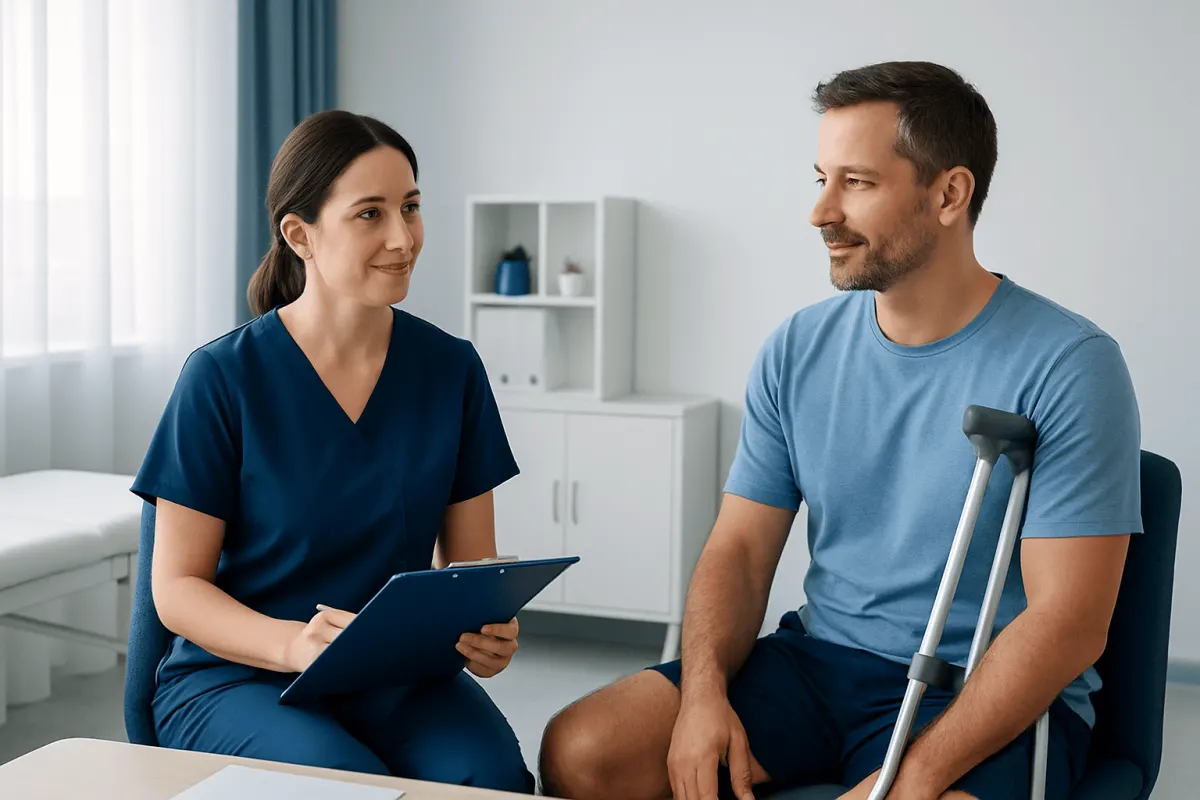
Milestones help patients and clinicians track meaningful progress. These are usually based on function rather than a calendar alone. For example, walking safely with less support, bending a joint more comfortably, standing longer, or getting in and out of bed independently may all be signs that recovery is moving in the right direction.
After surgery, milestones may also include wound healing, improved joint motion, better muscle control, and reduced need for pain medicine. Following an injury, important milestones may include stable weight-bearing, improved grip, return of balance, or being able to perform personal care without help. In many cases, small gains add up over time.
Emotional progress matters too. Feeling more confident, sleeping better, and being less fearful of movement can support physical recovery. A therapist may use tests or questionnaires to monitor pain, strength, walking speed, or ability to perform everyday activities. These measures can show progress even when healing feels slow.
What affects recovery speed
Several factors influence how quickly rehabilitation progresses. The type of injury or surgery is one of the most important. A simple soft tissue injury may improve relatively quickly, while recovery from a complex fracture, ligament reconstruction, spinal procedure, or joint replacement can take much longer. Healing tissues need time, and pushing too hard too soon can sometimes delay progress.
General health also plays a major role. Conditions such as diabetes, poor circulation, osteoporosis, lung disease, or nerve problems may affect healing and endurance. Smoking, poor nutrition, dehydration, and inadequate sleep can also slow recovery. By contrast, good nutritional support, careful medical follow-up, and consistent therapy often help improve outcomes.
Adherence to the rehabilitation plan matters as well. People who attend therapy sessions, perform home exercises correctly, and follow restrictions on movement or weight-bearing are often better able to progress safely. Support from family or caregivers can also be valuable, especially when daily activities are temporarily limited.
In some cases, rehabilitation is part of recovery from procedures such as knee replacement, hip replacement, or physical therapy and rehabilitation programs. For people recovering from conditions such as stroke, rehabilitation may involve a broader team and a longer timeline focused on mobility, communication, and independence.
Diagnosis, assessment, and planning rehabilitation
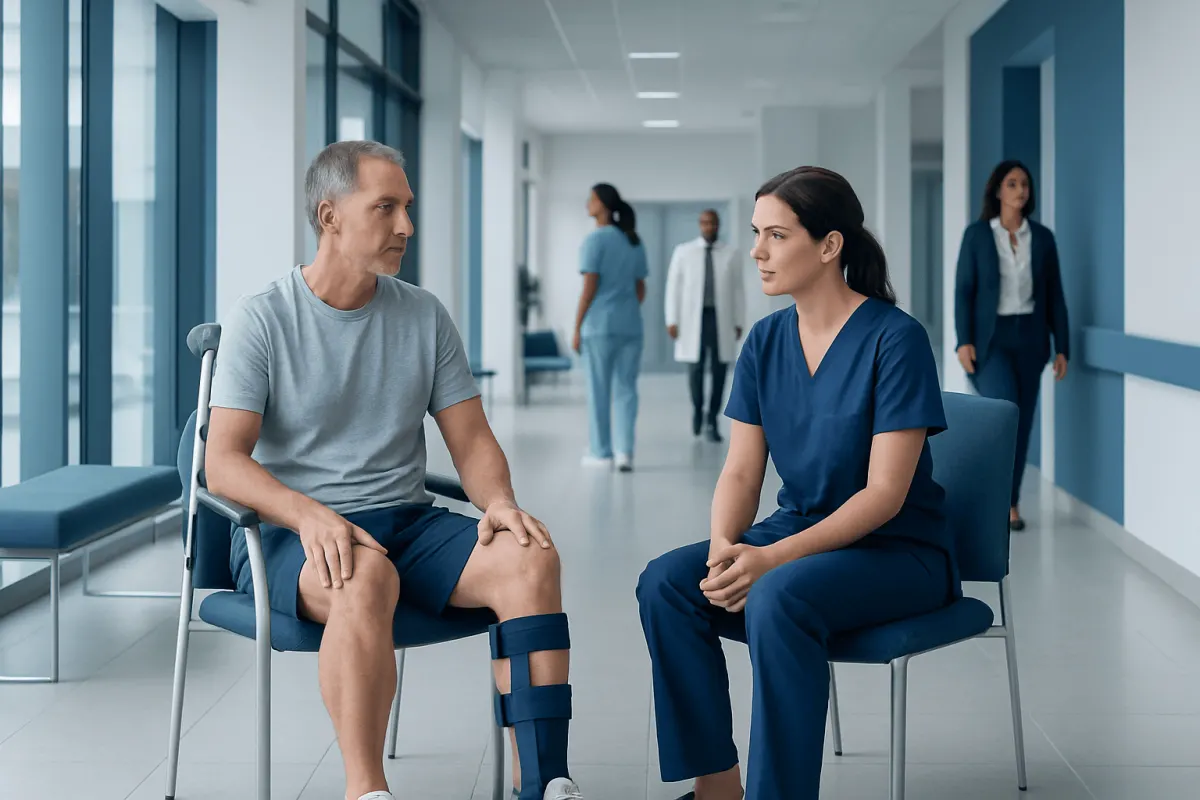
Before a rehabilitation plan begins, the medical team assesses the injury, surgery, symptoms, and current function. This may include a physical examination, imaging results, surgical notes, pain assessment, and observation of how the person walks, moves, or performs daily tasks. The purpose is to understand both the medical problem and the practical challenges it creates.
A rehabilitation specialist or therapist may measure joint range of motion, muscle strength, posture, balance, sensation, swelling, and endurance. They also ask about work demands, exercise habits, home environment, and personal goals. Someone recovering from hand surgery, for example, may need a different plan from someone aiming to return to running after a knee injury.
Treatment goals are usually set in stages. Early goals may include controlling pain, protecting healing tissues, and managing basic self-care. Later goals may focus on driving, returning to work, carrying groceries, or going back to sport. A clear plan helps the patient understand what to expect and how progress will be monitored.
Treatment options in rehabilitation
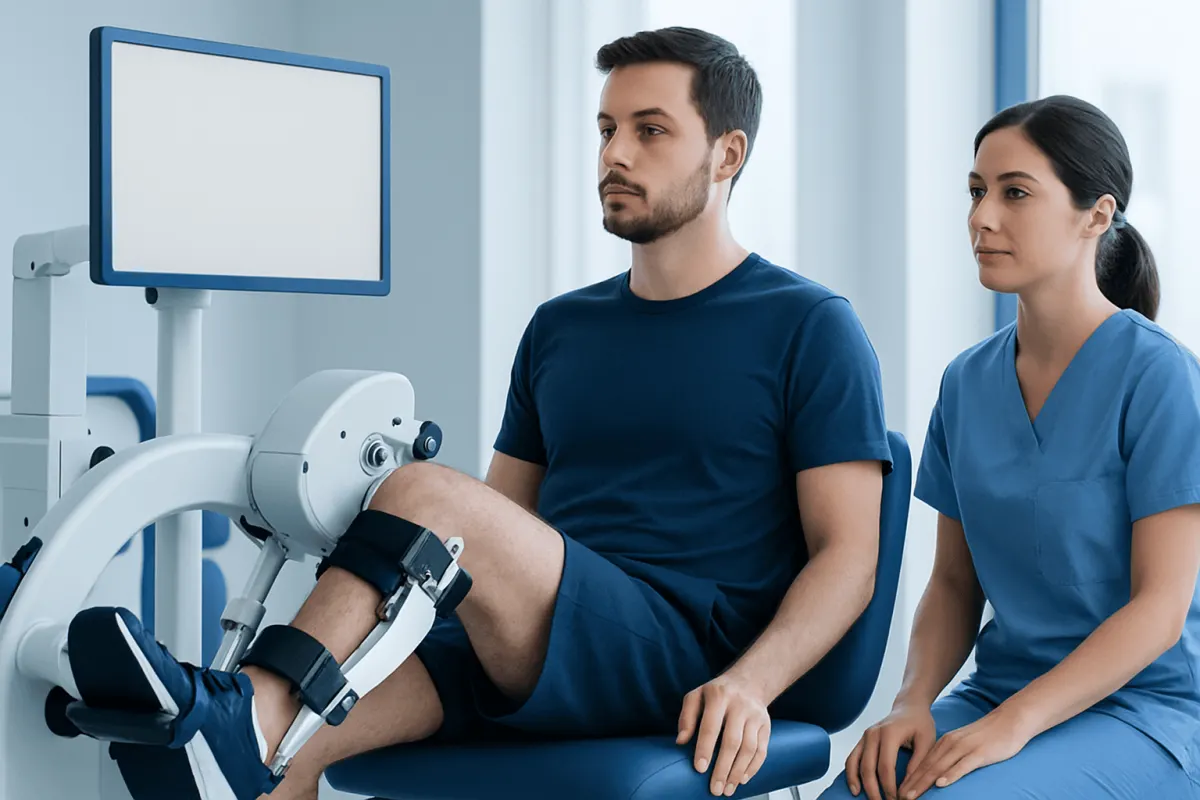
Rehabilitation often combines several approaches. Physical therapy is commonly used to improve movement, strength, flexibility, balance, and walking. Occupational therapy may help with dressing, bathing, cooking, work tasks, hand function, or adapting the home environment. Some patients also benefit from speech and language therapy, especially after neurologic conditions.
Exercise is a key part of most programs, but it should match the stage of healing. Early exercises may be gentle and designed to maintain circulation or prevent stiffness. Later exercises usually become more demanding and may include resistance training, functional practice, and sport-specific drills. Pain-relief methods such as ice, heat, compression, elevation, or other physician-guided strategies can also support participation.
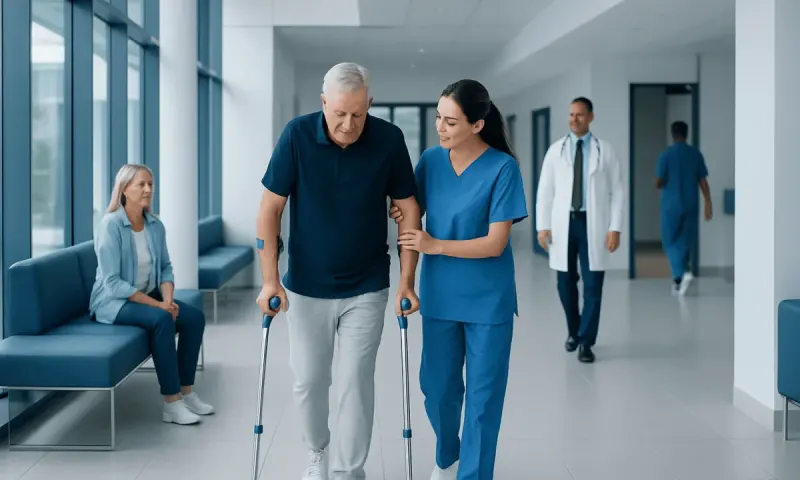
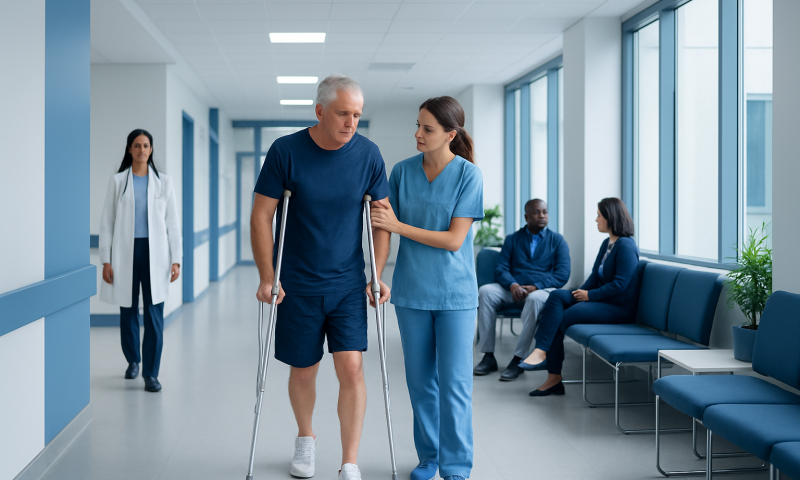
Assistive devices may be recommended for safety and independence. These can include crutches, walkers, canes, braces, slings, or orthotics. In some situations, rehabilitation is coordinated with treatment for related problems such as osteoarthritis or after procedures like ACL surgery. The exact combination depends on the diagnosis and the person’s goals.
Near the later stages of care, the focus shifts toward maintaining long-term function and preventing reinjury. If recovery is slower than expected, the team may reassess for complications such as stiffness, nerve irritation, poor healing, or incorrect exercise technique. Acıbadem Health Point’s multidisciplinary specialists and JCI-accredited hospitals also provide diagnosis, rehabilitation planning, and aftercare for international patients when needed.
Self-care and tips for a smoother recovery
Home care plays an important part in rehabilitation after injury or surgery. Patients are often advised to follow their exercise plan consistently, protect the healing area, and avoid activities that the medical team has restricted. Good habits can support recovery, even when progress feels gradual.
Helpful self-care measures may include pacing activity, taking breaks, eating balanced meals with enough protein, drinking enough fluids, and sleeping regularly. It is also important to use braces, slings, or walking aids correctly if they have been prescribed. Good wound care and hand hygiene can be especially important after surgery.
- Do home exercises exactly as instructed
- Increase activity gradually rather than all at once
- Keep follow-up appointments and therapy sessions
- Track pain, swelling, and function in a simple journal
- Ask for guidance before returning to driving, sport, or heavy lifting
Patience is often necessary. Some days feel better than others, and mild soreness can happen as activity increases. Still, rehabilitation should move forward in a controlled way. If a new exercise causes sharp pain, marked swelling, or loss of function, it is wise to pause and check with a qualified clinician.
When to see a doctor during recovery
Regular follow-up is a normal part of rehabilitation, but some symptoms should be reviewed promptly. A person should contact a doctor if pain becomes suddenly worse, swelling increases significantly, or movement becomes more limited rather than improving. New numbness, weakness, wound drainage, fever, or shortness of breath also need medical attention.
It is also sensible to seek advice if recovery seems to stall for a prolonged period. Sometimes progress is delayed by stiffness, poor technique, fear of movement, or an unrecognized complication. Early reassessment can help adjust the rehabilitation plan and prevent frustration.
A doctor or therapist can also guide safe return to work, exercise, travel, and sports. This is especially important after major surgery or injuries that affect balance, bones, joints, the spine, or the nervous system. With the right support, many people can make steady gains and return to meaningful daily activities over time.
Frequently asked questions
01How long does rehabilitation after injury or surgery usually take?
The timeline depends on the type of injury or operation, the person's general health, and how rehabilitation progresses. Some people improve in a few weeks, while others need several months of therapy and follow-up. Recovery is usually better measured by milestones in function than by exact dates.
02What are the first goals of rehabilitation?
The first goals are usually to protect healing tissues, control pain and swelling, and begin safe movement. Early rehabilitation also aims to prevent stiffness, weakness, and loss of independence. These first steps help prepare the body for later strengthening and functional training.
03Is pain during rehabilitation normal?
Mild discomfort or temporary soreness can be common as activity increases, especially during exercises that challenge weak or stiff areas. However, severe pain, sudden worsening, or pain with new swelling or loss of movement should be reviewed by a doctor or therapist. Exercises should be adjusted to support healing, not overwhelm it.
04What if recovery feels slower than expected?
Recovery does not always follow a straight line, and healing speed can vary widely. A slower pace does not automatically mean something is wrong, but it may be helpful to reassess the exercise plan, pain control, sleep, nutrition, and any medical conditions that may affect healing. A qualified clinician can decide whether the program needs to be changed.
05Do all patients need physical therapy after surgery?
Not every patient needs the same type or duration of therapy, but many benefit from guided rehabilitation. The need depends on the surgery, the body area involved, and the person's baseline function and goals. A doctor can advise whether formal physical or occupational therapy is appropriate.
06When can someone return to work or sports?
Return to work or sports should be based on healing, strength, mobility, and the specific physical demands involved. Some people can resume light duties earlier, while heavy labor or competitive sport may require more time and testing. Medical clearance is important to reduce the risk of reinjury.
This article is for general information only and is not a substitute for professional medical advice. Please consult a qualified doctor about your individual situation.
Joint and spine care in Turkey — expert assessment & treatment
JCI-accredited · board-certified surgeons · reply within 24h
Add us as a Preferred Source to see more of our trusted health content across Google Search, AI Overviews and Discover.