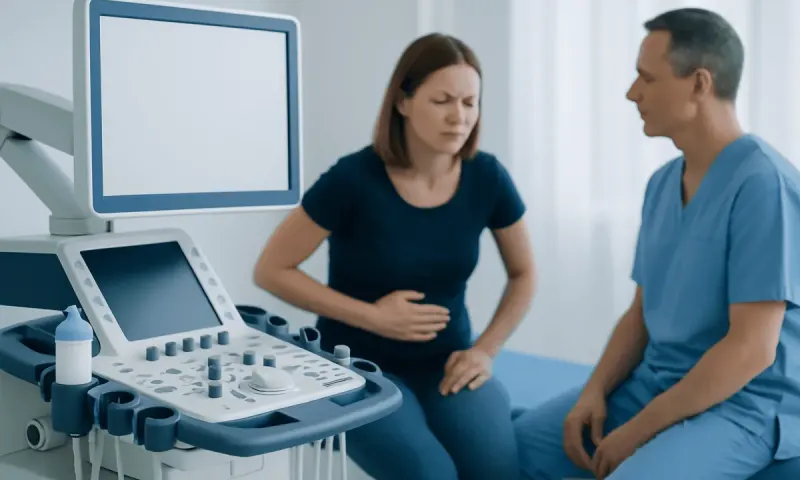
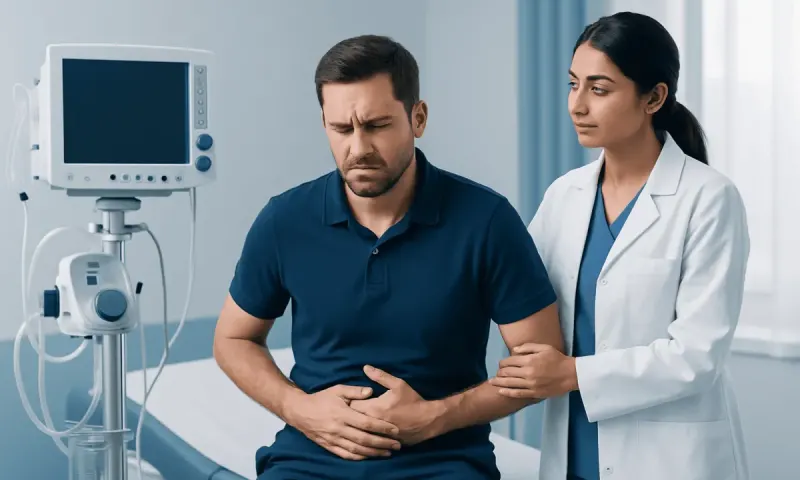
Lower Stomach Cramps: Causes and Treatment

Key Takeaways
- Lower stomach cramps can be caused by mild issues such as gas or constipation, but they may also reflect infection, inflammation, or other organ-related problems.
- The location, timing, and associated symptoms like fever, vomiting, bowel changes, or urinary discomfort help narrow the cause.
- Persistent, severe, or one-sided pain deserves medical assessment, especially if it comes with blood in stool or urine, pregnancy, or dizziness.
- Diagnosis may involve a physical exam, urine tests, blood tests, imaging, or sometimes pelvic or gastrointestinal evaluation.
- Supportive care can help some mild cramps, but recurrent pain should not be treated as a routine inconvenience.
Lower stomach cramps are a common symptom, not a diagnosis, and they can come from the digestive tract, urinary system, or pelvic organs. Understanding the pattern of pain, related symptoms, and warning signs helps people know when home care is reasonable and when medical evaluation is needed.
Overview
Lower stomach cramps usually describe pain or tightening felt below the belly button. People often use the phrase for a wide range of sensations: a brief wave of discomfort after eating, cramping that comes and goes with bowel movements, or a deeper ache in the lower abdomen or pelvis.
Because several body systems share this area, the same symptom can point to very different causes. Digestive irritation, constipation, bladder infection, menstrual pain, ovarian conditions, and appendicitis can all begin with lower abdominal cramping. That is why the pattern of pain matters as much as the pain itself.
For international patients, this symptom can feel especially confusing when travel, diet changes, stress, or long flights add temporary digestive upset. Even then, it is useful to watch whether the cramps settle quickly or continue to return, since ongoing pain is more likely to need a clinician’s evaluation.
Symptoms

Lower stomach cramps may feel sharp, dull, twisting, colicky, or like a steady pressure. Some people notice that the pain comes in waves, while others describe a constant soreness that worsens with movement, eating, urination, or bowel activity.
Clues that travel with the cramp often point toward the source. Gas and constipation may cause bloating and relief after passing stool or gas. A bladder or kidney issue may bring burning urination, increased frequency, or back pain. In women, pelvic cramping may coincide with the menstrual cycle, ovulation, or vaginal symptoms.
- Bloating, nausea, or changes in appetite
- Diarrhea or constipation
- Burning or frequent urination
- Fever or chills
- Vaginal bleeding, discharge, or missed periods
- Blood in stool or urine
Severe pain, faintness, persistent vomiting, or a hard, swollen abdomen are not typical “everyday cramps” and should be assessed promptly.
Causes & Risk Factors

Many lower stomach cramps are related to the gastrointestinal tract. Gas, indigestion, constipation, food intolerance, viral gastroenteritis, and irritable bowel syndrome are frequent explanations. These problems often produce cramping because the intestines contract more intensely or move stool and gas less efficiently.
Urinary and reproductive causes are also common. A urinary tract infection can cause cramping low in the abdomen with burning urination. In women, menstrual cramps, endometriosis, ovarian cysts, pelvic inflammatory disease, and ectopic pregnancy can all present with lower abdominal pain. In men, prostate or urinary problems may occasionally create similar discomfort.
Some risk factors make cramps more likely or more concerning. Recent travel, dehydration, abrupt diet changes, stress, and low fiber intake can affect digestion. A history of kidney stones, abdominal surgery, Ulcerative Colitis, and Flares" class="ahp-ilk">inflammatory bowel disease, urinary infections, or gynecologic conditions may also shape the cause. Certain pain medicines and antibiotics can irritate the stomach or alter bowel habits.
Diagnosis
Diagnosis begins with a careful history. A doctor will usually ask where the pain is located, when it started, whether it comes and goes, and what makes it better or worse. Details about bowel habits, urinary symptoms, menstrual timing, sexual history, medications, and recent travel can be especially helpful.
A physical examination may focus on the abdomen, pelvis, and back. Depending on the findings, a clinician may order urine testing, blood tests, pregnancy testing when relevant, stool testing, or imaging such as ultrasound or CT scan. These tests help distinguish a simple digestive upset from a urinary, gynecologic, or surgical problem.
Not every person needs every test. The workup is tailored to the suspected cause and the urgency of the symptoms. For people traveling for care, this approach can be particularly efficient when an organized team coordinates evaluation, imaging, and follow-up across specialties.
Treatment Options
Treatment depends entirely on the underlying cause. Mild cramping from gas, constipation, or a short-lived stomach bug may improve with fluids, rest, and dietary adjustments. A urinary infection may require prescription antibiotics. Conditions such as appendicitis, gallbladder disease, ovarian torsion, or bowel obstruction can require urgent procedures.
Doctors may recommend supportive measures such as gentle hydration, temporary bland foods, heat to the abdomen, and avoidance of trigger foods while symptoms are settling. If pain is due to constipation, a clinician may suggest a bowel regimen. If inflammation, infection, or a chronic digestive disorder is suspected, treatment may involve targeted medication and follow-up testing.
For people with ongoing or recurrent symptoms, treatment often includes both symptom control and a search for the reason the cramps keep returning. That may mean seeing a gastroenterologist, gynecologist, urologist, or general surgeon, depending on the pattern of pain and test results.
Prevention & Self-care
Self-care is most useful when symptoms are mild and there are no warning signs. Drinking enough water, eating slowly, and avoiding large heavy meals can reduce digestive cramping. A regular fiber intake may help prevent constipation, though fiber should be increased gradually to avoid more bloating.
Keeping a simple symptom log can be surprisingly helpful. Note when the cramps happen, what was eaten, whether there was bowel movement relief, and whether the pain relates to the menstrual cycle or urination. For someone arranging care from another country, this record can make an online or in-person consultation more productive and can help a specialist interpret the pattern quickly.
- Maintain regular hydration, especially during travel or hot weather
- Avoid foods that repeatedly trigger bloating or cramps
- Use medications only as directed by a clinician
- Rest if exercise or strain worsens the pain
- Seek timely care if symptoms are recurrent or changing
It is also sensible to avoid assuming all lower abdominal cramps are “just digestion,” particularly when they are new, one-sided, or out of proportion to prior episodes.
When to See a Doctor
A medical evaluation is appropriate if lower stomach cramps last more than a short time, keep returning, or interfere with daily activities. It is especially important to seek care if the pain is severe, localized to one side, or accompanied by fever, vomiting, fainting, chest discomfort, blood in stool or urine, or a swollen abdomen.
Women should seek prompt assessment for possible pregnancy-related pain, unusually heavy bleeding, or pelvic pain with discharge. Men should not ignore lower abdominal pain with urinary symptoms or pain that radiates to the groin or back. Children, older adults, and anyone with a weakened immune system often need earlier evaluation because symptoms can become serious more quickly.
Acibadem Health Point’s multidisciplinary specialists and JCI-accredited hospitals can diagnose and treat lower abdominal pain for international patients, with coordinated care when more than one cause is possible. If a traveler’s symptoms start before a trip or continue after arrival, early communication with a doctor can help determine the safest next step.
Frequently asked questions
01What are the most common causes of lower stomach cramps?
Common causes include gas, constipation, indigestion, and stomach infections. In other cases, the pain may come from the urinary tract or, in women, the uterus or ovaries. The timing and associated symptoms usually help narrow the cause.
02When are lower stomach cramps an emergency?
They need urgent assessment if they are severe, sudden, one-sided, or accompanied by fainting, fever, repeated vomiting, or a hard swollen abdomen. Blood in the stool or urine is also a reason to seek prompt medical care. If pregnancy is possible, pelvic pain should be evaluated quickly.
03Can stress cause lower abdominal cramps?
Stress can affect the gut and make cramping, bloating, and bowel changes more noticeable. It is less likely to be the only explanation if the pain is new, persistent, or severe. A doctor can help rule out other causes first.
04What tests might a doctor order?
Depending on the symptoms, a doctor may order urine tests, blood work, pregnancy testing, stool tests, or imaging such as ultrasound or CT. The goal is to identify whether the pain is related to digestion, the urinary system, or a pelvic or surgical problem. Not everyone needs all tests.
05What can be done at home for mild cramps?
Mild cramps may improve with rest, fluids, and lighter meals. A warm compress can help some people feel more comfortable. If symptoms are recurring or not improving, medical advice is important rather than continuing to self-treat.
06Should repeated lower stomach cramps be checked even if they come and go?
Yes, recurring cramps deserve evaluation, especially if they follow a pattern or are becoming more frequent. Intermittent pain can still come from conditions that need treatment. A doctor can help decide whether the cause is digestive, urinary, gynecologic, or something else.
This article is for general information only and is not a substitute for professional medical advice. Please consult a qualified doctor about your individual situation.
Persistent digestive symptoms? Get evaluated in Turkey
JCI-accredited · board-certified surgeons · reply within 24h
Add us as a Preferred Source to see more of our trusted health content across Google Search, AI Overviews and Discover.