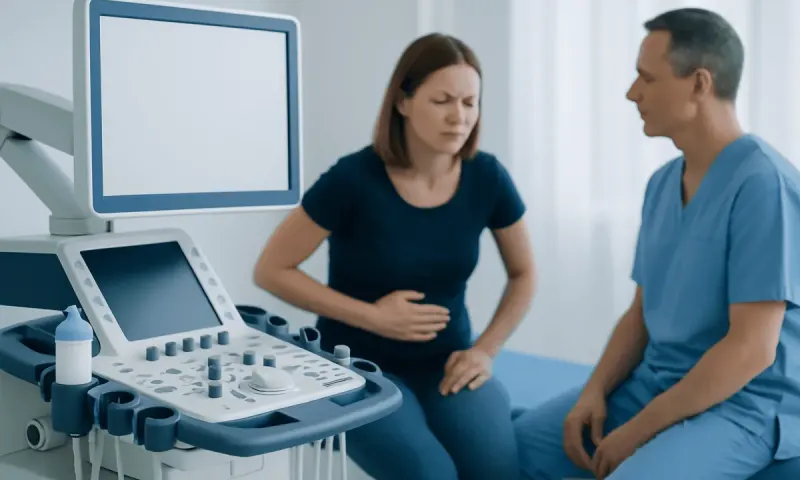
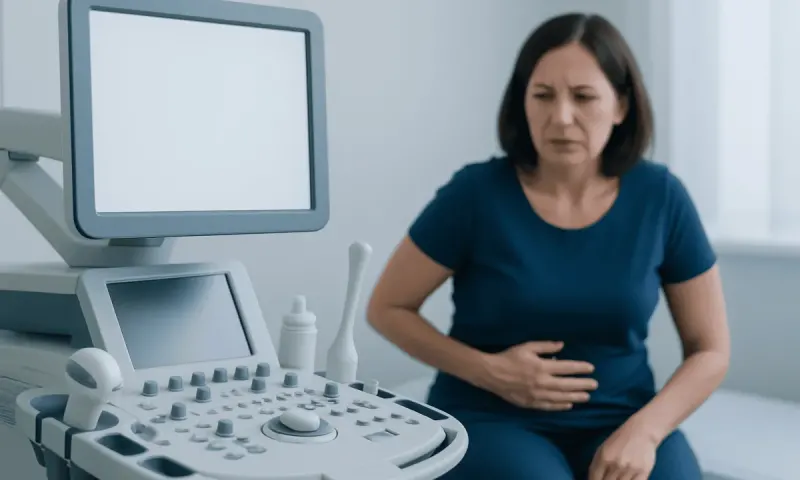
Stomach Pain After Eating: Causes and Treatment

Key Takeaways
- Pain after meals is often related to digestion, but it can also reflect gallbladder, ulcer, reflux, or bowel conditions.
- The location, timing, and quality of the pain help clinicians narrow down the cause.
- Diagnosis may include a physical exam, blood tests, stool tests, imaging, or endoscopy depending on symptoms.
- Simple changes in eating habits may ease mild discomfort, but persistent pain should be assessed by a doctor.
- Seek prompt medical advice for severe pain, vomiting, fever, black stools, chest pain, or unexplained weight loss.
Stomach pain after eating can have many causes, ranging from simple indigestion to conditions that need medical evaluation. Understanding the pattern of symptoms helps guide the right next step, especially when symptoms are recurrent, severe, or linked to other warning signs.
Overview
Stomach pain after eating is a common complaint, but the phrase can describe very different experiences. Some people feel a burning or bloating sensation in the upper abdomen, while others notice cramping, sharp pain, or pressure soon after a meal. The timing matters: discomfort that appears immediately after eating may point to reflux or stomach irritation, while pain that develops later can suggest gallbladder or bowel issues.
In many cases, the cause is not dangerous and improves with small changes in meal size, food choices, or eating speed. Still, recurring pain should not be dismissed as “just indigestion,” especially when it affects daily life or comes with nausea, vomiting, fever, weight loss, or changes in bowel habits. A careful medical history often gives the first clues.
For international patients, the practical challenge is often deciding whether symptoms can wait for a routine appointment or should be checked before travel, after travel, or while abroad. A structured evaluation can help identify the cause and prevent repeated flare-ups that interfere with work, travel plans, or recovery.
Symptoms

Post-meal stomach pain can present in several ways. The pain may feel burning, gnawing, tight, crampy, sharp, or dull. Some people feel it in the upper middle abdomen, while others notice it more on the right side, left side, or lower abdomen.
Symptoms that travel with the pain often help identify the source. Bloating, belching, heartburn, nausea, early fullness, diarrhea, constipation, or a sour taste in the mouth may point toward different digestive conditions. Pain that wakes a person from sleep, becomes progressively worse, or happens with swallowing difficulty deserves medical review.
- Upper abdominal burning after meals may suggest reflux or gastritis.
- Right upper abdominal pain after a fatty meal may suggest gallbladder disease.
- Cramping with diarrhea or gas may be linked to bowel sensitivity or infection.
- Pain plus black stools, vomiting, or chest discomfort needs prompt assessment.
Because the same symptom can have several explanations, doctors often ask patients to describe what they ate, how soon the pain started, how long it lasted, and whether anything made it better or worse. These details are often more useful than the pain intensity alone.
Causes & Risk Factors

There is no single reason why stomach pain may follow a meal. Common causes include indigestion, acid reflux, gastritis, peptic ulcer disease, gallstones, food intolerance, irritable bowel syndrome, constipation, and infections. Less commonly, conditions involving the pancreas, liver, or intestines may be responsible.
Meal-related pain is often influenced by eating habits and underlying sensitivity. Large meals, very fatty foods, alcohol, coffee, spicy foods, carbonated drinks, and eating too quickly can aggravate symptoms in some people. Stress does not create every digestive problem, but it can amplify discomfort and change how the gut feels after eating.
Some people are more likely to develop post-meal pain because of known risk factors. A history of reflux, ulcers, gallstones, previous abdominal surgery, smoking, frequent use of anti-inflammatory medicines, or food-triggered symptoms can all increase the likelihood that symptoms will recur.
Doctors also consider age and overall pattern. New pain after meals in an older adult, pain associated with jaundice, or pain that begins after a recent infection may need a more detailed workup than brief, occasional indigestion.
Diagnosis
Evaluation usually begins with a conversation. A doctor will ask where the pain is located, how soon it starts after eating, which foods trigger it, and whether the pain is linked to bowel changes, fever, vomiting, weight loss, or difficulty swallowing. A physical examination may show tenderness, bloating, or signs that point toward the gallbladder, stomach, or intestines.
Testing depends on the suspected cause. Blood tests may check for infection, inflammation, liver or pancreatic problems, or anemia. Stool tests can help detect infection, bleeding, or digestive inflammation. If symptoms suggest reflux, ulcer disease, or persistent upper abdominal pain, upper endoscopy may be recommended to look directly at the esophagus, stomach, and first part of the small intestine.
Imaging is helpful when pain suggests gallbladder or biliary disease, and ultrasound is commonly used for that purpose. In some cases, a breath test, food-related assessment, or additional imaging may be needed. The goal is not to test everything at once, but to match the workup to the pattern of symptoms.
For people traveling internationally for care, bringing a brief symptom diary, medication list, prior imaging, and previous test results can make evaluation more efficient. Clear records often help specialists avoid repeating unnecessary tests and move more quickly toward a useful plan.
Treatment Options
Treatment depends on the underlying cause rather than the symptom alone. Simple indigestion may improve with smaller meals, slower eating, and avoiding known triggers. Reflux or gastritis may be treated with medicines that reduce stomach acid or protect the stomach lining, while infections may require targeted therapy based on the cause.
Gallbladder pain from gallstones is managed differently from stomach irritation. If symptoms strongly suggest gallbladder disease, doctors may discuss further imaging and, in some cases, surgery. Ulcers, food intolerances, inflammatory bowel conditions, and pancreatic or liver problems each have their own approach, which is why a clear diagnosis matters.
Most treatment plans also include practical guidance. Patients may be advised to limit alcohol, avoid very heavy meals, space meals through the day, and note food triggers. If a medication is contributing to stomach irritation, a clinician may consider alternatives or protective strategies.
When treatment is planned away from home, follow-up matters as much as the first visit. Patients should know how to take prescribed medicines, what side effects to watch for, when results will be reviewed, and whether they need local follow-up after returning home. At Acibadem Health Point, multidisciplinary specialists and JCI-accredited hospitals diagnose and treat digestive conditions for international patients with coordinated care.
Prevention & Self-care
Not every episode of post-meal pain can be prevented, but many people can reduce flare-ups with steady habits. Eating smaller portions, chewing well, avoiding very greasy or heavily spiced meals, and not lying down immediately after eating may help. For some, keeping a simple food and symptom log reveals patterns that are easy to miss day to day.
Hydration, regular bowel habits, and stress-management techniques can also support digestive comfort. If a person knows that certain foods trigger symptoms, it is better to avoid those foods consistently than to test them repeatedly. People who use anti-inflammatory pain medicines regularly should ask a doctor whether stomach protection is needed.
Self-care should stay within safe limits. Mild, occasional discomfort may improve with dietary changes, but recurrent pain, worsening symptoms, or pain with reduced appetite should not be managed indefinitely at home. A professional evaluation is especially important if symptoms interfere with sleep, work, travel, or eating enough to maintain health.
When traveling for care or recovery, patients may find it useful to keep medications in original packaging, bring written instructions, and plan follow-up before departure. That preparation makes it easier to continue care smoothly across borders.
When to See a Doctor
Medical assessment is appropriate when stomach pain after eating happens often, lasts more than a short time, or keeps returning despite simple changes. It is also wise to seek care if the pain is new and unexplained, particularly in someone older or in anyone with a history of ulcers, gallstones, or abdominal surgery.
Prompt attention is important when post-meal pain occurs with fever, repeated vomiting, dehydration, black or bloody stools, fainting, chest pain, jaundice, or severe tenderness. These symptoms do not automatically mean something serious, but they deserve timely review so the correct cause can be identified safely.
People who are losing weight without trying, avoiding food because it triggers pain, or noticing a progressive change in bowel habits should not delay an appointment. A doctor can help determine whether the problem is likely to be a temporary digestive upset or a condition that needs targeted treatment.
If symptoms begin while traveling, a local evaluation may be the safest choice rather than waiting until returning home. A well-organized medical opinion can reduce uncertainty and help patients decide whether they need urgent care, routine follow-up, or additional testing.
Frequently asked questions
01Is stomach pain after eating always indigestion?
No. Indigestion is common, but similar pain can also come from reflux, gastritis, ulcers, gallbladder disease, bowel problems, or food intolerance. The pattern of the pain and any other symptoms help show what is most likely.
02What foods most often make stomach pain worse after meals?
Fatty meals, very spicy foods, alcohol, coffee, carbonated drinks, and large portions are common triggers for some people. However, triggers vary, so a symptom diary is often more useful than guessing.
03Can stress cause stomach pain after eating?
Stress does not usually create a structural digestive disease by itself, but it can make the gut more sensitive and worsen symptoms. Many people notice more discomfort during busy or emotionally difficult periods.
04When should gallbladder pain be suspected?
Pain in the upper right abdomen that appears after a fatty meal, especially if it spreads to the back or right shoulder, can suggest gallbladder disease. Nausea or vomiting may also occur, and imaging is often used to confirm the cause.
05Does stomach pain after eating need an endoscopy?
Not always. Endoscopy is usually considered when symptoms are persistent, recurrent, associated with warning signs, or suggest ulcers, reflux complications, or other upper digestive tract problems. A doctor will decide based on the symptom pattern and age-related risk.
06What can a person do before seeing a doctor?
It can help to note what was eaten, when the pain started, where it is felt, and whether there are associated symptoms like bloating, nausea, or diarrhea. Eating smaller meals and avoiding known triggers may ease mild symptoms, but ongoing pain should still be checked.
This article is for general information only and is not a substitute for professional medical advice. Please consult a qualified doctor about your individual situation.
Medical weight-loss options in Turkey — costs & eligibility
JCI-accredited · board-certified surgeons · reply within 24h
Add us as a Preferred Source to see more of our trusted health content across Google Search, AI Overviews and Discover.