Lower Stomach Ache Male: Possible Causes and When to Seek Care
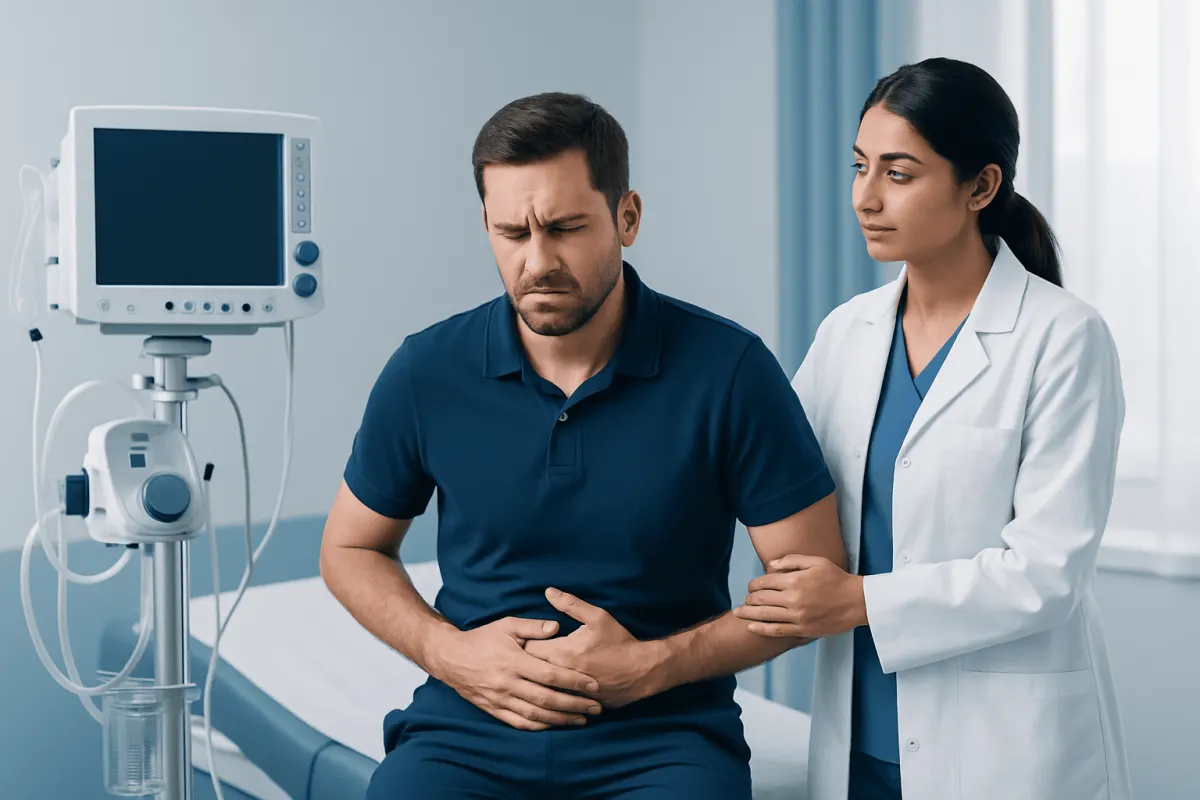
That ache low in your belly — is it something you ate, or something more? It’s a question a lot of men ask themselves before deciding whether to wait it out.
Lower stomach ache in a male can come from the digestive tract, urinary system, muscles, or the reproductive organs. Mild pain may improve with rest and hydration, but severe, sudden, or persistent pain needs medical evaluation to rule out conditions that require prompt treatment.
Overview: what lower stomach ache in a male can mean
A lower stomach ache male patients describe may feel like cramping, pressure, stabbing pain, burning, or a dull ache below the belly button. In many cases, the cause is not dangerous and may relate to gas, constipation, indigestion, or a strained abdominal muscle. However, pain in this area can also come from the bladder, kidneys, intestines, appendix, hernia, or the male reproductive organs.
The most important clues are where the pain is felt, how quickly it started, and whether other symptoms are present. Pain on the right side may raise concern for appendicitis, while pain that comes in waves may suggest a kidney stone or bowel spasm. Pain linked with urination, bowel changes, fever, nausea, or swelling in the groin or scrotum can help point to the source.
Several body systems crowd into the lower abdomen and pelvis, so the same symptom can have very different explanations. That’s why lower belly pain has to be looked at in context, not simply blamed on the stomach. A careful medical review can usually tell whether the pain is digestive, urinary, muscular, or reproductive in origin.
Common symptoms that can happen with lower abdominal pain
Lower abdominal pain in men may occur alone, but it often appears with other symptoms. These associated symptoms can be especially helpful in understanding the likely cause. A doctor will usually ask about the exact location, whether the pain is constant or intermittent, and what seems to make it better or worse.
Symptoms that may accompany lower stomach pain include:
- Bloating, gas, constipation, or diarrhea
- Nausea or vomiting
- Fever or chills
- Pain or burning during urination
- Frequent urination or difficulty passing urine
- Blood in the urine or stool
- Pain that radiates to the back, groin, or testicles
- Groin bulging or scrotal swelling
Some men notice pain after heavy lifting, exercise, certain foods, or prolonged sitting. Others may have pain that wakes them from sleep or steadily worsens over hours. Sudden severe pain, especially if accompanied by vomiting, faintness, or a swollen testicle, should be treated as urgent.
Possible causes in men: digestive, urinary, muscle, and reproductive sources

Digestive causes are common. Constipation, trapped gas, viral gastroenteritis, irritable bowel syndrome, and inflammatory bowel conditions can all cause lower abdominal discomfort. Pain in the right lower abdomen can be a sign of appendicitis, especially if it becomes more intense and is accompanied by fever, nausea, or loss of appetite. In some adults, diverticular disease can also cause pain, usually more often on the left side.
Urinary causes should also be considered. A urinary tract infection can cause lower pelvic pain, burning with urination, urgency, or cloudy urine. Kidney stones may begin in the side or back and move toward the lower abdomen or groin, often causing sharp waves of pain and sometimes blood in the urine. Men with recurrent urinary symptoms may need assessment for bladder, prostate, or kidney conditions.
Muscle and abdominal wall pain may follow exercise, coughing, lifting, or twisting. A strained muscle can feel sore with movement or when the abdominal muscles tighten. A hernia may cause discomfort in the lower abdomen or groin and can produce a visible or palpable bulge, particularly when standing or straining. If a hernia becomes trapped, the pain may become severe and urgent surgical review is needed.
Reproductive causes are the ones you really don’t want to miss. Pain from the testicle or epididymis can be felt in the lower abdomen or groin rather than only in the scrotum. Testicular torsion causes sudden intense pain and is a medical emergency because blood flow to the testicle may be reduced. Inflammation, infection, or prostate conditions may also lead to pelvic aching or urinary symptoms. When symptoms point that way, your doctor may check for testicular torsion or inguinal hernia.
How doctors diagnose the cause
Diagnosis begins with a detailed history. The doctor will ask when the pain started, whether it is sharp or cramping, and if it stays in one place or spreads. Questions about appetite, bowel habits, urination, fever, recent physical activity, sexual history, and past surgery are often important. In men, a groin and scrotal assessment may be necessary if pain could be referred from that area.
The physical examination helps identify tenderness, guarding, swelling, bowel sounds, or signs of hernia. Depending on the symptoms, the doctor may examine the abdomen, back, groin, prostate, or testicles. This focused exam can quickly distinguish between common minor causes and conditions needing urgent treatment.
Tests are chosen based on the suspected cause. They may include urine tests for infection or blood, blood tests for inflammation or dehydration, stool tests, and imaging such as ultrasound or CT. Imaging is especially useful when appendicitis, kidney stones, hernia, or scrotal problems are concerns. In selected cases, specialist imaging or endoscopic evaluation may be recommended to investigate persistent digestive symptoms.
Treatment options depend on the cause
Treatment is guided by the source of the pain rather than the symptom alone. Mild digestive discomfort may improve with hydration, rest, temporary dietary adjustments, and treatment for constipation or gas if appropriate. Muscle strain often settles with time, activity modification, and clinician-guided pain relief. If an infection is found, treatment may include prescription medication and follow-up to ensure symptoms resolve.
Some causes require more specific treatment. Appendicitis often needs prompt surgical assessment, and symptomatic hernias may require repair, including hernia repair surgery when recommended by a surgeon. Kidney stones may pass on their own, but larger stones, persistent pain, or blockage may need urologic treatment such as kidney stone treatment.
If the pain is related to testicular or scrotal disease, urgent care can protect future function and reduce complications. Sudden testicular pain may require emergency orchiopexy if torsion is confirmed. When the cause is unclear or symptoms persist, doctors may involve gastroenterology, urology, general surgery, or radiology specialists to reach the correct diagnosis.
When symptoms overlap between systems, having more than one specialist look at the picture can help. Acıbadem Health Point’s multidisciplinary specialists and JCI-accredited hospitals diagnose and treat lower abdominal, urologic, digestive, and surgical conditions for international patients when advanced evaluation is needed.
Self-care and prevention for mild cases
Not every case of lower belly pain in men needs urgent treatment. If your discomfort is mild, short-lived, and comes without warning signs, you can try a few simple measures while keeping a close eye on how things go. These steps are not a substitute for diagnosis, but they may help when the cause is temporary gas, constipation, or muscle strain.
Useful self-care measures include:
- Drinking enough water, especially in hot weather or during illness
- Eating regular meals with adequate fiber if constipation is suspected
- Avoiding foods that reliably trigger bloating or indigestion
- Resting after heavy lifting or strenuous exercise
- Using medicines only as advised by a healthcare professional, since some pain relievers can irritate the stomach or mask important symptoms
Prevention depends on the cause. Good hydration may lower the risk of some kidney stones. Safe lifting technique can reduce muscle strain and some hernias. Prompt treatment of urinary symptoms may prevent complications. Men who have recurring pain, repeated constipation, or repeated urinary symptoms should arrange a medical review instead of relying on home remedies alone.
When to seek medical care
Medical care should be sought promptly if lower abdominal pain is severe, sudden, steadily worsening, or lasts more than a short time without a clear explanation. Urgent evaluation is also important if there is fever, repeated vomiting, inability to keep fluids down, fainting, black or bloody stool, blood in the urine, or inability to pass urine.
Men should seek immediate help for pain with scrotal swelling, a high-riding testicle, or sudden groin pain, because these symptoms can signal a time-sensitive emergency. New pain after an injury, a painful groin bulge, or abdominal pain with a rigid belly also needs urgent review. If the cause is uncertain, it is safer to be assessed than to wait and hope the pain will pass.
Quieter symptoms still matter if they keep coming back or get in the way of daily life. Ongoing lower abdominal pain may reflect a treatable digestive, urinary, or hernia problem, such as kidney stones. A doctor can help identify the cause early and advise on the right next steps.
Frequently asked questions
01What causes lower stomach ache in a male most often?
Common causes include constipation, gas, indigestion, muscle strain, urinary infection, and kidney stones. In some cases, the pain may come from appendicitis, a hernia, or a problem affecting the testicles or prostate.
02Can lower abdominal pain in men be serious?
Yes, sometimes it can be serious, especially if the pain starts suddenly, becomes severe, or comes with fever, vomiting, blood in urine or stool, or scrotal swelling. These features can point to conditions that need urgent assessment and treatment.
03How can someone tell whether the pain is digestive or urinary?
Digestive pain is more often linked with bloating, constipation, diarrhea, or changes in bowel habits. Urinary pain is more likely to occur with burning during urination, urgency, frequent urination, or blood in the urine, but symptoms can overlap, so a medical review may be needed.
04Should a man worry if lower stomach pain goes into the groin or testicle?
Pain that spreads to the groin or testicle should not be ignored. It may be caused by a kidney stone, hernia, infection, or testicular torsion, and torsion is a medical emergency because it can affect blood flow to the testicle.
05What tests are used for lower stomach pain in men?
Doctors may use a physical examination, urine and blood tests, and imaging such as ultrasound or CT. The exact tests depend on whether the symptoms suggest a digestive, urinary, muscular, or reproductive cause.
06Can mild lower stomach pain be treated at home?
Mild and short-lived pain may improve with rest, fluids, and attention to constipation or recent muscle strain. However, if the pain persists, returns often, or is accompanied by warning signs, a qualified doctor should evaluate it.
This article is for general information only and is not a substitute for professional medical advice. Please consult a qualified doctor about your individual situation.
Persistent digestive symptoms? Get evaluated in Turkey
JCI-accredited · board-certified surgeons · reply within 24h
Add us as a Preferred Source to see more of our trusted health content across Google Search, AI Overviews and Discover.