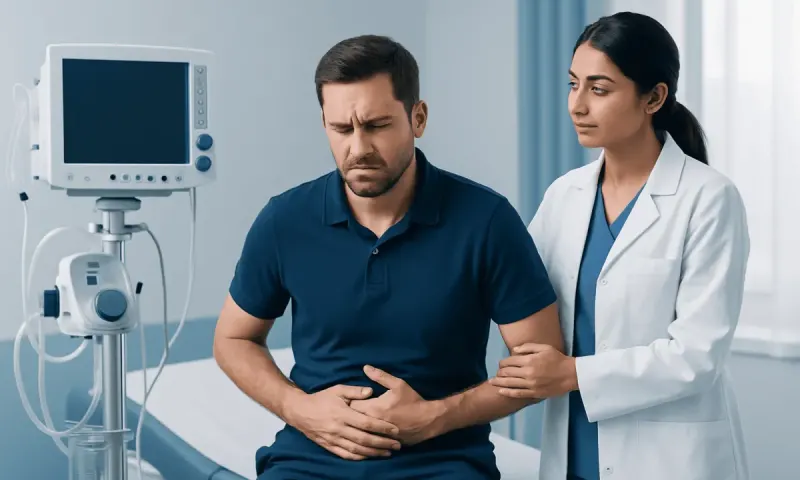
Lower Stomach Pain After Eating: Causes and Care
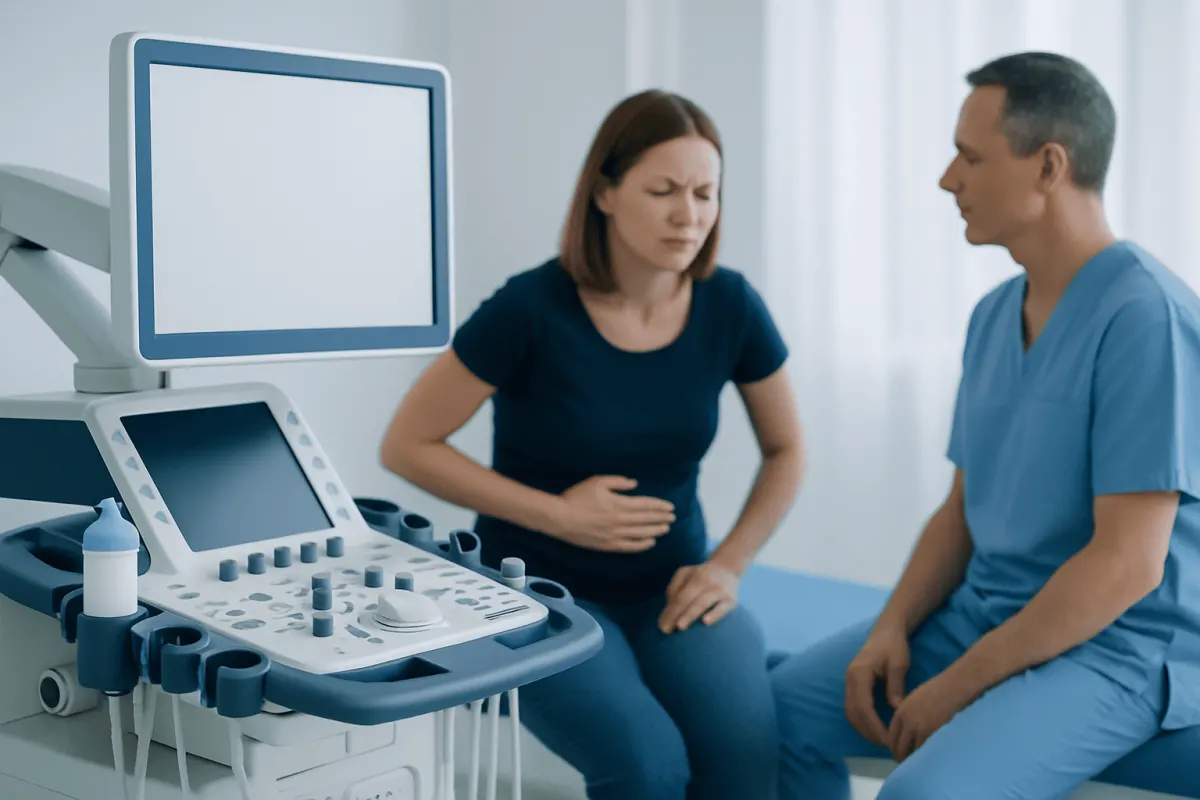
Lower stomach pain after eating can result from common digestive issues such as gas, constipation, food intolerance, or irritable bowel syndrome. The timing, location, associated symptoms, and pattern of pain can help a clinician identify whether it is likely to be temporary or needs further evaluation.
Overview: Why Lower Stomach Pain Can Happen After Eating
Lower stomach pain after eating usually refers to discomfort in the lower abdomen, below the belly button or toward either side of the pelvis. It is often caused by the normal digestive process becoming uncomfortable because of gas, bowel stretching, constipation, or sensitivity to particular foods. In many cases, the pain is mild, short-lived, and improves after passing gas or having a bowel movement.
However, pain after meals can also be linked to conditions affecting the intestines, urinary tract, reproductive organs, or appendix. The exact location matters: left-sided pain may be related to the lower large intestine, while right-sided pain can sometimes involve the appendix or the final part of the small bowel. A clinician considers the full symptom pattern rather than pain alone.
It can be helpful to notice when the discomfort starts, how long it lasts, whether it occurs after every meal, and whether bowel habits have changed. This information can distinguish occasional digestive discomfort from a symptom that deserves medical evaluation.
How the Pain May Feel and What Other Symptoms Mean
Lower abdominal pain after eating may feel crampy, bloated, sharp, burning, or like pressure. Cramping that comes and goes is often related to movement of the intestines, gas, or bowel changes. A feeling of fullness or pressure, especially after a large meal, may occur when digestion is slowed or stool has built up in the bowel.
Associated symptoms provide useful clues. Bloating, excessive gas, constipation, or diarrhea may point toward a functional bowel condition or a food-related trigger. Nausea, vomiting, fever, loss of appetite, or feeling unwell can suggest inflammation or infection and should not be ignored, particularly if symptoms are new or worsening.
Changes in stool are also important. Loose stools after dairy products may occur with lactose intolerance, while recurrent abdominal pain associated with constipation or diarrhea can occur with irritable bowel syndrome. Blood in the stool, black stools, persistent mucus, or a major unexplained change in bowel habits should be discussed with a doctor.
Common Digestive Causes

Gas is one of the most common reasons for lower abdominal discomfort after a meal. Eating quickly, drinking carbonated beverages, chewing gum, and consuming certain carbohydrates can increase swallowed air or intestinal gas production. Beans, onions, some fruits, whole grains, and sugar alcohols may cause more symptoms in people who are sensitive to them, although these foods can still be part of a nutritious diet.
Constipation may cause lower abdominal pain because stool and gas accumulate in the large intestine. It can be associated with infrequent bowel movements, hard stools, straining, or the sense that the bowel has not emptied completely. Not drinking enough fluids, low fiber intake, limited activity, travel, certain medications, and changes in routine can all contribute.
Irritable bowel syndrome, often called IBS, is another common explanation for recurring abdominal pain linked with bowel movements or changes in stool frequency or form. Symptoms may be triggered by meals, stress, or particular foods, but IBS does not cause visible damage to the digestive tract. A doctor can help rule out other causes and discuss individualized management.
Food intolerances can also produce symptoms after eating. Lactose intolerance may lead to cramps, gas, bloating, or diarrhea after milk or other dairy foods. Some people have difficulty tolerating certain fermentable carbohydrates, while others may have symptoms related to gluten-containing foods. These patterns need careful assessment, since unnecessarily restrictive diets can affect nutrition and may make diagnosis harder.
Related Conditions That May Need Assessment
Inflammation in the digestive tract can cause lower abdominal pain after meals. For example, diverticular disease affects small pouches that can develop in the wall of the colon, most often on the lower left side. If these pouches become inflamed, pain may become more constant and may occur with fever, nausea, or altered bowel habits. This needs clinical assessment rather than self-treatment alone.
Inflammatory bowel diseases, including Crohn’s disease and ulcerative colitis, can cause ongoing pain, diarrhea, urgency, fatigue, weight loss, or blood in the stool. These are immune-mediated conditions that require specialist evaluation and long-term care. Symptoms vary widely, and not every person with bowel pain has inflammatory bowel disease.
Right lower abdominal pain deserves particular attention if it becomes increasingly severe, especially with nausea, vomiting, fever, or reduced appetite. Appendicitis can begin with vague discomfort and progress over hours, although symptoms are not identical for everyone. Urinary tract problems, kidney stones, and pelvic conditions may also cause pain that is felt in the lower abdomen.
In women and people with female reproductive organs, menstrual cramps, ovulation pain, ovarian cysts, endometriosis, pelvic inflammatory disease, and pregnancy-related conditions can overlap with digestive symptoms. Pain associated with a missed period, abnormal vaginal bleeding, fainting, or shoulder pain requires urgent medical advice because pregnancy-related complications must be excluded.
How Doctors Evaluate Lower Abdominal Pain After Meals
A medical evaluation starts with a detailed history. A clinician may ask where the pain is located, whether it is related to specific foods, how soon it begins after eating, and whether passing stool or gas relieves it. Questions about medications, recent infections, travel, menstrual history, surgery, family history, and weight changes can also be relevant.
The physical examination may include gentle pressure on the abdomen to identify tenderness, bloating, guarding, or a mass. Depending on the symptoms, a doctor may recommend blood tests, urine testing, stool tests, pregnancy testing, or imaging such as ultrasound or CT. These tests are chosen based on the suspected cause; they are not required for every episode of mild digestive pain.
If symptoms are persistent or concerning, further digestive investigations may be appropriate. These can include tests for lactose intolerance, screening for celiac disease, or endoscopic procedures to examine the bowel. A diagnosis should be based on the person’s symptoms and clinical findings, rather than on food elimination alone.
Practical Self-Care While Monitoring Symptoms
For mild, occasional symptoms without warning signs, simple measures may help. Eating more slowly, choosing smaller meals, avoiding very large or high-fat meals, and limiting carbonated drinks can reduce bloating and discomfort for some people. Gentle movement after eating, such as a short walk, may also support normal bowel activity.
Regular fluids, gradually increasing dietary fiber, and maintaining physical activity can help prevent constipation. Fiber should be increased slowly because a sudden increase can worsen gas and bloating. People with persistent symptoms should avoid making broad dietary restrictions without guidance from a doctor or registered dietitian.
A food and symptom diary can be useful for two to four weeks. It may include meals, portion sizes, symptom timing, bowel movements, stress, sleep, and menstrual cycle details where relevant. This can reveal repeatable patterns and give a clinician more useful information than trying to remember symptoms retrospectively.
Over-the-counter products may be appropriate for some causes, but the right choice depends on the individual and their medical history. A pharmacist or doctor can advise safely, especially for people who are pregnant, have kidney or liver disease, take regular medicines, or have ongoing symptoms.
When to Seek Medical Care
Medical advice is recommended when lower stomach pain after eating continues for more than a few days, repeatedly returns, interferes with daily life, or is accompanied by ongoing constipation, diarrhea, bloating, or a change in appetite. A doctor should also assess pain that consistently occurs after particular foods, as testing may help identify an underlying condition and prevent unnecessary food avoidance.
Urgent medical care is important for severe or rapidly worsening abdominal pain, a rigid or very tender abdomen, fever, persistent vomiting, fainting, inability to pass stool or gas with marked swelling, or blood in vomit or stool. Black, tar-like stools, yellowing of the skin or eyes, or signs of dehydration also require prompt assessment.
People should seek urgent advice for lower abdominal pain during pregnancy, after a missed period, or with unusual vaginal bleeding. Children, older adults, and people with weakened immune systems may need earlier evaluation because symptoms can be less typical or become more serious more quickly.
Acıbadem Health Point’s multidisciplinary specialists and JCI-accredited hospitals assess digestive and related causes of abdominal symptoms for international patients. A qualified clinician can determine whether the discomfort is likely to be managed with lifestyle measures or requires further testing and treatment.
Frequently asked questions
01Why does my lower stomach hurt after I eat?
Lower stomach pain after eating is commonly caused by gas, bloating, constipation, food intolerance, or irritable bowel syndrome. The cause can also be related to inflammation, infection, urinary problems, or pelvic conditions, especially when pain is persistent or accompanied by other symptoms.
02Can gas cause pain in the lower abdomen after meals?
Yes. Gas can stretch the intestines and cause cramping, pressure, or sharp discomfort in the lower abdomen. It may improve after passing gas or having a bowel movement, but recurring symptoms should be reviewed if they are troublesome.
03Which foods can cause lower abdominal pain after eating?
Potential triggers vary between individuals and can include large fatty meals, dairy in people with lactose intolerance, carbonated drinks, beans, onions, some fruits, and foods containing sugar alcohols. A food diary can help identify patterns, but restrictive diets are best discussed with a healthcare professional.
04Is lower abdominal pain after eating a sign of IBS?
It can be. IBS commonly causes recurrent abdominal pain related to bowel movements or changes in diarrhea, constipation, or stool appearance, and meals can trigger symptoms. A clinician should confirm the diagnosis and rule out other conditions, particularly if symptoms are new or there are warning signs.
05When is lower stomach pain after eating an emergency?
Emergency assessment is needed for severe or escalating pain, fever, persistent vomiting, a hard or swollen abdomen, fainting, or blood in the stool or vomit. Urgent care is also important for pain during pregnancy or with unexpected vaginal bleeding.
06Should I see a doctor for pain that goes away after a bowel movement?
Pain relieved by a bowel movement is often related to constipation, gas, or IBS, but it is still worth discussing if it happens frequently or changes over time. Medical review is especially important if there is weight loss, anemia, blood in stool, fever, or persistent diarrhea.
This article is for general information only and is not a substitute for professional medical advice. Please consult a qualified doctor about your individual situation.
Persistent digestive symptoms? Get evaluated in Turkey
JCI-accredited · board-certified surgeons · reply within 24h
Add us as a Preferred Source to see more of our trusted health content across Google Search, AI Overviews and Discover.