Lipo Belly Button: How Navel Contouring Changes Shape
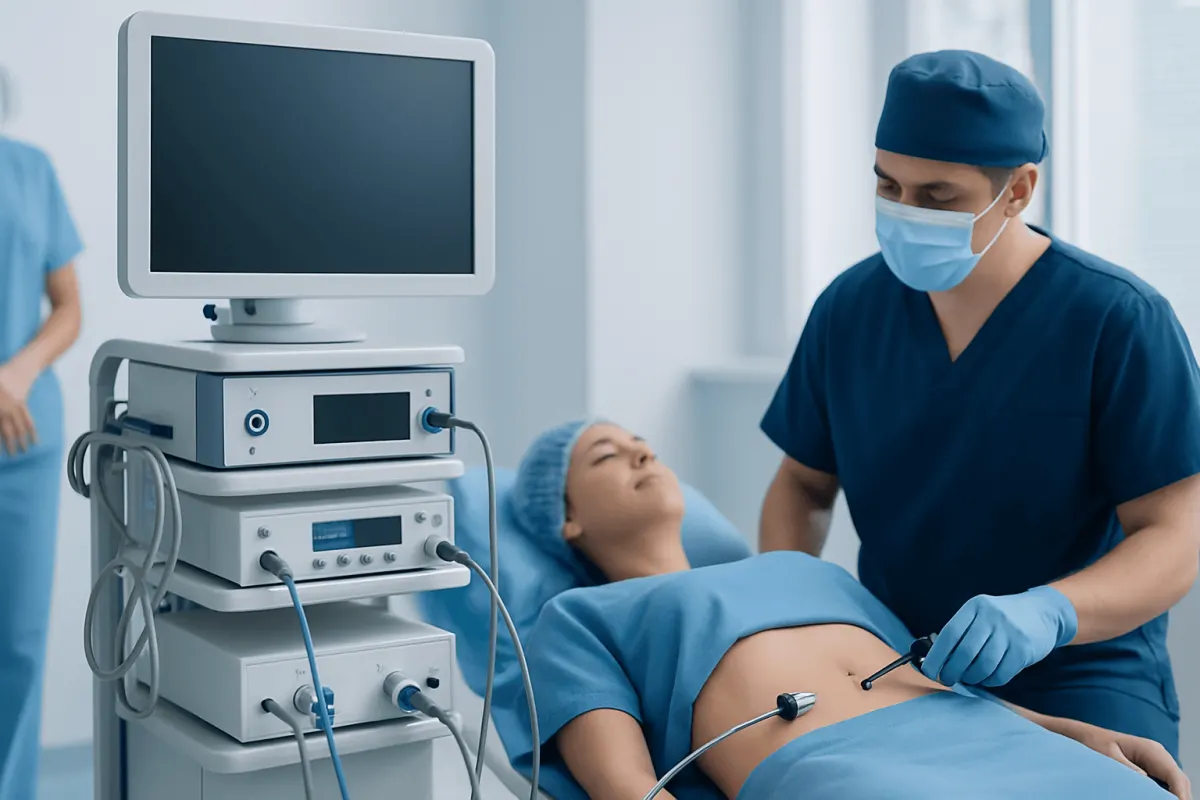
Lipo belly button refers to liposuction performed around the abdomen and navel to improve contour and define the natural shape of the belly button. It is a cosmetic procedure, not a weight-loss treatment, and final results develop gradually as swelling settles and tissues heal.
Overview: What Is Lipo Belly Button?
Lipo belly button is an informal term for liposuction of the fat around the navel and central abdomen. A plastic surgeon uses small cannulas, or narrow tubes, to remove selected fat deposits and refine the transition between the upper abdomen, lower abdomen and belly button. The aim is usually a smoother abdominal contour and a more naturally defined navel area.
The procedure does not usually involve creating a new belly button. In some cases, however, abdominal contouring may be combined with another operation that changes the navel position or shape, such as abdominoplasty. The right approach depends on whether the main concern is localized fat, loose skin, muscle separation, a scar, or a structural issue around the navel.
For people considering abdominal contouring, liposuction treatment may be discussed as one option after an in-person examination. A surgeon should explain what liposuction can reasonably improve and which concerns may need a different procedure.
How the Procedure Works and Who May Be a Candidate
Liposuction works by loosening and removing fat cells from targeted areas. During belly button contouring, the surgeon plans treatment carefully because the central abdomen has natural changes in depth and shape. Removing fat evenly while preserving smooth transitions is important for a balanced result.
Suitable candidates are generally adults in good overall health who are near a stable weight, do not smoke or are willing to stop before and after surgery, and have realistic expectations. They commonly have pockets of fat that have not responded as desired to nutrition and activity changes. Skin elasticity also matters because skin must contract to the new contour after fat removal.
Liposuction is not intended to treat obesity or replace long-term weight management. It may be less suitable when there is marked skin laxity, significant abdominal muscle separation after pregnancy, or a suspected hernia. In these situations, the surgeon may discuss alternatives such as tummy tuck surgery or recommend assessment by another specialist when appropriate.
- Good candidates usually have stable body weight and localized fat deposits.
- Elastic skin supports smoother contouring after fat removal.
- Pregnancy plans, previous abdominal surgery and medical conditions should be discussed during consultation.
- A stable lifestyle helps preserve the contour achieved with surgery.
What Happens Before and During Surgery?
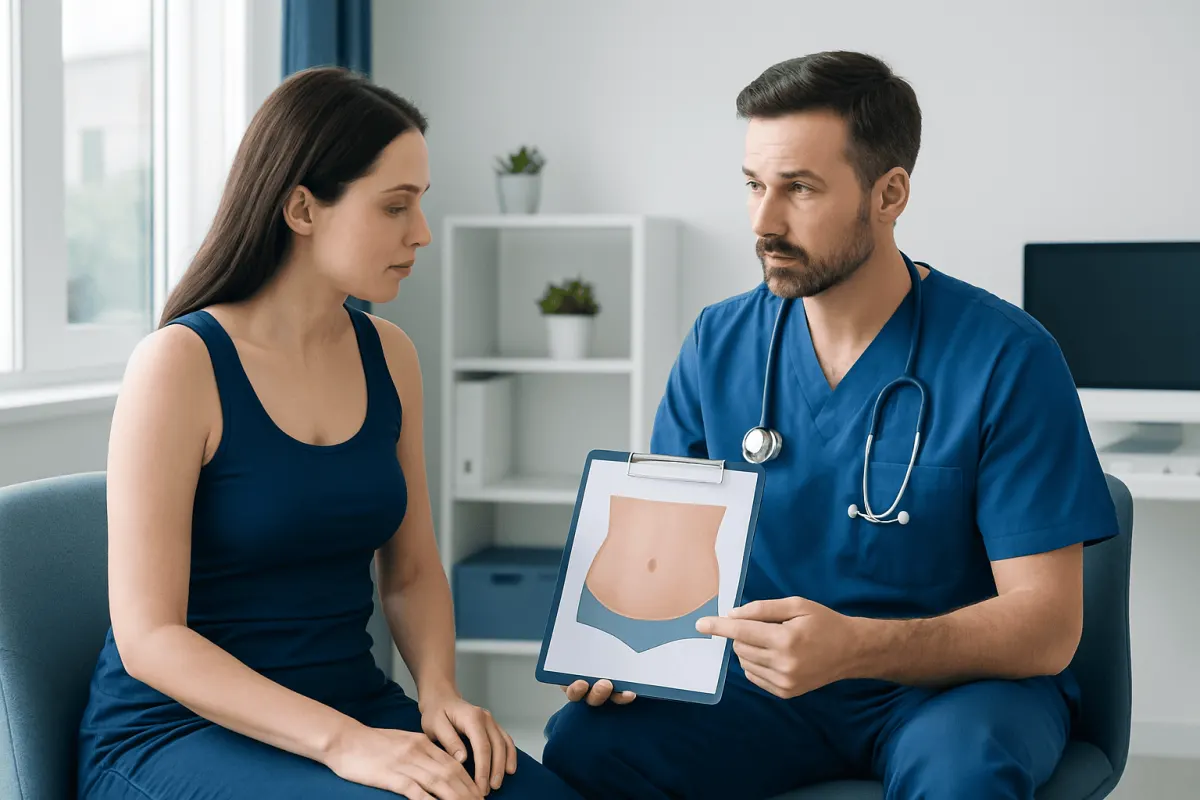
Before surgery, the plastic surgeon reviews medical history, medications, allergies, previous operations and goals. The examination includes the abdomen, navel, skin quality and underlying tissues. Photographs may be taken for clinical planning and comparison, with consent. Patients may need blood tests or medical clearance depending on their health and the planned anesthesia.
On the day of surgery, the surgeon marks the areas to be treated while the patient is standing. Lipo belly button procedures may be performed with local anesthesia and sedation or with general anesthesia, depending on the extent of treatment and whether procedures are combined. The surgical team then makes very small incisions, often placed in discreet locations.
A fluid solution may be introduced into the fatty layer to help reduce bleeding and make fat removal easier. A cannula is moved through the treatment area in controlled passes to remove fat and shape the contour. The incisions may be closed or left to drain briefly, and a compression garment is typically applied at the end of the procedure.
The procedure length varies with the size of the treatment area and any combined surgery. A responsible treatment plan focuses on safety and proportion rather than removing the greatest possible amount of fat.
Liposuction Belly Recovery Time and Aftercare
Liposuction belly recovery time varies by the amount of fat removed, technique used, individual healing and whether other procedures were performed. Mild to moderate swelling, bruising, tenderness and temporary numbness are common after surgery. These effects usually improve progressively, but swelling can make the abdomen appear uneven or fuller early in recovery.
Many patients can walk gently on the day of surgery or the following day and return to light desk-based work within several days to about two weeks, depending on comfort and the demands of their job. More strenuous exercise, heavy lifting and abdominal training generally need to wait until the surgeon confirms that healing is adequate. Early walking supports circulation, while rest and hydration remain important.
Compression garments are commonly worn for a period recommended by the surgeon. They can help limit swelling and support the healing tissues, but they should fit correctly and not cause pain, numbness or breathing difficulty. Follow-up appointments allow the team to check incisions, assess the contour and answer practical recovery questions.
Patients should follow their individual instructions regarding wound care, bathing, medicines, diet, alcohol, nicotine and activity. Maintaining a stable weight after recovery is helpful because remaining fat cells can still enlarge with weight gain.
Lipo Belly Results: What to Expect Over Time
Early lipo belly results are not the final result. Bruising often improves over the first few weeks, while swelling reduces more gradually. Many people begin to notice a clearer contour within several weeks, but refinement around the belly button and abdomen may continue for several months as tissues settle.
Lipo belly button before and after photographs can help illustrate the type of contour changes that may be possible, but they cannot predict an individual outcome. Differences in body shape, skin elasticity, fat distribution, healing, lighting, posture and photography technique all affect how results appear. A surgeon should use photographs ethically and explain whether the examples involve liposuction alone or a combined procedure.
Similarly, searches for liposuction belly button before and after images may show a range of operations, including tummy tuck surgery or repair of a hernia. It is important for patients to ask exactly what procedure was performed in any example they are shown. Realistic expectations are usually based on the individual examination rather than on another person’s result.
Fat cells removed by liposuction do not generally return in the treated area, but future weight changes can affect the abdomen and other areas of the body. Healthy eating patterns, regular physical activity and weight stability can support longer-lasting results.
Benefits, Limitations and Possible Risks
The potential benefit of lipo belly button contouring is a more proportionate abdominal shape, with less fullness around the central abdomen and navel. It may help clothing fit differently and can improve confidence for some people. Results are most predictable when the procedure matches the person’s anatomy and goals.
Its limitations are equally important. Liposuction does not tighten severely loose skin, repair separated abdominal muscles, eliminate stretch marks or treat all causes of an outward-looking belly button. A navel bulge that changes with coughing or straining may need evaluation for an umbilical hernia rather than cosmetic treatment alone.
All surgery carries risks. With liposuction, these may include bleeding, infection, poor wound healing, persistent swelling, contour irregularities, asymmetry, fluid collections, changes in skin sensation, scarring, skin discoloration and reactions to anesthesia. Rare but serious complications can occur, particularly when extensive liposuction is performed or when a patient has unrecognized health risks.
Choosing an appropriately qualified surgeon, sharing complete medical information and following aftercare instructions can reduce risk, although no procedure is risk-free. A surgeon should discuss the specific risks relevant to the proposed treatment and obtain informed consent before surgery.
When to Seek Medical Care
After liposuction, patients should contact their surgical team promptly if they develop increasing rather than improving pain, rapidly growing swelling, persistent bleeding, fever, spreading redness, foul-smelling drainage, or an incision that opens. New one-sided leg swelling or pain, chest pain, shortness of breath, fainting or sudden confusion requires urgent medical assessment.
Before considering cosmetic surgery, a person should seek medical advice for a new or painful lump at or near the belly button, especially if it becomes more noticeable with coughing, straining or standing. Sudden severe abdominal pain, vomiting, or a tender bulge that cannot be pushed back may indicate an urgent problem and should be evaluated without delay.
At Acıbadem Health Point, multidisciplinary specialists in JCI-accredited hospitals can assess abdominal contour concerns and provide treatment planning for international patients. A consultation can help determine whether liposuction, another procedure or non-cosmetic medical assessment is the most appropriate next step.
Frequently asked questions
01Does lipo belly button change the shape of the belly button?
Liposuction around the navel mainly removes and redistributes fat in the surrounding abdomen, which may make the belly button look more defined. It does not usually directly reshape the navel. Direct changes to the navel may require a different surgical technique, particularly if loose skin is present.
02How long is liposuction belly recovery time?
Most people resume light activities within several days to two weeks, although recovery varies. Bruising and early swelling commonly improve over weeks, while final contour definition can take several months. The surgeon’s activity restrictions should be followed because combined procedures require longer recovery.
03Are lipo belly results permanent?
The fat cells removed during liposuction are permanently removed from the treated area. However, remaining fat cells can enlarge with weight gain, and natural aging can affect skin quality and body shape. Maintaining a stable weight supports longer-lasting results.
04Can liposuction fix loose abdominal skin after pregnancy or weight loss?
Liposuction removes fat but does not reliably remove substantial excess skin or repair separated abdominal muscles. When these concerns are significant, a surgeon may discuss abdominoplasty or another body-contouring approach. The best option depends on the examination and personal goals.
05Is lipo belly button painful?
Discomfort, tightness and tenderness are expected during early recovery, but pain is usually managed with the treatment plan provided by the surgical team. The degree of discomfort varies according to the extent of liposuction and whether surgery is combined with another procedure. Increasing or severe pain should be reported to the surgeon.
06Can a belly button bulge be treated with liposuction?
Not necessarily. A bulge may result from fat distribution, but it can also be caused by an umbilical hernia or other structural issue. A clinician should assess a new, painful or changing bulge before cosmetic treatment is considered.
This article is for general information only and is not a substitute for professional medical advice. Please consult a qualified doctor about your individual situation.
Explore treatments in Turkey — costs, top hospitals & a free quote
JCI-accredited · board-certified surgeons · reply within 24h
Add us as a Preferred Source to see more of our trusted health content across Google Search, AI Overviews and Discover.