Can You Completely Remove Stretch Marks?
Stretch marks cannot usually be completely removed, but their appearance can often be reduced with time, skin care, and selected dermatology treatments. The best approach depends on whether marks are new and red or purple, or older and white or silvery.
Overview: can stretch marks be completely removed?
For people asking how to completely remove stretch marks, the honest answer is that stretch marks cannot usually be erased 100%. They are a type of scar within the skin, formed when the supporting collagen and elastin network is disrupted. However, many treatments can make them less noticeable by improving color, texture, and contrast with the surrounding skin.
Stretch marks, also called striae, commonly develop on the abdomen, breasts, hips, buttocks, thighs, upper arms, or lower back. They may appear during pregnancy, puberty, rapid weight change, muscle building, or use of certain medicines. They are harmless and very common, although their appearance may affect confidence for some people.
Results vary between individuals. Treatment decisions should consider the age and color of the marks, skin tone, body area, tendency to pigment changes or scarring, pregnancy status, and personal goals. A qualified dermatologist can explain what degree of improvement is realistic.
Why stretch marks form and why their color changes
Stretch marks occur when skin stretches more quickly than it can adapt. The middle layer of skin, called the dermis, develops small tears in its structural fibers. At first, stretch marks may look red, pink, purple, reddish-brown, or dark brown depending on a person’s skin tone. These newer marks are often called striae rubrae.
Over time, the blood vessels and inflammation associated with early marks decrease. The marks may become pale, white, silvery, or slightly depressed, often called striae albae. This transition explains why how to permanently remove white stretch marks and how to permanently remove old stretch marks are difficult questions: older marks are more established scars and generally respond less strongly than early marks.
Having stretch marks does not mean that a person has unhealthy skin or has done anything wrong. Genetics plays an important role, so some people are more likely to develop them even with similar changes in body size or activity. Hormonal changes can also influence skin structure.
What worsens stretch marks?

Stretch marks can become more visible when the skin stretches rapidly, including during quick weight gain or loss, pregnancy, growth spurts in adolescence, or rapid muscle growth. These changes cannot always be prevented, and gradual body-weight changes may not be possible or appropriate in every situation. Still, avoiding repeated rapid fluctuations where feasible may reduce further skin stretching.
Long-term use of strong corticosteroid creams, tablets, injections, or other steroid medicines can weaken skin in some circumstances. These medicines should never be stopped suddenly without medical advice, but anyone developing widespread new stretch marks while using steroids should discuss this with their clinician. Excess cortisol production from an underlying hormonal condition can also be associated with broad, purple stretch marks.
Sun exposure does not cause stretch marks, but tanning can make them stand out because stretch marks may not tan in the same way as nearby skin. Using broad-spectrum sunscreen on exposed areas can help reduce uneven color contrast and supports overall skin health.
- Rapid body-size changes may make new marks more likely.
- Unsupervised use of potent steroid products may damage the skin.
- Smoking can affect collagen and wound healing.
- Harsh scrubs, bleaching agents, and unregulated injections can irritate or injure skin without removing stretch marks.
How to permanently remove stretch marks naturally
There is no proven natural method that can permanently remove stretch marks. Moisturizers, oils, cocoa butter, shea butter, and massage may make skin feel softer and may temporarily improve its surface appearance, but they do not reliably repair established dermal scars. They can still be reasonable for comfort if they do not cause irritation.
Some products promoted online contain plant extracts, acids, essential oils, or high concentrations of vitamins. Evidence for complete stretch mark removal is limited, and “natural” does not always mean safe. Essential oils and fragranced products can cause contact dermatitis, while products purchased from unregulated sources may contain undisclosed ingredients.
A balanced diet that provides sufficient protein, vitamins, and minerals supports general skin health, but no food or supplement has been shown to erase stretch marks. People wondering how do I remove stretch marks on my body may benefit most from a realistic plan: moisturize for comfort, use sun protection, avoid irritating products, and seek professional advice if they want active treatment.
Medical treatments that may reduce stretch marks
Dermatology treatments aim to stimulate collagen remodeling, improve texture, or reduce color contrast. Newer stretch marks may respond to treatments that target redness or pigment, while older white marks often need texture-focused approaches. More than one session may be needed, and improvement is gradual rather than immediate.
Prescription topical retinoids may help some early stretch marks by supporting collagen production. They can irritate skin and are not appropriate during pregnancy, when trying to conceive, or while breastfeeding unless a clinician specifically advises otherwise. Over-the-counter retinol is weaker and may not produce the same effects.
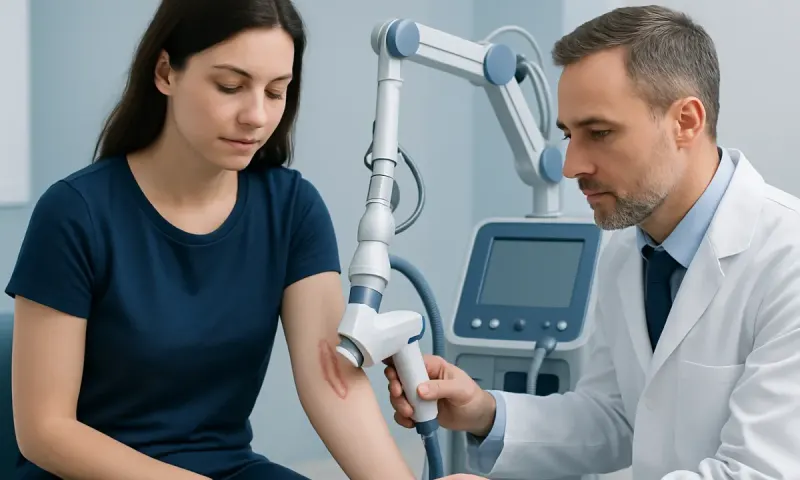
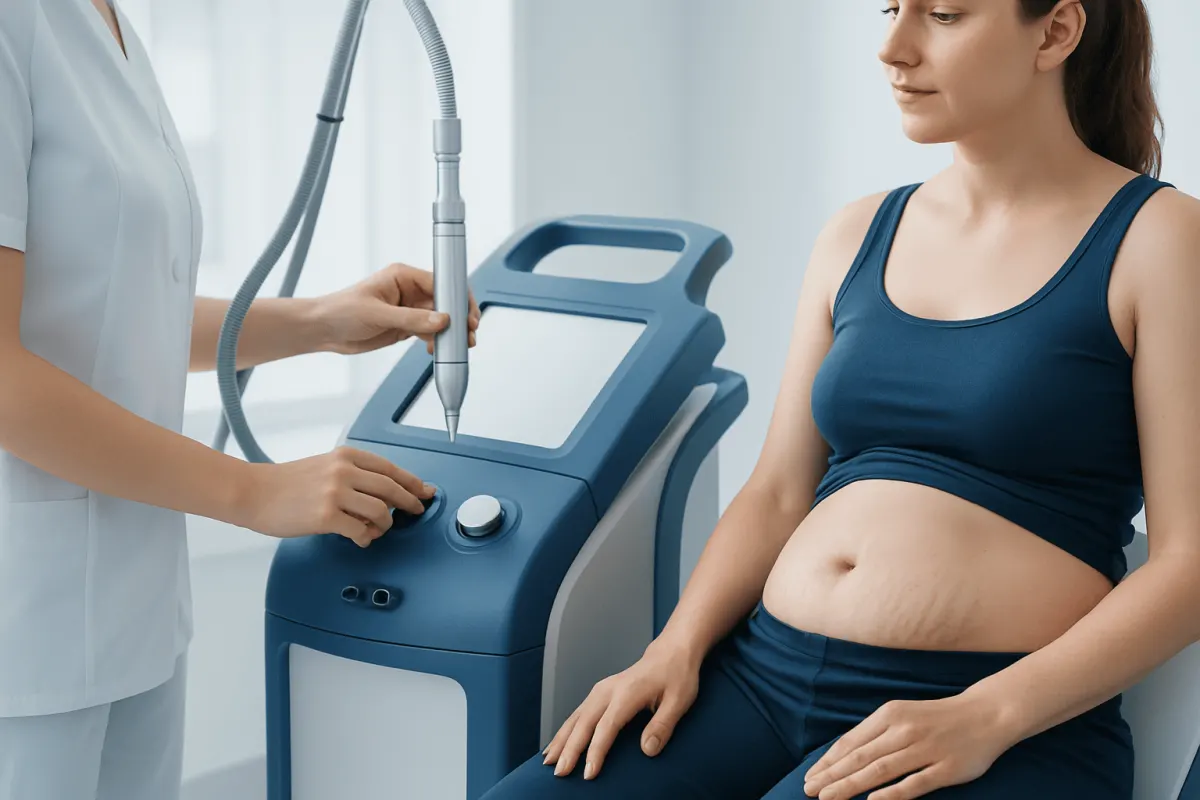
Procedures may include microneedling, radiofrequency microneedling, certain fractional laser treatments, or vascular lasers for red or purple marks. A dermatologist selects the method carefully, especially for darker skin tones, because some treatments can cause temporary or persistent pigment changes. Chemical peels and microdermabrasion may improve surface texture for some people but do not remove deep marks completely.
Before undergoing a procedure, it is important to discuss expected benefits, discomfort, healing time, possible color changes, infection risk, prior scarring, active skin conditions, and pregnancy or breastfeeding. Acıbadem Health Point’s multidisciplinary specialists and JCI-accredited hospitals can assess skin concerns and discuss suitable treatment options for international patients.
How do Koreans get rid of stretch marks?
There is no uniquely Korean method that can remove stretch marks completely. Online discussions about Korean skin care often emphasize consistent moisturizing, sun protection, gentle skin care, and early consultation with dermatology professionals. These habits may support healthy skin, but they do not guarantee prevention or complete removal of established stretch marks.
In South Korea, as in many countries, dermatology clinics may offer treatments such as laser procedures, microneedling, and radiofrequency for stretch marks. The appropriate treatment is not determined by nationality or a beauty routine; it depends on the individual’s skin type, the marks’ stage, and medical safety considerations.
Products and procedures promoted through social media should be approached carefully. A treatment that appears successful in photographs may involve makeup, lighting, editing, temporary swelling, or results that are not typical. Choosing a licensed medical professional is safer than following unverified home treatment trends.
How did Kim Kardashian get rid of stretch marks?
Public figures may discuss cosmetic procedures, skin care, or lifestyle routines, but it is not possible to confirm a specific person’s complete medical history or treatment results from media reports alone. Kim Kardashian has publicly discussed some cosmetic treatments over time, but personal experiences should not be treated as medical evidence or as a guaranteed plan for others.
Celebrity images are also influenced by lighting, posing, makeup, image editing, and changes over time. Even when a procedure is accurately reported, response varies according to skin tone, mark age, treatment settings, and aftercare. A person considering treatment should base decisions on a clinician’s assessment rather than celebrity recommendations.
For anyone asking how do you get rid of stretch marks, the safest expectation is improvement rather than perfection. A dermatologist can help compare evidence-based options and identify approaches that are unlikely to help or could harm the skin.
When to seek medical care
Stretch marks usually do not need medical treatment. However, medical advice is worthwhile when they appear suddenly and extensively without an obvious reason, are wide and deep purple, or occur alongside symptoms such as unusual bruising, muscle weakness, persistent fatigue, high blood pressure, or changes in body hair. A clinician may consider whether medicines or hormonal conditions are contributing.
People should also consult a dermatologist before using prescription products, strong peels, lasers, microneedling devices, or other procedures. This is particularly important during pregnancy or breastfeeding, for people with darker skin tones or a history of <a href="https://acibademhealthpoint.com/diseases/keloid-scars/”>keloid scars, and for anyone with eczema, infection, or an active rash in the intended treatment area.
Emotional distress about stretch marks is also a valid reason to seek support. A compassionate clinician can discuss treatment choices, set realistic goals, and help a person decide whether active treatment, camouflage products, or reassurance is the best next step.
Frequently asked questions
01Can stretch marks be removed 100%?
No treatment can reliably remove stretch marks 100%. Because they are scars in the deeper skin layer, treatments generally aim to make them less visible by improving color and texture. Newer marks often respond better than older white or silvery marks.
02How can I permanently remove stretch marks?
There is no guaranteed permanent way to erase stretch marks completely. Dermatology treatments such as microneedling, radiofrequency, and selected lasers can produce lasting improvement in appearance, although results differ and future skin stretching can lead to new marks. A dermatologist can recommend an approach suited to the marks and skin type.
03Can white stretch marks be treated?
Yes, white stretch marks can be treated, but they are usually more difficult to improve than newer colored marks. Treatments that encourage collagen remodeling, including microneedling and some fractional laser procedures, may reduce texture and visibility. Complete removal is not expected.
04Do creams work for stretch marks?
Moisturizers can improve comfort and make skin look smoother temporarily, but most creams do not remove established stretch marks. Prescription retinoid treatments may help some early marks, but they should only be used under medical guidance and are not suitable during pregnancy or breastfeeding.
05What is the best time to treat stretch marks?
Treatment is often most effective when stretch marks are new and still red, purple, or dark. At this stage, color-targeting and collagen-supporting treatments may offer more noticeable improvement. Older marks can still be treated, but expectations should be realistic.
06Can pregnancy stretch marks be prevented?
There is no certain way to prevent pregnancy stretch marks because genetics, hormones, and skin stretching all contribute. Gradual weight gain within a clinician’s recommended range, moisturizing for comfort, and general skin care may be helpful, but they cannot guarantee prevention. Any active topical treatment should be discussed with an obstetrician or dermatologist during pregnancy.
This article is for general information only and is not a substitute for professional medical advice. Please consult a qualified doctor about your individual situation.
Explore treatments in Turkey — costs, top hospitals & a free quote
JCI-accredited · board-certified surgeons · reply within 24h
Add us as a Preferred Source to see more of our trusted health content across Google Search, AI Overviews and Discover.