Dystrophy vs Atrophy: How Tissue Changes Differ
Dystrophy and atrophy can both affect muscle strength and appearance, but they describe different biological processes. Dystrophy usually refers to progressive abnormal tissue degeneration, whereas atrophy means a tissue or organ has become smaller, often because it is not being used or has lost its nerve or blood supply.
Dystrophy vs Atrophy: A Side-by-Side Comparison
Dystrophy vs atrophy is an important distinction because the terms describe different changes in the body. Atrophy is a reduction in the size of a tissue or organ after it developed normally. Dystrophy is a broader term for abnormal development, structure or progressive degeneration of a tissue. In everyday clinical use, the comparison often concerns muscles, but both terms can also apply to other tissues, such as the eye, skin, brain or organs.
| Feature | Atrophy | Dystrophy |
|---|---|---|
| Meaning | Shrinking or loss of tissue mass | Abnormal tissue structure or degeneration |
| Common causes | Disuse, aging, nerve injury, poor nutrition, reduced blood supply or chronic illness | Often genetic changes; the cause depends on the specific type of dystrophy |
| Muscle appearance | A muscle or limb may look noticeably smaller | Muscles may weaken, waste away, enlarge with fatty replacement, or appear normal early on |
| Course | May be reversible or partly reversible when the cause is addressed | May be long-term or progressive, although the outlook varies widely by type |
| How it is assessed | History, examination and tests to identify the cause of tissue loss | Clinical pattern, blood tests, imaging, genetic testing and sometimes tissue studies |
The two processes can overlap. For example, a person with an inherited muscle dystrophy may develop muscle atrophy as muscle fibers are lost over time. Likewise, a person who avoids using a painful joint may develop disuse atrophy, but this does not mean they have a dystrophy. The diagnosis depends on the cause and pattern, not simply on whether a muscle looks smaller.
What Atrophy Means and Why It Happens
Atrophy occurs when cells in a tissue become smaller, decrease in number, or both. In muscle, this is often called muscle wasting. A limb kept in a cast or used less after surgery may lose muscle size within weeks. This type of disuse atrophy is common and can often improve gradually with safe movement, rehabilitation and treatment of the reason activity was limited.
Other causes need more careful evaluation. Nerve-related atrophy may develop when a nerve is injured or compressed, because the muscle no longer receives normal signals. Examples include some nerve root problems in the spine, peripheral nerve injuries and certain neurological diseases. Reduced blood flow, prolonged inflammation, hormonal conditions, inadequate calorie or protein intake, cancer-related illness and some long-term medical conditions may also contribute to loss of muscle mass.
Atrophy is not always visible from the outside. It can affect organs or tissues internally, and normal age-related changes can reduce muscle mass over time. However, marked, one-sided, fast-progressing or unexplained loss of muscle should not be assumed to be aging. A clinician can help identify whether the change reflects reduced use, an injury, a nutritional issue, a medication effect or a condition affecting nerves or muscles.
What Dystrophy Means in Medical Care

Dystrophy is not one single disease. It is a descriptive term used for disorders in which a tissue has abnormal structure or gradually deteriorates. In neuromuscular medicine, muscular dystrophies are a group of usually inherited conditions in which genetic changes affect proteins that support muscle strength, repair or function. Different forms can begin in childhood or adulthood and can affect skeletal muscles, the heart, breathing muscles or other body systems.
The word is also used outside muscle medicine. For example, retinal dystrophies affect the light-sensitive tissue at the back of the eye, while some skin disorders include dystrophy in their name. Therefore, hearing the term “dystrophy” does not by itself identify the affected body part, cause or expected course. The specific diagnosis is essential.
Muscle dystrophy may cause slowly progressive weakness, frequent falls, difficulty rising from the floor, changes in walking, muscle cramps or contractures. Some people have enlarged-looking calves because muscle is replaced partly by fat and connective tissue, a finding that differs from simple atrophy. Symptoms and severity vary substantially, even among people with the same broad diagnostic label.
How a Clinician Tells Them Apart
A clinician begins by asking when the change started, whether it is getting worse, and how it affects function. Relevant details include recent inactivity, injury, pain, surgery, weight loss, numbness, back or neck symptoms, family history, childhood motor development and medicines. Atrophy after immobilization has a different history from slowly progressive weakness affecting several relatives, for example.
The physical examination looks at muscle size, symmetry, strength, reflexes, sensation, walking, joint movement and signs of muscle tightness or fatigue. Atrophy caused by a nerve problem may follow the distribution of a particular nerve and occur with altered sensation or reduced reflexes. In contrast, many muscular dystrophies produce recognizable patterns of weakness, such as weakness around the hips, shoulders, face or lower legs, depending on the type.
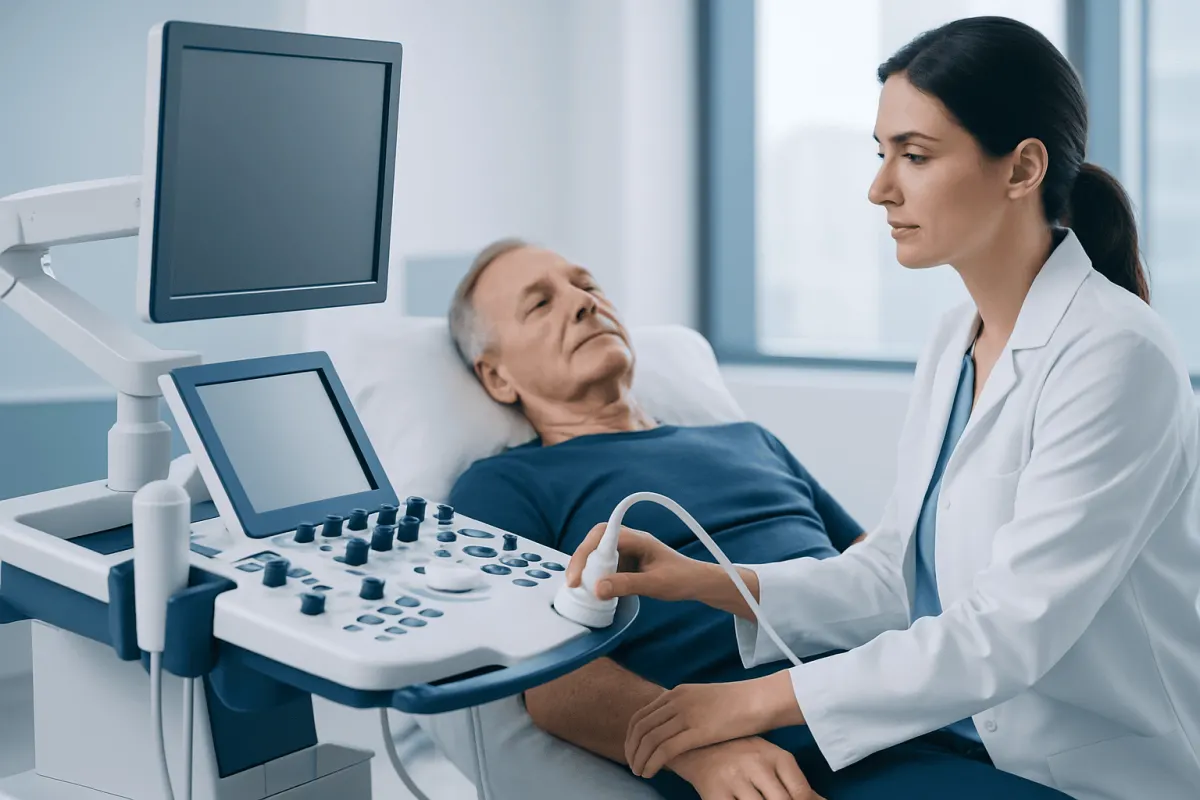
Testing is chosen based on the clinical picture. Blood tests may include creatine kinase, an enzyme that can rise when muscle fibers are damaged, as well as tests for nutritional, inflammatory, hormonal or metabolic contributors. Ultrasound or MRI can show muscle volume and fatty replacement. Nerve conduction studies and electromyography can help distinguish nerve-related from muscle-related problems. Genetic testing is often central when an inherited dystrophy is suspected, while a muscle biopsy is now used selectively when other testing does not provide a clear answer.
What to Do for Atrophy and Dystrophy
Management of atrophy focuses on its cause. If reduced activity is responsible, a clinician or physiotherapist may recommend a gradual strengthening and mobility program suited to the person’s health, injury and balance. Adequate overall nutrition, including sufficient protein where medically appropriate, supports recovery. Treating pain, joint disease, nerve compression, endocrine problems or another underlying illness may also help preserve or restore function.
When atrophy is related to nerve damage, recovery depends on the location, severity and duration of the problem. Rehabilitation can help maintain range of motion, reduce strain on unaffected muscles and support independence. Some causes require targeted medical or surgical treatment, so self-directed intensive exercise is not always appropriate, particularly if weakness is new or progressing.
For dystrophy, care is individualized according to the specific condition and the body systems involved. It may include neurological follow-up, physical and occupational therapy, stretching, mobility aids, cardiac monitoring, breathing assessment, nutritional support and treatments designed for particular diagnoses. The goal is to protect function, manage symptoms and plan care proactively. Acıbadem Health Point’s multidisciplinary specialists and JCI-accredited hospitals diagnose and treat neuromuscular conditions for international patients.
Prevention and Everyday Self-Care
Not every form of atrophy or dystrophy can be prevented. Inherited dystrophies are not caused by a person’s lifestyle choices, and people with a known or suspected inherited condition may benefit from genetic counseling. Counseling can explain inheritance patterns, the role and limits of genetic testing, and considerations for relatives or future family planning.
For preventable or modifiable muscle loss, regular physical activity that includes strength, balance and aerobic exercise can help maintain muscle function. Activity should be adjusted for age, mobility, medical conditions and clinician guidance. Following rehabilitation advice after an illness, surgery or injury may limit disuse atrophy while helping avoid reinjury.
Balanced nutrition, adequate hydration, sleep and management of long-term conditions also support muscle health. It is sensible to seek medical advice before starting supplements, restrictive diets or demanding exercise programs for unexplained muscle loss. Supplements cannot replace diagnosis and may not address the cause of weakness or wasting.
When to Seek Medical Care
A medical appointment is appropriate for unexplained muscle loss, persistent weakness, repeated falls, worsening stamina, new difficulty climbing stairs or lifting objects, or a noticeable difference in size between the two sides of the body. Assessment is also important when muscle loss occurs alongside weight loss, numbness, pain, tremor, changes in walking or a family history of neuromuscular disease.
Prompt medical care is needed for sudden weakness, weakness affecting the face or one side of the body, new loss of bladder or bowel control, severe back pain with leg weakness, or trouble swallowing, speaking or breathing. These symptoms can have causes that require urgent assessment and should not be managed only with rest or exercise.
People who have already received a diagnosis of dystrophy should contact their care team if function changes noticeably, falls increase, new palpitations occur, breathing becomes more difficult or equipment and support needs change. Early review allows the team to assess complications and adapt the care plan safely.
Frequently asked questions
01Is dystrophy the same as muscle atrophy?
No. Muscle atrophy means muscle tissue has become smaller, while dystrophy refers to abnormal tissue degeneration or structure. A person with muscular dystrophy can develop atrophy, but atrophy alone does not establish a diagnosis of dystrophy.
02Can muscle atrophy be reversed?
It can sometimes improve, especially when it results from short-term inactivity, immobilization or a treatable health problem. Recovery depends on the cause, how long it has been present and whether nerves and muscle fibers remain healthy. A supervised rehabilitation plan is often helpful.
03Does muscular dystrophy always begin in childhood?
No. Some forms begin in infancy or childhood, while others first become noticeable in adolescence or adulthood. The age of onset, muscles affected and speed of progression differ between types.
04How do doctors test for muscular dystrophy?
Doctors combine the medical history and examination with blood tests, muscle imaging and sometimes nerve and muscle electrical studies. Genetic testing can identify many inherited muscular dystrophies. A muscle biopsy may be considered in selected situations when the diagnosis remains uncertain.
05Can exercise make dystrophy or atrophy worse?
Appropriate activity can support mobility, heart health and daily function, but the safest type and intensity depend on the diagnosis. Overexertion may be unhelpful for some neuromuscular conditions or injuries. A clinician or physiotherapist can recommend an individualized plan.
06What is the first sign of muscle atrophy?
A person may notice that a muscle or limb looks smaller, feels weaker or tires more easily during ordinary activities. In some cases, reduced function appears before the size change is obvious. New or one-sided changes should be evaluated by a healthcare professional.
This article is for general information only and is not a substitute for professional medical advice. Please consult a qualified doctor about your individual situation.
Joint and spine care in Turkey — expert assessment & treatment
JCI-accredited · board-certified surgeons · reply within 24h
Add us as a Preferred Source to see more of our trusted health content across Google Search, AI Overviews and Discover.