Leiomyosarcoma: Symptoms, Causes and Treatment

Key Takeaways
- Leiomyosarcoma is a rare smooth muscle cancer that may arise in the uterus, abdomen, or blood vessels.
- Symptoms often depend on where the tumor starts and may be vague at first.
- Imaging, biopsy, and pathology review are usually needed to confirm the diagnosis.
- Treatment often includes surgery, with chemotherapy and radiotherapy used in selected cases.
- Follow-up care is important because leiomyosarcoma can return or spread after treatment.
Leiomyosarcoma is a rare cancer that begins in smooth muscle cells, which are found in organs and blood vessel walls throughout the body. Because it can develop in different locations, diagnosis and treatment are best guided by a specialist team.
Overview
Leiomyosarcoma is a type of soft tissue sarcoma that develops from smooth muscle cells. Smooth muscle is the involuntary muscle found in the walls of organs such as the uterus, stomach, intestines, and blood vessels. Because these tissues are spread throughout the body, leiomyosarcoma can appear in several different locations.
This cancer is considered uncommon, and its behavior can vary based on where it starts, how large it is, and whether it has spread. For many people, the path to diagnosis begins with symptoms that are easy to overlook at first, which is one reason specialist evaluation matters. In an international-patient setting, this often means bringing together imaging, pathology, and surgical expertise so the diagnosis is clear before treatment decisions are made.
Leiomyosarcoma is usually managed by a multidisciplinary oncology team. That team may include medical oncologists, surgical oncologists, radiation oncologists, radiologists, and pathologists who work together to tailor care to the tumor’s location and stage.
Symptoms
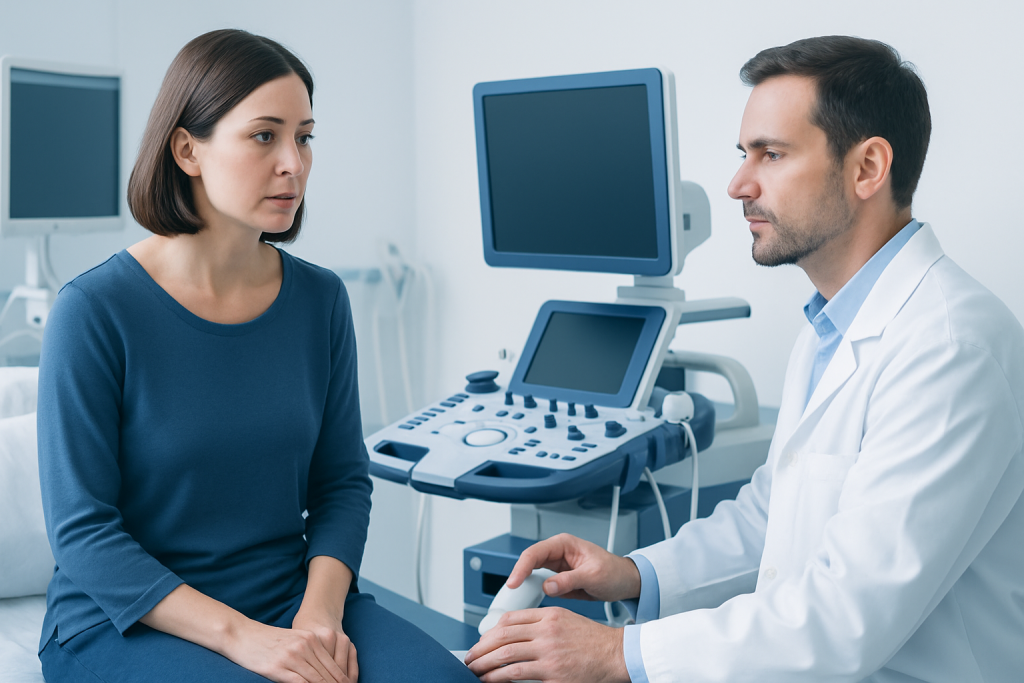
Leiomyosarcoma does not always cause symptoms early on, and when it does, the signs depend heavily on the tumor’s location. A uterine leiomyosarcoma may cause abnormal vaginal bleeding, pelvic pressure, or a growing abdominal mass. A tumor in the abdomen or retroperitoneum may create discomfort, a feeling of fullness, constipation, or weight loss.
When leiomyosarcoma develops in a blood vessel or in soft tissue of an arm or leg, it may appear as a lump that gradually enlarges or becomes painful. Some tumors are found only after imaging for another reason, which can be unsettling but also helpful because it allows earlier specialist evaluation.
Possible symptoms can include:
- A new or enlarging lump
- Pain or pressure in the affected area
- Unexplained bleeding, especially with uterine tumors
- Abdominal swelling or fullness
- Unexplained weight loss or fatigue
- Symptoms related to pressure on nearby organs
These symptoms are not specific to cancer, but they should be assessed if they persist or worsen.
Causes & Risk Factors

The exact cause of leiomyosarcoma is not fully understood. It develops when cells acquire genetic changes that allow them to grow and divide in an uncontrolled way. Most people diagnosed with leiomyosarcoma do not have a clearly identifiable cause.
Some factors may be associated with a higher risk, although many people with these factors never develop the disease. In general, risk rises with certain inherited conditions, prior radiation exposure, and possibly some longstanding medical or environmental influences. For uterine leiomyosarcoma, the cancer arises from the uterus itself and is not the same as the more common benign fibroid.
Possible risk factors may include:
- Previous radiation therapy in the affected area
- Some inherited cancer syndromes or rare genetic conditions
- Older age in many, though not all, cases
- Prior history of cancer treatment, depending on the situation
It is important to remember that risk factors are not causes in themselves. Many cases occur without any known warning sign before diagnosis.
Diagnosis
Diagnosing leiomyosarcoma usually involves several steps, because imaging alone cannot confirm the tumor type with certainty. A doctor may begin with a physical examination and a detailed history of symptoms, followed by ultrasound, CT, MRI, or PET imaging depending on where the tumor is located. These scans help define the size of the mass and whether nearby structures are involved.
A biopsy is generally needed to make the diagnosis. During biopsy, a small tissue sample is removed and examined under a microscope by a pathologist. In many cases, special staining and laboratory tests are used to distinguish leiomyosarcoma from other soft tissue tumors or from benign smooth muscle growths.
Staging tests may also be done to see whether the cancer has spread to the lungs, liver, lymph nodes, or other sites. For patients traveling from another country, it is especially useful to collect prior imaging and pathology reports in advance so the care team can review the full history and avoid repeating tests unnecessarily.
Treatment Options
Treatment depends on the tumor’s size, location, whether it can be removed completely, and whether it has spread. Surgery is often the main treatment when the tumor is localized and can be safely removed with clear margins. In some situations, surgery may be combined with other treatments to improve local control or to treat disease that cannot be removed at once.
Radiation therapy may be used before or after surgery in selected cases, particularly when the tumor is in a location where local recurrence would be difficult to manage. Chemotherapy can be considered for advanced disease, recurrent disease, or tumors that have spread beyond the original site. The choice of medicines depends on overall health, prior treatment, and the tumor’s biology.
Other systemic therapies may be discussed by the oncology team, especially if standard approaches are no longer the best fit. Supportive care is also an important part of treatment and can help with pain, nutrition, mobility, emotional strain, and recovery after surgery. For many international patients, planning treatment also includes arranging imaging follow-up and post-treatment visits that can be continued safely after returning home.
Prevention & Self-care
There is no known way to prevent leiomyosarcoma in most cases. Because the cause is usually not clear, prevention focuses less on avoiding a specific exposure and more on recognizing concerning changes early and maintaining regular medical follow-up when there is a known risk.
After diagnosis or treatment, self-care supports healing and day-to-day stability. Rest, balanced nutrition, hydration, and gradual return to activity can all help recovery, especially after surgery or chemotherapy. People treated abroad may also need a clear written plan for wound care, medication instructions, and timelines for repeat scans once they are back home.
Helpful self-care steps may include:
- Keeping follow-up appointments and scan schedules
- Reporting new lumps, bleeding, pain, or unexplained weight loss
- Taking medications exactly as prescribed by the care team
- Eating enough protein and fluids during recovery
- Asking about physical therapy or rehabilitation if movement is affected
Emotional support matters as well. A rare cancer diagnosis can feel isolating, and many people benefit from counseling, patient support groups, or a trusted family member helping organize records and questions.
When to See a Doctor
Medical evaluation is advisable if a lump is growing, painful, or located deep in the body, or if there is unexplained bleeding, abdominal swelling, or persistent pelvic discomfort. These symptoms do not always mean cancer, but they should not be left unexplained for long periods.
Anyone who has already been diagnosed with leiomyosarcoma should contact their oncology team promptly if new symptoms appear, especially shortness of breath, worsening pain, sudden swelling, or signs that a mass may be returning. Follow-up matters because recurrence can sometimes be found through routine scans before it causes major symptoms.
Patients seeking a second opinion or treatment abroad may want to choose a center with experience in sarcoma care, pathology review, and coordinated surgery and oncology planning. Acibadem Health Point’s multidisciplinary specialists and JCI-accredited hospitals diagnose and treat leiomyosarcoma for international patients, with care designed around clear communication and coordinated follow-up.
Living With the Diagnosis
Living with leiomyosarcoma often means balancing treatment decisions with everyday responsibilities, travel plans, and uncertainty about what comes next. A clear care plan can make that process more manageable, especially when treatment begins in one country and follow-up continues in another. Keeping copies of scans, pathology reports, and discharge instructions is a practical step that can save time later.
Recovery may take different forms depending on the treatment received. Some people need time to heal from surgery, while others may be managing fatigue or side effects from systemic therapy. A team approach helps adapt treatment to the person, not just the tumor, and can make it easier to plan work, family care, and travel around appointments.
Frequently asked questions
01Is leiomyosarcoma the same as a fibroid?
No. A fibroid is a benign tumor of the uterus, while leiomyosarcoma is a malignant cancer. They can sometimes look similar on imaging, which is why tissue diagnosis is important.
02Where does leiomyosarcoma usually start?
It can start in many places that contain smooth muscle, including the uterus, abdomen, or blood vessels. The symptoms and treatment approach depend on the original location.
03How is leiomyosarcoma confirmed?
A biopsy is usually needed to confirm the diagnosis. Imaging helps locate and stage the tumor, but pathology is what identifies the exact type of cancer.
04Can leiomyosarcoma come back after treatment?
Yes, it can recur in some people, which is why regular follow-up is important. The care team usually recommends periodic exams and scans after treatment.
05Is surgery always required?
Surgery is often the main treatment when the tumor can be removed safely, but not every case is managed the same way. Some people also need radiation therapy, chemotherapy, or both, depending on the stage and location.
06Should someone seek a second opinion?
A second opinion can be helpful, especially for a rare cancer like leiomyosarcoma. Review by a sarcoma-experienced team may clarify the diagnosis and support a more personalized treatment plan.
This article is for general information only and is not a substitute for professional medical advice. Please consult a qualified doctor about your individual situation.
Medical weight-loss options in Turkey — costs & eligibility
JCI-accredited · board-certified surgeons · reply within 24h
Add us as a Preferred Source to see more of our trusted health content across Google Search, AI Overviews and Discover.